
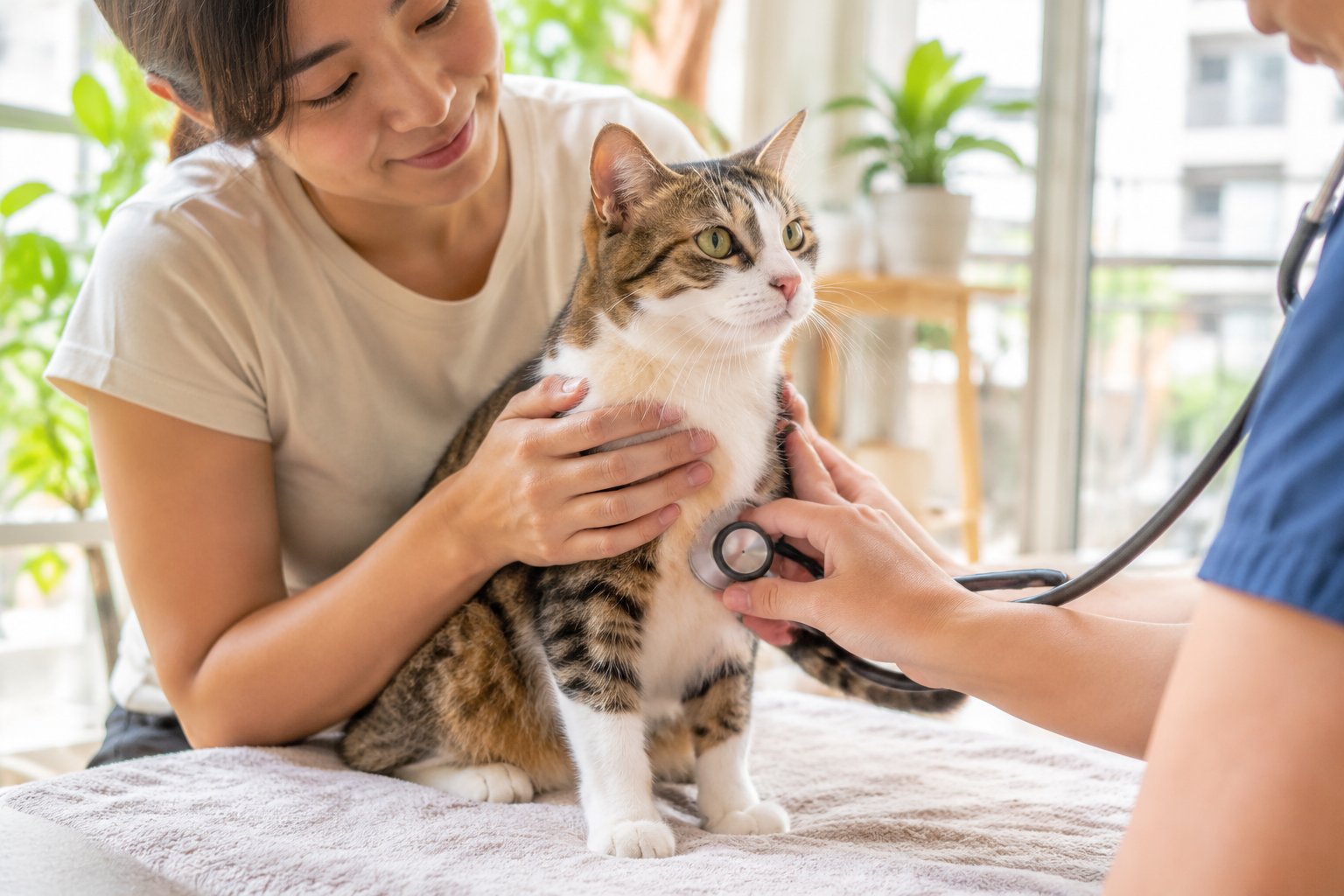
What is a kitten eye infection?
A kitten eye infection is any inflammation or infection of the eye's surface or surrounding tissues. The most common form is conjunctivitis, which is inflammation of the pink membrane lining the eyelids. Kittens are especially vulnerable because their immune systems are still developing and their eyes are small, so even minor infections can cause serious damage quickly.
Eye infections in kittens are not just a cosmetic problem. They can be painful, cause permanent scarring, and in severe cases lead to blindness. Recognising the signs early and getting the right treatment makes a huge difference.
Why are kittens so prone to eye infections?
Several factors make kittens more susceptible than adult cats:
- Immature immunity: Kittens have not yet built up defences against common viruses and bacteria.
- Close contact: In litters, shelters or rescue situations, infections spread easily between kittens.
- Small anatomy: A kitten's tear ducts and eyelids are tiny, so swelling and discharge can block drainage and worsen quickly.
- Maternal exposure: If the mother cat has an active infection, she can pass it to her kittens during grooming or birth.
- Poor living conditions: Crowding, poor ventilation and dirty bedding increase the risk.
In Malaysia, stray and rescue kittens are often exposed to these risks. Even indoor kittens can be affected if they come from a background with limited healthcare.
Common causes of kitten eye infections
The causes fall into three main groups: viral, bacterial and environmental.
Viral causes
Feline herpesvirus (FHV-1) and feline calicivirus (FCV) are the two most common viral culprits. These viruses are widespread in the cat population and are often part of the feline respiratory disease complex. Herpesvirus in particular tends to cause recurrent eye problems because it can lie dormant and reactivate during stress.
Bacterial causes
Bacteria such as Staphylococcus and Streptococcus species, and sometimes Chlamydia felis, can cause primary infections or secondary infections after a viral episode. Bacterial infections often produce thick, yellow or green discharge.
Environmental and anatomical causes
- Foreign bodies: Dust, grass seeds or small insects can irritate the eye.
- Entropion: Some kittens have eyelids that roll inward, causing lashes to rub the eye.
- Blocked tear ducts: This can cause tears to overflow and create a moist environment for bacteria.
- Irritants: Household cleaning products, smoke or strong fragrances can irritate sensitive eyes.
Recognising the signs: what does a kitten eye infection look like?
Symptoms can vary depending on the cause, but common signs include:
- Squinting or holding the eye partially closed
- Redness of the white of the eye or the eyelids
- Swelling around the eye
- Discharge that may be clear, cloudy, yellow or green
- Excessive tearing
- Rubbing the eye with a paw or against furniture
- Sensitivity to light
- A visible third eyelid (the pink membrane in the inner corner)
- In severe cases, the eye may bulge or the kitten may cry when the area is touched
Kittens with viral infections often have other signs too, such as sneezing, nasal discharge, fever, loss of appetite or lethargy. If your kitten shows these general signs alongside eye problems, a viral cause is more likely.
How is a kitten eye infection diagnosed?
A vet will start by taking a history and examining both eyes, even if only one looks affected. They will check the eyelids, conjunctiva, cornea and tear production. Several tests may be used:
- Fluorescein stain: A harmless dye that highlights scratches or ulcers on the cornea.
- Schirmer tear test: Measures tear production to check for dry eye.
- Swabs: Samples may be taken to identify bacteria or viruses, especially in severe or recurrent cases.
- Eye pressure check: To rule out glaucoma, which is rare in kittens but possible.
Your vet will also assess the kitten's overall health, because eye problems can be a sign of a systemic illness.
Home care: what you can do safely
While you should always see a vet for a proper diagnosis, there are safe steps you can take at home to keep your kitten comfortable and prevent worsening.
Clean the eyes gently
Use a clean, soft cotton pad or gauze soaked in cooled boiled water. Wipe from the inner corner outward, using a fresh pad for each eye. Do not use cotton buds inside the eye, and do not rub. Clean away discharge two to three times a day, or as often as needed.
Keep the kitten away from irritants
Avoid dusty litter, strong household cleaners, cigarette smoke and perfumes around the kitten. Use a gentle, unscented litter and keep the environment clean.
Prevent scratching
A kitten with an itchy or painful eye may scratch it and cause an ulcer. An Elizabethan collar (cone) may help, but ask your vet first. Keep the kitten's nails trimmed and clean.
Isolate if contagious
If you have other cats, keep the affected kitten in a separate room and wash your hands after handling. Do not share bowls, bedding or toys until the vet confirms it is safe.
Do not use human medication
Never use human eye drops, ointments or home remedies without veterinary advice. Some human products contain steroids that can worsen ulcers, and others contain preservatives that irritate kitten eyes.
What to expect at the vet
Treatment depends on the cause. Your vet may prescribe:
- Antibiotic eye drops or ointment for bacterial infections.
- Antiviral medication for herpesvirus, sometimes in combination with antibiotics to prevent secondary infection.
- Pain relief if the eye is painful.
- Lubricating drops to keep the eye moist and aid healing.
- Surgery in rare cases, such as for entropion or a severe ulcer.
You will likely need to apply medication several times a day. Ask your vet to show you how to do this gently and safely. Never stop treatment early, even if the eye looks better, because infections can rebound.
How to give eye drops to a kitten
Giving eye drops to a wriggling kitten can be tricky. Here is a simple method:
- Wash your hands thoroughly.
- Hold the kitten gently but firmly in your lap or on a table, wrapping a towel around the body if needed.
- Use one hand to gently hold the head steady. With the other hand, pull down the lower eyelid slightly.
- Hold the dropper above the eye without touching the eye or eyelid.
- Squeeze one drop onto the eye, aiming for the space between the eyelids.
- Release the eyelid and let the kitten blink to spread the medication.
- Wipe away excess with a clean tissue, and reward the kitten with a treat or gentle praise.
If you are unsure, ask your vet or vet nurse to demonstrate.
Prevention: reducing the risk of eye infections
Prevention is always better than treatment. Here are practical steps for Malaysian cat owners:
- Vaccinate: Keep your kitten's vaccinations up to date, including feline herpesvirus and calicivirus. Follow your vet's schedule.
- Good nutrition: Feed a balanced diet for kittens to support immune health.
- Hygiene: Clean food and water bowls daily, wash bedding regularly, and keep litter boxes clean.
- Reduce stress: Stress can trigger herpesvirus reactivation. Provide a calm environment and gradual introductions to new pets.
- Screen new kittens: If you adopt a kitten, have it checked by a vet soon after arrival, especially if it came from a shelter or stray situation.
- Avoid overcrowding: If you have multiple cats, ensure enough space, resources and separate resting areas.
When to see a vet
Seek veterinary care promptly if your kitten shows any of these signs:
- Thick yellow or green discharge
- Squinting that does not improve within a few hours
- Swelling that is getting worse
- The kitten is rubbing or pawing at the eye
- The eye looks cloudy or has a visible scratch
- The kitten is lethargic, not eating or has a fever
- The eye is bulging or the kitten cries when touched
- Symptoms last more than 24 hours or recur
Go immediately if: the eye is bleeding, the kitten cannot open the eye at all, or there is a sudden change in vision. Kittens can lose an eye within days if a severe infection is left untreated.
Eye infections and other health conditions
Sometimes an eye infection is a sign of a bigger problem. For example:
- Feline herpesvirus can cause recurrent eye problems and is often linked to stress.
- Feline calicivirus may cause eye and mouth ulcers.
- Chlamydia felis can cause severe conjunctivitis and may affect both eyes.
- Feline immunodeficiency virus (FIV) or feline leukaemia virus (FeLV) can weaken the immune system, making infections more likely and harder to treat.
Your vet may recommend blood tests if the infection is severe or recurrent.
Caring for a kitten with an eye infection
A kitten with an eye infection needs extra care and attention. Here are some tips:
- Keep the kitten warm and comfortable.
- Ensure easy access to food and water.
- Clean the eyes gently as described.
- Give all medications exactly as prescribed.
- Keep a diary of symptoms and medication times to track progress.
- Attend follow-up appointments.
If the kitten is not eating, contact your vet. Poor appetite in kittens can quickly become dangerous.
Comparison table: common eye problems in kittens
| Condition | Typical signs | Contagious? | Urgency |
|---|---|---|---|
| Viral conjunctivitis (herpesvirus) | Clear discharge, sneezing, squinting, recurrent | Yes, to other cats | See vet within 24 hours |
| Bacterial conjunctivitis | Yellow/green discharge, redness, swelling | Sometimes | See vet within 24 hours |
| Corneal ulcer | Pain, squinting, cloudy spot, tearing | No | Urgent, same day |
| Entropion | Eyelid rolling in, rubbing, discharge | No | See vet soon |
| Foreign body | Sudden squinting, pawing, tearing | No | Urgent, same day |
| Blocked tear duct | Overflowing tears, wet fur below eye | No | Routine appointment |
Local considerations for Malaysian cat owners
Malaysia's warm, humid climate can affect eye health. Humidity may encourage bacterial growth, so keep bedding and bowls dry and clean. Air conditioning can dry out eyes, so provide humid areas if your kitten spends long periods in air-conditioned rooms. If you live in an apartment, ensure your kitten gets enough environmental enrichment to reduce stress, which can trigger herpesvirus. In terrace houses, watch for dust and grass seeds from the garden, which can get into eyes. Always consult a local vet for treatment tailored to your kitten.
Final thoughts
Kitten eye infections are common but manageable with prompt veterinary care. Never ignore eye problems in a kitten, as their small size means damage can progress quickly. With the right treatment and good preventive care, most kittens recover fully and go on to live happy, healthy lives.
This article is for general information only and is not a substitute for professional veterinary advice. Always consult a licensed veterinarian for diagnosis and treatment of your kitten.
Related reading
- Kitten Care Guide Malaysia: 0–12 Month Feeding, Vaccination, Deworming & Growth Timeline
- Kitten Weight Chart Malaysia: Weekly Targets from Birth to 1 Year
- Kitten Care Hub Malaysia: First-Year Feeding, Vaccines, Deworming and Growth Timetable
- Kitten Feeding Schedule in Malaysia: How Many Meals and How Much Per Day
- Kitten Grooming for Kittens: A Complete Guide for Malaysian Owners
- Kitten Grooming in Malaysia: A Complete Guide for New Cat Owners
- Kitten Sleep Needs in Kittens Malaysia: How Much Sleep Do Kittens Need?
- Kitten Vaccine Schedule in Malaysia: First Shot at 2–3 Months, Then Every Year
- Kitten Weight Chart in Malaysia: Healthy Growth Week by Week
- Kitten Weight Chart Malaysia: Week-by-Week Standards and How to Weigh at Home
- Best Kitten Food in Malaysia: A Practical Buying Guide (2026)



