
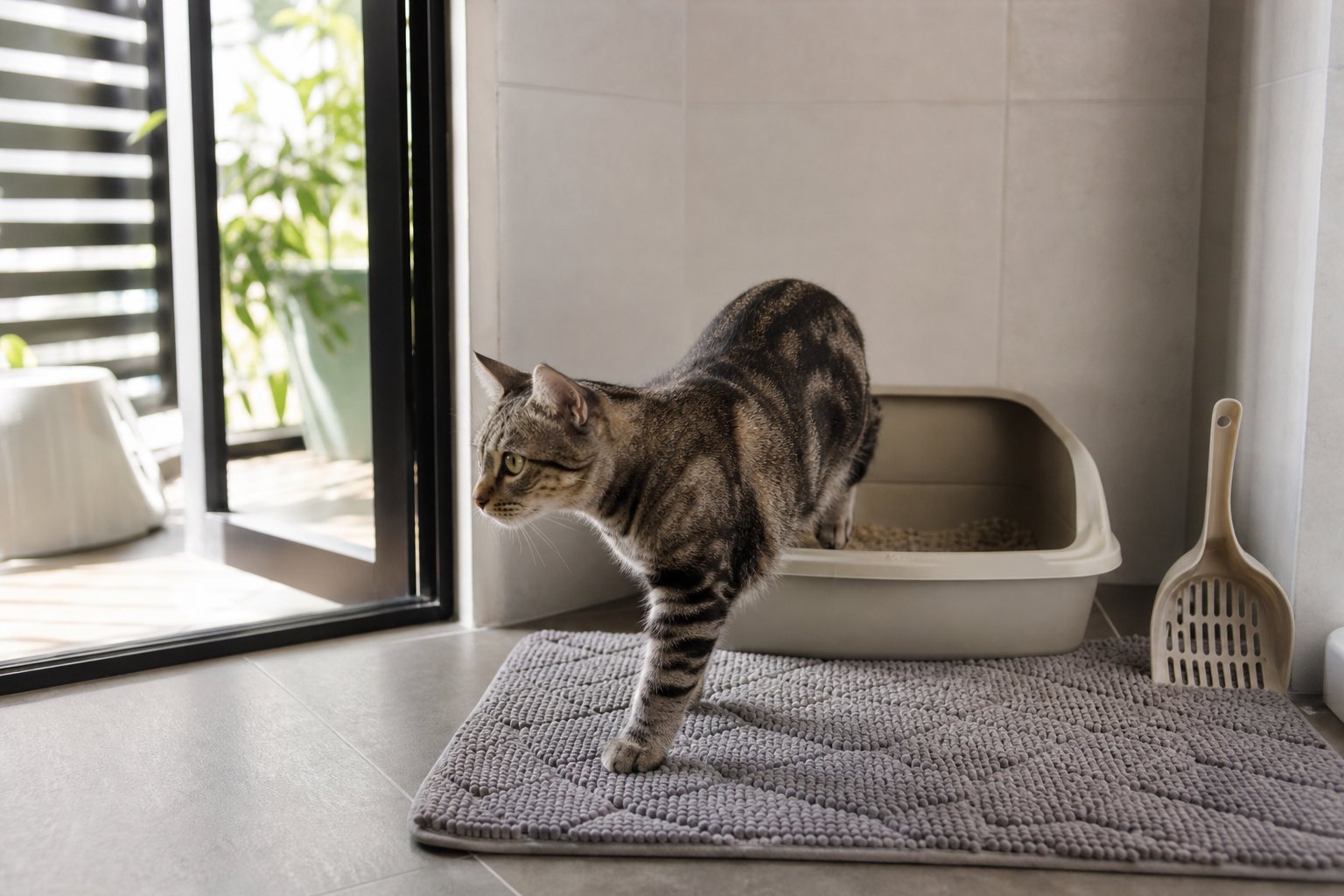
Why litter box training matters
Litter box training is one of the first skills your kitten will learn, and it sets the tone for a lifetime of good bathroom habits. Cats are naturally clean animals, and most kittens start showing interest in digging and covering waste by around four weeks old. Your job is to make the litter box easy to find, comfortable to use, and part of a predictable routine.
In Malaysian homes, whether you live in a Kuala Lumpur apartment or a Johor terrace house, the basics are the same: the right box, the right litter, a quiet location, and gentle consistency. This guide covers everything from choosing supplies to solving accidents, with practical tips for local conditions like humid weather and multi-pet households.
Setting up the litter box
Choose the right box
A kitten needs a box it can step into without effort. Low-sided open boxes work best for young kittens. Covered boxes may look tidy, but they can trap odours and make a small kitten feel trapped. As your kitten grows, you can switch to a larger box or add a hood if your cat prefers privacy.
Size matters: the box should be about one and a half times the length of your kitten from nose to tail base. A box that is too big can feel overwhelming; too small and your kitten may miss the target.
Pick a kitten-friendly litter
Unscented litter is the safest choice. Strong fragrances can irritate a kitten's sensitive nose and discourage use. Clumping litter is popular because it is easy to scoop, but very young kittens sometimes nibble on litter. If you notice this, switch to a non-clumping litter until your kitten is older.
Avoid crystal litters and heavily scented varieties at first. Once your kitten is reliably trained, you can experiment with different textures if you wish, but introduce changes gradually by mixing old and new litter.
Find the right spot
Place the box in a quiet, low-traffic area that your kitten can reach easily. Avoid placing it next to food and water bowls, as cats prefer to keep eating and bathroom areas separate. Laundry rooms, bathrooms, and quiet corners work well. In apartments, keep the box away from noisy appliances like washing machines and air-conditioning units.
If you have a multi-storey home, put a box on each floor your kitten spends time on. This is especially helpful for very young kittens who may not make it down the stairs in time.
Number of boxes
The general rule is one box per cat plus one extra. If you have one kitten, two boxes in different locations is ideal. This gives your kitten options and reduces the risk of accidents if one box is dirty or blocked.
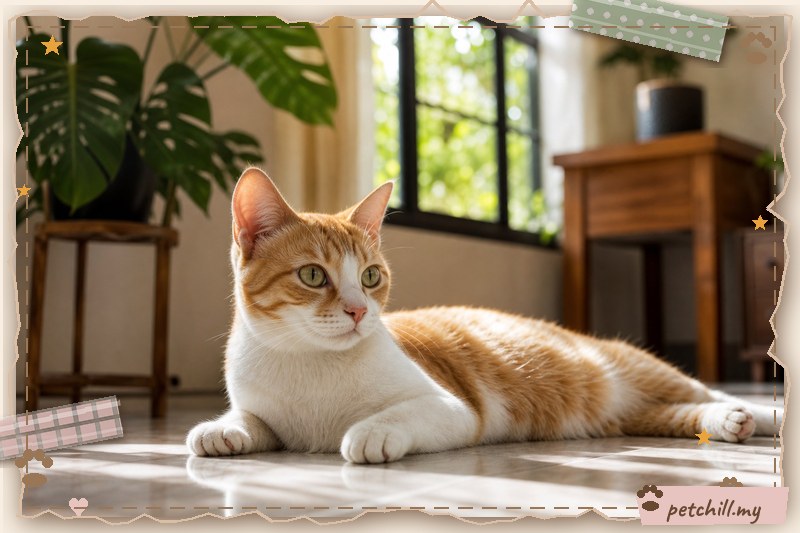
The first few days
Introduce the box gently
When you bring your kitten home, place it in the litter box immediately after arrival. Let it sniff and explore. Gently scratch the litter with your finger to show digging behaviour. Most kittens will instinctively dig and squat.
Do not force your kitten to stay in the box. If it jumps out, simply try again later. Positive, low-pressure exposure is key.
Establish a routine
Kittens usually need to eliminate after waking up, after eating, and after play sessions. Place your kitten in the box at these times. Stay nearby and praise calmly if it uses the box. Avoid loud praise or treats immediately after, as this can startle a young kitten.
Feed your kitten at regular times so you can predict when it will need the box. Free-feeding makes accidents more likely because you cannot anticipate bathroom breaks.
Supervise and redirect
Keep your kitten in a small, safe area when you cannot supervise, such as a bathroom or a playpen with a litter box. If you see your kitten sniffing, circling, or squatting outside the box, gently pick it up and place it in the box. Clean accidents with an enzymatic cleaner to remove odour, which can attract your kitten back to the same spot.
Daily care and cleaning
Scoop daily
Scoop solid waste at least once a day, and twice a day if you have multiple cats. Kittens are fastidious and may refuse a dirty box. A clean box is the single biggest factor in successful training.
Full litter changes
Replace clumping litter completely every two to four weeks, or sooner if it smells. Wash the box with mild soap and warm water, rinse well, and dry before refilling. Avoid harsh chemicals and bleach, which can irritate your kitten's paws and respiratory tract.
Deep cleaning
Once a month, do a deeper clean with a pet-safe cleaner. If your kitten has had an accident outside the box, clean that area thoroughly with an enzymatic cleaner. Regular household cleaners may not remove the proteins in urine that attract cats back to the same spot.
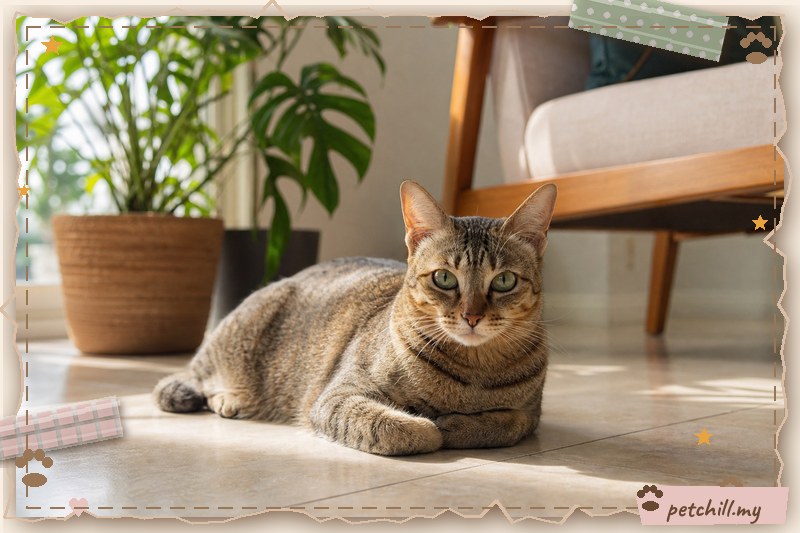
Troubleshooting common problems
Accidents outside the box
Accidents are normal during training. First, check the basics: is the box clean? Is the litter unscented and comfortable? Is the box in a quiet spot? Is your kitten healthy? If everything seems fine, try adding another box or changing the litter type.
If your kitten consistently avoids the box, consider stress. Changes like a new pet, moving house, or loud renovations can upset a kitten. Provide a safe, quiet space and keep routines consistent.
Kitten eats litter
Some kittens nibble litter out of curiosity. Switch to a non-clumping, digestible litter such as paper-based or wood-based litter until the habit passes. If your kitten eats a lot of litter or seems unwell, consult your vet.
Box avoidance after a scare
If your kitten was startled while using the box, it may avoid it. Move the box to a quieter location and try a different litter. Be patient and avoid punishing your kitten, which can worsen fear.
Multi-cat household issues
In homes with more than one cat, provide enough boxes and spread them out. A kitten may be bullied away from a box by an older cat. Ensure each cat has easy access to a box without having to pass another cat.
Comparison table: litter box options for kittens
| Box type | Pros | Cons | Best for |
|---|---|---|---|
| Open, low-sided | Easy access, good visibility, easy to clean | Litter scatter, less odour control | Young kittens, first training |
| Open, high-sided | Less scatter, more privacy | Harder for small kittens to step in | Older kittens, messy diggers |
| Covered | Odour contained, privacy | Traps smells, can feel confining | Confident cats, small spaces |
| Top-entry | Less scatter, good for dogs | Difficult for kittens and seniors | Adult cats only |
| Automatic | Convenient cleaning | Can scare kittens, expensive | Experienced owners, adult cats |
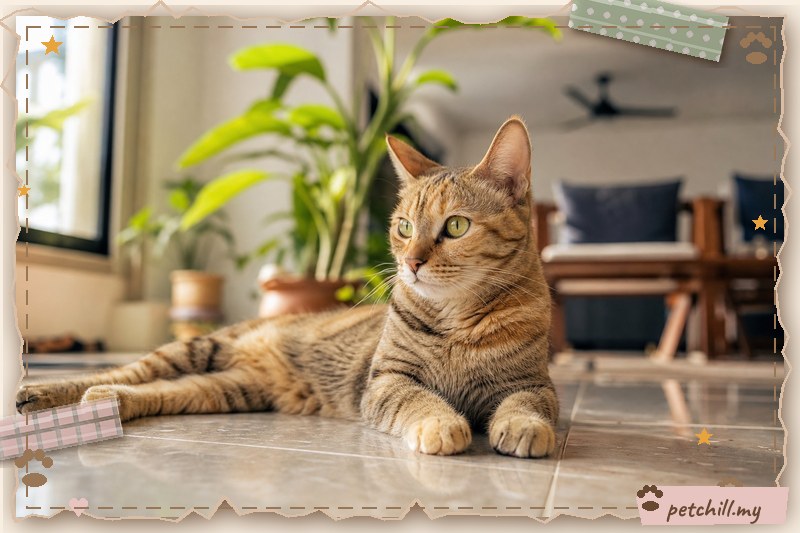
Litter box training in Malaysian homes
Humid weather and odour
Malaysia's humid climate can make litter boxes smell faster. Scoop more often and consider a litter with good odour control. Avoid covered boxes in humid areas unless you clean them daily. Ensure good ventilation around the box.
Apartment living
In a Kuala Lumpur apartment, space is limited. Choose a quiet corner away from the kitchen and living area. A bathroom or utility area works well. Keep the box away from your kitten's sleeping area and food bowls. If space is tight, a top-entry box can save floor space, but wait until your kitten is older.
Terrace houses and outdoor access
In a Johor terrace house, you may have more space, but keep your kitten indoors. Outdoor access exposes kittens to dangers like cars, dogs, and infectious diseases. Provide indoor boxes on each floor. If you have a garden, do not let your kitten use it as a litter box; keep training indoors.
Multi-pet households
Many Malaysian homes have both cats and dogs. Keep litter boxes in areas the dog cannot reach, such as a gated room or a raised surface. Dogs may eat cat litter, which is unhealthy. A baby gate with a cat-sized opening can help.
When to see a vet
Litter box problems can sometimes signal a medical issue. See a vet if your kitten:
- Strains to urinate or defecate
- Cries while using the box
- Has blood in urine or stool
- Suddenly stops using the box after being trained
- Has diarrhoea or vomiting
- Seems lethargic or loses appetite
- Urinates outside the box frequently
Urinary blockages are emergencies, especially in male kittens. If your kitten is straining and producing little or no urine, seek veterinary care immediately.
Frequently asked questions
How long does it take to litter train a kitten? Most kittens learn within two to three weeks with consistent placement and supervision. Younger kittens may need more frequent reminders. If your kitten is older than 12 weeks and still having accidents, rule out medical issues with a vet.
What type of litter box is best for a kitten? Choose a low-sided, open box that your kitten can step into easily. Avoid covered boxes at first because they can trap smells and make small kittens feel trapped. A box roughly one and a half times the kitten's length is a good starting size.
Should I use clumping or non-clumping litter for a kitten? Unscented clumping litter is convenient for scooping, but very young kittens may ingest it. Non-clumping litter is safer if your kitten tends to nibble. Whichever you choose, avoid strong fragrances and switch litter gradually if needed.
Why is my kitten not using the litter box? Common reasons include a dirty box, wrong litter, stressful location, or a medical problem such as a urinary tract infection. Try cleaning more often and moving the box to a quiet spot. If accidents continue, see a vet to rule out illness.
How often should I clean the litter box? Scoop solid waste at least once daily, and twice daily if you have multiple cats. Replace clumping litter fully every two to four weeks, or sooner if it smells. Wash the box with mild soap and water and dry it before refilling.
Can I train a kitten to use a litter box in an apartment? Yes. Apartments are fine as long as the box is in a quiet, accessible spot away from food and noisy appliances. Keep the box away from high-traffic areas and make sure your kitten can reach it easily from its sleeping area.
Final checklist for success
- Low-sided open box, one per kitten plus one extra
- Unscented, kitten-safe litter
- Box placed in a quiet, accessible spot
- Box away from food and water
- Scoop at least once daily
- Full litter change every two to four weeks
- Place kitten in box after meals, naps, and play
- Clean accidents with enzymatic cleaner
- Supervise and redirect gently
- See a vet if accidents persist or health changes occur
With patience and consistency, your kitten will master the litter box in no time. Remember that every kitten is an individual, and some take longer than others. Focus on gentle guidance, a clean box, and a calm environment, and you will build a strong foundation for years of good litter habits.
Disclaimer: This article provides general information only and is not a substitute for professional veterinary advice. Always consult a licensed veterinarian for health concerns about your kitten.
Related reading
- Kitten Care Guide Malaysia: 0–12 Month Feeding, Vaccination, Deworming & Growth Timeline
- Kitten Feeding Amounts: A Complete Guide for Malaysian Owners
- Kitten First Year Checklist in Malaysia: Supplies, Vet Schedule and Monthly Milestones
- Kitten Flea Treatment in Kittens Malaysia: Safe Options by Age
- Kitten Food Transition for Kittens: A Complete Malaysian Guide
- Kitten Food Transition in Kittens Malaysia: A Safe Step-by-Step Guide
- Kitten Sleep Needs in Kittens Malaysia: How Much Sleep Do Kittens Need?
- Kitten Socialization in Malaysia: A Practical Guide for Raising a Confident Cat
- Kitten Socialisation in Malaysia: The 3-Week to 3-Month Golden Period, Week by Week
- Kitten Teething in Malaysia: A Complete Guide to Your Kitten's Baby Teeth
- Kitten Weight Chart in Malaysia: Healthy Growth Week by Week



