
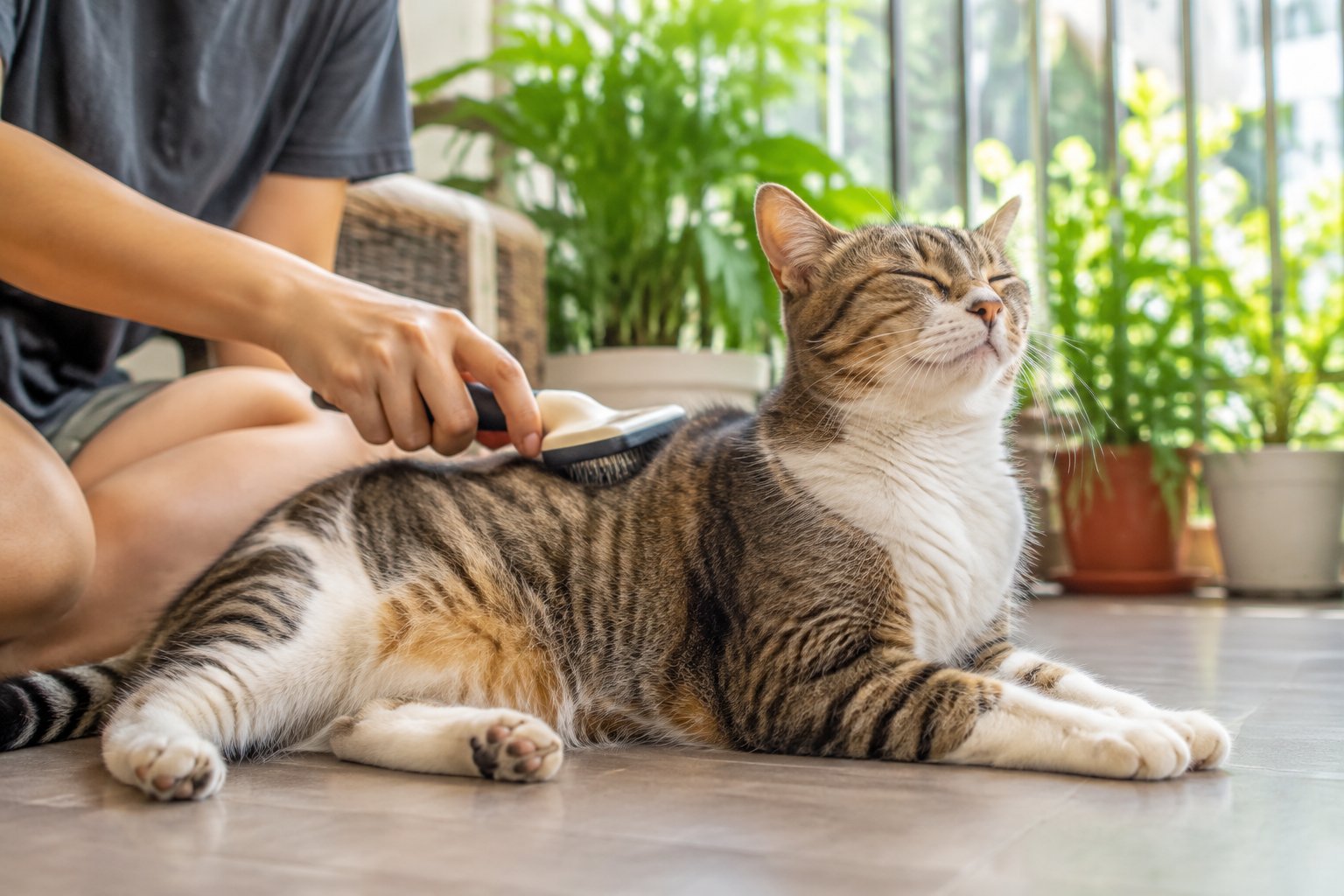
Why kitten grooming matters
Grooming is not just about looks. For a kitten, it is a health check, a bonding session and a training exercise rolled into one. Regular brushing removes loose fur and dirt, reduces hairballs, and gives you a chance to spot lumps, fleas, scabs or ear problems early. Handling your kitten's paws, ears and mouth when it is young makes vet visits and future care much easier.
Kittens are not simply small cats. Their skin is delicate, their coat is still developing, and their patience is short. The goal is to make grooming calm and positive, not to achieve a perfect show coat. Short, frequent sessions beat long, stressful ones every time.
This guide covers the practical basics for Malaysian homes: brushing, nail trims, ear and eye care, bathing, dental care, and a simple routine you can follow. It also explains when grooming is not enough and you should see a vet.
When to start grooming a kitten
Start as early as your kitten is comfortable with you. Many kittens begin gentle handling at around 8–12 weeks, once they are settled at home and have had a health check. If your kitten is very young, unwell, or newly adopted, keep sessions to a few seconds and build up.
The first sessions should not involve tools at all. Gently stroke your kitten all over, including paws, ears, tail and belly. Give a treat or a meal afterwards. Once your kitten accepts touching, introduce a soft brush for a few strokes, then stop. This gradual approach is called desensitisation, and it works far better than forcing a full groom on day one.
A useful rule: end every session while your kitten is still relaxed. If you wait until it struggles, you teach it that grooming is a fight.
Brushing your kitten: tools and technique
Choosing a brush
Match the tool to the coat. Short-haired kittens do well with a soft rubber curry brush or a fine-toothed metal comb. Long-haired kittens need a slicker brush and a metal comb to prevent tangles. Avoid harsh bristle brushes on kitten skin.
How to brush
- Let your kitten sniff the brush and give a treat.
- Brush gently in the direction of the coat, starting on the back and sides.
- Use short strokes and check the brush for loose fur.
- Brush the tail and hind legs last, as many kittens are sensitive there.
- Stop after a minute or two and reward.
For short-haired kittens, 2–3 sessions a week is usually enough. Long-haired kittens may need daily brushing, especially around the armpits, belly and behind the ears where tangles form. If you find a mat, do not pull it. Work it loose gently with your fingers or a comb, or ask a vet or groomer for help.
Brushing frequency at a glance
| Coat type | Brushing frequency | Key tools | Watch for |
|---|---|---|---|
| Short hair | 2–3 times weekly | Rubber brush, fine comb | Shedding, fleas |
| Long hair | Daily | Slicker brush, metal comb | Mats behind ears, under legs |
| Senior or unwell kitten | As advised by vet | Soft brush | Pain, skin sores |
Nail trimming for kittens
Kitten nails are sharp and grow quickly. Trimming every 2–3 weeks keeps them comfortable and protects your furniture and skin. You only need to trim the clear tip, not the pink quick inside the nail.
Step by step
- Choose a quiet time when your kitten is sleepy or relaxed.
- Hold a paw gently and press the pad to extend a nail.
- Trim just the tip with kitten-safe clippers.
- Reward after each nail, or after one paw.
- Stop if your kitten pulls away; try again later.
If you are unsure where the quick is, trim less rather than more. A nail cut too short will bleed and can make your kitten fearful of handling. Keep styptic powder or cornflour nearby, and ask your vet to show you the technique the first time.
Scratching posts are not a substitute for nail trims, but they help keep nails healthy and give your kitten an appropriate outlet. Place posts near sleeping areas and scratching spots.
Ear and eye care
Ears
Check ears weekly. Healthy ears are clean and pale pink inside, with little odour. Use a cotton ball or soft pad dampened with a vet-recommended ear cleaner to wipe the visible part of the ear. Never push cotton buds into the ear canal.
See a vet if you notice dark discharge, redness, swelling, head shaking or a bad smell. These can be signs of ear mites or infection, which need proper treatment.
Eyes
Wipe away sleep or discharge with a clean, damp cotton pad, using a separate pad for each eye. Mild tear staining is common in some breeds, but persistent discharge, redness, squinting or swelling needs a vet check. Do not use human eye drops unless your vet advises it.
Bathing a kitten
Most kittens do not need frequent baths. Cats groom themselves well, and over-bathing can dry out the skin and coat. Bathe when your kitten is genuinely dirty, has fleas (using a vet-approved flea shampoo), or when your vet recommends it.
Safe bathing steps
- Brush first to remove loose fur.
- Use a shallow basin with lukewarm water.
- Wet the coat, avoiding the face and ears.
- Apply kitten-safe shampoo and rinse thoroughly.
- Wrap in a towel and dry in a warm, draft-free room.
Avoid bathing a very young or unwell kitten unless your vet says it is safe. In Malaysia's humid climate, drying thoroughly matters; a damp kitten can chill quickly under air-conditioning. Never leave a wet kitten unattended.
Dental care for kittens
Dental disease is common in cats, and starting early makes a big difference. Ideally, brush your kitten's teeth daily with a cat-safe toothpaste and a small soft brush or finger brush. Human toothpaste is not safe for cats.
Start by letting your kitten lick a little toothpaste from your finger. Then gently rub the teeth and gums with a finger, and gradually introduce the brush. Focus on the outer surfaces of the teeth, where plaque builds up. If daily brushing is not possible, aim for several times a week and ask your vet about other options.
Check your kitten's mouth weekly for bad breath, red gums, tartar or broken teeth. Dental checks are part of routine vaccination visits.
A simple weekly grooming routine
A consistent routine helps your kitten know what to expect. Here is a practical schedule you can adapt.
| Task | Frequency | Time needed |
|---|---|---|
| Brushing | 2–3 times weekly (daily for long hair) | 2–5 minutes |
| Nail trim | Every 2–3 weeks | 2–5 minutes |
| Ear check and wipe | Weekly | 1–2 minutes |
| Eye wipe | As needed | Under 1 minute |
| Tooth brushing | Daily or several times weekly | 1–2 minutes |
| Full body check | Weekly | 2–3 minutes |
During the weekly check, run your hands over your kitten's body. Look for fleas, ticks, scabs, lumps, hair loss or sore spots. Check between the toes and under the tail. Early detection makes many problems easier to manage.
Grooming in Malaysian homes
Malaysia's warm, humid climate affects grooming. Humidity can make long coats prone to matting, and wet seasons can bring more muddy paws and damp fur. Here are some local considerations.
- Apartment living in Kuala Lumpur: Indoor kittens shed and pick up dust. Brush regularly and keep a lint roller handy. Air-conditioning can dry the coat, so avoid over-bathing.
- Terrace house in Johor: Outdoor access increases exposure to dirt, fleas and ticks. Check the coat and paws after time outside, and use vet-recommended parasite prevention.
- Penang rainy season: Damp fur and humid air favour skin problems. Dry your kitten thoroughly after any bath or wet walk outside, and check ears and skin weekly.
Local prices for grooming tools, shampoos and professional grooming vary, so ask a Malaysian pet retailer or your vet for options that suit your kitten.
Common grooming mistakes to avoid
- Doing too much at once. Keep sessions short and split tasks across days.
- Using human products. Human shampoo, toothpaste and ear drops can harm kittens.
- Forcing a scared kitten. Stop and try again later; forced handling creates fear.
- Cutting nails too short. Trim only the tip and ask for a demonstration.
- Ignoring mats. Mats tighten and can cause skin damage; get help early.
- Bathing too often. Over-bathing strips natural oils.
When to see a vet
Grooming is a good time to notice problems, but some issues need professional care. See a vet if you notice:
- Hair loss, bald patches or widespread scabs
- Intense itching, fleas or ticks that persist despite treatment
- Ear discharge, bad smell, head shaking or ear pain
- Eye discharge, redness, squinting or swelling
- Bleeding nails or nails that look infected
- Bad breath, red gums, tartar or loose teeth
- Lumps, wounds or areas that are painful to touch
- Your kitten is very young, unwell, or becomes distressed during grooming
Your vet can also advise on parasite prevention, diet and grooming products suitable for your kitten's age and coat.
Frequently asked questions
How often should I groom my kitten? Brush 2–3 times weekly (daily for long-haired kittens), trim nails every 2–3 weeks, check ears and eyes weekly, and bathe only when needed. Keep sessions short and positive.
Can I bathe a kitten? Yes, but only when needed and after your kitten is settled at home. Use a kitten-safe shampoo, lukewarm water, dry thoroughly, and avoid drafts. Very young or unwell kittens should be bathed only on vet advice.
What age can I start grooming a kitten? Start gentle handling and brushing as soon as your kitten is comfortable, often around 8–12 weeks. Keep sessions brief and reward calm behaviour. Nail trims can begin early with just one or two nails at a time.
Do kittens need their teeth brushed? Yes, daily tooth brushing with cat-safe toothpaste is ideal. Start slowly by letting your kitten taste the paste and touching the teeth with a finger or soft brush. Ask your vet to check teeth at vaccination visits.
Why does my kitten hate being brushed? It may be the tool, the technique or the pace. Use a soft brush, brush in the direction of the coat, keep sessions under a minute, and pair with treats. Never force it; build up gradually over days.
When should I see a vet about grooming issues? See a vet if you notice hair loss, itching, scabs, ear discharge, bad breath, bleeding nails, or if your kitten is painful when touched. Also seek advice before bathing a very young or unwell kitten.
Vet disclaimer
This article is general information and not a substitute for veterinary advice. Every kitten is different. If you have concerns about your kitten's skin, ears, eyes, teeth or general health, consult a licensed veterinarian in Malaysia.
Related reading
- Kitten Care Guide Malaysia: 0–12 Month Feeding, Vaccination, Deworming & Growth Timeline
- Kitten Grooming in Malaysia: A Complete Guide for New Cat Owners
- Kitten Sleep Needs: A Complete Guide for Malaysian Owners
- Kitten Socialization in Malaysia: A Practical Guide for Raising a Confident Cat
- Kitten Weight Chart in Malaysia: Healthy Growth Week by Week
- Cat Birth for Cat Owners: A Complete Guide to Labour, Delivery and Newborn Kittens
- Cat Birth in Malaysia: A Practical Guide to Feline Labour and Delivery
- Kitten Development for Cat Owners: A Complete Malaysian Guide
- Kitten Development for Cats in Malaysia: A Stage-by-Stage Guide
- Kitten Deworming for Kittens: A Complete Malaysian Guide



