
The short answer
Weaning is the gradual change from mother's milk to solid food. Most kittens begin tasting soft food at about 3–4 weeks and can eat kitten food reliably by 6–8 weeks. The key is slow texture changes, small frequent meals, strict hygiene and daily monitoring of weight, stool and energy. If a kitten is unwell, stop experimenting and call a vet.
Why weaning matters
A kitten's digestive system, teeth and jaw muscles are still developing. Moving too fast to hard food can cause choking, vomiting or diarrhoea. Moving too slowly can leave a kitten overly dependent on milk and short on the energy and nutrients needed for growth. Good weaning sets up lifelong eating habits, reduces stress for the mother cat and makes it easier to monitor each kitten's health.
Weaning is also a hygiene exercise. In Malaysia's warm, humid climate, wet food spoils quickly, bowls attract insects and bacteria multiply fast. Clean bowls, fresh water and prompt removal of leftovers are part of the job, not an afterthought.
The weaning timeline at a glance
| Age | What is happening | What to offer | Practical notes |
|---|---|---|---|
| 0–3 weeks | Nursing only; eyes opening; very dependent | Mother's milk or kitten milk replacer | Do not introduce solids yet; keep the nest warm and clean |
| 3–4 weeks | Teeth emerging; kittens start exploring | Very soft gruel: milk replacer mixed with kitten food | Offer on a shallow saucer; let kittens lick from fingers first |
| 4–5 weeks | More mobile; biting and mouthing | Thicker gruel; 4–6 small meals daily | Introduce a shallow water bowl; expect mess |
| 5–6 weeks | Eating more; mother may resist nursing | Moistened kitten food; reduce milk gradually | Weigh kittens every few days |
| 6–8 weeks | Confident eaters; ready for adoption checks | Moistened or small dry kibble; 3–4 meals daily | Transition texture slowly; watch stool |
| 8–12 weeks | Growing fast; vaccination period | Kitten food according to label and vet advice | Keep meals consistent; fresh water always |
This table is a general guide. Individual kittens, especially orphans or the smallest in a litter, may need a slower pace.
Step-by-step: how to introduce solid food
- Check readiness. Kittens are usually ready to start tasting solids when their eyes are open, they can stand and move around, and small teeth are appearing. They should still be nursing or taking milk replacer.
- Choose a suitable base. Use a commercial kitten milk replacer, not cow's milk. Mix it with a small amount of high-quality kitten food (wet or softened dry) to make a soupy gruel.
- Offer a tiny taste. Put a dab on your finger or a spoon and let the kitten lick. Some kittens take to it immediately; others need several tries.
- Use a shallow saucer. A flat, shallow dish is easier for small kittens than a deep bowl. Avoid bowls they can tip over or climb into.
- Keep portions small. Offer a teaspoon or two per kitten at first. You can feed separately or in a low-sided tray if the litter is competitive.
- Increase texture gradually. Over days, add less liquid so the mixture becomes thicker, then move to moistened food and finally small dry kibble.
- Keep the mother involved. The mother cat may continue to nurse and clean up leftovers. Do not abruptly separate kittens from her unless a vet advises it.
- Clean up promptly. Remove leftovers after about 20–30 minutes, wash bowls with hot soapy water and dry them. Wash your hands after handling food and kittens.
Feeding schedules and portion control
Young kittens have small stomachs and high energy needs, so frequent small meals are better than one or two large ones. A practical pattern is 4–6 meals a day from 3–6 weeks, reducing to 3–4 meals a day from 6–12 weeks. Always follow the feeding guide on the kitten food label as a starting point, then adjust with your vet based on body condition and growth.
Do not free-feed unlimited wet food, especially in warm weather. Dry food can be left out for short periods if the environment is clean and dry, but fresh water must always be available. If you have several kittens, watch that the quieter ones are getting their share.
Choosing kitten food
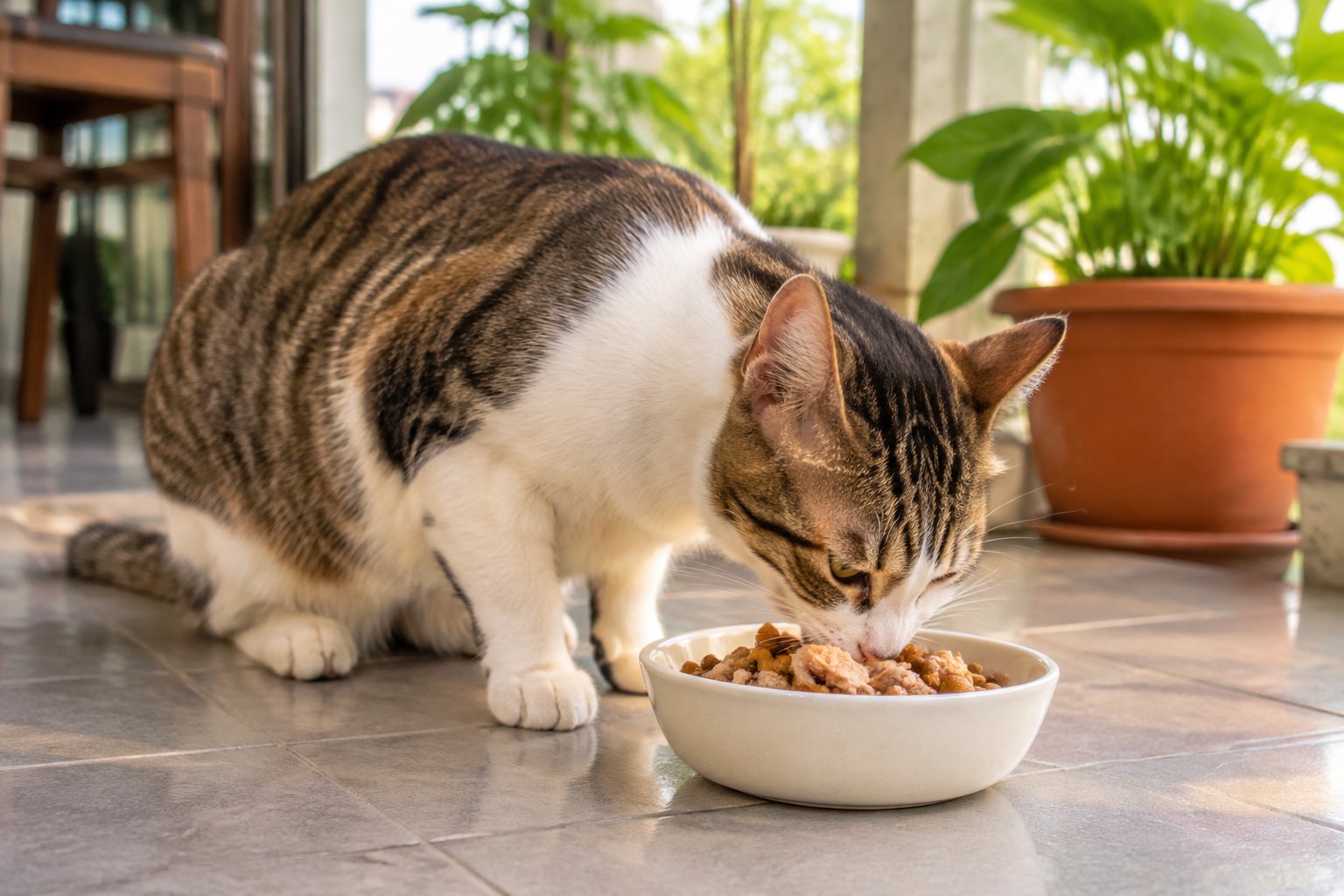
Look for food labelled for kittens or for growth. These products are formulated to support growing bones, muscles and immune systems. Wet food is often easier for weaning kittens because it is soft and moist; dry food can be moistened with milk replacer or water. Avoid adult maintenance food as the main diet during weaning, and avoid giving cow's milk, human snacks or bones.
If you are unsure which product to buy, ask a Malaysian vet or a reputable pet retailer for kitten-specific options. Local prices and availability vary, so compare labels and ask for advice rather than relying on a single brand claim.
Water, hygiene and the Malaysian climate
Fresh, clean water should be available from about 4 weeks. Kittens may play with the bowl at first; use a shallow, stable bowl and refresh the water often. In hot and humid conditions, wet food can spoil quickly, so do not leave it out for long. Wash food and water bowls daily, and clean feeding areas to discourage ants, flies and rodents.
If you live in a Kuala Lumpur apartment, feeding on a wipe-clean mat and storing food in sealed containers helps keep the kitchen hygienic. In a Johor terrace house, where kittens may be fed near a back door or car porch, keep food away from direct sun and rain and bring bowls in after meals.
Weighing and monitoring progress
A simple kitchen scale can help you track each kitten's weight. Weigh at the same time of day, ideally before a meal, and record the numbers. Steady gain is reassuring; weight loss or a flat line over several days is a reason to check with a vet. Also watch stool consistency, urination, energy, grooming and interest in food. A kitten that is quiet, cold to the touch or refusing food needs prompt attention.
Common weaning problems and what to do
| Problem | Possible cause | What to do |
|---|---|---|
| Refuses the saucer | Unfamiliar texture or smell; too early | Try a dab on your finger; warm the gruel slightly; be patient |
| Diarrhoea | Sudden diet change, overfeeding, cow's milk, infection | Slow the transition; ensure milk replacer is mixed correctly; see a vet if watery or persistent |
| Vomiting | Eating too fast, too much, or illness | Offer smaller meals; separate kittens; see a vet if repeated |
| Constipation | Low water intake, poor diet, dehydration | Offer fresh water and moist food; see a vet if no stool or straining |
| Messy eating | Normal learning behaviour | Use a shallow dish, wipe faces, keep the area clean |
| Mother rejecting kittens | Normal as kittens eat more solids | Provide kitten food and water; monitor weight; consult a vet if kittens lose weight |
Orphaned kittens and hand-rearing
Orphaned or rejected kittens need a structured plan. They rely on kitten milk replacer, careful feeding positions, burping and stimulation to urinate and defecate. Weaning should be slower and guided by a vet. Weigh orphans daily, keep them warm and clean, and follow a feeding schedule appropriate to their age. Do not introduce solids too early; their digestive systems are even less prepared than those of kittens with a mother.
When to see a vet
Contact a veterinarian promptly if a kitten:
- refuses food or milk for more than 12–24 hours;
- has watery diarrhoea, repeated vomiting or a swollen abdomen;
- is losing weight or not gaining over several days;
- is weak, limp, cold or very hot to the touch;
- has pale, blue or yellow gums;
- has difficulty breathing or a persistent cough;
- has a distended, painful belly or has not passed stool;
- shows signs of dehydration such as tacky gums or skin that stays tented when gently pinched.
Young kittens can deteriorate quickly. When in doubt, call a vet rather than waiting.
A simple weaning checklist
- Kitten is around 3–4 weeks old and showing interest in food.
- Kitten milk replacer and kitten food are ready.
- Shallow saucers, small spoons and a wipe-clean mat are available.
- Feeding schedule is written down (4–6 small meals daily at first).
- Fresh water is available and bowls are washed daily.
- Kittens are weighed every few days and weights are recorded.
- Leftover wet food is removed after 20–30 minutes.
- The mother cat still has access to food, water and a quiet space.
- A vet contact number is saved for emergencies.
Final thoughts
Weaning is a gradual, practical process rather than a single event. Start softly, increase texture slowly, feed little and often, and keep everything clean. Watch the kitten, not just the calendar. With patience and a good relationship with your vet, most kittens move from milk to solid food smoothly and continue to grow into healthy cats.
This article provides general information only and is not a substitute for veterinary advice. Always consult a licensed veterinarian for the health and feeding of your kitten.
Related reading
- Kitten Care Guide Malaysia: 0–12 Month Feeding, Vaccination, Deworming & Growth Timeline
- Kitten Development for Cat Owners: A Complete Malaysian Guide
- Kitten Feeding Amounts in Malaysia: How Much to Feed a Kitten at Every Stage
- Kitten Vomiting: A Complete Guide for Malaysian Cat Owners
- Kitten Weaning for Cats in Malaysia: A Complete Step-by-Step Guide
- Nursing Cat Nutrition in Malaysia: What to Feed a Mother Cat
- Best Kitten Food in Malaysia: A Practical Buying Guide (2026)
- Kitten Development for Cats in Malaysia: A Stage-by-Stage Guide
- Kitten Diarrhea: A Practical Guide for Malaysian Cat Owners



