
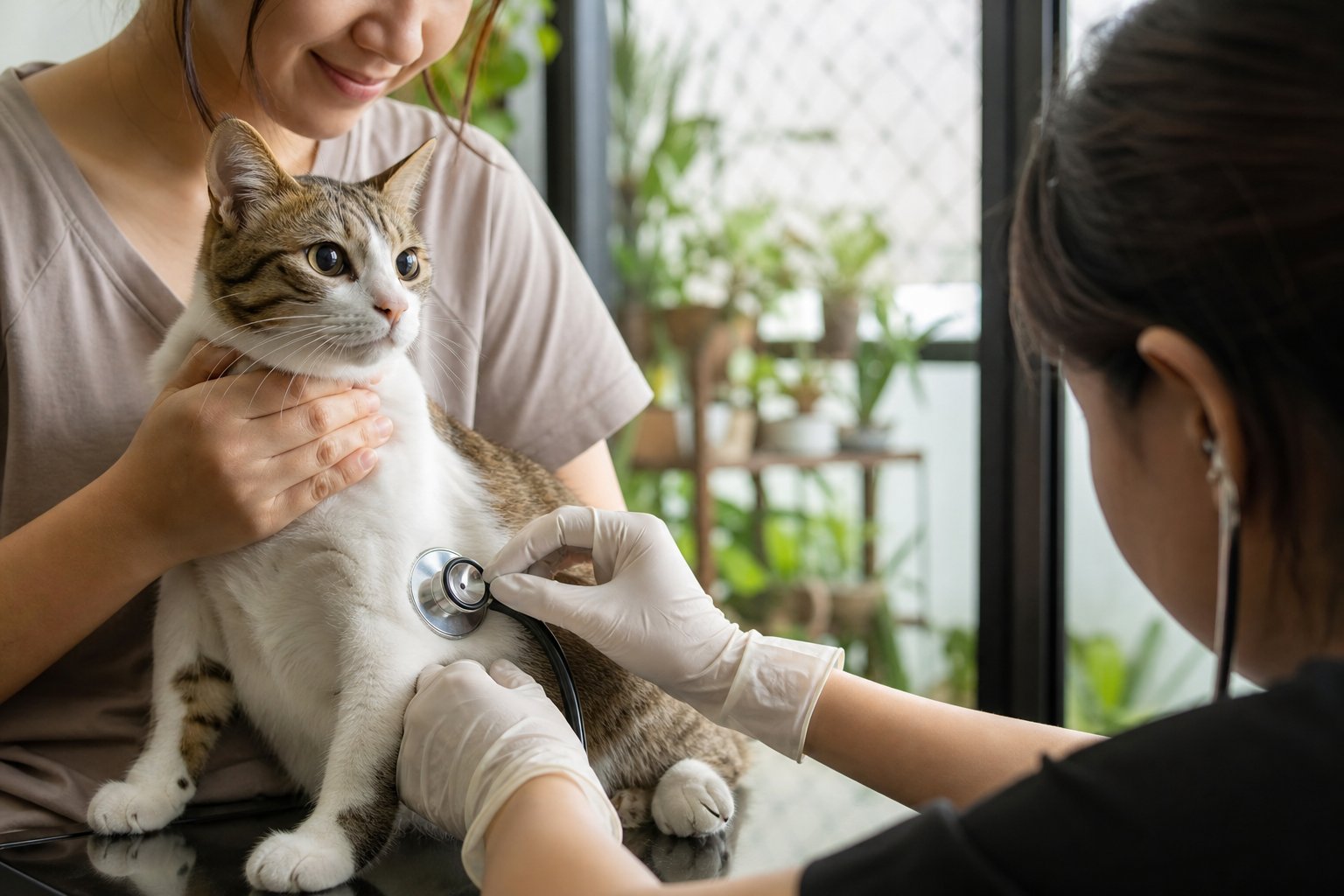
Understanding Kitten Development
Bringing a kitten into your home is an exciting time, but it comes with a steep learning curve. Kittens change rapidly in their first year, and understanding what to expect at each stage helps you provide the right care. This guide walks you through kitten development for cats in Malaysia, from the moment they are born to their first birthday. Whether you are in a Kuala Lumpur apartment or a Johor terrace house, the principles are the same, but local climate and lifestyle factors matter.
Why Kitten Development Matters
Kittens are not just small cats. Their bodies and brains are growing at an incredible rate, and what happens in the first few months can shape their health and behaviour for life. Proper nutrition, socialisation, and veterinary care during this window set the foundation for a happy, well-adjusted adult cat.
In Malaysia, kittens face specific challenges such as heat, humidity, and the risk of infectious diseases. Understanding developmental milestones helps you spot problems early and take action.
The Stages of Kitten Development
Kitten development is typically divided into several stages. Each stage has its own physical and behavioural characteristics. Below is a breakdown of what to expect.
Newborn Stage (0-2 Weeks)
At birth, kittens are completely dependent on their mother. Their eyes and ears are closed, and they cannot regulate their body temperature. They spend most of their time sleeping and nursing.
What you might see:
- Eyes closed, ears folded
- Crawling movements towards the mother
- Suckling reflex
- Weight gain of about 10-15 grams per day
Care tips:
- Keep the nesting area warm and draft-free. In Malaysia's air-conditioned homes, make sure the room is not too cold.
- Avoid handling excessively; gentle handling for short periods is okay.
- Ensure the mother cat has access to high-quality food and fresh water.
Transition Stage (2-4 Weeks)
Around two weeks, kittens' eyes begin to open, and their ears start to unfold. They become more mobile and start to explore their surroundings.
What you might see:
- Eyes open (blue at first, may change colour later)
- Ears open and start to stand up
- First wobbly steps
- Beginning to play with littermates
- Teeth start to emerge
Care tips:
- Provide a safe, confined area for exploration.
- Introduce gentle handling and grooming.
- Start offering a shallow litter tray; kittens may begin to use it.
Socialisation Stage (4-12 Weeks)
This is a critical period for behavioural development. Kittens learn social skills from their mother and littermates, and they become more confident and curious.
What you might see:
- Active play, chasing, pouncing
- Improved coordination
- Weaning begins around 4 weeks
- Fear responses start to develop around 8 weeks
Care tips:
- Gradually introduce new people, sounds, and environments in a positive way.
- Provide toys for play and scratching.
- Start gentle grooming and handling of paws, ears, and mouth.
- Begin house-training; most kittens can use a litter box by 6-8 weeks.
Juvenile Stage (3-6 Months)
Kittens in this stage are full of energy and curiosity. They grow rapidly and may start to test boundaries.
What you might see:
- Loss of baby teeth and emergence of adult teeth
- Increased independence
- Climbing and jumping
- Sexual maturity may begin in some breeds (as early as 4 months)
Care tips:
- Provide plenty of vertical space and scratching posts.
- Feed a balanced kitten diet; they need more calories than adults.
- Schedule vaccinations and discuss spaying/neutering with your vet.
- Continue socialisation and training.
Adolescent Stage (6-12 Months)
By now, your kitten looks like a small adult but still has some growing to do. Behaviour may become more challenging as they assert independence.
What you might see:
- Near-adult size
- Sexual maturity in most cats
- Increased territorial behaviour
- More settled sleep patterns
Care tips:
- Transition to adult cat food towards the end of this stage (around 10-12 months).
- Ensure regular veterinary check-ups.
- Provide mental stimulation to prevent boredom.
Physical Development Milestones
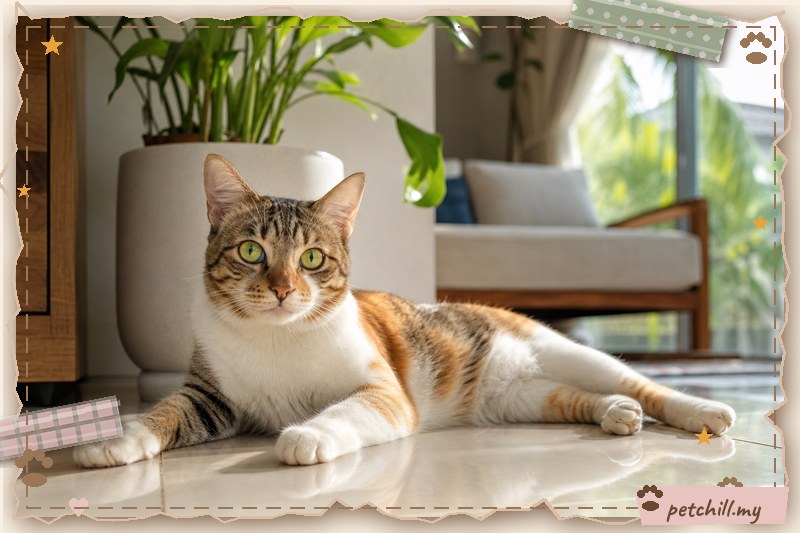
Tracking your kitten's physical development helps you ensure they are growing properly. Here are key milestones:
| Age | Weight (approx.) | Teeth | Eyes | Other |
|---|---|---|---|---|
| Birth | 90-110g | None | Closed | Fully dependent |
| 1 week | 150-200g | None | Closed | Ears folded |
| 2 weeks | 200-250g | None | Opening | Eyes blue |
| 3 weeks | 250-300g | Incisors emerging | Open | Walking |
| 4 weeks | 300-400g | Canines emerging | Vision improving | Playing |
| 6 weeks | 400-600g | All baby teeth | Full vision | Weaning |
| 8 weeks | 600-900g | Baby teeth | Adult eye colour may start | Ready for vaccination |
| 3 months | 1-1.5kg | Baby teeth | Adult eye colour | Active |
| 6 months | 2-3kg | Adult teeth emerging | Adult eye colour | Sexual maturity possible |
| 12 months | 3-5kg (varies) | Adult teeth | Adult eye colour | Adult size |
Note: Weights are approximate and vary by breed and individual. Consult your vet if you have concerns.
Nutritional Needs Through Development
Proper nutrition is the cornerstone of healthy kitten development. Kittens have different nutritional requirements than adult cats.
0-4 Weeks: Mother's Milk
If the mother is present, she provides all the necessary nutrition. If not, use a commercial kitten milk replacer. Never feed cow's milk as it can cause diarrhoea.
4-8 Weeks: Weaning
Start introducing softened kitten food (mixed with milk replacer or water) around 4 weeks. Gradually reduce the liquid and increase the solid food. By 8 weeks, kittens should be eating solid kitten food.
2-6 Months: High-Growth Phase
Feed a high-quality kitten formula that meets AAFCO or equivalent standards. Kittens need more protein, fat, and calories than adults. Free-feeding (leaving food out) is often recommended during this rapid growth phase, but monitor body condition.
6-12 Months: Transition to Adult Food
Around 10-12 months, gradually transition to adult cat food. Large breeds may stay on kitten food longer. Always provide fresh water.
Local tip: In Malaysia's hot climate, ensure food doesn't spoil. Wet food should be removed after 30 minutes if not eaten. Store dry food in an airtight container.
Socialisation and Behavioural Development
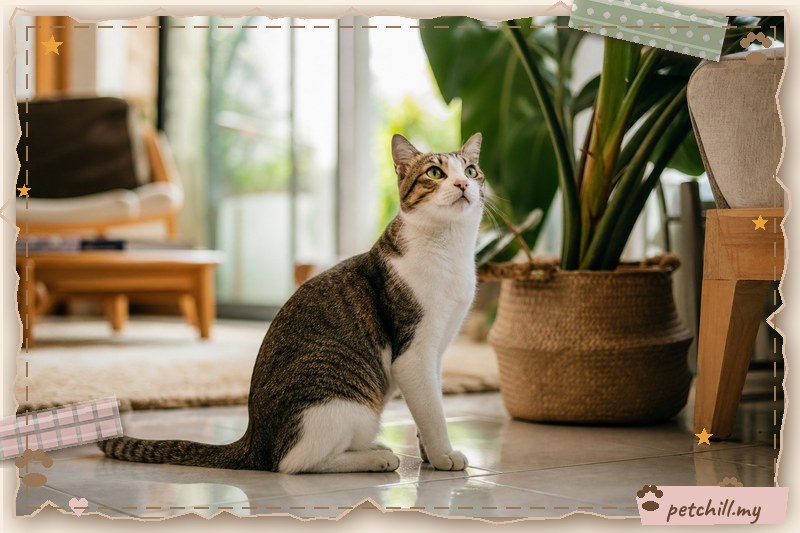
The socialisation window (2-7 weeks) is when kittens learn to interact with other cats and humans. Positive experiences during this time can prevent fear and aggression later.
How to Socialise Your Kitten
- Handle gently: Pick up your kitten for short periods, touching paws, ears, and mouth.
- Introduce new people: Invite friends over (after vaccinations) to meet the kitten.
- Expose to sounds: Play recordings of household noises, thunder, and traffic at low volume.
- Provide toys: Rotate toys to keep things interesting.
- Avoid overwhelming: Let the kitten retreat if they seem scared.
Common Behavioural Issues
- Scratching: Provide scratching posts and trim nails regularly.
- Biting: Redirect to toys; never use hands as toys.
- Fearfulness: Gradual desensitisation and counter-conditioning.
Health Care Schedule for Kittens
Regular veterinary care is essential. Here is a typical schedule (your vet may adjust based on your kitten's needs):
| Age | Procedures |
|---|---|
| 6-8 weeks | First vaccination (FVRCP), deworming, flea/tick prevention |
| 10-12 weeks | Second vaccination, deworming |
| 14-16 weeks | Third vaccination, rabies (if required) |
| 4-6 months | Spay/neuter discussion, microchipping |
| 6-12 months | Annual health check, booster vaccinations |
Note: In Malaysia, rabies vaccination may be required for travel or certain areas. Consult your vet.
Parasite Control
Kittens are vulnerable to fleas, ticks, and intestinal worms. Use kitten-safe products as advised by your vet. In Malaysia's humid climate, fleas can be a year-round problem.
Common Health Issues
- Feline panleukopenia: Highly contagious and often fatal; vaccination is key.
- Upper respiratory infections: Common in shelters; watch for sneezing and discharge.
- Diarrhoea: Can be caused by diet changes, parasites, or infections.
- Fleas: Can cause anaemia in young kittens.
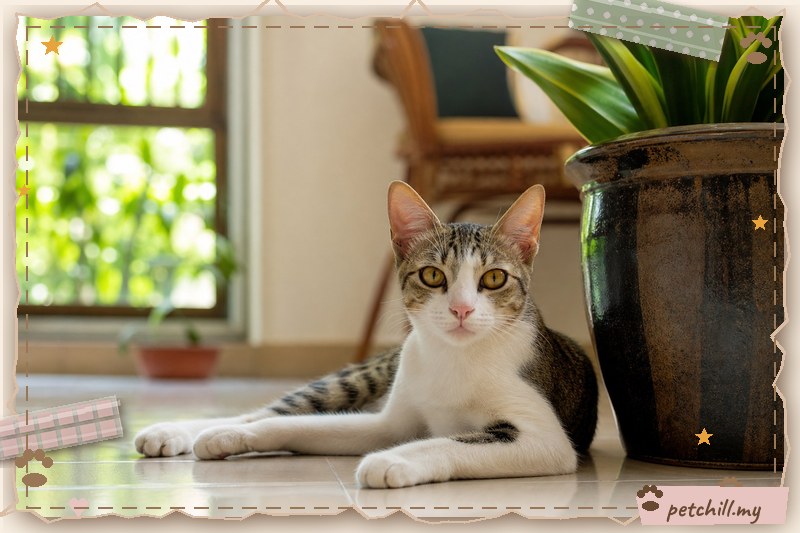
Creating a Kitten-Friendly Home in Malaysia
Malaysian homes vary from high-rise apartments to landed houses. Here are some considerations:
Apartment Living
- Safety: Ensure windows and balconies are secured with mesh or screens. High-rise syndrome is a real risk.
- Space: Provide vertical space with cat trees and shelves.
- Noise: Apartments may have noise restrictions; choose quiet toys.
Landed Houses
- Outdoor access: If you have a garden, ensure it is escape-proof. Consider a catio.
- Heat: Provide shade and fresh water outdoors.
- Parasites: Outdoor access increases exposure to fleas and ticks.
Climate Considerations
- Heat: Malaysian heat can cause overheating in kittens. Provide cool, shaded areas and never leave a kitten in a car.
- Humidity: High humidity can lead to skin issues; keep bedding dry and clean.
- Rainy season: Ensure your kitten has a dry, warm spot during thunderstorms.
Training and Enrichment
Kittens are learning machines. Start training early using positive reinforcement.
Litter Training
Most kittens learn by watching their mother. Place them in the litter box after meals and naps. Use a litter box with low sides for easy access. Avoid scented litter.
Clicker Training
You can teach basic cues like sit, come, and high-five. Keep sessions short (5 minutes) and fun.
Enrichment Ideas
- Puzzle feeders
- Wand toys
- Cardboard boxes
- Cat grass (safe for cats)
- Window perches for bird-watching
When to See a Vet
Seek veterinary attention if you notice any of the following:
- Poor weight gain or weight loss
- Diarrhoea or vomiting that lasts more than 24 hours
- Lethargy or weakness
- Difficulty breathing
- Not eating for more than 12 hours
- Discharge from eyes or nose
- Fleas or ticks (especially in young kittens)
- Straining to urinate or defecate
- Any signs of pain or distress
Regular check-ups are also important even if your kitten seems healthy.
Conclusion
Raising a kitten is a rewarding journey. By understanding the stages of kitten development, you can provide the care and support your kitten needs to thrive. Remember that every kitten is an individual, and some may reach milestones at slightly different times. When in doubt, consult your veterinarian.
This article is for informational purposes only and does not replace professional veterinary advice. Always consult a licensed veterinarian for health concerns.
Related reading
- Kitten Deworming for Kittens: A Complete Malaysian Guide
- Kitten Deworming in Malaysia: A Complete Guide for New Cat Owners
- Kitten Flea Treatment: A Complete Guide for Malaysian Owners
- Kitten Fleas in Malaysia: Safe Treatment for Tiny Cats
- Kitten Teething for Kittens: A Complete Guide for Malaysian Owners
- Kitten Vaccination for Cat Owners: A Complete Malaysian Guide
- Nursing Cat Nutrition for Cat Owners: A Complete Malaysian Guide
- Cat Birth for Cat Owners: A Complete Guide to Labour, Delivery and Newborn Kittens
- Kitten Diarrhea: A Practical Guide for Malaysian Cat Owners



