
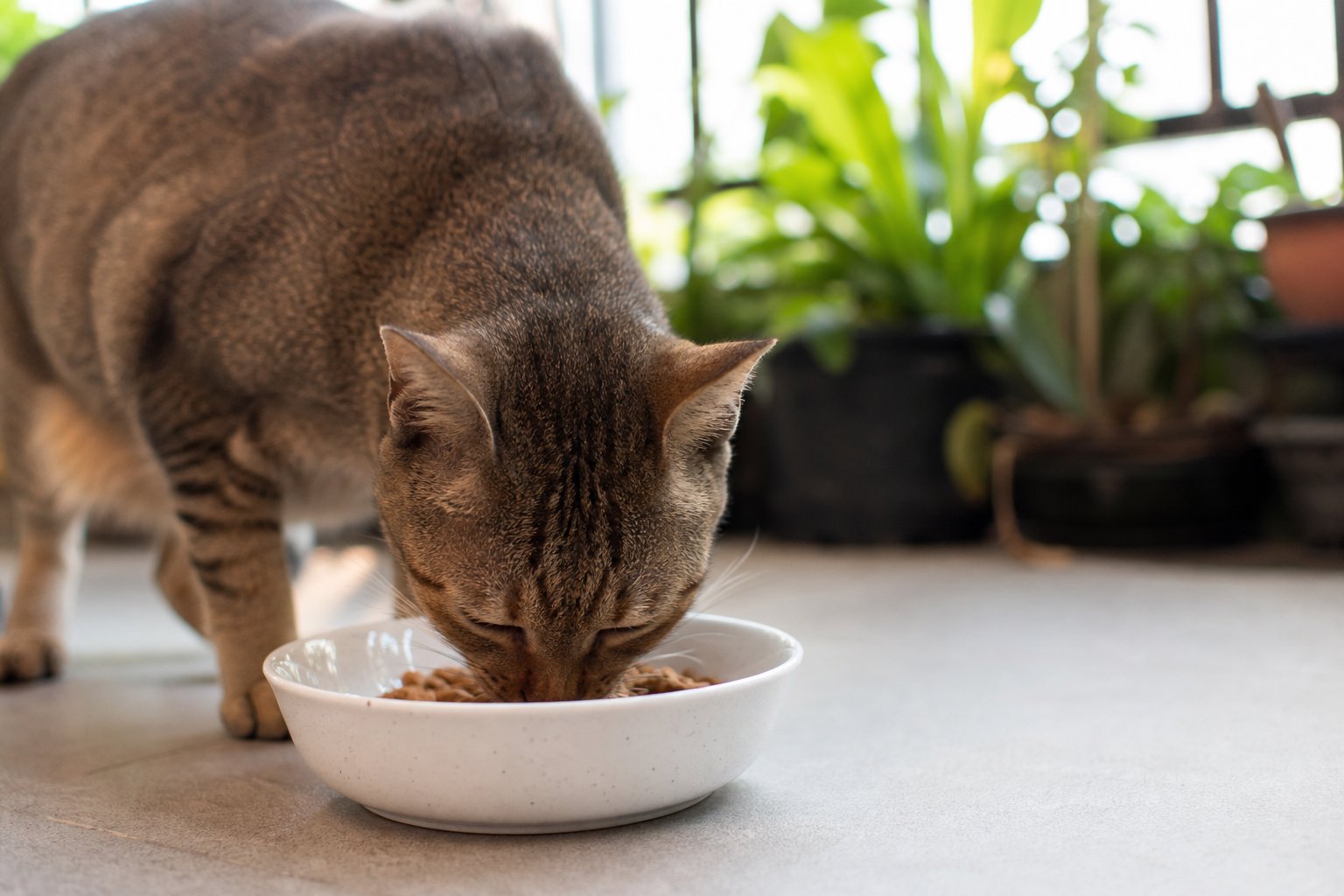
What weaning means and why timing matters
Weaning is the process of moving a kitten from mother's milk to solid food. It is not a single event but a gradual transition that usually spans about four weeks. Getting the timing right protects a kitten's digestive system, supports steady growth, and reduces stress for both the kitten and the queen (mother cat).
In Malaysia's warm, humid climate, weaning also has practical hygiene and hydration dimensions. Milk residue and moist food spoil faster in the heat, and kittens can become dehydrated quickly if water is not available or is dirty. This guide explains when to start, what to feed, how to structure meals, how to troubleshoot common problems, and when to involve a veterinarian.
When to start weaning kittens
Most kittens are ready to begin weaning at around 4 weeks of age. Signs of readiness include:
- Teeth beginning to erupt, especially the incisors and canines.
- Eyes fully open and able to focus on food.
- Ability to lap liquid from a shallow dish.
- Increased interest in the mother's food.
- The queen starting to spend less time nursing or moving away during feeds.
By 7–8 weeks, most kittens can eat solid food without milk replacer. The full transition should be complete before the kitten goes to a new home, which is typically around 8–12 weeks.
If the queen is ill, has a low milk supply, or rejects the kittens, weaning may need to start earlier under veterinary guidance. Never start solid food before 3 weeks without advice, because very young kittens cannot digest it well.
The weaning timeline at a glance
| Age | What to offer | Meals per day | Key notes |
|---|---|---|---|
| 0–3 weeks | Queen's milk or kitten milk replacer only | On demand | Do not offer solids; keep kittens warm |
| 3–4 weeks | Introduce shallow dish of milk replacer | 4–5 | Let kittens lap; no solid food yet |
| 4–5 weeks | Gruel: milk replacer mixed with kitten food | 4–5 | Warm, smooth, soupy texture |
| 5–6 weeks | Thicker gruel, less liquid | 4 | Gradually increase solid proportion |
| 6–7 weeks | Softened kitten food, then dry kibble | 3–4 | Offer fresh water alongside |
| 7–8 weeks | Dry kitten food and water | 3 | Weaning complete for most kittens |
| 8 weeks–6 months | Kitten food | 3 | Follow label feeding guides and body condition |
This table is a general guide. Individual kittens vary, and a veterinarian can adjust the plan for orphans, runts, or kittens with health issues.
Choosing the right food
Kitten milk replacer
If the queen cannot nurse or you are supplementing, use a commercial kitten milk replacer formulated for cats. These products are designed to approximate queen's milk. Avoid cow's milk, goat's milk, or homemade formulas unless a veterinarian specifically advises them, as they can cause diarrhoea and do not provide balanced nutrition.
Prepare milk replacer according to the label. In Malaysia's heat, mix only what you need for one meal, discard leftovers, and refrigerate opened liquid as directed. Never leave prepared milk at room temperature for long periods.
Kitten food
Choose a complete and balanced food labelled for kittens or for growth. Kitten formulas are higher in protein, fat, and certain nutrients than adult maintenance diets. You can use wet food, dry kibble, or a mix. For weaning, wet food or softened dry food is easier for small mouths.
To make gruel, mix kitten food with warm milk replacer until it reaches a soupy, oatmeal-like consistency. As the kitten adapts, reduce the liquid and increase the solid portion.
Water
Offer fresh water in a shallow bowl from about 4 weeks. Kittens may play with or spill water, so use a stable bowl and refill it often. In hot Malaysian weather, water intake matters, and dirty bowls can harbour bacteria. Wash bowls daily.
Step-by-step weaning plan
Step 1: Prepare the space
Set up a quiet, warm, easy-to-clean area. Use shallow plates or saucers rather than deep bowls so kittens can reach the food. Place a water bowl nearby but not directly next to the food to reduce spills and mess. Keep the area away from draughts and direct sun.
Step 2: Introduce the dish
At around 4 weeks, offer a shallow dish of warm milk replacer. Let the kittens investigate. Some will lap immediately; others may walk through the dish or ignore it. Be patient and offer it several times a day.
Step 3: Add food gradually
Once kittens lap reliably, mix a small amount of kitten food into the milk replacer. Start with a thin gruel. Over several days, increase the food and reduce the liquid. Warm the gruel slightly to enhance aroma, but test the temperature on your wrist to avoid burns.
Step 4: Reduce milk replacer
By 6–7 weeks, most kittens can eat softened kitten food with little or no milk replacer. Offer small pieces of wet food and gradually introduce dry kibble. Some kittens prefer dry food softened with a little warm water at first.
Step 5: Transition to dry food and water
By 7–8 weeks, kittens should be eating kitten food and drinking water. Keep meals small and frequent. Monitor body condition and weight gain. A kitchen scale can help you track progress; weigh kittens at the same time each day if you are concerned.
Feeding schedule and portion control
Young kittens have small stomachs and high energy needs, so they need frequent meals. A typical schedule:
- 4–6 weeks: 4–5 small meals daily.
- 6–8 weeks: 3–4 meals daily.
- 8 weeks–6 months: 3 meals daily.
- After 6 months: 2 meals daily, following the food label and body condition.
Follow the feeding guide on the food packaging as a starting point, then adjust based on the kitten's body condition. You should be able to feel the ribs easily but not see them sharply. A veterinarian or veterinary nurse can show you how to body condition score your kitten.
Hygiene in a humid climate
Malaysia's humidity encourages bacterial growth in moist food and milk. Practical steps:
- Remove uneaten wet food after about 20–30 minutes.
- Wash food and water bowls daily with hot, soapy water and rinse well.
- Discard any prepared milk replacer that has been out for more than an hour.
- Keep the weaning area dry; wipe up spills promptly.
- Wash your hands before and after handling kittens and food.
Common weaning problems and what to do
Diarrhoea
A sudden change in diet is a common cause. Transition slowly and avoid cow's milk. If diarrhoea is severe, lasts more than a day, or is accompanied by lethargy, vomiting, or blood, see a vet. Young kittens dehydrate quickly.
Refusing food
Try a warmer, smoother gruel, a different texture, or hand-feeding. Ensure the kitten is not ill. If refusal lasts more than 24 hours, seek veterinary advice.
Overeating or gulping
Some kittens eat too fast and vomit. Offer smaller meals more often and use a shallow plate to slow them down.
Weight loss or poor growth
Weigh the kitten regularly. Poor weight gain can indicate illness, parasites, or inadequate intake. A vet can check for worms and other issues.
Messy eaters
Weaning is messy. Use washable mats and be patient. Most kittens improve with practice.
Orphaned kittens and early weaning
If the queen is absent or unable to nurse, you will need to bottle-feed kitten milk replacer and then wean. Follow veterinary advice on feeding amounts and frequency. Orphaned kittens need warmth, stimulation to urinate and defecate, and close monitoring. Weaning an orphan may start around the same age but requires extra care with hygiene and temperature.
When to see a vet
Contact a veterinarian if you notice any of the following:
- A kitten that will not eat for more than 24 hours.
- Diarrhoea lasting more than a day, or any diarrhoea with blood, vomiting, or lethargy.
- Weight loss or failure to gain weight.
- Pale gums, weakness, or difficulty breathing.
- Persistent crying or signs of pain.
- The queen has a fever, mastitis, or rejects the kittens.
A vet can also advise on deworming, vaccinations, and parasite control appropriate for your kitten's age and local risk.
Practical Malaysian contexts
In a Kuala Lumpur apartment, space may be limited, so set up a dedicated weaning corner away from air-conditioning draughts and direct sun. Use washable mats and keep food preparation on a clean kitchen counter. In a Johor terrace house, kittens may be kept in a utility area or enclosed porch; ensure the area is secure from stray cats and mosquitoes, and that food is not left out where ants or rodents can reach it. During Penang's rainy season, humidity rises, so pay extra attention to drying bowls and storing dry food in sealed containers.
Checklist for a smooth weaning
- Confirm kittens are around 4 weeks old and showing readiness signs.
- Buy kitten milk replacer and complete kitten food.
- Set up shallow plates, water bowl, and washable mats.
- Introduce milk replacer, then gruel, then solid food gradually.
- Offer 4–5 small meals daily at first.
- Provide fresh water and clean bowls daily.
- Monitor weight and body condition.
- Book a vet check for deworming and vaccination advice.
- Keep the area clean and dry in humid weather.
Final thoughts
Weaning is a gradual, practical process. With patience, appropriate food, and good hygiene, most kittens transition smoothly to solid food by 7–8 weeks. Malaysian owners should pay particular attention to heat, humidity, and hydration. When in doubt, ask a veterinarian for advice tailored to your kitten.
This article provides general information only and is not a substitute for veterinary advice. Always consult a licensed veterinarian for diagnosis and treatment of your kitten.
Related reading
- Kitten Care Guide Malaysia: 0–12 Month Feeding, Vaccination, Deworming & Growth Timeline
- Kitten Development for Cat Owners: A Complete Malaysian Guide
- Kitten Vomiting: A Complete Guide for Malaysian Cat Owners
- Kitten Weaning for Cat Owners: A Complete Guide (Malaysia)
- Nursing Cat Nutrition in Malaysia: What to Feed a Mother Cat
- Best Kitten Food in Malaysia: A Practical Buying Guide (2026)
- Kitten Development for Cats in Malaysia: A Stage-by-Stage Guide
- Kitten Diarrhea: A Practical Guide for Malaysian Cat Owners
- Kitten Feeding Amounts: A Complete Guide for Malaysian Owners



