
Quick answer
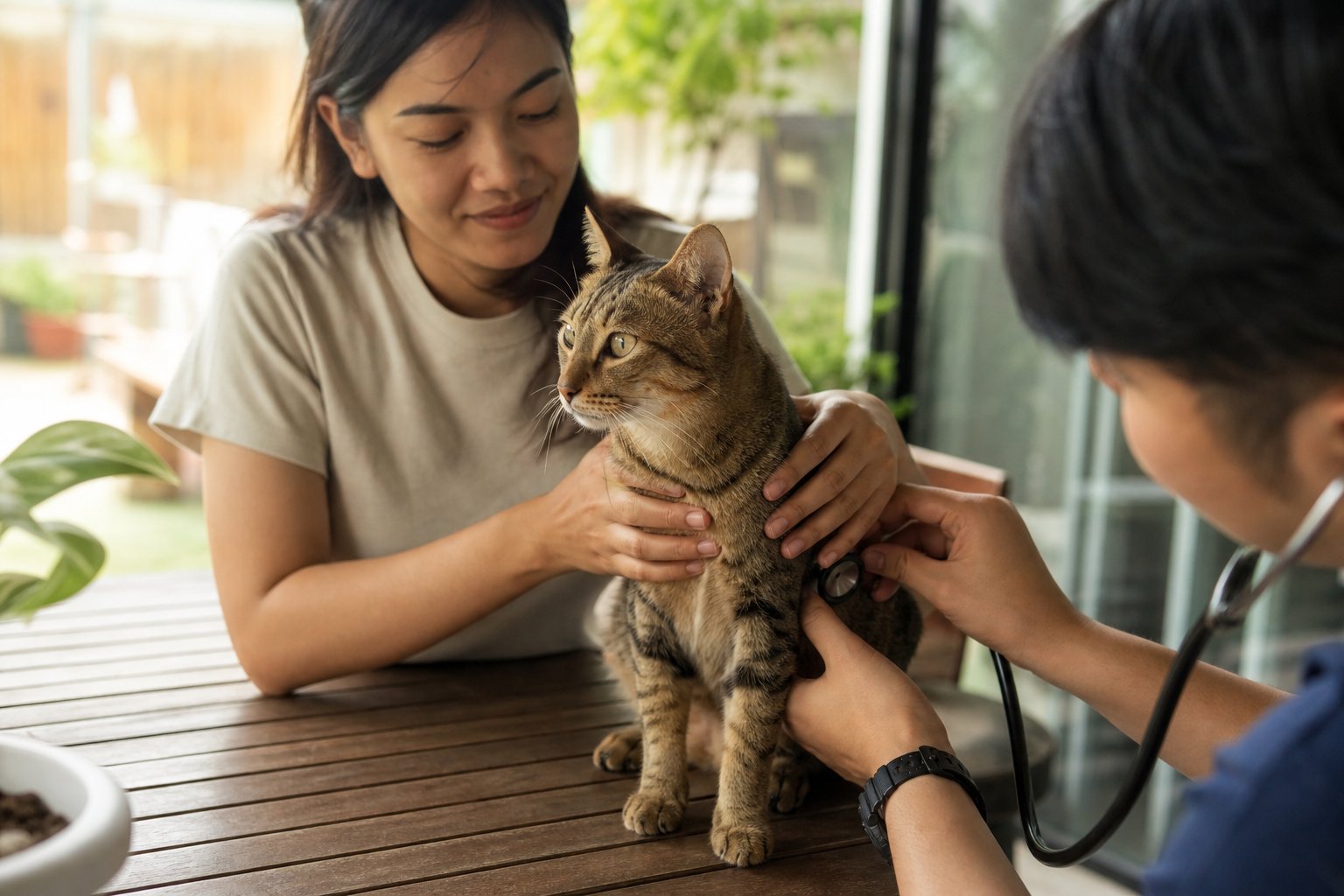
Kitten diarrhea is loose or watery stool in a young cat. It is common, but it deserves attention because kittens have small bodies and can dehydrate quickly. Most cases in Malaysia are linked to diet changes, parasites, stress or infections. Mild cases may settle with supportive care, but young kittens, bloody stool, vomiting or lethargy need a vet promptly.
Why kitten diarrhea is different from adult cat diarrhea
Kittens are not miniature adult cats. Their bodies have less reserve, their immune systems are still developing, and their kidneys and gut are more vulnerable to fluid loss. A bout of diarrhea that an adult cat might shrug off can weaken a kitten within hours.
That is why the first question is not only "what caused it?" but "how is the kitten doing right now?" A bright, playful kitten with one soft stool is very different from a quiet kitten with watery stool, vomiting and no appetite.
In Malaysian homes, kittens may face additional pressures: hot weather that increases fluid loss, air-conditioned rooms that dry out the air, multi-pet households, and sometimes inconsistent feeding routines. None of these directly cause diarrhea on their own, but they affect how quickly a kitten becomes dehydrated and how well it recovers.
Common causes of diarrhea in kittens
Diet changes and food intolerance
A sudden switch from one food to another is one of the most common triggers. Kittens have sensitive guts, and changing brands, textures or feeding times abruptly can produce loose stool. Cow's milk is another frequent culprit; many kittens and cats do not digest lactose well.
Overfeeding, rich treats, or scavenging can also upset the gut. In Malaysia, kittens in households with children may be offered human food, which often contains too much fat, salt or dairy.
Parasites
Intestinal parasites are a major cause of kitten diarrhea. Roundworms, hookworms, giardia and coccidia are commonly considered in young kittens. Parasites can be picked up from the mother, from contaminated soil, or from shared litter areas.
A vet can examine a stool sample and recommend appropriate treatment. Do not guess deworming doses, especially in very small kittens.
Infections
Viral infections such as feline panleukopenia and feline coronavirus can cause diarrhea, often with other signs like vomiting, fever or lethargy. Bacterial overgrowth or infections may also play a role. These cases need veterinary assessment; they are not suitable for home treatment alone.
Stress
Stress is often underestimated. Moving to a new home, separation from the mother or littermates, travel, loud noises, or a new pet can all affect a kitten's gut. Stress-related diarrhea is usually mild but should still be monitored.
Other causes
Less common causes include inflammatory bowel disease, food allergies, toxin exposure, and anatomical problems. These usually require veterinary investigation.
How to assess severity at home
Before deciding what to do, look at the whole kitten, not just the stool.
| Sign | What it may mean | Urgency |
|---|---|---|
| One or two soft stools, kitten playful and eating | Mild dietary upset or stress | Monitor closely for 24 hours |
| Watery stool, kitten still drinking but quieter | Possible dehydration risk | Contact vet if not improving within 24 hours |
| Bloody or black stool | Possible serious infection or injury | See vet promptly |
| Vomiting plus diarrhea | Higher dehydration risk | See vet promptly |
| Refuses food, weak, cold gums | Serious illness | Emergency vet visit |
| Sunken eyes, skin stays tented | Dehydration | Emergency vet visit |
A simple hydration check: gently lift the skin at the back of the neck. If it springs back quickly, hydration is likely okay. If it stays tented or returns slowly, the kitten may be dehydrated. This is a rough guide only; a vet can assess more accurately.
Also check the gums. They should be pink and moist. Pale, white, blue or dry gums are warning signs.
Safe home care for mild cases
If the kitten is bright, eating, drinking and has no other signs, you can try supportive care for a short period.
Keep water available
Fresh water should always be available. Some kittens prefer running water or a shallow bowl. Avoid giving cow's milk, which can worsen diarrhea.
Feed small, frequent meals
Offer the kitten's usual food in small amounts more often. If you suspect a dietary trigger, a vet may suggest a bland, easily digestible kitten-safe option. Do not starve a kitten; young kittens need regular energy.
Avoid sudden changes
If you need to change food, do it gradually over several days, mixing increasing amounts of the new food with the old.
Maintain hygiene
Clean food and water bowls daily. Scoop litter at least once a day, and more often if there are multiple cats. Wash your hands after handling the kitten or cleaning litter.
Reduce stress
Keep the kitten in a quiet, warm area with access to a litter tray, food and water. Avoid unnecessary handling and loud noises.
Do not use human medicine
Never give human anti-diarrheal medication, antibiotics or painkillers without veterinary advice. Some human medicines are toxic to cats.
When to see a vet
See a vet promptly if any of the following apply:
- The kitten is under 12 weeks old and has watery diarrhea.
- There is blood or black material in the stool.
- The kitten is vomiting repeatedly.
- The kitten refuses food or water.
- The kitten seems weak, lethargic or unusually quiet.
- The gums are pale, cold or dry.
- The kitten has sunken eyes or skin that does not spring back.
- Diarrhea lasts more than 48 hours or is getting worse.
- You suspect parasites or have not followed a deworming plan.
- Other pets in the home are also unwell.
Young kittens can deteriorate quickly. When in doubt, it is safer to have a vet assess the kitten.
Hygiene and prevention in Malaysian homes
Apartments and high-rise living
In a Kuala Lumpur apartment, space is limited and litter trays may be close to food bowls. Keep them separated. Clean litter frequently, and make sure the kitten has a quiet place to retreat. Shared corridors and lifts mean more opportunities for exposure to other animals, so keep vaccinations and deworming up to date.
Terrace houses and outdoor access
In a Johor terrace house, kittens may have access to a garden or car porch. Soil can harbour parasites, so prevent scavenging and wash hands after gardening or handling the kitten. Keep the kitten indoors until it is fully vaccinated and dewormed according to your vet's plan.
Rainy season and humidity
Penang's rainy season can increase dampness in homes. Keep bedding dry, clean litter trays promptly, and watch for signs of stress or illness during weather changes. Humidity itself does not cause diarrhea, but poor hygiene and damp conditions can support parasite survival.
Multi-pet households
If you have other cats, isolate a kitten with diarrhea until a vet has assessed it. Use separate bowls and litter trays where possible, and wash hands between handling animals.
Feeding tips for sensitive kitten guts
- Choose a complete kitten food and stick to it.
- Introduce new foods gradually over 5 to 7 days.
- Avoid cow's milk, rich treats and table scraps.
- Feed small meals at regular times.
- Keep food fresh; discard leftovers promptly in Malaysia's warm climate.
- Ensure fresh water is always available.
If diarrhea recurs with a particular food, discuss it with your vet. Food allergies and intolerances exist in cats, though they are less common than dietary upset.
Deworming and vaccination
Follow a vet-guided schedule. Deworming is often recommended for kittens at regular intervals, and vaccinations protect against serious viral diseases. Do not rely on guesswork or internet schedules; your vet will tailor the plan to the kitten's age, weight and lifestyle.
What to bring to the vet
- A fresh stool sample if possible.
- A note of when diarrhea started and how often.
- What the kitten has been eating.
- Any vomiting, lethargy or appetite changes.
- Whether other pets are unwell.
- Any medications or supplements given.
Comparison: home monitoring vs vet visit
| Situation | Home monitoring | Vet visit |
|---|---|---|
| One soft stool, kitten playful | Reasonable for 24 hours | If not improving |
| Watery stool, kitten quiet | Not ideal | Recommended |
| Blood in stool | No | Promptly |
| Vomiting plus diarrhea | No | Promptly |
| Kitten under 12 weeks with diarrhea | Only if very mild and kitten bright | Recommended if any doubt |
| Diarrhea over 48 hours | No | Recommended |
Final thoughts
Kitten diarrhea is common, but it is not something to ignore. The key is to assess the whole kitten, act quickly if there are warning signs, and avoid human medicines. With good hygiene, gradual diet changes and vet-guided preventive care, many kittens recover well.
This article is general information only and is not a substitute for veterinary advice. If your kitten is unwell, consult a licensed veterinarian in Malaysia.
Related reading
- Kitten Care Guide Malaysia: 0–12 Month Feeding, Vaccination, Deworming & Growth Timeline
- Kitten Development for Cat Owners: A Complete Malaysian Guide
- Kitten Feeding Amounts: A Complete Guide for Malaysian Owners
- Kitten Feeding Amounts in Malaysia: How Much to Feed a Kitten at Every Stage
- Kitten Feeding Schedule Malaysia: Meals per Day and Grams by Weight
- Kitten Vomiting: A Complete Guide for Malaysian Cat Owners
- Kitten Weaning for Cat Owners: A Complete Guide (Malaysia)
- Kitten Weaning for Cats in Malaysia: A Complete Step-by-Step Guide



