
The short answer
Kittens sleep a lot, and that is normal. In their first weeks they may sleep around 18 to 20 hours a day. By two to four months, most settle at roughly 16 to 18 hours. As they approach adulthood, sleep drops to about 12 to 16 hours. Sleep arrives in short bursts, usually after play, meals and exploration.
What matters for Malaysian owners is not forcing a number, but knowing what normal looks like, setting up a safe sleep spot, and spotting the signs that mean a vet visit.
Why kittens sleep so much
Sleep is not idle time. For a kitten it is growth time. During deep sleep, growth hormone is released, tissue is repaired and the immune system develops. Kittens also process new experiences during sleep, which is one reason a busy day of play is often followed by a long nap.
The first months are a period of rapid growth. A kitten's body is building bone, muscle and brain connections at a pace that slows dramatically in adulthood. That demand explains why a young kitten can fall asleep mid-step, then wake minutes later ready to play again.
Sleep also helps regulate body temperature and conserve energy. Very young kittens have limited ability to control their own body heat, so they tire quickly and need frequent rest in a warm, draught-free spot.
How kitten sleep changes with age
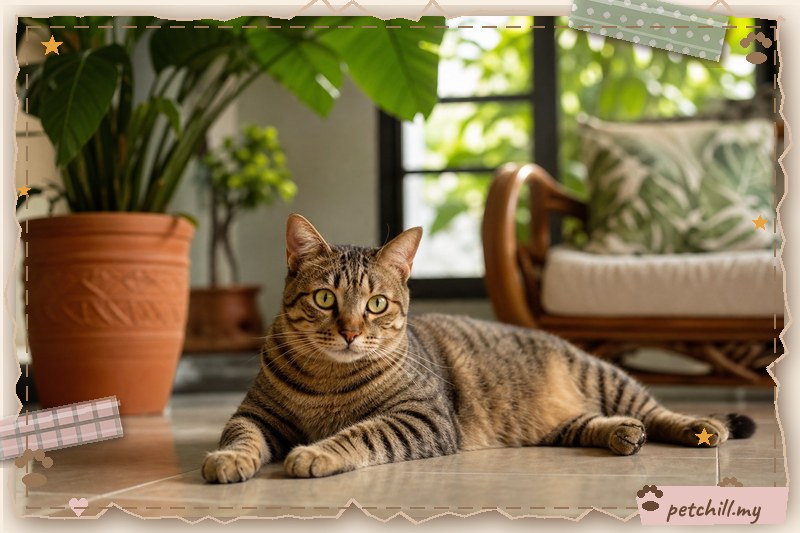
Sleep needs shift quickly in the first year. The table below is a practical guide, not a strict rule. Individual kittens vary, and a vet's advice for a specific kitten always comes first.
| Age | Typical total sleep per day | Sleep pattern | What owners may notice |
|---|---|---|---|
| 0 to 3 weeks | 18 to 20 hours | Short bursts, waking to feed and be warmed | Very dependent on mother or carer; needs warmth |
| 3 to 8 weeks | 18 to 20 hours | Bursts of play and feeding between naps | Starts to explore, tires fast |
| 2 to 4 months | 16 to 18 hours | Longer play sessions, then deep naps | Peak playful energy, night activity common |
| 4 to 6 months | 14 to 18 hours | More settled routine | Teething and growth spurts may increase sleep |
| 6 to 12 months | 12 to 16 hours | Closer to adult pattern | Fewer naps, longer awake periods |
| Adult | 12 to 16 hours | Dawn and dusk activity | More predictable routine |
A kitten that sleeps slightly more or less than the table is not automatically a problem. Look at the whole picture: appetite, weight gain, play, toileting and responsiveness.
Normal kitten sleep patterns
Kittens do not sleep in one long block. They cycle through short periods of deep sleep and lighter sleep, often twitching, paddling or making small sounds. These movements are usually normal and are not a sign of distress.
Most kittens follow a rhythm: play, eat, groom, sleep, repeat. This is why an energetic play session is one of the best tools for settling a kitten before bedtime. Tired kittens sleep more deeply and wake less often.
Cats are crepuscular, meaning they are most active around dawn and dusk. Kittens often have bursts of energy at night, sometimes called night zoomies. This is normal behaviour, not a sign of illness, and it usually softens as the kitten matures and the daily routine becomes predictable.
Setting up a safe sleep spot in a Malaysian home
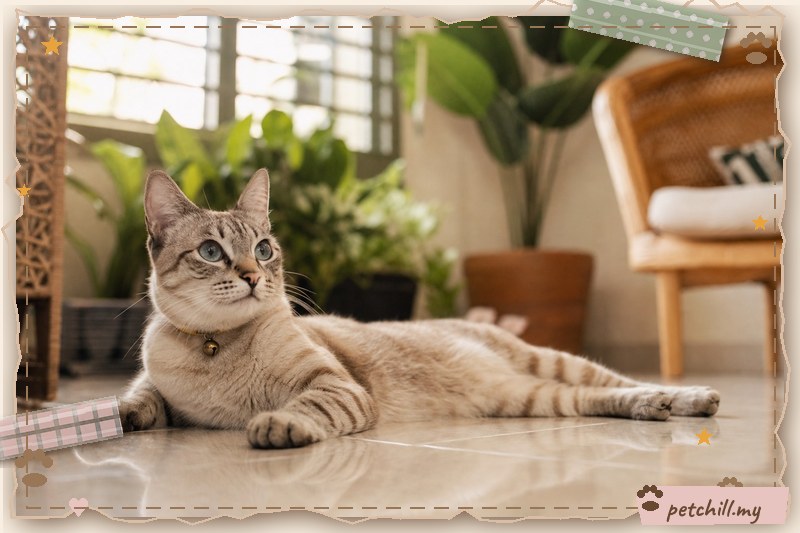
Malaysia's warm, humid climate and common home layouts shape how you set up a kitten's sleep area. The goal is a quiet, safe, draught-free place that stays comfortable through the day.
- Choose a consistent spot. A corner of a quiet room, a secure pen or a covered crate works well. Consistency helps the kitten learn when and where to settle.
- Avoid direct sun and hot rooms. Afternoon sun through a window can make a small bed uncomfortably hot. Offer a cooler alternative nearby.
- Watch air-conditioning and fans. Cold air blowing directly on a young kitten can chill it. Place the bed out of the direct airflow.
- Provide warmth for very young kittens. A soft bed with a low-sided box and a warm (not hot) heat source wrapped in a towel can help kittens under a few weeks old. Always leave room for the kitten to move away.
- Keep the area safe. Remove loose strings, small swallowable objects and dangling cords. Avoid beds with loose blankets for newborns, as they can trap or smother a very small kitten.
- Place water nearby. A shallow bowl of fresh water close to the sleep area helps, especially in warm weather.
- Keep the litter tray accessible. A kitten should not have to travel far at night to reach the tray.
In a Kuala Lumpur apartment, space is often tight. A secure pen in a quiet corner, away from the balcony door and the kitchen, can work well. In a Johor terrace house, a ground-floor room away from the front gate and busy road reduces night-time disturbance and stress.
Daytime naps and the family routine
Kittens nap often during the day, and those naps are not optional. A kitten that is constantly picked up, passed around or woken for play can become overtired, cranky and more prone to nipping.
Teach children to leave a sleeping kitten alone. A simple rule works well: if the kitten is asleep, it is resting, not playing. Provide a quiet room or pen the kitten can retreat to when the household is busy.
During festive periods, when homes are fuller and noisier, a calm back room can make a real difference. A kitten that has a reliable quiet spot is less likely to hide in unsafe places or become stressed.
Night-time routine that actually works
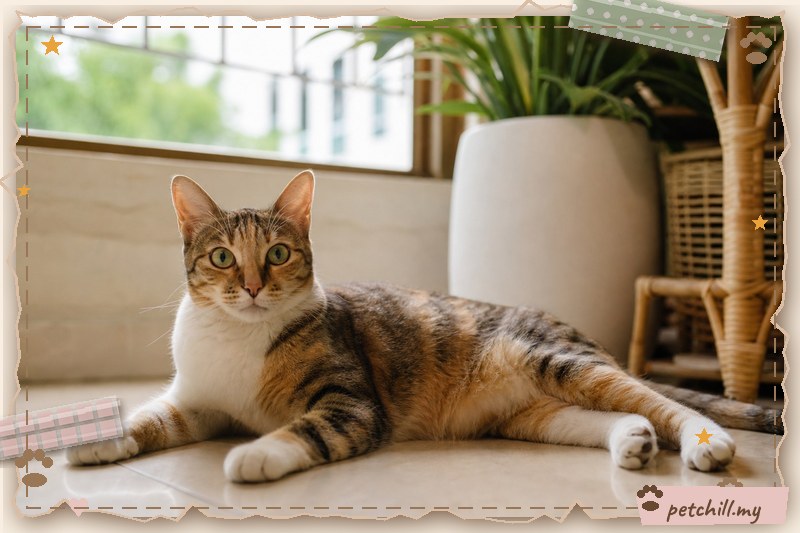
A predictable evening routine helps kittens settle and reduces night activity over time.
- Active play in the early evening. Use wand toys, balls or chase games for 10 to 15 minutes. Let the kitten stalk, pounce and tire itself out.
- A meal before bed. A small meal after play mimics the natural hunt-eat-groom-sleep cycle.
- Grooming and quiet time. A gentle brush or a calm cuddle helps the kitten wind down.
- Settle in the sleep spot. Place the kitten in its bed at roughly the same time each night.
- Ignore demanding behaviour. If the kitten cries for attention at night, avoid rewarding it with play or food. Respond calmly and consistently.
This routine will not work perfectly every night, especially with a very young kitten. Consistency over weeks is what matters.
Sleep and health: what to watch for
Sleep changes can be an early sign of illness. A kitten that suddenly sleeps far more than usual, is hard to wake, or stops eating needs attention.
Watch for these signs:
- Difficulty waking or unusual lethargy
- Refusing food or skipping meals
- Feeling cold to the touch
- Fast, noisy or laboured breathing
- Vomiting or diarrhoea
- Sudden withdrawal or hiding
- Weight loss or failure to gain weight
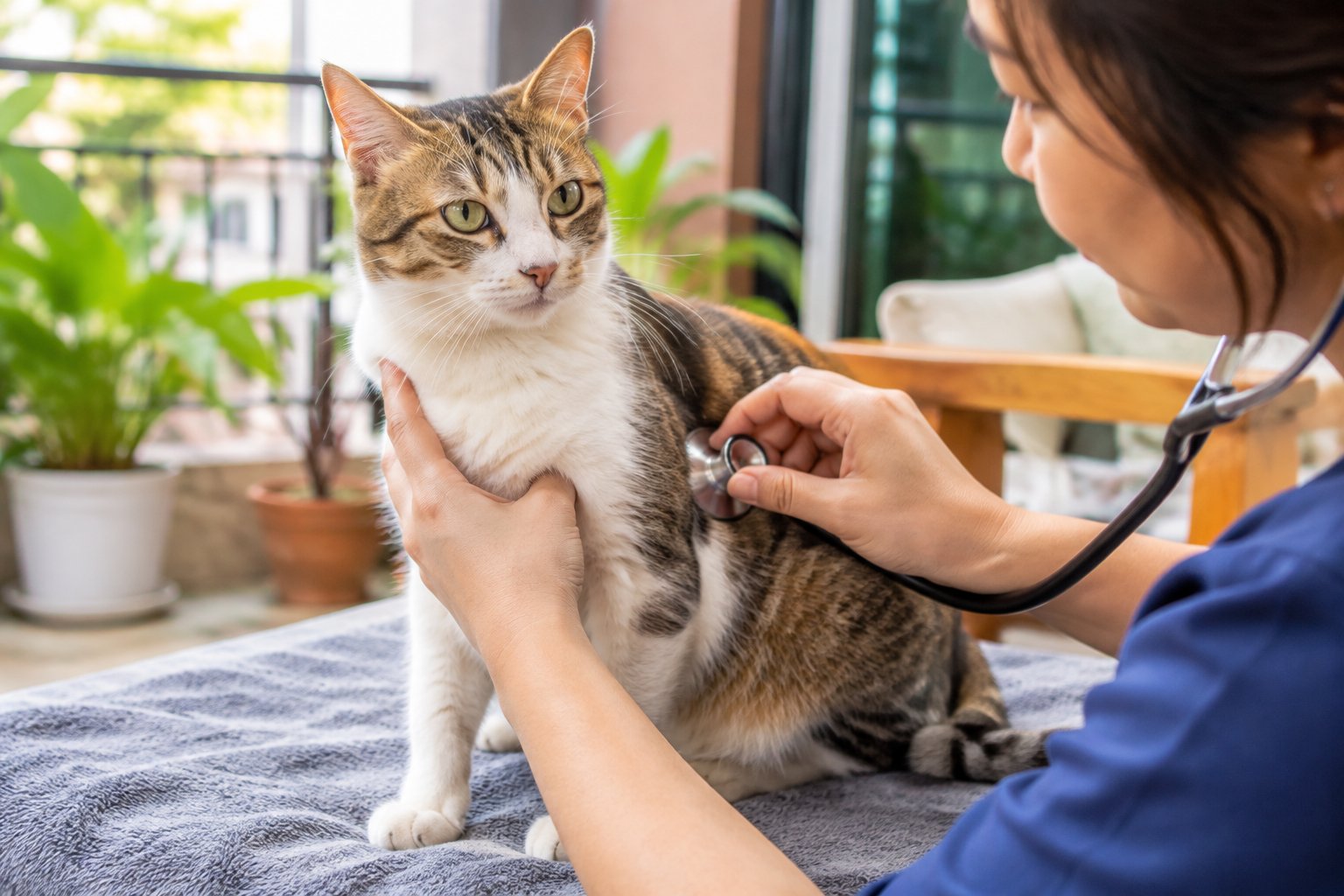
Very young kittens can deteriorate quickly. If you are unsure, contact a vet rather than waiting.
Common myths about kitten sleep
Myth: Kittens should sleep through the night from the start. Most do not. Night activity is normal in young kittens and usually reduces with age and routine.
Myth: A sleeping kitten is a lazy kitten. Sleep is essential for growth. A kitten that sleeps a lot but plays and eats well is usually healthy.
Myth: You should always wake a kitten to play. Let sleeping kittens rest. Waking them repeatedly can lead to overtired, nippy behaviour.
Myth: All kittens need the same amount of sleep. Individual variation is normal. Age, health, temperature and activity levels all affect sleep.
When to see a vet
Contact a veterinarian if your kitten:
- Is difficult to wake or seems unusually weak
- Refuses food or water
- Feels cold, especially a young kitten
- Breathes fast, noisily or with effort
- Has vomiting, diarrhoea or signs of dehydration
- Shows sudden behaviour changes such as hiding or withdrawal
- Is not gaining weight or is losing weight
- Has not been vaccinated or checked since you got it
For very young kittens, these signs can worsen within hours. Do not delay seeking advice.
A quick checklist for Malaysian owners
- Set up a quiet, draught-free sleep spot away from direct sun and air-conditioning airflow
- Keep the sleep area consistent
- Provide active play before bedtime
- Feed a small meal before sleep
- Keep water and a litter tray nearby
- Teach children to leave sleeping kittens alone
- Watch for changes in sleep, appetite and energy
- Book a vet check for a new kitten
Final thoughts
Kitten sleep needs are simple in principle: young kittens sleep a lot, and that sleep is essential for growth and health. In a Malaysian home, the practical work is setting up a safe, comfortable sleep spot, building a predictable routine and knowing when sleepiness is a warning sign rather than normal behaviour.
If you are ever unsure about your kitten's sleep or health, ask a veterinarian. Local prices and services vary, so check with your own vet or pet retailer for advice specific to your kitten.
This article is general information only and is not a substitute for veterinary advice. Always consult a licensed veterinarian about your kitten's health.
Related reading
- Kitten Care Guide Malaysia: 0–12 Month Feeding, Vaccination, Deworming & Growth Timeline
- Kitten Grooming for Kittens: A Complete Guide for Malaysian Owners
- Kitten Weight Chart in Malaysia: Healthy Growth Week by Week
- Kitten Feeding Amounts: A Complete Guide for Malaysian Owners
- Kitten Flea Treatment in Kittens Malaysia: Safe Options by Age
- Kitten Food Transition for Kittens: A Complete Malaysian Guide
- Kitten Food Transition in Kittens Malaysia: A Safe Step-by-Step Guide
- Kitten Grooming in Malaysia: A Complete Guide for New Cat Owners
- Kitten Litter Box Training: A Complete Guide for Malaysian Owners
- Kitten Play Biting in Kittens Malaysia: Why It Happens and How to Stop It



