
The short answer
Fleas are not a seasonal nuisance in Malaysia; warm, humid conditions let them breed indoors all year. For a kitten, the priority is safety: many flea products are licensed only from 8 weeks of age and around 1 kg body weight, and some ingredients that are fine for adult cats or dogs can seriously harm a small kitten. If your kitten is younger, lighter, unwell or covered in fleas, speak to a veterinarian before applying anything.
Why fleas matter more for kittens than adult cats
A flea is small, but a kitten is smaller. That size difference changes everything.
Blood loss. Heavy flea burdens can cause anaemia, especially in kittens that are already small or thin. Fleas feed on blood, and a kitten has very little to spare. Pale gums, weakness and reluctance to feed are warning signs.
Flea allergy dermatitis. Some cats are allergic to flea saliva. A single bite can trigger intense itching, hair loss and crusty sores, often around the base of the tail and lower back. Kittens with allergies suffer more from fewer fleas.
Tapeworms. Fleas carry tapeworm larvae. When a kitten grooms and swallows an infected flea, the tapeworm develops in the gut. You may later see rice-like segments around the tail or in the bedding.
Skin infections. Constant scratching breaks the skin and lets bacteria in, turning a flea problem into a skin problem.
Growth and sleep. A kitten that is itchy and disturbed at night eats less and grows more slowly. Flea control is part of basic kitten care, not a cosmetic extra.
Age and weight: the two numbers that decide everything
Before you buy any flea product, check two things on the label: the minimum age and the minimum body weight. Both must be met. A kitten can be 9 weeks old but still weigh under 1 kg, and that matters.
| Kitten stage | Typical weight | What is generally appropriate | What to avoid |
|---|---|---|---|
| Newborn to 4 weeks | Under 400 g | Warm bath with plain water or kitten-safe shampoo if the vet agrees; gentle flea combing; wash bedding; treat the mother cat | Any spot-on or oral flea medicine without veterinary direction |
| 4 to 8 weeks | Roughly 400 g to 1 kg | Flea combing, bathing if advised, environmental control; some prescription products may be suitable under veterinary guidance | Over-the-counter spot-ons, flea collars, dog products |
| 8 weeks and about 1 kg | Around 1 kg | Many licensed kitten spot-on products become available; choose by weight, not by age alone | Adult cat doses, products for larger cats |
| 12 weeks and older | 1.5 kg and up | Full range of kitten-appropriate products, including some oral options; repeat as directed | Mixing products without advice |
These are general guideposts, not a prescription. Product licences differ between brands and countries, so the label in your hand is the authority. If the label says "do not use on kittens under 8 weeks", that is not a suggestion.
Product types explained in plain language
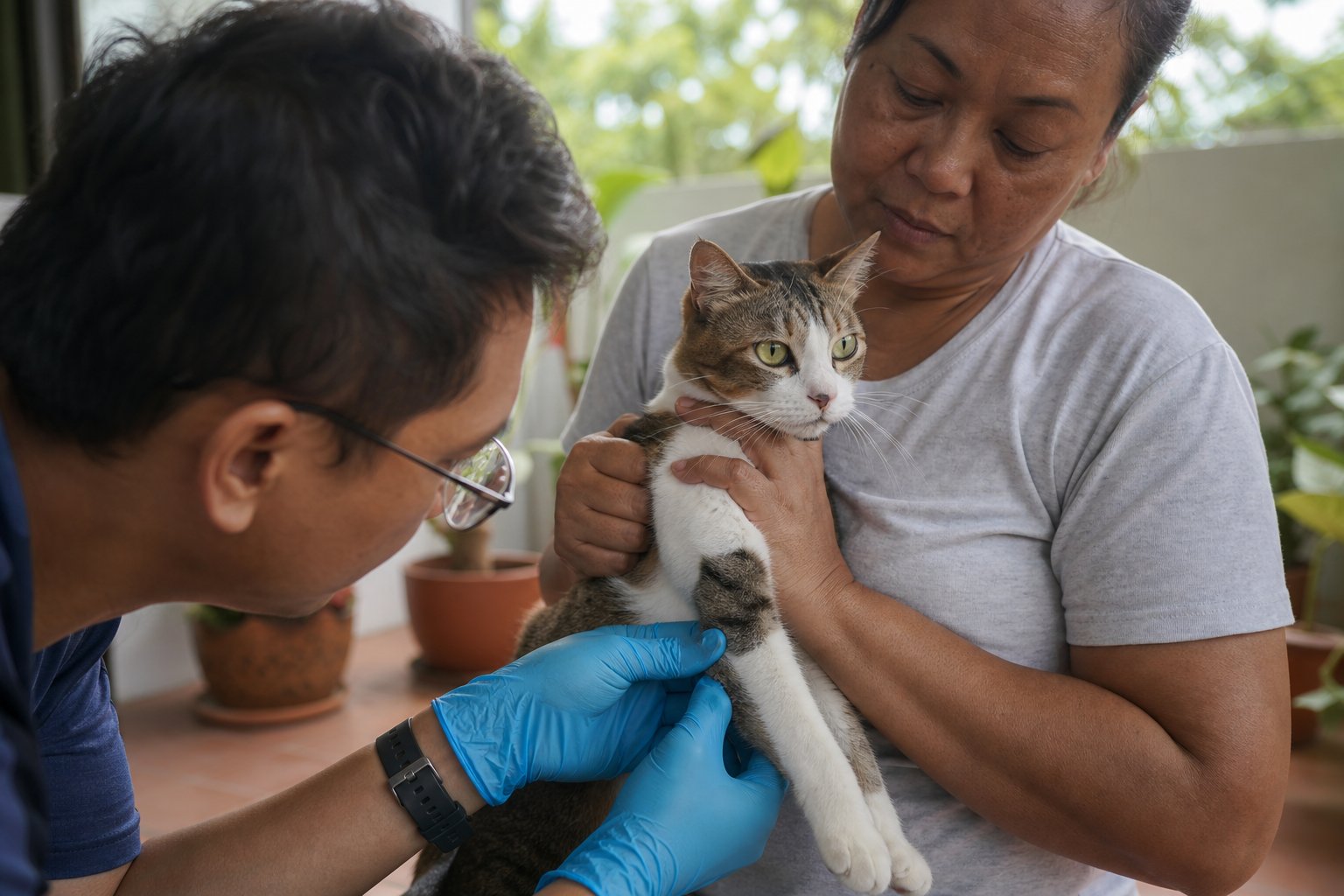
Spot-on treatments. A small volume of liquid is applied to the skin at the back of the neck, where the kitten cannot lick it. Many are licensed from 8 weeks and 1 kg. They usually kill adult fleas and may also stop eggs from hatching. Apply to dry skin, part the fur, and keep other pets from grooming the spot until it is dry.
Oral tablets and chews. Some flea products are given by mouth and are licensed for kittens above a certain age and weight. They avoid the greasy patch and the risk of a housemate licking the product off, but a kitten must be old enough and able to swallow or chew safely. These are usually prescription or vet-recommended.
Flea combs. A fine-toothed metal comb is the safest tool for very young kittens. Comb daily, dip the comb in soapy water to drown fleas, and wipe the kitten with a damp warm cloth afterwards. Combing reduces the flea load but will not clear an infestation on its own.
Shampoos. Some kitten-safe shampoos exist, but bathing a tiny kitten carries a chilling risk, especially in an air-conditioned room. Ask a vet before bathing a kitten under 8 weeks, dry thoroughly, and never leave a wet kitten alone.
Collars. Flea collars are not a good choice for small kittens. They can be chewed, cause skin reactions, and the dose is hard to control.
Sprays. Household and pet sprays vary widely. Many are not licensed for kittens, and some contain ingredients that are toxic to cats. Read the label and ask a vet.
What never to use. Dog flea products, particularly those containing permethrin, are dangerous to cats. Permethrin poisoning causes tremors, twitching, drooling, seizures and can be fatal. Cats lack the liver enzymes needed to process it. Never use a dog product "just a little" on a kitten, and never let a treated dog sleep in the same bed as a kitten until the product has dried.
A step-by-step plan for a flea-covered kitten
- Check the kitten's condition. Look at the gums. Pink is normal; pale or white is an emergency. Weigh the kitten if you can. Note whether it is eating, playing and passing stools normally.
- Call a vet if the kitten is under 8 weeks, under 1 kg, weak or pale. Do not apply an over-the-counter product while you wait.
- Comb out what you can. Use a fine flea comb, working from head to tail, and dunk fleas into soapy water. Do this over a sink or a tiled floor, not carpet.
- Bathe only if advised. If a vet approves, use lukewarm water and a kitten-safe shampoo, then dry thoroughly with a towel and keep the kitten warm.
- Apply the correct product once the kitten is eligible. Choose by weight, not by how big the kitten looks. Record the date so you know when the next dose is due.
- Treat every other cat and dog in the house on the same day. Fleas jump between species. Treating one pet leaves a reservoir.
- Treat the environment. Wash bedding, blankets and soft toys at 60°C. Vacuum floors, skirting boards, sofas, under furniture and the car. Throw away the vacuum bag or empty the canister outside.
- Repeat. Flea pupae in the environment can survive for weeks or months, so plan for at least 8 to 12 weeks of consistent control, following each product's reapplication interval.
Treating the home: the half most people skip
Most of a flea population is not on the cat. Eggs, larvae and pupae live in bedding, carpets, cracks in floors and soft furniture. Killing adult fleas on the kitten without cleaning the environment means the kitten is reinfested within days.
- Wash everything washable at 60°C: bedding, blankets, cushion covers, soft toys.
- Vacuum daily for the first two weeks, then every other day. Pay attention to the edges of rooms, under the sofa and the car seats.
- Use a flea trap if you want to monitor progress: a shallow dish of soapy water under a warm lamp overnight catches fleas and shows you whether numbers are falling.
- Steam clean carpets and upholstery if you have a steam cleaner; heat kills immature stages.
- Keep the kitten indoors while the infestation is being cleared, and keep other pets treated.
- Be careful with household insecticides. Many contain permethrin or similar compounds. Do not spray them around cats, and keep kittens out of treated rooms until dry.
In a Malaysian apartment, the main flea reservoirs are often the sofa, the cat bed and the car. In a terrace house with a garden, cats may pick up fleas from shaded, damp spots outdoors, so treat the indoor environment and check the cat after time outside.
Common mistakes that keep fleas coming back
- Using a product once and stopping. Flea life cycles outlast a single dose.
- Treating only the kitten. Adult cats and dogs in the home keep the cycle going.
- Skipping the vacuum. Environmental stages are the hidden majority.
- Using the wrong dose. A drop designed for a 4 kg cat is not safe for a 0.8 kg kitten.
- Buying online without checking the label. Counterfeit or mislabelled products exist; buy from a reputable retailer or your vet.
- Bathing right after applying a spot-on. This washes the product off. Follow the label's advice on when bathing is safe.
- Assuming indoor cats cannot get fleas. Fleas come in on clothing, shoes and other pets.
When to see a vet
See a veterinarian promptly if:
- the kitten is under 8 weeks old or weighs under 1 kg and has fleas;
- the gums are pale, white or grey, or the kitten is weak, cold or not feeding;
- there is severe scratching, hair loss, crusting or open sores;
- you see tapeworm segments around the tail or in bedding;
- fleas keep returning despite treatment;
- the kitten has been exposed to a dog flea product, especially one containing permethrin — this is an emergency;
- the kitten is pregnant, nursing or has another health condition.
A vet can confirm the flea problem, check for anaemia and worms, and prescribe a product that matches the kitten's age and weight. In Malaysia, veterinary clinics are regulated by the Department of Veterinary Services, and a licensed veterinarian is the right person to advise on prescription parasite products.
A simple prevention routine
Once your kitten is old enough, set a monthly reminder. Weigh the kitten every few weeks while it grows, because doses are weight-based. Treat all pets on the same day, keep bedding washed, and vacuum regularly. If you travel with your cat, check for fleas after trips and keep up treatment. Fleas in Malaysia do not take a winter break, so consistency matters more than any single product.
Quick comparison: what to reach for
| Situation | Best first step | Avoid |
|---|---|---|
| Newborn kitten with fleas | Vet call, warm environment, comb, treat mother | Any spot-on or oral product |
| 6-week-old kitten, mild fleas | Vet advice, combing, bedding wash | Over-the-counter spot-ons |
| 9-week-old, 1.2 kg, healthy | Licensed kitten spot-on by weight | Adult cat dose |
| Multiple pets at home | Treat all pets same day | Treating only the [kitten |
| Fleas](/articles/kitten-fleas-in-kittens-malaysia "mylink") keep returning | Environmental clean-up plus vet review | Repeatedly switching products blindly |
| Dog product accidentally applied | Emergency vet visit | Waiting to see if signs appear |
Bottom line
Kitten flea treatment in Malaysia comes down to three things: match the product to the kitten's age and weight, never use dog products on cats, and treat the home as seriously as the kitten. When in doubt, a quick vet call is cheaper and safer than guessing.
This article is general information, not veterinary advice. Always consult a licensed veterinarian about parasite treatment for your kitten, especially if it is very young, unwell or has been exposed to a product not intended for cats.
Related reading
- Kitten Care Guide Malaysia: 0–12 Month Feeding, Vaccination, Deworming & Growth Timeline
- Kitten Teething in Malaysia: A Complete Guide to Your Kitten's Baby Teeth
- Cat Birth for Cat Owners: A Complete Guide to Labour, Delivery and Newborn Kittens
- Kitten Development for Cat Owners: A Complete Malaysian Guide
- Kitten Development for Cats in Malaysia: A Stage-by-Stage Guide
- Kitten Deworming for Kittens: A Complete Malaysian Guide
- Kitten Deworming in Malaysia: A Complete Guide for New Cat Owners
- Kitten Diarrhea: A Practical Guide for Malaysian Cat Owners
- Kitten Feeding Amounts: A Complete Guide for Malaysian Owners