
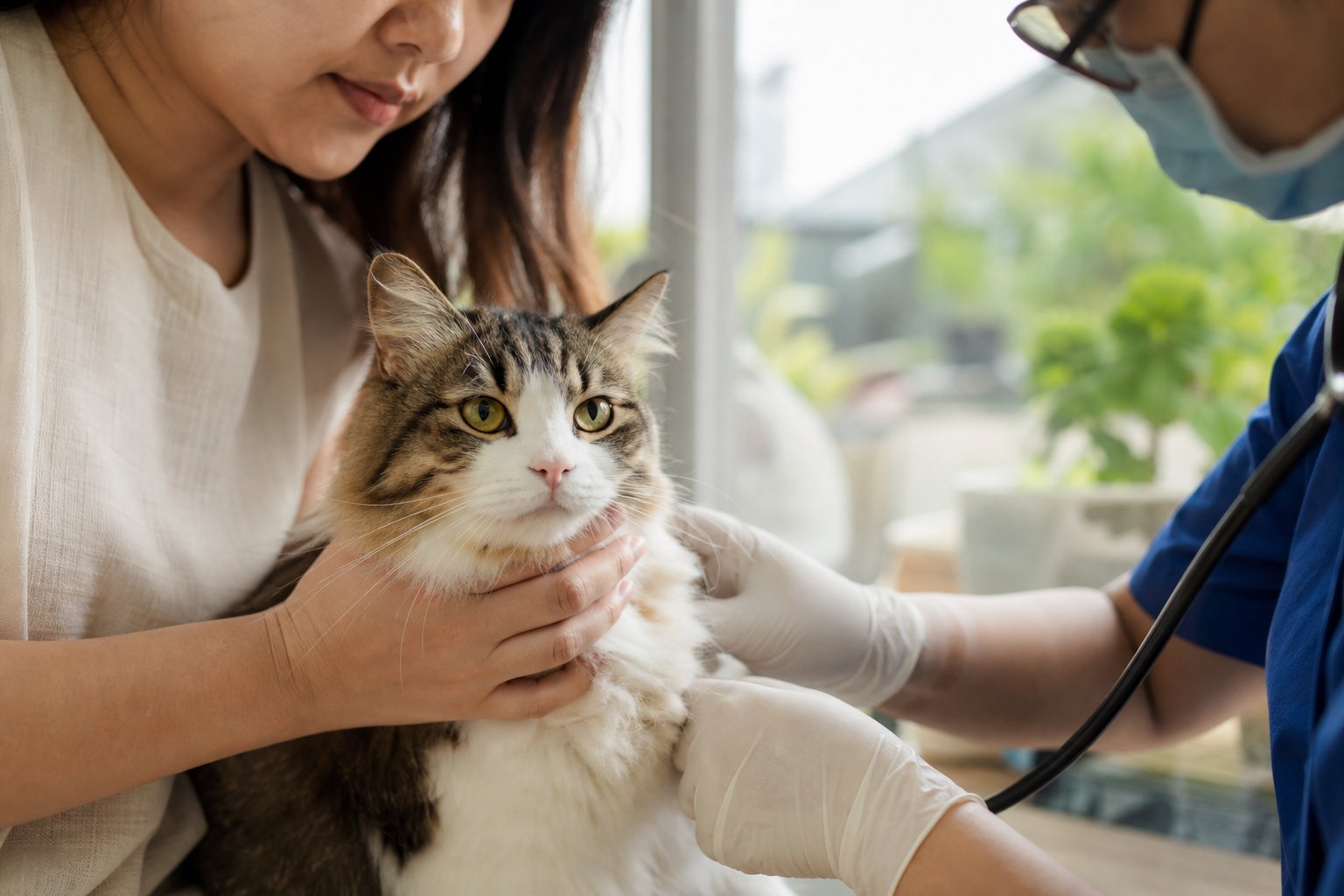
Why the first vet visit matters
Bringing home a kitten is exciting, but it also comes with responsibility. The first vet visit is more than a formality—it's a health baseline, a chance to catch problems early, and the start of a vaccination plan that protects your kitten for life. In Malaysia, where warm, humid weather can favour parasites and infections, an early check-up is especially important.
This guide walks you through when to go, how to prepare, what happens at the clinic, what it costs, and how to follow up. It's written for Malaysian cat owners, whether you live in a Kuala Lumpur apartment, a Johor terrace house, or a Penang home during the rainy season.
When to schedule the first visit
Answer first: Take your new kitten to the vet within 48–72 hours of adoption or purchase. If you bred the kitten, book the first visit at around 6–8 weeks of age.
Why so soon? Kittens can carry parasites, infections, or congenital issues that aren't obvious. A quick check protects your kitten and any other pets in your home. It also lets you start vaccinations on schedule.
Age-based timeline
| Kitten age | What to do |
|---|---|
| 2–4 weeks | If orphaned, vet visit for feeding advice and health check |
| 6–8 weeks | First core vaccination, deworming, full exam |
| 10–12 weeks | Second core vaccination, booster deworming |
| 14–16 weeks | Third core vaccination, rabies if needed |
| 6 months | Discuss spaying/neutering and microchipping |
These are general guidelines. Your vet will adjust based on your kitten's health and local disease risks.
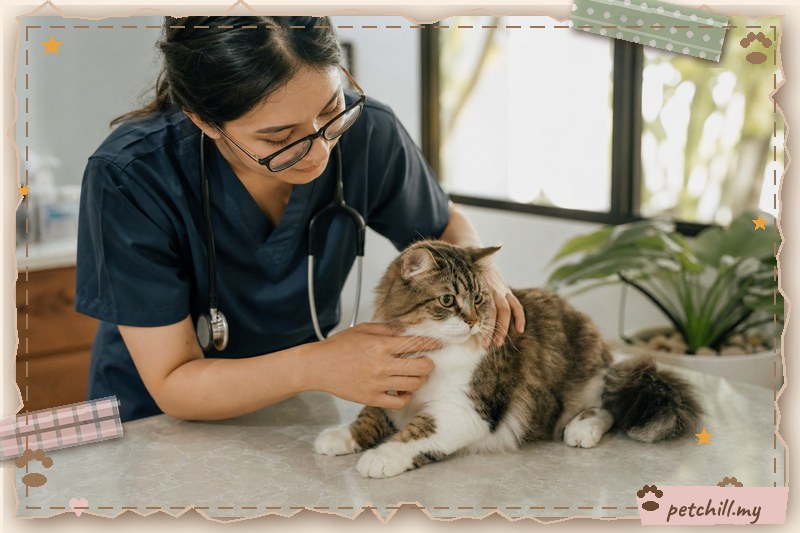
How to prepare for the visit
A little preparation makes the visit smoother and less stressful for your kitten.
Checklist before you go
- Secure carrier: Use a sturdy carrier with a towel inside. Avoid carrying your kitten in your arms—it's unsafe and stressful.
- Records: Bring any vaccination or deworming cards from the breeder or shelter.
- Stool sample: Collect a fresh sample in a clean container (a small plastic bag or jar works). This helps check for parasites.
- Questions: Write down your questions about food, litter, behaviour, and vaccination schedules.
- Comfort items: A familiar blanket or toy can help calm your kitten.
- Payment: Ask about payment methods and estimated costs when you book.
Reducing stress
- Leave the carrier out at home for a few days so your kitten gets used to it.
- Spray the carrier with a feline pheromone product if available.
- Cover the carrier with a light towel in the car to reduce visual stress.
- Drive calmly and avoid loud music.
What happens during the first vet visit
The vet will typically follow a structured approach.
1. History taking
Expect questions about:
- Where you got the kitten and how long you've had them.
- Eating, drinking, and litter box habits.
- Any vomiting, diarrhoea, sneezing, or coughing.
- Contact with other cats.
- Previous vaccinations or deworming.
2. Physical examination
The vet will check:
- Weight and body condition: Kittens should gain weight steadily.
- Eyes, ears, and nose: For discharge or signs of infection.
- Mouth and teeth: For dental issues or ulcers.
- Skin and coat: For fleas, ticks, ringworm, or mites.
- Abdomen: To feel for abnormalities or bloating.
- Heart and lungs: Listening for murmurs or breathing issues.
- Temperature: A rectal thermometer check is standard.
- Gait and joints: For lameness or congenital problems.
3. Parasite control
The vet will likely recommend deworming and flea/tick prevention. In Malaysia's climate, parasites can be a year-round concern. Products vary; your vet will choose based on your kitten's age and weight.
4. Vaccinations
Core vaccines for kittens include:
- FVRCP: Feline viral rhinotracheitis (herpesvirus), calicivirus, and panleukopenia.
- Rabies: May be required for travel or in certain situations. Discuss with your vet.
Vaccines are given as a series, usually starting at 6–8 weeks and repeating every 3–4 weeks until 16 weeks of age. Your vet will set the schedule.
5. Microchipping and identification
Microchipping can be done at the first visit or later. It's a permanent ID that helps reunite lost pets. Ask your vet about the process and registration.
6. Discussion of spaying/neutering
Your vet will explain the benefits and timing, usually around 6 months of age. This is also a good time to ask about behaviour and nutrition.

Vaccination schedule and what to expect
| Vaccine | Initial age | Boosters |
|---|---|---|
| FVRCP | 6–8 weeks | Every 3–4 weeks until 16 weeks, then booster at 1 year |
| Rabies | 12–16 weeks (depending on local rules) | Annually or as required |
| FeLV (if risk) | 8–12 weeks | As advised by vet |
Note: This is a general guide. Your vet will tailor it to your kitten's lifestyle and local disease prevalence.
Side effects
Mild side effects are common and usually resolve within 24–48 hours:
- Slight fever
- Reduced appetite
- Sleepiness
- Mild swelling at the injection site
Contact your vet if you see vomiting, diarrhoea, difficulty breathing, or facial swelling.
Costs: what to expect in Malaysia
Costs vary widely by clinic, location, and services. A first visit typically includes consultation, physical exam, deworming, and possibly the first vaccination. Some clinics charge separately for each service.
Do not rely on online prices. Ask your local vet for a breakdown when you book. In general, expect to pay for:
- Consultation fee
- Vaccines (per dose)
- Deworming
- Flea/tick treatment
- Microchipping (optional)
- Faecal test (if needed)
Some clinics offer packages for kittens that include multiple visits. Compare a few clinics in your area and ask about what's included.

After the visit: home care
Monitoring your kitten
- Keep your kitten warm and quiet for the rest of the day.
- Offer water and a small meal; don't be alarmed if appetite is slightly reduced for a few hours.
- Watch for vaccine reactions as described above.
- Follow the deworming schedule your vet provides.
Setting up a healthy home
- Litter box: Keep it clean and in a quiet spot.
- Food: Feed a high-quality kitten diet. Ask your vet for recommendations.
- Water: Fresh water daily.
- Scratching post: To protect furniture and satisfy natural behaviour.
- Safe space: A quiet room where your kitten can retreat.
Socialisation
Between 2 and 7 weeks is a critical socialisation period. Even after the first vet visit, gently introduce your kitten to different people, sounds, and textures at home. Avoid public areas until vaccinations are complete.
Common health issues in Malaysian kittens
Malaysia's tropical climate brings specific challenges:
- Parasites: Fleas, ticks, and intestinal worms thrive in warm, humid conditions. Regular prevention is key.
- Ringworm: A fungal infection that can spread to humans. Check for bald patches and scaly skin.
- Upper respiratory infections: Common in kittens, especially from shelters. Signs include sneezing, discharge, and lethargy.
- Diarrhoea: Can be caused by parasites, diet changes, or infections. Persistent diarrhoea needs vet attention.
- Feline panleukopenia: A severe viral disease. Vaccination is essential.
Local example: Kuala Lumpur apartment
In a high-rise apartment, your kitten is mostly indoors, which reduces exposure to some diseases. However, you can bring pathogens home on shoes or hands. Keep vaccinations up to date and avoid letting your kitten roam in common areas until fully vaccinated.
Local example: Johor terrace house
In a terrace house with a garden, your kitten may have more access to the outdoors. Ensure screens and fences are secure. Outdoor access increases exposure to parasites and other cats, so stay diligent with flea/tick prevention and vaccinations.
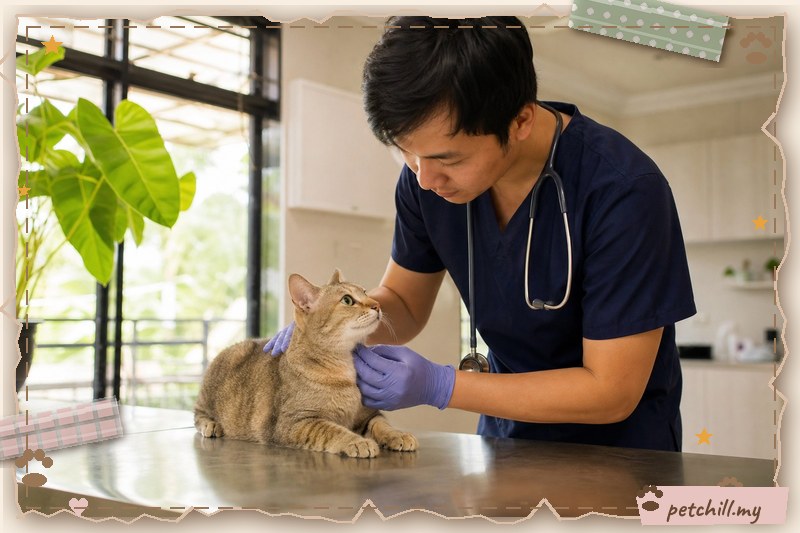
Questions to ask your vet
Bring this list to your first visit:
- What is my kitten's weight and body condition score?
- Which vaccinations does my kitten need and when?
- What deworming schedule do you recommend?
- How can I prevent fleas and ticks?
- What food do you recommend for my kitten's age and size?
- When should I schedule spaying/neutering?
- How can I socialise my kitten safely?
- What signs of illness should I watch for?
- How do I care for my kitten's teeth?
- What is the best way to introduce my kitten to other pets?
When to see a vet
Seek veterinary care promptly if your kitten shows any of these signs:
- Not eating or drinking for more than 12 hours.
- Vomiting or diarrhoea that persists or is accompanied by lethargy.
- Difficulty breathing or open-mouth breathing.
- Pale or white gums.
- Straining to urinate or no urine output.
- Sudden weakness or collapse.
- Discharge from eyes or nose with sneezing.
- Bald patches or scaly skin.
- Swelling at the vaccination site that worsens.
Kittens can deteriorate quickly. When in doubt, call your vet.
Finding a vet in Malaysia
Ask for recommendations from local cat groups, friends, or shelters. Look for a clinic that:
- Has experience with kittens.
- Offers emergency services or can refer you.
- Explains things clearly and answers your questions.
- Follows up after visits.
You can also check the Malaysian Veterinary Council (MVC) website for registered veterinarians. The Department of Veterinary Services (DVS) provides general information on animal health and travel.
Final thoughts
The first vet visit is a cornerstone of responsible cat ownership. It sets your kitten up for a healthy, happy life and gives you peace of mind. Prepare well, ask questions, and follow your vet's advice. Your kitten will thank you with years of companionship.
Vet disclaimer: This article is for general information only and is not a substitute for professional veterinary advice. Always consult a licensed veterinarian for diagnosis and treatment of your kitten's specific health needs.
Related reading
- Kitten Development for Cat Owners: A Complete Malaysian Guide
- Kitten Diarrhea: A Practical Guide for Malaysian Cat Owners
- Kitten Sleep Needs: A Complete Guide for Malaysian Owners
- Kitten Vaccine Schedule for Kittens: A Complete Guide for Malaysian Owners
- Kitten Vomiting: A Complete Guide for Malaysian Cat Owners
- Pregnant Cat Care for Cat Owners: A Complete Malaysian Guide
- Pregnant Cat Care in Malaysia: A Complete Guide for Owners
- Cat Birth for Cat Owners: A Complete Guide to Labour, Delivery and Newborn Kittens
- Kitten Development for Cats in Malaysia: A Stage-by-Stage Guide
- Kitten Deworming for Kittens: A Complete Malaysian Guide
- Kitten Deworming in Malaysia: A Complete Guide for New Cat Owners



