
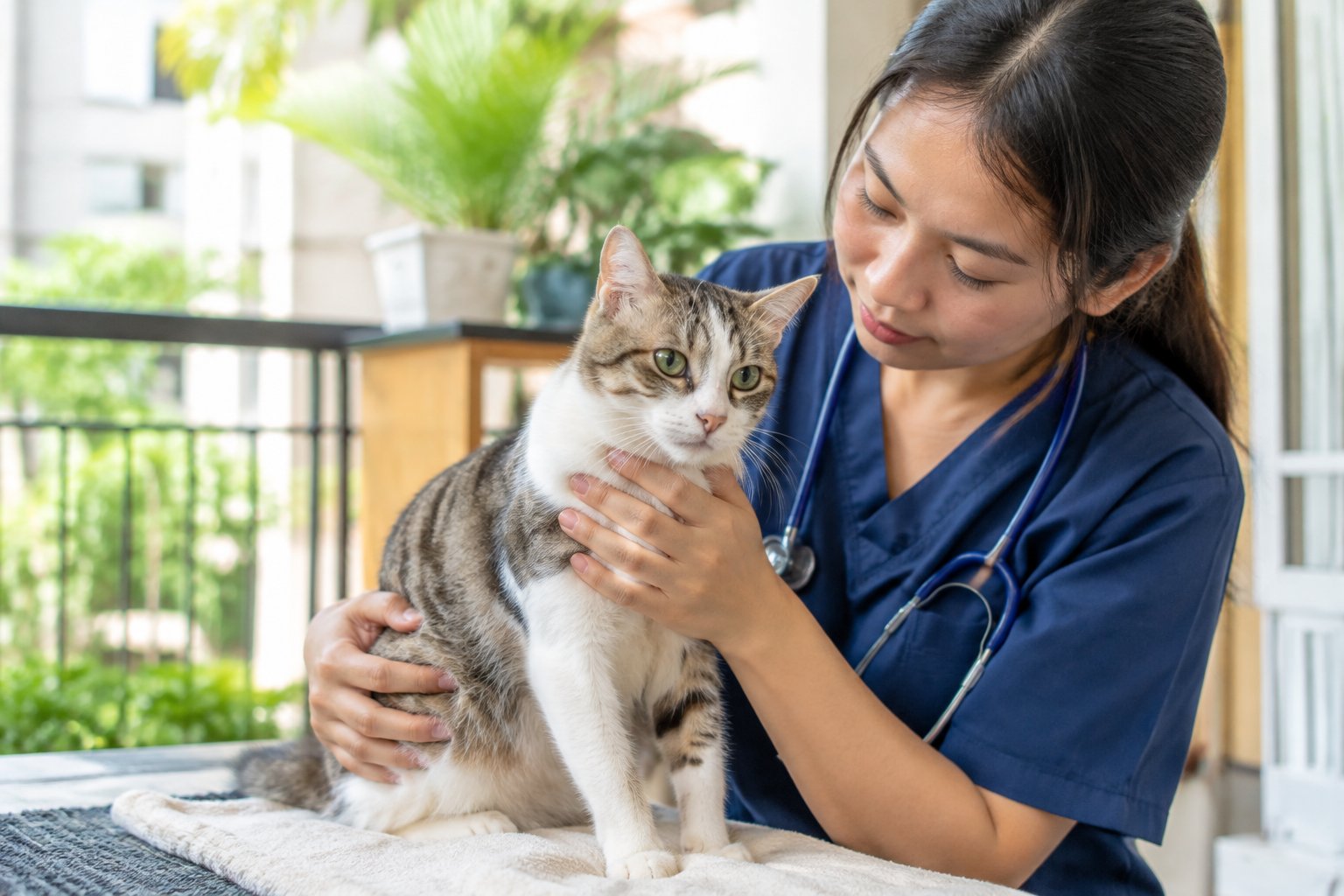
Why kitten vaccination matters
Vaccinating your kitten is one of the most effective ways to protect them from serious, often fatal, infectious diseases. In Malaysia, where many cats live in multi-cat households or have access to the outdoors, the risk of exposure to viruses is real. Vaccines stimulate the immune system to recognise and fight off specific pathogens, reducing the severity of illness or preventing it entirely.
This guide covers the essentials: which vaccines are core, the typical schedule, what to expect at the vet, potential side effects, and practical considerations for Malaysian cat owners. Always consult your veterinarian for a vaccination plan tailored to your kitten's lifestyle and risk factors.
Core vaccines for kittens
Core vaccines are recommended for all kittens, regardless of lifestyle, because the diseases they prevent are widespread and severe. The three core vaccines for cats are:
- Feline panleukopenia (feline distemper): A highly contagious viral disease that causes severe vomiting, diarrhoea, and immunosuppression. Mortality rates can be high, especially in young kittens.
- Feline calicivirus (FCV): Causes oral ulcers, sneezing, and sometimes pneumonia. It is a common cause of upper respiratory infections.
- Feline herpesvirus type 1 (FHV-1): Another major cause of upper respiratory disease, leading to sneezing, nasal discharge, and eye infections. It can become latent and reactivate during stress.
These three are often combined in a single "FVRCP" vaccine (feline viral rhinotracheitis, calicivirus, panleukopenia). Some vaccines also include chlamydia, but that is not considered core by all organisations.
Non-core vaccines
Non-core vaccines are given based on risk factors such as geography, lifestyle, and exposure to other cats. In Malaysia, the most relevant non-core vaccine is rabies. Rabies is not endemic in Malaysia, but vaccination may be required for travel or if there is a local outbreak. Other non-core vaccines include feline leukaemia virus (FeLV) and feline immunodeficiency virus (FIV), which may be recommended for cats that go outdoors or live with infected cats. Discuss with your vet whether your kitten needs these.
Vaccination schedule
The timing of kitten vaccinations is designed to overcome maternal antibodies that kittens receive through colostrum (first milk). These antibodies protect the kitten early in life but can also neutralise vaccines, so multiple doses are needed.
Typical core vaccine schedule
| Age | Vaccine | Notes |
|---|---|---|
| 6-8 weeks | First core vaccine (FVRCP) | Start of series |
| 10-12 weeks | Second core vaccine | 3-4 weeks after first |
| 14-16 weeks | Third core vaccine | Final dose of initial series |
| 1 year | Booster | Then every 1-3 years depending on vaccine and risk |
Some vets may start at 6 weeks, others at 8 weeks. The key is to complete the series at or after 16 weeks to ensure the kitten is protected even if maternal antibodies interfered with earlier doses. After the first year booster, adult cats typically receive boosters every 1-3 years, but your vet will advise based on the vaccine type and your cat's lifestyle.
Rabies vaccine
If rabies vaccination is needed (e.g., for travel), it is usually given at 12-16 weeks of age, with a booster after 1 year. Check with your vet and relevant authorities for current requirements.
What to expect at the vet visit
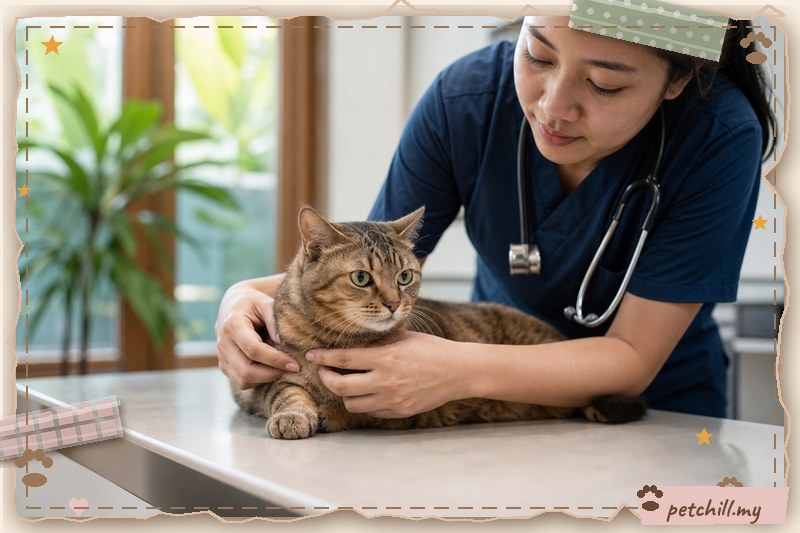
A vaccination appointment is also an opportunity for a general health check. Your vet will:
- Weigh your kitten and record growth.
- Check eyes, ears, mouth, and skin.
- Listen to the heart and lungs.
- Palpate the abdomen.
- Discuss parasite control (deworming, flea/tick prevention).
- Review the vaccination history and plan the next visit.
Bring any previous records if you have them. If your kitten is unwell, the vet may postpone vaccination until they recover.
Preparing your kitten
- Use a secure carrier with a familiar blanket.
- Allow your kitten to get used to the carrier beforehand.
- Bring a list of questions.
- Keep the visit low-stress: speak softly, avoid overcrowded waiting rooms if possible.
Potential side effects
Most kittens tolerate vaccines well. Mild side effects are common and typically resolve within 24-48 hours:
- Soreness or swelling at the injection site.
- Mild lethargy or sleepiness.
- Slight fever.
- Reduced appetite.
Serious reactions are rare but require immediate veterinary attention. Signs include:
- Vomiting or diarrhoea.
- Facial swelling, hives, or itching.
- Difficulty breathing.
- Collapse or seizures.
If you notice any of these, contact your vet right away. It's helpful to note the time of vaccination and the vaccine brand in case of a reaction.
Cost of kitten vaccination in Malaysia
Vaccination costs vary widely depending on the clinic, location, and vaccine brand. In Malaysia, a single core vaccine may cost between RM50 and RM150, and the full kitten series (three doses) plus a booster can total several hundred ringgit. Rabies vaccination, if needed, may be additional. Some clinics offer packages that include deworming and health checks. Always ask for a detailed estimate before proceeding. Prices in rural areas may be lower than in urban centres like Kuala Lumpur or Penang.
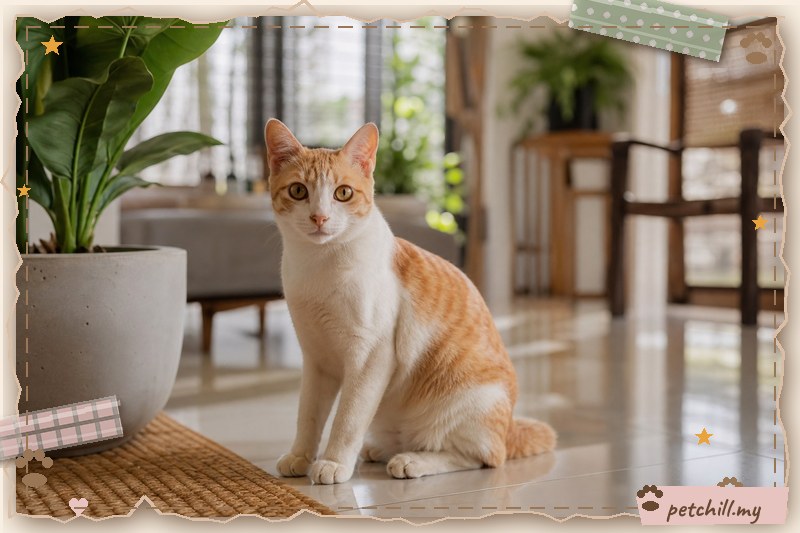
Indoor vs outdoor cats
All kittens should receive core vaccines, even if they live indoors. Indoor cats can be exposed to viruses through:
- Other cats in the household that go outside.
- Viruses brought in on shoes, clothing, or hands.
- Visitors' pets.
- Escapes through windows or doors.
Outdoor access increases the risk of exposure to unvaccinated cats, wildlife, and contaminated environments. If your kitten will go outside, discuss additional non-core vaccines like FeLV with your vet.
Local considerations for Malaysian cat owners
Malaysia has a tropical climate with year-round warmth and humidity, which can affect vaccine storage and handling. Choose a reputable clinic that follows proper vaccine storage protocols. Also, many Malaysian households have multiple cats; ensure all cats are up to date to reduce disease transmission.
Multi-cat households
If you have other cats, separate the new kitten until vaccinations are complete. Ideally, keep the kitten in a separate room and practise good hygiene (handwashing, separate food bowls) to prevent spread of any potential infections. Once vaccinated, gradual introductions can begin.
Common myths and misconceptions
- "Indoor cats don't need vaccines." False. Viruses can enter the home easily.
- "Vaccines cause autism." No scientific evidence supports this in cats or humans.
- "One vaccine is enough." Kittens need a series due to maternal antibodies.
- "Vaccines are 100% effective." No vaccine is perfect, but they greatly reduce risk and severity.
When to see a vet
Contact your veterinarian if your kitten shows any of the following after vaccination:
- Persistent vomiting or diarrhoea.
- Swelling of the face, lips, or eyes.
- Difficulty breathing or noisy breathing.
- Extreme lethargy or collapse.
- Seizures.
- A lump at the injection site that grows or persists for more than a few weeks.
Also see a vet if your kitten is due for a vaccine but has been unwell, has a fever, or is on medication. Your vet will advise whether to proceed or delay.
Frequently asked questions
1. When should I start vaccinating my kitten? Start at 6-8 weeks of age. Kittens receive antibodies from their mother's milk that can interfere with vaccines, so a series of shots every 3-4 weeks until 16 weeks is needed for full protection.
2. Which vaccines are core for kittens in Malaysia? Core vaccines are feline panleukopenia (feline distemper), feline calicivirus, and feline herpesvirus (rhinotracheitis). Rabies is not core for indoor cats but may be required for travel or if local risk is high.
3. How much does kitten vaccination cost in Malaysia? Costs vary by clinic and location. A single core vaccine may range from RM50 to RM150, and the full series can cost several hundred ringgit. Ask your vet for a detailed estimate.
4. Are there side effects after vaccination? Mild side effects like soreness, lethargy, or a slight fever are common and usually resolve within a day. Serious reactions are rare. Watch for vomiting, facial swelling, or difficulty breathing and contact your vet immediately.
5. Can my kitten go outside before finishing vaccinations? No. Keep your kitten indoors and away from unvaccinated cats until at least 1-2 weeks after the final dose in the initial series. This reduces the risk of exposure to deadly viruses.
6. Do indoor cats need vaccinations? Yes. Viruses can be brought indoors on shoes, clothing, or by other animals. Core vaccines are recommended for all cats, including indoor-only ones, to maintain herd immunity and individual protection.
Conclusion
Vaccinating your kitten is a cornerstone of responsible pet ownership. By following a proper schedule, you protect your kitten from serious diseases and contribute to the health of the wider cat population. Work with your veterinarian to create a plan that suits your kitten's lifestyle and your circumstances. Remember, prevention is always better than treatment.
Disclaimer: This article is for general information only and does not replace professional veterinary advice. Always consult a licensed veterinarian for medical decisions regarding your pet.
Related reading
- Kitten Care Guide Malaysia: 0–12 Month Feeding, Vaccination, Deworming & Growth Timeline
- Kitten Development for Cat Owners: A Complete Malaysian Guide
- Kitten Development for Cats in Malaysia: A Stage-by-Stage Guide
- Kitten Deworming for Kittens: A Complete Malaysian Guide
- Kitten Deworming in Malaysia: A Complete Guide for New Cat Owners
- Kitten Flea Treatment: A Complete Guide for Malaysian Owners
- Kitten Fleas in Malaysia: Safe Treatment for Tiny Cats
- Kitten Teething for Kittens: A Complete Guide for Malaysian Owners
- Nursing Cat Nutrition for Cat Owners: A Complete Malaysian Guide
- Cat Birth for Cat Owners: A Complete Guide to Labour, Delivery and Newborn Kittens



