
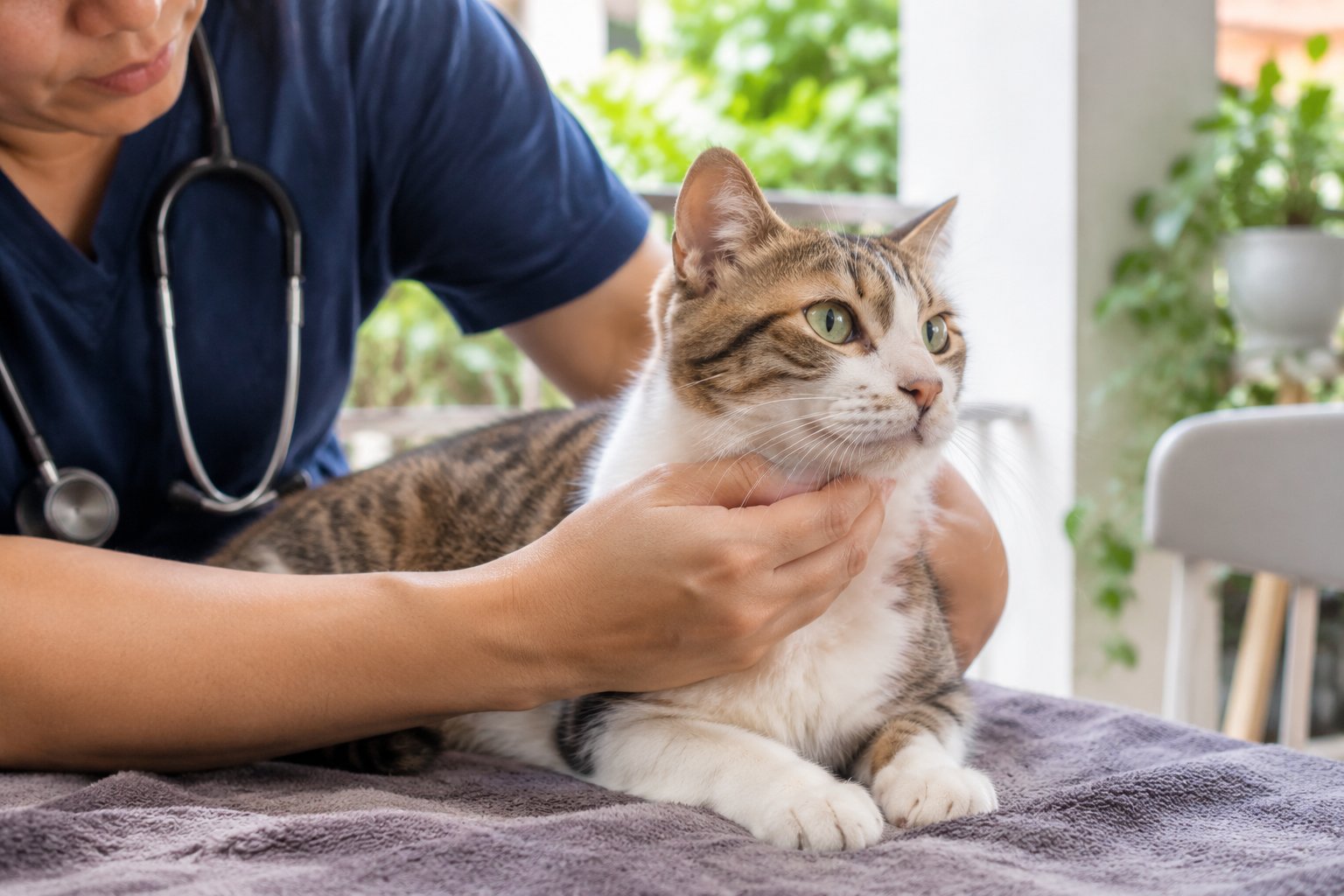
Start here: what to do when you think your cat is pregnant
If you suspect your cat is pregnant, the first step is a vet visit to confirm pregnancy and check her health. Then switch her to a complete kitten food, keep her indoors, set up a quiet nesting area, and learn the signs of labour. Most cat pregnancies last around 63–65 days, so you have roughly two months to prepare.
This guide walks you through each stage: confirming pregnancy, feeding, vet care, preparing your home, birth, and the first weeks with kittens. It is written for Malaysian cat owners living in apartments, terrace houses, and landed homes, with practical notes for our climate and routines.
How to confirm pregnancy and estimate the due date
Signs you may notice at home
Early pregnancy can be subtle. Some cats show:
- Increased appetite or weight gain
- Nipples that look larger and pinker (often called "pinking up")
- More affectionate behaviour or, conversely, a wish to be left alone
- Seeking out quiet, dark places
- Less interest in jumping or rough play
These signs are not proof. A cat may show them for other reasons, and some pregnant cats show very few signs until later.
What your vet can do
Your vet may use different methods depending on how far along she is:
- Ultrasound: can confirm pregnancy from around three weeks and check for heartbeats.
- X-ray: later in pregnancy, often after around 45 days, can show skeletons and help count kittens.
- Physical examination: your vet may feel the abdomen, though this is done gently and not always possible.
Ask your vet to estimate a due date and discuss a plan for birth. If you do not know the mating date, your vet can narrow the window.
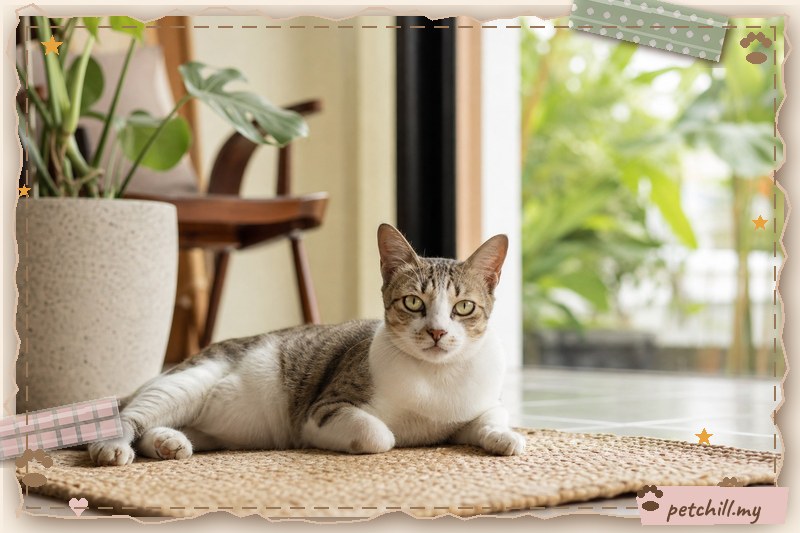
Feeding a pregnant cat: what, how much, and when
Switch to growth food
Pregnant and nursing cats have higher energy and nutrient needs. A complete and balanced kitten or growth formula is usually recommended because it contains more calories, protein, and key nutrients such as calcium and phosphorus. Transition gradually over about a week to avoid stomach upset.
Meal pattern
As pregnancy progresses, her belly takes up space, so she may not manage large meals. Offer small, frequent meals and leave food available if your vet agrees. Always provide fresh water.
Supplements and treats
Do not add calcium or other supplements unless your vet advises it. Too much of some nutrients can be harmful. Treats should be small so they do not unbalance her diet.
Body condition
You want her to gain weight steadily, not become overweight. Ask your vet to check her body condition at each visit. If she is very thin or very heavy, her feeding plan may need adjusting.
Veterinary care schedule and preventive health
Initial visit
At the first visit, your vet will confirm pregnancy, assess her general health, and discuss vaccination and parasite control. Do not use any product or give any medicine without veterinary advice, as some are not safe in pregnancy.
Follow-up
Your vet may recommend a follow-up visit later in pregnancy to check her health and discuss birth. If you have other cats, discuss how to manage introductions and hygiene.
Parasite control
Fleas and intestinal worms can affect mum and kittens. Ask your vet which products are safe during pregnancy and lactation. Keep her environment clean and wash bedding regularly.
Vaccination
Discuss vaccination timing with your vet. Some vaccines are not given during pregnancy, so planning ahead matters. Keep her away from unknown cats that may carry infections.
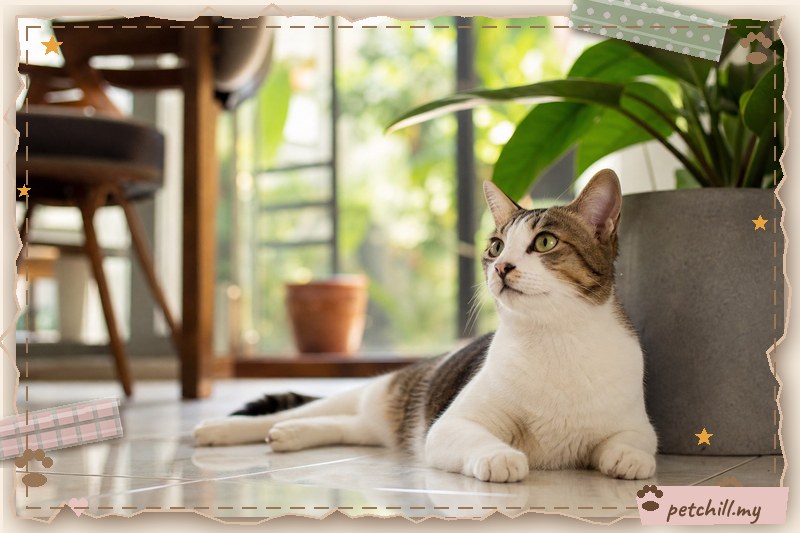
Preparing your home and a nesting box
Choose a quiet spot
Pick a quiet, warm, draft-free area away from heavy foot traffic, loud appliances, and other pets. A spare room, a corner of a bedroom, or a covered area works well. In Malaysian homes, avoid hot, stuffy rooms and direct sun; good ventilation helps.
The nesting box
Use a sturdy box or plastic crate with low sides so mum can step in easily but kittens cannot crawl out. Line it with clean, washable bedding such as towels or blankets. Place it where she can see out but feel sheltered.
Litter, food, and water
Keep her litter box, food, and water close by so she does not have to travel far, especially in late pregnancy. Use a litter box with low sides if she seems uncomfortable climbing in.
Other pets and children
Supervise interactions. Other cats may be curious or stressed by a pregnant cat. Children should be taught to be calm and not to pick her up roughly. If you have a dog, keep introductions controlled and give the cat escape routes.
Safety around the house
Check for hazards: open windows without screens, balconies, dangling cords, small objects, and toxic plants. Keep cleaning products and medicines out of reach. If you live in a high-rise apartment, ensure windows and balconies are secure.
Understanding cat pregnancy stages
| Stage | Approximate timing | What you may see | What to do |
|---|---|---|---|
| Early pregnancy | Weeks 1–3 | Subtle signs, possible appetite change | Vet visit, switch food gradually |
| Mid pregnancy | Weeks 4–6 | Visible belly, larger nipples, more rest | Provide nesting box, monitor health |
| Late pregnancy | Weeks 7–9 | Restlessness, nesting behaviour, possible milk | Prepare for birth, keep her indoors |
| Labour and birth | Around week 9 | Contractions, nesting, kittens arriving | Stay calm, observe, call vet if problems |
| Post-birth | First 8 weeks | Nursing, cleaning kittens | Keep warm, clean, monitor weight |

Labour and birth: what to expect
Signs labour is near
In the days before birth, your cat may become restless, seek out her nesting box, groom her vulva more, and eat less. Her nipples may enlarge and she may start producing milk. Some cats become very affectionate; others want privacy.
Stages of labour
Labour usually has three stages:
- Preparation: contractions begin, the cervix dilates, and she may pant or vocalise.
- Delivery: kittens are born, usually with a fluid-filled sac that mum removes. She may rest between kittens.
- Afterbirth: placentas are passed and may be eaten by mum.
Kittens can arrive minutes to a couple of hours apart. Most births happen without help, but stay nearby and keep the environment calm.
When to step in
If a kitten is stuck, if mum is straining hard for more than 20–30 minutes without a kitten, or if she seems exhausted, call your vet immediately. Do not pull on a kitten unless your vet instructs you to.
Keeping the area warm
Newborn kittens cannot regulate their body temperature well. Keep the room warm and free from drafts. If the room is cool, ask your vet about safe warming options. Avoid direct heat sources that could burn them.
Caring for mum and newborn kittens
The first 24 hours
Make sure every kitten is breathing, warm, and nursing. Mum should clean them and allow them to latch. If a kitten is cold or not nursing, call your vet. Keep visitors away and let mum rest.
Nursing and feeding mum
Nursing is demanding. Continue feeding a growth formula and offer fresh water. Some cats need more food during lactation; ask your vet for guidance. Keep the nesting area clean and change bedding when soiled.
Monitoring kittens
Weigh kittens daily on a small kitchen scale and keep a record. Steady weight gain is a good sign. Call your vet if a kitten loses weight, feels cold, cries constantly, or has diarrhoea. Keep the litter box clean and wash your hands before and after handling kittens.
Socialisation
As kittens grow, gentle handling helps them become comfortable with people. Keep sessions short and calm. Avoid overwhelming mum or kittens with too many visitors.
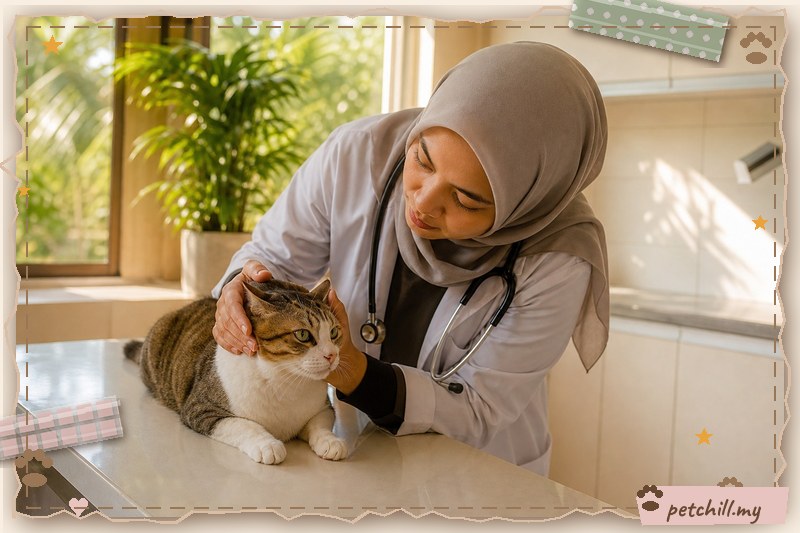
Common problems and when to see a vet
Signs of trouble in pregnancy
Call your vet if you notice:
- Vaginal discharge that is bloody, green, or foul-smelling
- Fever, lethargy, or refusal to eat
- Straining to urinate or defecate
- Sudden weight loss or poor body condition
- Any sign of pain or distress
Problems during birth
Seek urgent help for:
- Strong straining for more than 20–30 minutes without a kitten
- A kitten visibly stuck in the birth canal
- Heavy bleeding
- More than two hours between kittens with ongoing contractions
- Mum collapsing, shaking, or seeming weak
After birth
Watch for:
- Mum ignoring kittens or refusing to nurse
- Kittens that are cold, limp, or not gaining weight
- Red, swollen, or painful mammary glands (possible mastitis)
- Foul-smelling discharge or fever in mum
When to see a vet
See a vet promptly if your pregnant cat stops eating, has discharge, seems painful, or if labour does not progress. After birth, call your vet if mum seems unwell or if any kitten is not nursing, feels cold, or is losing weight. When in doubt, phone your vet for advice — it is better to check early.
Malaysian context: practical tips for local homes
Apartments and high-rises
In Kuala Lumpur apartments, space can be limited. Choose a quiet corner for the nesting box away from the main door and air-conditioner drafts. Secure windows and balconies so mum and kittens cannot fall. Keep the litter box away from food and water.
Terrace houses and landed homes
In a Johor terrace house, you may have more room, but also more places for a cat to hide. Check sheds, garages, and under furniture before assuming she is missing. Keep her indoors, especially if there are free-roaming cats nearby.
Rainy season and humidity
Penang's rainy season can bring dampness. Keep bedding dry and wash it often. Ensure the nesting area is well ventilated but not drafty. Dry towels and blankets promptly to prevent mould.
Local vet resources
For general pet care information in Malaysia, you can refer to the Department of Veterinary Services (DVS) website and the SPCA Malaysia website. These provide useful guidance on responsible pet ownership. Always consult a licensed veterinarian for medical advice specific to your cat.
Checklist: preparing for kittens
- Confirm pregnancy with a vet
- Switch to a complete growth food gradually
- Set up a quiet nesting box with clean bedding
- Keep her indoors and secure windows/balconies
- Ask your vet about parasite control and vaccination
- Prepare a kitten weighing scale and record sheet
- Stock up on litter, cleaning supplies, and food
- Plan for emergencies: vet phone number, carrier, transport
- Limit visitors and keep other pets calm
- Learn the signs of labour and when to call the vet
Final thoughts
Caring for a pregnant cat is mostly about steady, sensible care: good food, a safe quiet space, regular vet checks, and close observation. Most cats give birth without problems, but knowing the warning signs helps you act quickly if something goes wrong. Prepare early, keep her indoors, and enjoy watching the kittens grow.
This article is for general information only and is not a substitute for veterinary advice. Always consult a licensed veterinarian for diagnosis and treatment of your cat.
Related reading
- Kitten Care Guide Malaysia: 0–12 Month Feeding, Vaccination, Deworming & Growth Timeline
- Cat Birth in Malaysia: A Practical Guide to Feline Labour and Delivery
- Kitten Development for Cat Owners: A Complete Malaysian Guide
- Kitten Diarrhea: A Practical Guide for Malaysian Cat Owners
- Kitten Vaccine Schedule for Kittens: A Complete Guide for Malaysian Owners
- Kitten Vomiting: A Complete Guide for Malaysian Cat Owners
- Pregnant Cat Care in Malaysia: A Complete Guide for Owners
- Kitten Development for Cats in Malaysia: A Stage-by-Stage Guide
- Kitten Deworming for Kittens: A Complete Malaysian Guide



