
The short answer
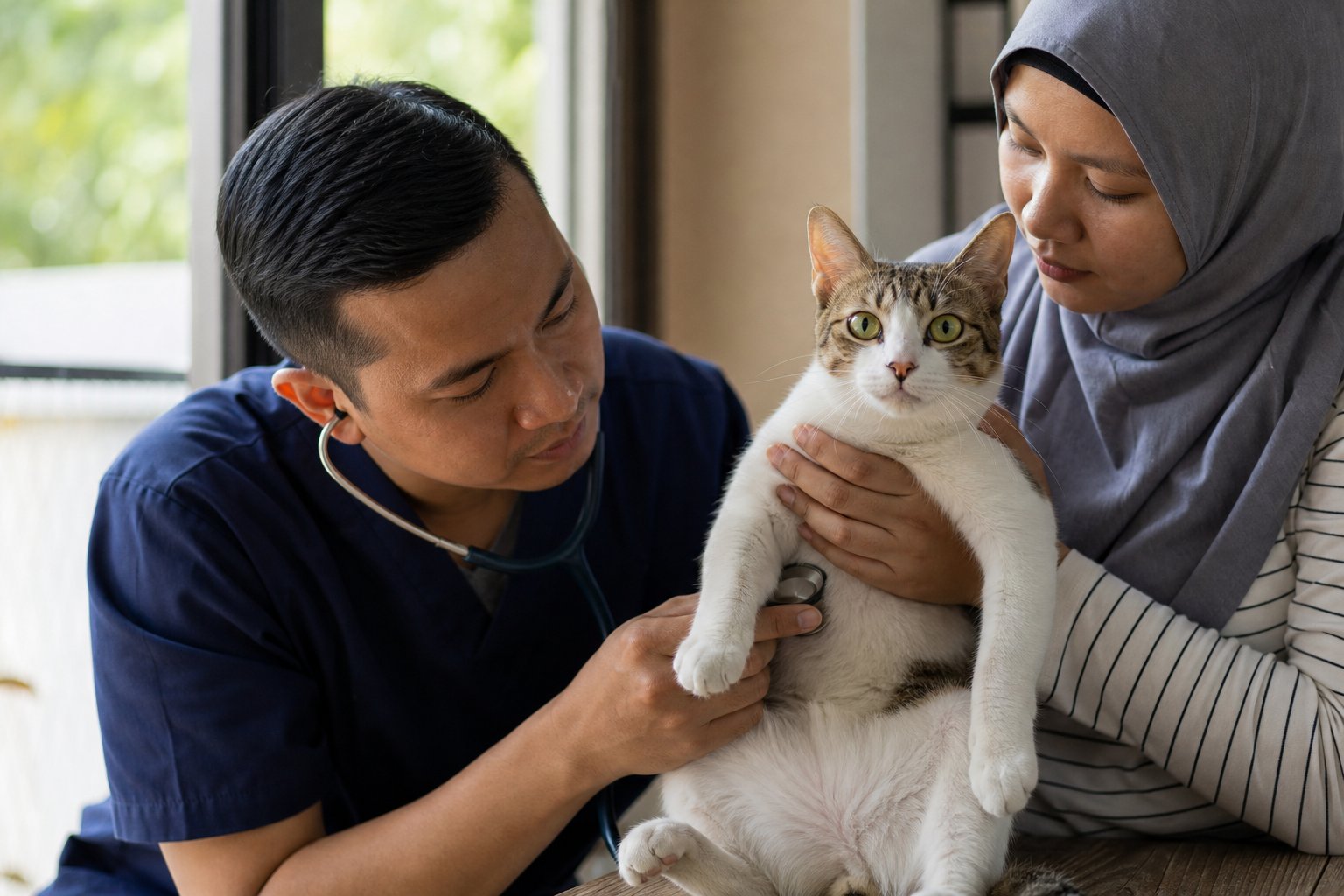
Fleas on a kitten are not just an itch problem. In a small body, fleas can cause anaemia, skin damage and tapeworm infection. The safe approach is to confirm the diagnosis, use a flea product that is appropriate for the kitten's age and weight, treat every pet in the home, and clean the environment thoroughly. When in doubt, ask a veterinarian before applying anything.
Why fleas matter more in kittens than in adult cats
A kitten has a small blood volume. A heavy flea burden can remove enough blood to cause anaemia, especially in kittens under a few months old or those already weak, thin or unwell. Flea bites also cause intense itching, which can lead to scratched skin, scabs and bacterial infection. Fleas can carry tapeworm larvae, so a kitten with fleas may also need worming advice from a vet.
In Malaysia's warm, humid climate, fleas can remain active throughout the year. There is no cold winter to break the flea life cycle, so an untreated environment can keep producing new fleas. That is why treating the kitten alone is rarely enough.
How to check a kitten for fleas
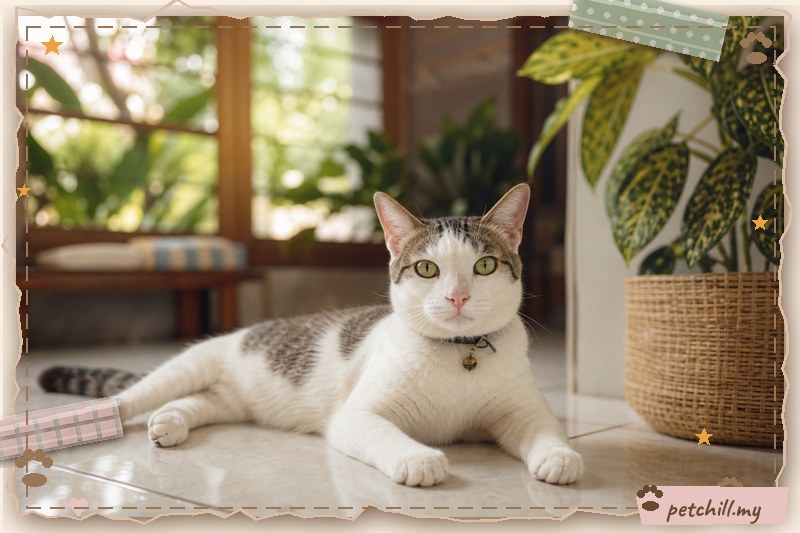
You do not always see fleas on a kitten. They are small, fast and often hide. Use a fine-toothed flea comb and check the neck, behind the ears, the belly, the armpits and the base of the tail.
Look for:
- Live fleas — small, dark, jumping insects.
- Flea dirt — black specks that look like pepper. Place a few specks on a damp white tissue; if they turn reddish-brown, that is digested blood and strongly suggests fleas.
- Itching and scratching — especially around the neck and tail base.
- Small scabs or crusts — from scratching or flea allergy.
- Pale gums — a sign of possible anaemia, which needs urgent veterinary attention.
- Restlessness or poor feeding — a very young kitten may seem unsettled or feed poorly.
If you are unsure, ask your vet to check. A quick comb and skin examination can confirm the problem and rule out other causes of itching, such as mites or ringworm.
Safe flea treatment for kittens: what to know before you buy
Flea products are not interchangeable. Many products sold for adult cats are too strong for kittens, and some dog products are dangerous to cats. Never use a dog flea product on a cat or kitten.
Before using any flea product, check:
- The label says it is for cats.
- The label gives a minimum age and weight that your kitten meets.
- The product is applied correctly — spot-on products go on the skin at the back of the neck, not into the fur, and the kitten must not lick the area.
- You separate treated kittens from other pets until the product is dry, and prevent grooming of the treated spot.
- You ask your vet if the kitten is under 8 weeks, underweight, unwell, pregnant or nursing.
Some flea products are licensed for kittens from around 8 weeks and a minimum weight, while others are not. Because labels differ by brand and country, read the packaging and confirm with your vet. Do not guess a dose by splitting an adult product.
Product types at a glance
| Product type | How it works | Cautions for kittens |
|---|---|---|
| Spot-on flea treatment | Applied to skin, kills fleas | Must match age and weight; prevent licking |
| Flea shampoo | Washes off dirt and some fleas | Not a lasting treatment; kittens chill easily |
| Flea comb | Removes fleas and dirt physically | Useful for very young kittens; check gently |
| Oral flea medication | Kills fleas after ingestion | Only if licensed for kittens; vet advice needed |
| Environmental spray or powder | Treats floors and bedding | Use only as directed; keep kittens away until dry |
Flea shampoos can help remove dirt and fleas, but they do not provide lasting control. Very young or weak kittens can become cold quickly during bathing, so keep baths short, use warm water and dry the kitten thoroughly. A damp kitten in an air-conditioned room can chill easily.
Treating the home: the part most people miss
Most of the flea population is in the environment — eggs, larvae and pupae in bedding, carpets, cracks and furniture. If you only treat the kitten, new fleas will emerge and reinfest it.
A practical cleaning routine:
- Wash bedding weekly in hot water, including blankets, cushions and pet beds.
- Vacuum thoroughly — floors, rugs, sofa seams, under furniture and along skirting boards. Vacuuming removes eggs, larvae and dirt and stimulates pupae to emerge so they can be killed.
- Empty the vacuum outside into a sealed bag, and dispose of it promptly.
- Clean hard floors with a suitable pet-safe cleaner and allow them to dry.
- Reduce clutter where flea eggs can settle.
- Treat all pets in the home at the same time, following each pet's label instructions.
- Repeat cleaning regularly for several weeks, because the flea life cycle can continue even after the kitten looks flea-free.
In a Kuala Lumpur apartment, focus on carpets, sofa seams and the cat's bedding. In a Johor terrace house, also check shaded outdoor areas, car porches and areas where stray cats may pass. During Penang's rainy season, damp bedding and humid corners can harbour flea eggs, so dry bedding thoroughly and keep sleeping areas clean.
Fleas, tapeworm and other health links
Fleas can carry tapeworm larvae. A kitten that swallows a flea during grooming can develop tapeworm. If you see rice-like segments around the tail base or in the bedding, ask your vet about worming. Flea bites can also trigger flea allergy dermatitis, causing severe itching and skin damage even from a few bites.
Some kittens develop secondary bacterial skin infections from scratching. Signs include redness, pus, crusts, hair loss and pain when touched. These need veterinary treatment; flea control alone may not resolve an infected skin.
When to see a vet
See a veterinarian promptly if your kitten:
- Has pale or white gums, is weak, lethargic or not feeding.
- Is very young (under 8 weeks) or underweight and has fleas.
- Has severe scratching, raw skin, bleeding, pus or hair loss.
- Has a swollen belly, diarrhoea or signs of worms.
- Is vomiting, drooling or unwell after a flea product was applied.
- Has fleas that persist despite correct treatment.
Do not wait if a small kitten seems weak. Anaemia can develop quickly. Bring the flea product packaging to the vet if you are unsure what was used.
Prevention for Malaysian homes
- Check your kitten weekly with a flea comb, especially after outings or contact with other animals.
- Keep up regular flea prevention as advised by your vet, adjusting for age and weight.
- Wash bedding often and vacuum regularly.
- Groom and check all pets in the household.
- Avoid letting your kitten mix with unknown or stray cats until flea prevention is established.
- Store flea products safely away from children and pets.
Flea prevention is not a one-off task. In Malaysia's climate, consistency matters more than a single treatment.
A simple action plan
- Confirm fleas with a flea comb or vet check.
- Check the kitten's age, weight and gums.
- Choose a kitten-safe product with your vet.
- Treat all pets at the same time.
- Clean bedding, floors and furniture thoroughly.
- Recheck the kitten every few days.
- See a vet if the kitten is weak, very young or not improving.
Frequently asked questions
Can I use adult flea medicine on my kitten? No. Adult flea products can be toxic to young kittens. Only use a product labelled for kittens of your cat's age and weight, and confirm with your vet before applying anything.
How do I know if my kitten has fleas? Look for black specks (flea dirt) in the coat, intense scratching, small scabs, and live fleas around the neck, belly and base of the tail. A fine-toothed flea comb makes checking easier.
Are fleas dangerous to very young kittens? Yes. Heavy flea infestations can cause anaemia in small kittens because fleas take blood meals. Pale gums, weakness and poor feeding are warning signs that need urgent veterinary care.
What is the youngest age a kitten can be treated for fleas? It depends on the product. Some flea treatments are licensed from 8 weeks and a minimum weight, while others are not. Your vet can advise on the safest option for a younger or smaller kitten.
Do indoor kittens in Malaysian apartments still get fleas? Yes. Fleas can arrive on clothing, shoes, other pets or visiting animals. Indoor kittens in apartments can still be exposed, so prevention and regular checking are still important.
How do I get rid of fleas in my home? Wash bedding in hot water, vacuum floors and furniture thoroughly, empty the vacuum outside, and treat all pets. Repeat cleaning regularly because flea eggs and larvae live in the environment, not just on the kitten.
Vet disclaimer
This article is general information for Malaysian pet owners and is not a substitute for veterinary advice. Flea products vary by brand and country, and young kittens can be vulnerable. Always read the label and consult a licensed veterinarian about your kitten's individual health and treatment.
Related reading
- Kitten Care Guide Malaysia: 0–12 Month Feeding, Vaccination, Deworming & Growth Timeline
- Kitten Development for Cats in Malaysia: A Stage-by-Stage Guide
- Kitten Deworming for Kittens: A Complete Malaysian Guide
- Kitten Deworming in Malaysia: A Complete Guide for New Cat Owners
- Kitten Teething for Kittens: A Complete Guide for Malaysian Owners
- Kitten Vaccination for Cat Owners: A Complete Malaysian Guide
- Nursing Cat Nutrition for Cat Owners: A Complete Malaysian Guide
- Cat Birth for Cat Owners: A Complete Guide to Labour, Delivery and Newborn Kittens
- Kitten Development for Cat Owners: A Complete Malaysian Guide



