
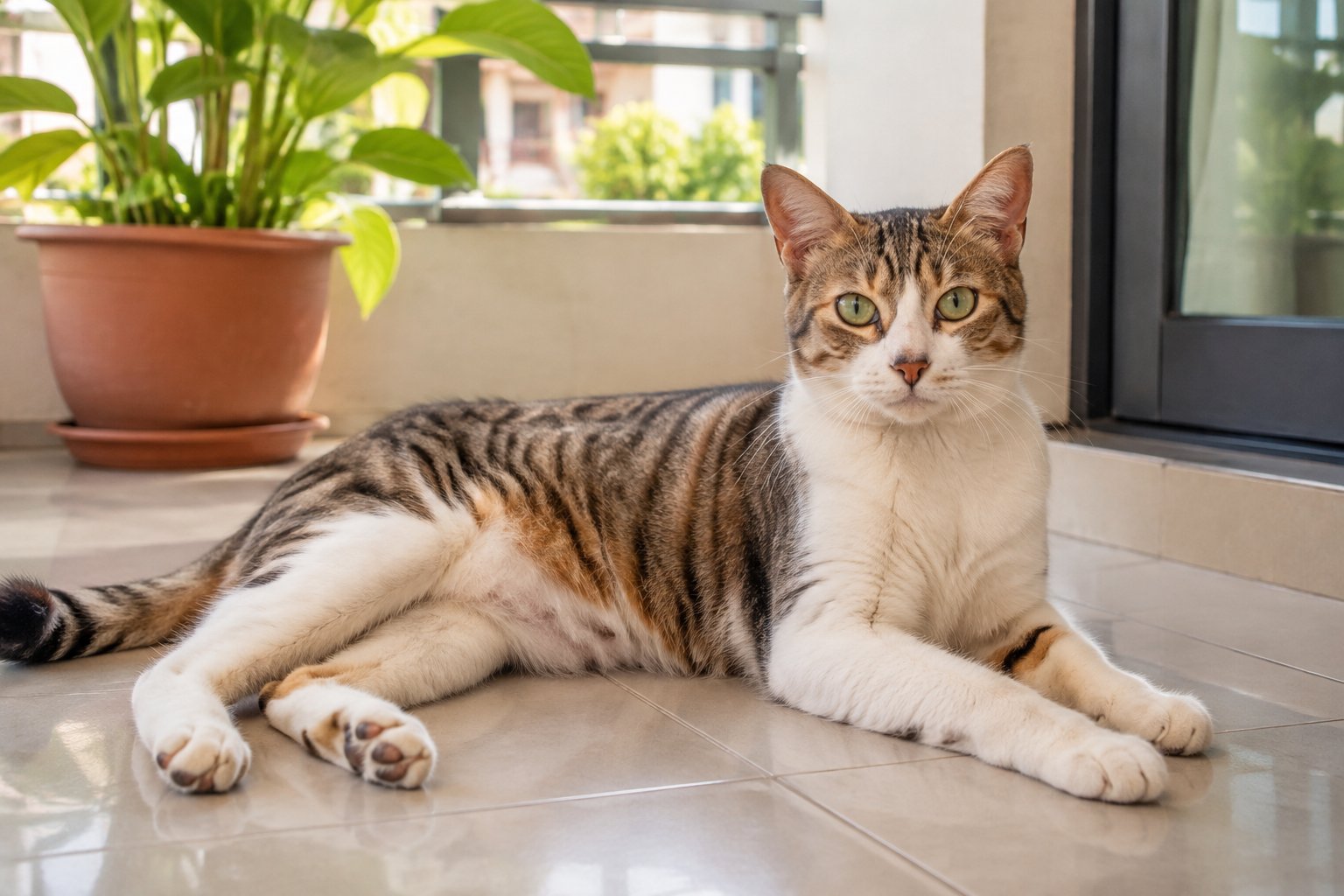
What kitten socialization really means
Kitten socialization is the process of helping a young cat feel safe and relaxed around people, other animals, sounds, surfaces, and everyday handling. It is not about making a kitten tolerate everything. It is about building confidence through choice, repetition, and positive experiences.
In Malaysia, kittens grow up in very different environments: high-rise apartments in Kuala Lumpur, terrace houses in Johor, and homes in Penang where rainy-season dampness changes indoor routines. The principles are the same, but the practical plan should fit your home, climate, and household.
The best time to start is early. The main socialization window is roughly 2–7 weeks of age, and benefits continue to about 14 weeks. That does not mean older kittens cannot learn. It means early, gentle exposure gives you the best foundation.
Why the early window matters
During the first weeks of life, kittens are especially open to new experiences. Positive exposure during this time can reduce fear later. Negative experiences can also leave a stronger mark, so the goal is calm, short, and controlled sessions.
A useful way to think about it is a ladder. Each rung is a small step: a new smell, a new sound, a new person, a new surface. You move up only when the kitten is relaxed at the current rung. If the kitten hides, freezes, flattens its ears, or hisses, you have moved too fast. Go back a step and try again later.
The 2–7 week window
At this age, kittens are still with the mother in most cases. Handling should be brief and gentle, and only if the mother is comfortable. Let the kitten smell your hand, support the body, and put the kitten back quickly. Short, frequent sessions are better than long ones.
The 7–14 week window
This is when many Malaysian owners bring a kitten home. The kitten is mobile, curious, and learning fast. Continue gentle handling, introduce calm visitors, and expose the kitten to household sounds. Keep sessions to a few minutes and end on a positive note.
After 14 weeks
Socialization does not stop. Adolescence brings new fears and new energy. Continue carrier practice, nail handling, brushing, and safe introductions. Adult cats can still learn, but progress may be slower and needs more patience.
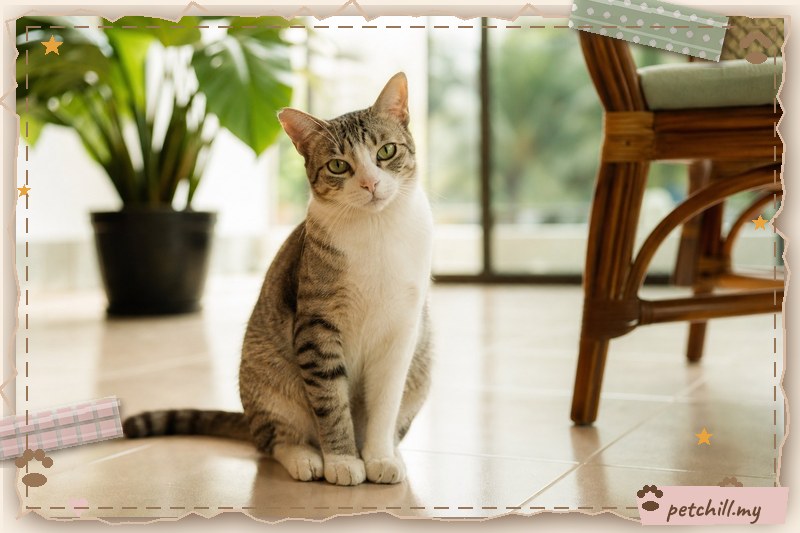
A step-by-step socialization plan for Malaysian homes
Use this plan as a guide, not a rigid schedule. Adjust to your kitten's comfort and your household routine.
Week 1: Set up a safe base
Choose one quiet room with a litter box, food, water, a bed, and a hiding spot. In a Kuala Lumpur apartment, a spare room or a quiet corner away from the lift lobby works well. In a Johor terrace house, avoid the busiest area near the front door.
Spend time sitting quietly in the room. Let the kitten approach you. Speak softly. Offer a treat or a toy. Do not pick the kitten up unless necessary.
Week 2: Gentle handling
Start with short handling sessions. Touch the paws, ears, and mouth briefly, then reward. Brush the coat gently. If your kitten is long-haired, use a soft brush and keep sessions short.
In Malaysia's warm climate, check for ticks and fleas during handling. Use only vet-approved parasite control for the kitten's age and weight.
Week 3: Introduce calm people
Invite one or two calm people to sit quietly and ignore the kitten. Let the kitten choose to approach. Ask visitors to avoid direct staring, loud voices, and sudden movements. A treat tossed gently can help.
If you have children, teach them to sit on the floor and let the kitten come to them. Supervise every interaction.
Week 4: Household sounds and surfaces
Play everyday sounds at low volume: a doorbell, a vacuum cleaner, a blender, rain on the window. Pair the sound with treats or play. Gradually increase volume only if the kitten stays relaxed.
Introduce different surfaces: tile, wood, carpet, a paper bag, a cardboard box. Let the kitten explore. In Penang's rainy season, indoor play with different textures is a good way to keep sessions going when outdoor time is limited.
Week 5: Carrier and travel practice
Leave the carrier open in the room with a blanket inside. Feed meals near it. Once the kitten is comfortable, close the door for a few seconds, then open it. Later, carry the carrier around the house and take short car rides if your kitten is calm.
This matters in Malaysia because vet visits often involve car travel. A kitten that accepts the carrier is easier to transport and less stressed at the clinic.
Week 6: Other pets
If you have resident cats or dogs, introduce scent first. Swap bedding or use a cloth to rub each animal. Then allow short, supervised meetings through a barrier. Watch body language. Separate them if either pet is tense.
Make sure resident pets are vaccinated and healthy. Give each pet separate food, water, litter, and resting areas. In a multi-pet Malaysian home, vertical space and baby gates can help.
Week 7 and beyond: Keep going
Continue short sessions. Add new people, new sounds, and new safe spaces. Keep a simple log of what went well and what needs more time.
Handling checklist for Malaysian owners
Use this checklist as a quick reference. Tick items off as your kitten becomes comfortable.
| Skill | What to do | Signs of comfort | Signs to slow down |
|---|---|---|---|
| Being picked up | Support chest and hindquarters, hold close, put down after a few seconds | Relaxed body, no struggle | Stiff body, flattened ears, hissing |
| Paw handling | Touch one paw briefly, reward, repeat later | Paw stays relaxed | Pulling away, hiding |
| Ear and mouth check | Lift ear flap gently, look at teeth briefly | Curious, calm | Head shaking, backing away |
| Brushing | Use soft brush, short strokes | Leaning in, purring | Trying to escape |
| Carrier | Leave open, feed near it, short closes | Enters voluntarily | Avoids carrier, cries |
| Visitors | Calm person sits quietly, lets kitten approach | Approaches, sniffs | Hides, freezes |
| Sounds | Low-volume recordings paired with treats | Eats during sound | Stops eating, hides |
| Other pets | Scent swap, barrier, supervised meeting | Relaxed body, slow blink | Stiff tail, growling, swatting |
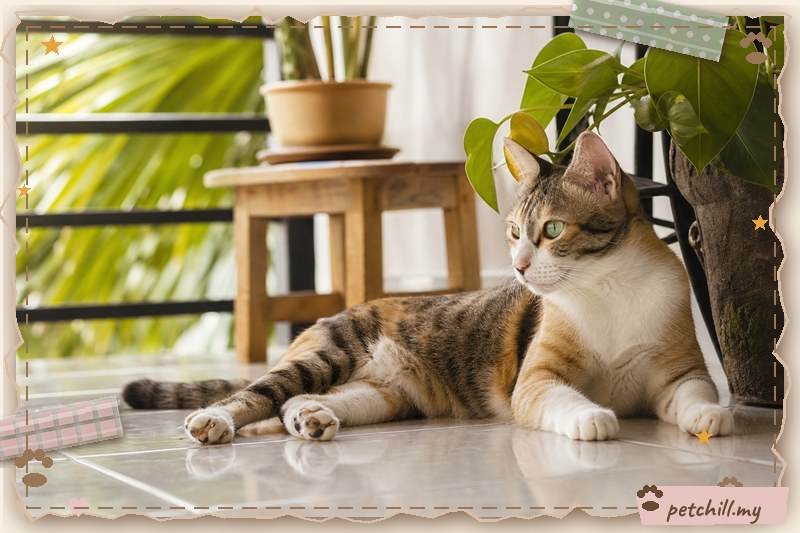
Common mistakes to avoid
Socialization is not a race. Avoid these common errors.
- Forcing interaction. If a kitten hides, do not pull it out. Let it come to you.
- Too many people too soon. A crowd can overwhelm a young kitten. Start with one or two calm people.
- Punishment. Never shout or tap a kitten for hiding or hissing. Fear needs patience, not punishment.
- Skipping the carrier. A carrier should be a normal part of life, not a signal that something scary is about to happen.
- Ignoring health. A sick or parasite-heavy kitten will struggle to socialize. Ask your vet about a health check and vaccination schedule.
- Comparing kittens. Each kitten has its own temperament. Some are bold, some are cautious. Progress looks different for each.
Socialization in different Malaysian living situations
Kuala Lumpur apartment
Apartments often have less outdoor space but more indoor sounds. Use a quiet room as a base. Introduce lift sounds, corridor noises, and doorbells at low volume. Provide vertical space with cat trees or shelves so the kitten can feel secure. Keep balcony access safe and screened.
Johor terrace house
Terrace houses may have more foot traffic and outdoor areas. Keep the kitten indoors or in a secure enclosure. Introduce household sounds like the gate, the car, and the washing machine. If you have a garden, supervise outdoor time and ensure the kitten cannot escape.
Penang rainy season
Rainy weather can limit outdoor exploration and increase indoor humidity. Use indoor play, puzzle feeders, and different textures to keep the kitten engaged. Check for damp bedding and keep the litter area dry. If the kitten is stressed by thunder, create a safe hiding spot and play calming sounds.
Multi-pet households
Introduce pets slowly. Use scent swapping, barriers, and supervised meetings. Feed pets separately. Provide enough litter boxes: one per cat plus one extra is a common guideline. In a busy Malaysian home, a baby gate can create safe separation.
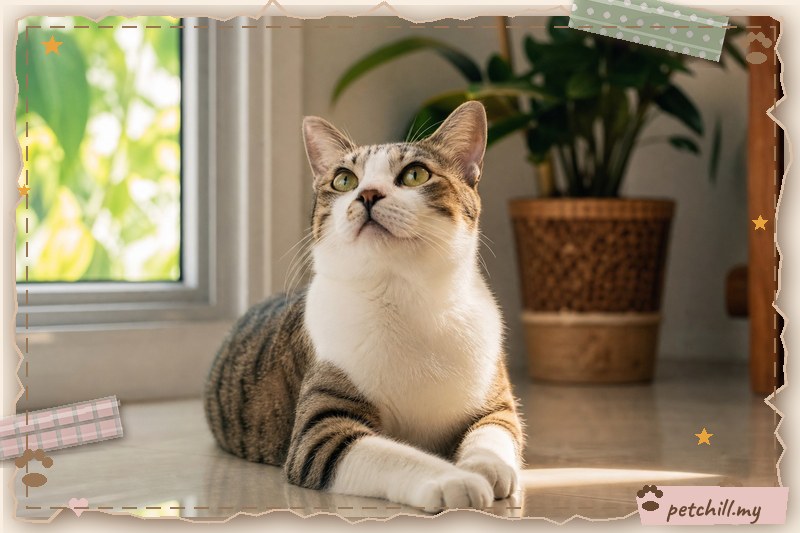
When to see a vet
Socialization is not a substitute for veterinary care. See a vet if your kitten shows any of these signs:
- Persistent hiding, refusal to eat, or extreme fear that does not improve with gentle handling.
- Diarrhoea, vomiting, lethargy, or poor weight gain.
- Sneezing, eye discharge, or breathing difficulty.
- Scratching or hair loss that may be parasites or skin infection.
- Sudden behaviour change, aggression, or fear that appears after a stressful event.
- Any concern about vaccination, parasite control, or diet.
Your vet can check for underlying health issues and advise on behaviour support. If you are unsure, call the clinic first.
A simple weekly log
Keep a short log to track progress. Write the date, what you did, how the kitten responded, and what to try next. This helps you see small improvements and spot patterns.
Example entry: "Tuesday: two-minute handling session. Touched paws and ears. Kitten relaxed, took a treat. Tomorrow: try brushing for one minute."
Final thoughts
Socializing a kitten in Malaysia is about building trust through small, positive steps. Start early if you can, but remember that older kittens and adult cats can still learn. Fit the plan to your home, whether it is a Kuala Lumpur apartment, a Johor terrace house, or a Penang home during the rainy season. Keep sessions short, reward calm behaviour, and involve your vet when health or behaviour concerns arise.
Vet disclaimer: This article is for general information only and is not a substitute for professional veterinary advice. Always consult a licensed veterinarian in Malaysia for diagnosis, treatment, vaccination, and behaviour concerns specific to your kitten.
Related reading
- Kitten Care Guide Malaysia: 0–12 Month Feeding, Vaccination, Deworming & Growth Timeline
- Kitten Play Biting in Kittens Malaysia: Why It Happens and How to Stop It
- Kitten Sleep Needs: A Complete Guide for Malaysian Owners
- Kitten Development for Cat Owners: A Complete Malaysian Guide
- Kitten Diarrhea: A Practical Guide for Malaysian Cat Owners
- Kitten Feeding Amounts in Malaysia: How Much to Feed a Kitten at Every Stage
- Kitten First Vet Visit: A Complete Guide for Malaysian Owners
- Kitten Grooming for Kittens: A Complete Guide for Malaysian Owners
- Kitten Sleep Needs in Kittens Malaysia: How Much Sleep Do Kittens Need?
- Kitten Socialisation in Malaysia: The 3-Week to 3-Month Golden Period, Week by Week



