
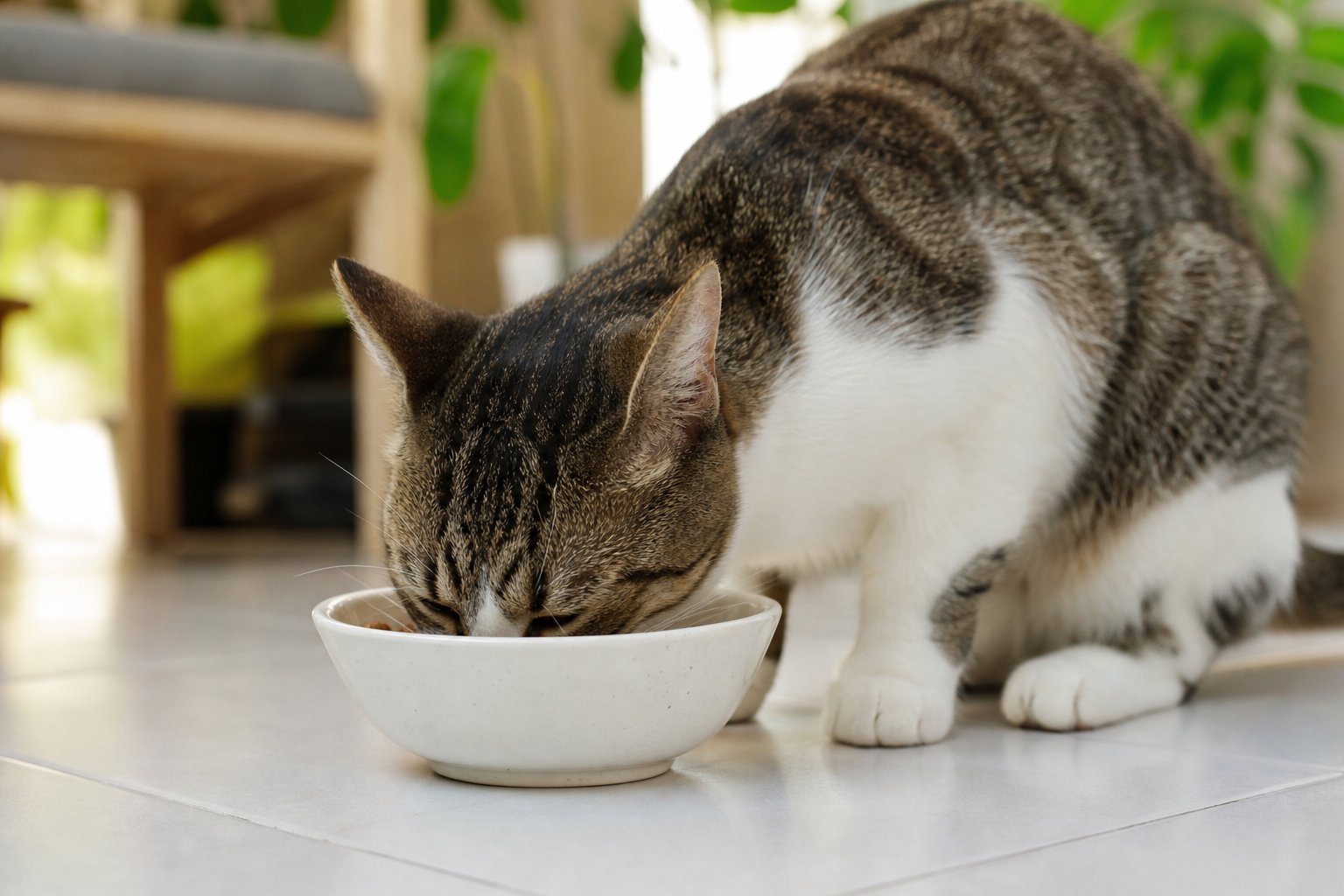
Why a gradual kitten food transition matters
Kittens have small digestive systems and high energy needs. A sudden change in food — even from one good brand to another — can upset the gut, causing loose stools, vomiting or a refusal to eat. A gradual transition gives the digestive tract time to adjust and lets you spot problems early.
The goal is simple: move from the current food to the new food over 7–10 days while keeping the kitten eating well and passing normal stools. This guide covers weaning, switching brands or formats, moving to adult food, and what to do when things go wrong.
First, know what your kitten should be eating
Before any transition, confirm the food is appropriate for the kitten's age and health.
- Birth to 4 weeks: Mother's milk only. Orphaned kittens need a commercial kitten milk replacer — never cow's milk.
- Around 3–4 weeks: Start weaning with kitten milk replacer mixed with a little canned kitten food to a gruel consistency.
- 4–8 weeks: Gradually increase solid food and reduce milk replacer. Offer small meals 4–5 times daily.
- 2–6 months: Complete kitten food, fed 3–4 times daily. Kittens need more calories per kilogram than adult cats.
- 6–12 months: Continue kitten food, reducing to 2–3 meals daily. Most cats move to adult food around 10–12 months.
Look for a label stating the food is "complete" for growth or all life stages. This means it meets nutritional standards for kittens. Avoid adult maintenance food for a young kitten unless your vet advises otherwise.
Wet, dry or mixed?
Both wet and dry complete kitten foods can work. Wet food provides water, which helps hydration. Dry food is convenient and can be left out briefly, but it offers less water. Many Malaysian owners feed a mix. If you do, transition each food type separately so you can tell which one causes any digestive upset.
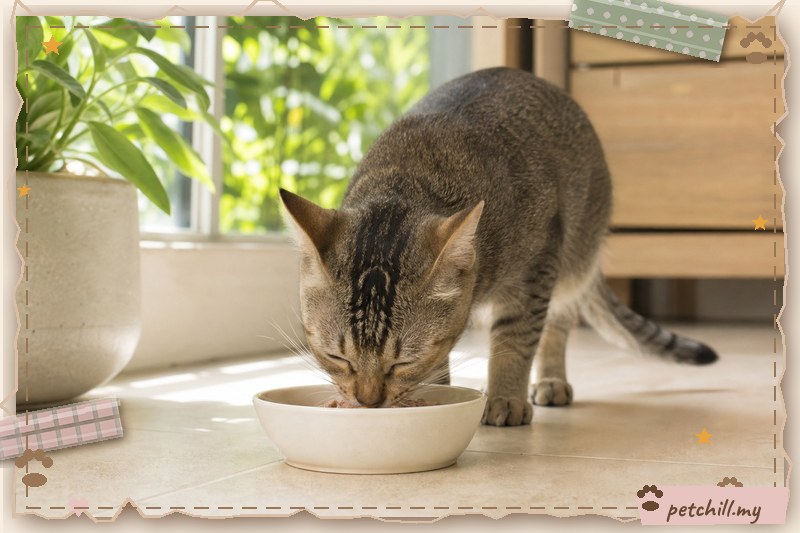
The 7–10 day transition schedule
Use this as a starting point. Slow down if your kitten has soft stool or seems reluctant.
| Day | Old food | New food | What to watch |
|---|---|---|---|
| 1–2 | 75% | 25% | Appetite, stool consistency |
| 3–4 | 50% | 50% | Any vomiting or refusal |
| 5–6 | 25% | 75% | Energy level, stool |
| 7–8 | 10% | 90% | Almost complete |
| 9–10 | 0% | 100% | Confirm normal stools and appetite |
Mix thoroughly so the kitten cannot pick out only the old food. For dry food, mix the kibble in the same bowl. For wet food, stir together until evenly blended.
Practical tips for the switch
- Keep meal times consistent. Sudden routine changes add stress.
- Warm wet food slightly. A little warmth improves aroma, which encourages eating. Test the temperature on your wrist first.
- Do not free-feed unlimited dry food during a transition. Measured meals help you notice reduced appetite early.
- Use separate bowls if you have multiple cats. This prevents one cat eating another's food.
- Keep fresh water available at all times.
- Avoid changing other things at the same time. Do not combine a food switch with a new home, new litter or vaccination day if you can avoid it.
Weaning: the first food transition
Weaning is the first and most important transition. Around 3–4 weeks, kittens begin to explore solid food. The process usually takes 3–4 weeks.
- Start with gruel. Mix kitten milk replacer with canned kitten food until it is soupy.
- Offer it on a shallow plate. Let the kitten lick it. Some mess is normal.
- Reduce liquid gradually. Over 2–3 weeks, make the mixture thicker.
- Introduce dry kibble. Some kittens manage softened kibble by 5–6 weeks. Soak it in milk replacer first.
- Keep the mother's milk available if the mother is present. Weaning should not be forced.
Orphaned kittens need extra care. Follow the milk replacer instructions and ask a vet about the right schedule. Never feed cow's milk, as it can cause diarrhoea.

Switching brands or formulas
Owners switch food for many reasons: a new brand, a better price, a formula change, or a vet recommendation. Whatever the reason, use the same gradual method.
When the old food is running out
Plan ahead. If you have only a few days of old food left, start the transition earlier or buy a small bag of the old food to bridge the gap. A rushed switch is more likely to cause diarrhoea.
When a vet prescribes a therapeutic diet
Sometimes a vet recommends a prescription diet for a medical issue. In that case, follow the vet's instructions. They may advise a faster or slower transition depending on the condition. Do not delay a prescribed diet because of a general rule.
When the manufacturer changes the formula
If the same brand changes its recipe, treat it as a new food. Mix the old and new versions gradually if you can still find the old one. If not, transition slowly and monitor stools.
Moving from kitten food to adult food
Most kittens reach adult size and nutritional needs around 10–12 months. The transition to adult food should also be gradual.
- Timing: Around 10–12 months, or as advised by your vet. Neutered cats may benefit from a controlled switch to avoid weight gain.
- Method: Use the same 7–10 day mixing schedule.
- Amount: Adult food is less calorie-dense. Follow the feeding guide on the pack and adjust based on body condition.
- Monitor weight: Weigh your cat monthly for the first few months. Ask your vet if you are unsure about body condition.
Some large cats may continue growing until 12–18 months. Your vet can advise whether to stay on kitten food longer.

Common problems during a food transition
Diarrhoea
Mild soft stool can occur. Slow the transition and ensure the kitten is drinking. Watery diarrhoea, blood, repeated vomiting or lethargy needs veterinary attention, especially in kittens under 4 months.
Refusing the new food
Kittens can be suspicious of new textures. Try warming wet food, offering a small amount by hand, or mixing a little old food back in. Never withhold food to force a switch. A kitten that refuses food for more than 24 hours should see a vet.
Vomiting
Occasional vomiting after a meal may be due to eating too fast. Smaller, more frequent meals can help. Repeated vomiting or vomiting with diarrhoea needs a vet.
Constipation
A switch to dry food can reduce water intake. Ensure fresh water is available and consider mixing in wet food. Persistent constipation needs veterinary advice.
Allergic reactions
True food allergies are uncommon in kittens but can cause itching, ear problems or digestive signs. If you suspect a problem, stop the new food and consult a vet.
Feeding environment and hygiene in Malaysian homes
Malaysia's warm, humid climate affects food storage and hygiene.
- Store dry food sealed and cool. Humidity can make kibble stale or mouldy. Keep the bag closed and use it within the recommended time after opening.
- Refrigerate opened wet food. Discard uneaten wet food after about 30 minutes at room temperature.
- Wash bowls daily. Warm water and soap help prevent bacterial growth.
- Watch for ants and pests. Store food in airtight containers.
In apartments, space can be limited. Choose a quiet corner for feeding, away from the litter box. In terrace houses, watch for other pets or children disturbing the kitten during meals.
When to see a vet
Contact a veterinarian promptly if your kitten:
- Refuses all food for more than 24 hours
- Has watery diarrhoea, bloody stool or repeated vomiting
- Appears lethargic, weak or dehydrated
- Has a bloated or painful abdomen
- Shows signs of pain when eating
- Is losing weight or not growing
- Has a known medical condition and you are changing diet
Young kittens can deteriorate quickly. When in doubt, call your vet.
Building a transition checklist
Before you start, gather:
- The current food, enough to last the transition
- The new food, in a small quantity first
- A shallow plate and separate bowls
- A notebook or phone note to record stools and appetite
- Fresh water available at all times
- A vet contact number
During the transition:
- Mix old and new food thoroughly
- Increase the new food every 2–3 days
- Monitor stools daily
- Monitor appetite and energy
- Slow down if problems occur
- Complete the switch only when stools are normal
Final thoughts
A kitten food transition is a simple process when done gradually. Whether you are weaning a young kitten, changing brands, or moving to adult food, the 7–10 day method protects the digestive system and helps you spot problems early. Keep meals consistent, monitor stools and appetite, and involve your vet when something seems wrong. With a little patience, most kittens move to their new food without trouble.
This article provides general information and is not a substitute for veterinary advice. Always consult a licensed veterinarian for your kitten's specific needs.
Related reading
- Kitten Care Guide Malaysia: 0–12 Month Feeding, Vaccination, Deworming & Growth Timeline
- Kitten Feeding Amounts: A Complete Guide for Malaysian Owners
- Kitten Food Transition in Kittens Malaysia: A Safe Step-by-Step Guide
- Kitten Feeding Amounts in Malaysia: How Much to Feed a Kitten at Every Stage
- Kitten First Year Checklist in Malaysia: Supplies, Vet Schedule and Monthly Milestones
- Kitten Flea Treatment in Kittens Malaysia: Safe Options by Age
- Kitten Teething in Malaysia: A Complete Guide to Your Kitten's Baby Teeth
- Kitten Weight Chart in Malaysia: Healthy Growth Week by Week



