
Quick answer
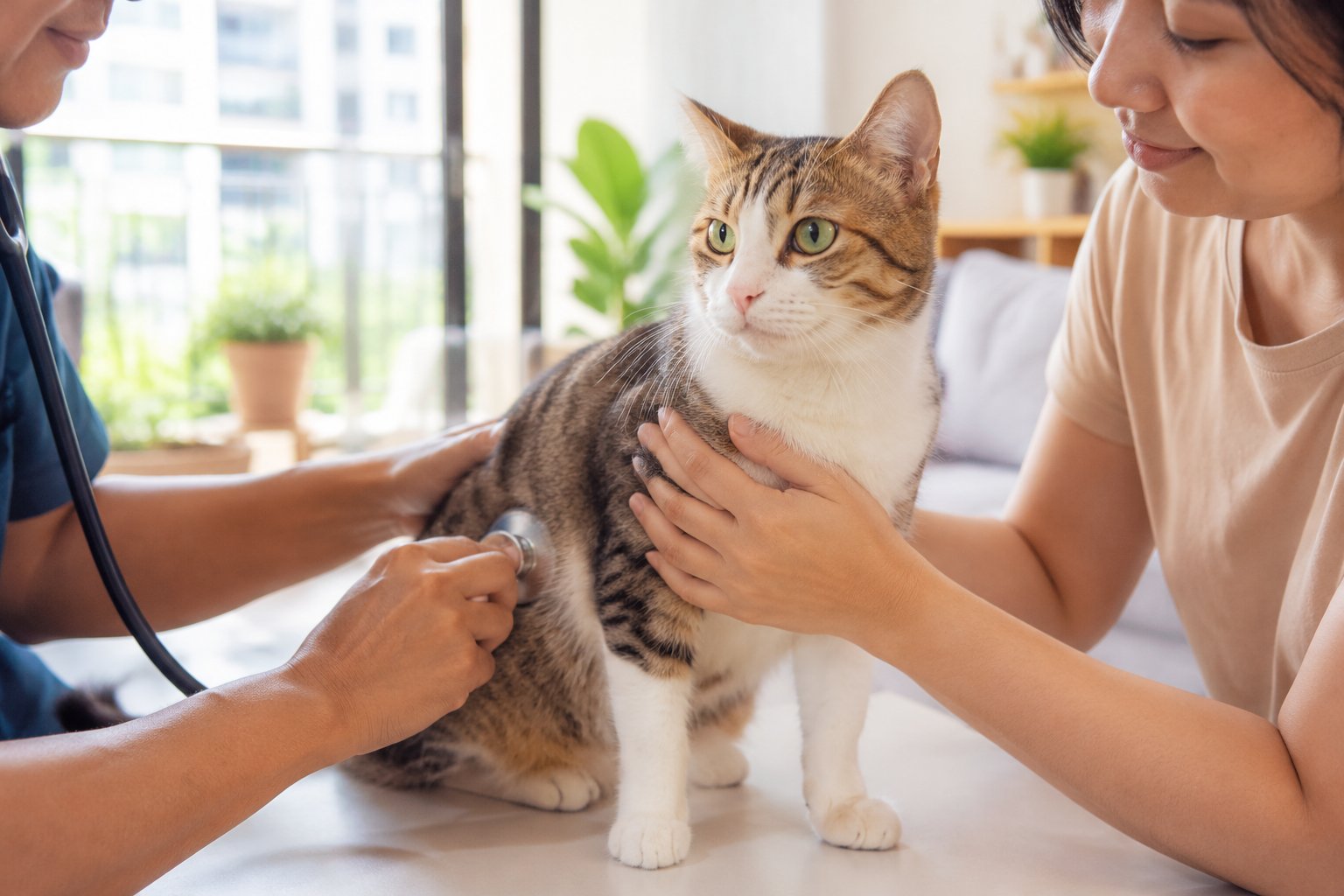
Most flea products are unsafe for kittens under 8 weeks or under 1 kg. Use only kitten-labelled products, never dog products, and treat the home as well as the pet. Consult a Malaysian vet for the right product and dose for your kitten's age and weight.
Why fleas are a year-round problem in Malaysia
Malaysia's warm, humid climate means fleas can breed throughout the year. Unlike colder countries where flea season is limited to summer, Malaysian homes can support flea populations in any month. This is especially true in apartments and terrace houses where pets share close quarters with people.
Fleas are not just an annoyance. They bite, cause itching and skin infections, and can transmit tapeworms. In young kittens, a heavy flea burden can cause anaemia (low red blood cells) because kittens are small and fleas take blood meals. This is a medical emergency.
Kittens are also more vulnerable to flea products themselves. Their skin is thinner, their body weight is low, and their liver and kidneys are still developing. That is why product choice and dosing matter so much.
How to check your kitten for fleas
You may not see adult fleas because they are small and fast. Instead, look for signs:
- Flea dirt: Black specks in the coat, especially around the neck, back, and tail base. Place specks on a damp white paper towel; if they turn reddish-brown, it is digested blood (flea dirt).
- Scratching and biting: Kittens may scratch, bite, or groom excessively.
- Hair loss and scabs: Especially around the neck and back.
- Pale gums: A sign of anaemia in severe infestations. Check gums; they should be pink, not white.
- Restlessness: Kittens may seem uncomfortable or cry more.
Use a fine-tooth flea comb over a white surface. Comb several times, especially along the back and tail. If you find flea dirt or fleas, treat the kitten and the environment.
Age and weight limits: the most important rule
Flea products are not one-size-fits-all. The label gives the minimum age and weight. Common limits:
- Many spot-on products: 8 weeks and 1 kg.
- Some products: 6 weeks and 1 kg.
- Some sprays: may be used on kittens from 2 days under veterinary guidance, but this is not a do-it-yourself option.
- Oral products: usually 8 weeks and 1 kg or more.
Never guess. If your kitten is younger or lighter than the label, ask your vet. They may recommend a physical method (combing) or a product used off-label under their supervision. Off-label use should only be done by a vet who knows your kitten.
Never use a product labelled for dogs on a cat or kitten. Many dog products contain permethrin, which is highly toxic to cats and can cause tremors, seizures, and death. Read every label.
Types of flea treatment for kittens
| Product type | How it works | Suitability for kittens | Pros | Cons |
|---|---|---|---|---|
| Spot-on | Liquid applied to skin between shoulder blades | Many from 8 weeks/1 kg; some from 6 weeks | Easy, long-lasting (monthly) | Must not be licked; dose by weight |
| Oral tablet | Chewable or pill given by mouth | Usually 8 weeks/1 kg+ | No residue, fast kill | Some kittens resist pills; vet advice needed |
| Flea spray | Sprayed over coat | Some from 2 days under vet guidance | Can treat very young kittens | Labour-intensive, drying, risk of inhalation |
| Flea shampoo | Bath | Only if kitten is healthy and vet approves | Kills fleas on contact | Temporary, stressful, not for sick kittens |
| Flea comb | Physical removal | Any age | Safe, no chemicals | Does not kill fleas or eggs; needs frequent use |
| Flea collar | Slow-release | Not recommended for young kittens | Long-lasting | Choking risk, inconsistent dose |
For most Malaysian owners with kittens over 8 weeks and 1 kg, a vet-recommended spot-on is the simplest choice. For younger kittens, combing and environmental control are the mainstays until they reach the label age.
How to apply spot-on treatment correctly
- Weigh your kitten. Use a kitchen scale. Dose by weight, not by guess.
- Read the label. Confirm age and weight limits.
- Part the fur between the shoulder blades, at the base of the neck, where the kitten cannot lick.
- Apply directly to skin, not fur. If you apply to fur, it will not work.
- Do not touch the wet spot until dry. Wash your hands after application.
- Keep the kitten away from other pets until dry, usually a few hours.
- Do not bathe for at least 48 hours before or after application unless the label says otherwise.
- Record the date and set a reminder for the next dose.
If you have multiple kittens, treat all of them at the same time to prevent reinfestation. Also treat any adult cats and dogs in the home with species-appropriate products.
Treating the home: the part most people miss
Fleas spend most of their life cycle off the pet. Eggs fall into bedding, carpets, and cracks. Larvae develop in dark, humid places. Pupae can survive for months. If you only treat the kitten, you will see fleas again.
A practical home plan:
- Wash bedding weekly in hot water. This includes pet beds, blankets, and your own bedding if the kitten sleeps with you.
- Vacuum thoroughly at least twice a week, including under furniture, along skirting boards, and in car seats if the kitten travels. Dispose of the vacuum bag or empty the canister outside.
- Steam clean carpets and upholstery if possible. Heat kills eggs and larvae.
- Use a household flea spray labelled for indoor use. Follow instructions and keep pets and people away until dry. Ask your vet or retailer for products suitable for homes with kittens.
- Repeat treatment according to the label, often every few weeks, to catch newly hatched fleas.
- Outdoor areas: If your kitten has access to a garden or balcony, keep grass short and remove debris where fleas may breed.
In Malaysian apartments, fleas can spread through shared corridors and lifts. If you live in a condominium, keep your kitten indoors and treat your unit thoroughly. In terrace houses, check areas where stray cats may visit, such as car porches and gardens.
What about very young kittens (under 8 weeks)?
Very young kittens need special care. Most chemical products are not licensed for them. Options include:
- Flea combing: Comb daily with a fine-tooth comb dipped in soapy water. This removes adult fleas and flea dirt.
- Bathing: A gentle bath with kitten-safe shampoo may be recommended by your vet if the kitten is healthy and warm. Never bathe a sick or chilled kitten.
- Environmental control: Wash bedding daily, vacuum, and keep the kitten's area clean.
- Vet visit: If the kitten is pale, weak, or heavily infested, see a vet immediately. Anaemia can develop quickly.
Do not use essential oils, garlic, or home remedies. These are not proven and can be toxic to kittens.
Fleas and tapeworms: the link
Fleas can carry tapeworm larvae. If a kitten swallows a flea during grooming, it can develop tapeworms. You may see rice-like segments around the anus or in the stool. Deworming is part of kitten care, and your vet can advise on a schedule. Controlling fleas reduces the risk of tapeworms.
Flea treatment and other kitten care
Flea treatment should fit into a broader kitten care plan:
- Vaccination: Follow your vet's schedule. Flea treatment can be given around vaccination, but check with your vet.
- Deworming: Regular deworming from an early age.
- Nutrition: Good nutrition supports skin and coat health.
- Grooming: Regular combing helps you spot fleas early.
- Indoor lifestyle: Keeping your kitten indoors reduces exposure to fleas and other parasites.
Common mistakes to avoid
- Using dog products: Permethrin toxicity is a common and preventable emergency.
- Using adult cat products on kittens: Dose is too high.
- Treating only the kitten: The home remains infested.
- Skipping doses: Flea life cycle continues.
- Bathing too soon: Washes off spot-on treatment.
- Using flea collars on young kittens: Risk of choking and inconsistent dose.
- Ignoring anaemia signs: Pale gums, weakness, and lethargy need urgent vet care.
When to see a vet
See a vet if your kitten:
- Is under 8 weeks or under 1 kg and you are unsure about treatment.
- Has pale gums, is weak, lethargic, or not eating.
- Has severe scratching, hair loss, or skin wounds.
- Has a heavy flea infestation that does not improve with treatment.
- Shows signs of toxicity after flea treatment: drooling, tremors, vomiting, or seizures. This is an emergency.
- Has tapeworm segments or other parasites.
- Is due for vaccination or deworming; combine the visit with flea advice.
Your vet can confirm the product, dose, and schedule for your kitten's age and weight. They can also check for underlying health issues.
Building a flea control routine
A simple monthly routine:
- Weigh your kitten monthly.
- Apply flea treatment according to label and vet advice.
- Wash bedding weekly.
- Vacuum twice weekly.
- Comb your kitten weekly and check for flea dirt.
- Record dates and set reminders.
- Review with your vet at vaccination visits.
In Malaysia's climate, consistency matters. Missing a month can allow fleas to rebound.
Conclusion
Flea treatment for kittens requires care. The key points are: never use dog products, follow age and weight limits, treat the home as well as the kitten, and ask a Malaysian vet when in doubt. With a consistent routine, you can keep your kitten comfortable and flea-free.
This article is for general information only and is not a substitute for veterinary advice. Always consult a licensed veterinarian for diagnosis and treatment of your kitten.
Related reading
- Kitten Care Guide Malaysia: 0–12 Month Feeding, Vaccination, Deworming & Growth Timeline
- Kitten Development for Cats in Malaysia: A Stage-by-Stage Guide
- Kitten Deworming for Kittens: A Complete Malaysian Guide
- Kitten Deworming in Malaysia: A Complete Guide for New Cat Owners
- Kitten Fleas in Malaysia: Safe Treatment for Tiny Cats
- Kitten Teething for Kittens: A Complete Guide for Malaysian Owners
- Kitten Vaccination for Cat Owners: A Complete Malaysian Guide
- Nursing Cat Nutrition for Cat Owners: A Complete Malaysian Guide
- Cat Birth for Cat Owners: A Complete Guide to Labour, Delivery and Newborn Kittens