
The short answer
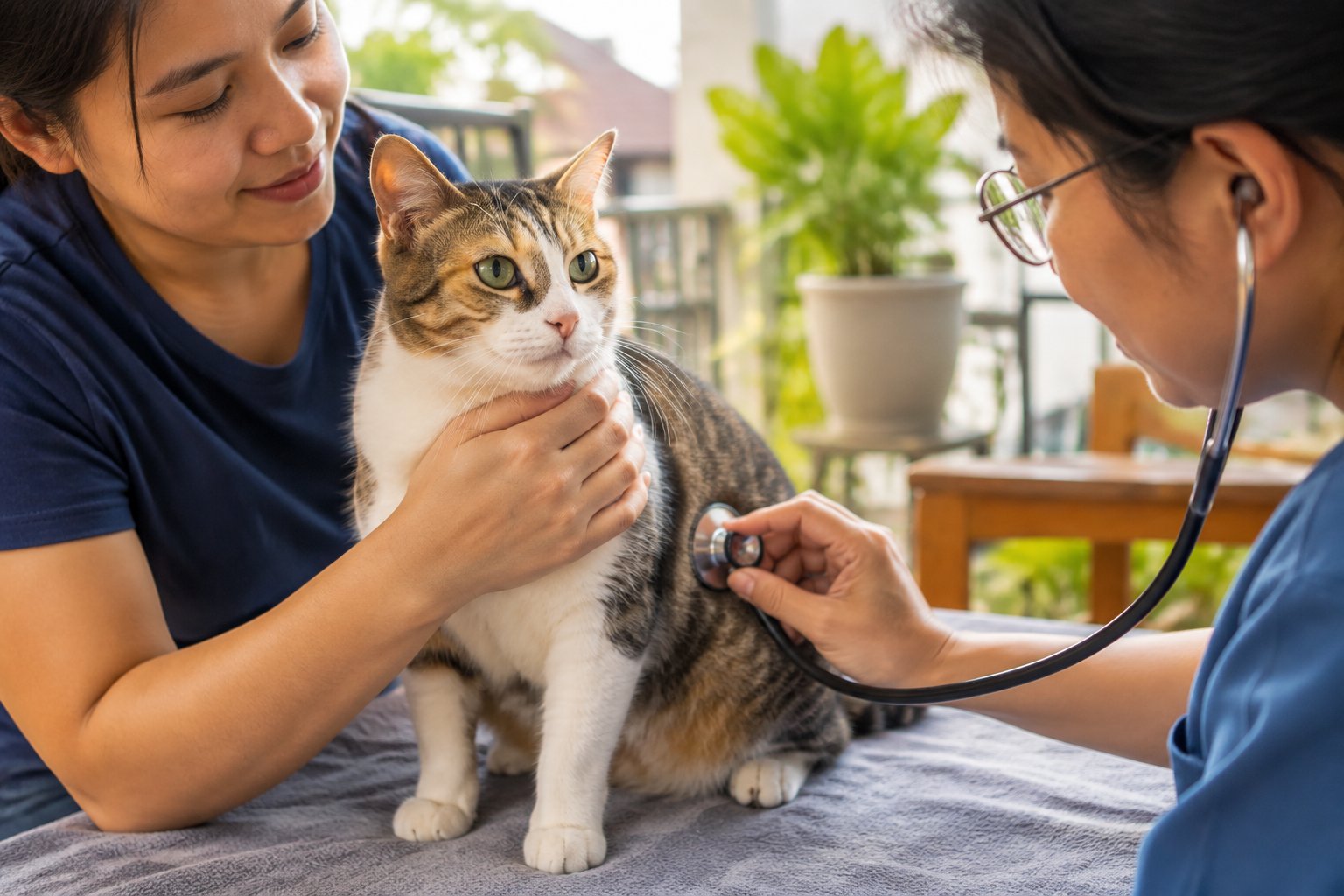
Book the first vet visit within two to three days of your kitten coming home, and before it reaches eight to nine weeks old if you can. That first appointment is not just a jab: it is a full baseline check, a parasite plan, a vaccination roadmap and your chance to ask every beginner question without feeling silly.
Kittens are not small cats. They lose body heat quickly, dehydrate fast, and can crash within a day of a mild-sounding illness. A first visit gives your vet a recorded weight and a normal reference point, so that when something changes later you both know what "normal" looked like.
Why the first visit matters more than the vaccines alone
Most new owners think of the first visit as "the vaccination appointment". Vaccines matter, but they are one line item on a longer list.
Weight is a vital sign. A kitten that gains steadily is usually thriving. A kitten that has lost weight since you brought it home needs a closer look, even if it seems playful. Your vet will plot weight and ask you to come back for a recheck rather than guess.
Parasites are common and often invisible. Roundworms, tapeworms, fleas and ear mites are frequent in kittens, including ones that look clean. Deworming is usually started early and repeated on a schedule, because a single dose does not clear every life stage of the parasite.
Congenital and infectious problems surface early. Heart murmurs, umbilical hernias, eye ulcers, persistent diarrhoea and upper respiratory infections are all things a vet can spot in a ten-minute examination. Finding them at eight weeks is usually cheaper and easier than finding them at eight months.
You get a plan, not just a bill. A good first visit ends with a written or clearly explained schedule: when to deworm, when to vaccinate, when to recheck weight, when to discuss neutering, and what to do if the kitten stops eating.
What actually happens during the examination
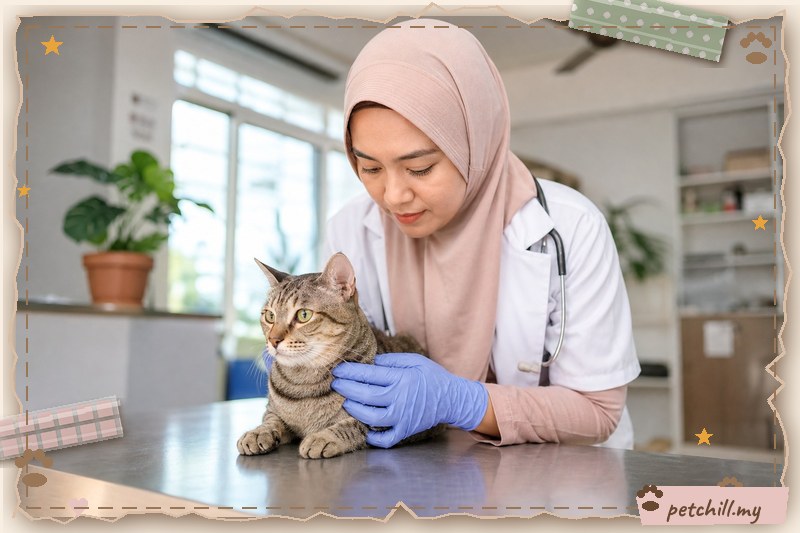
A typical first kitten consultation follows a predictable pattern. Knowing it in advance makes the visit less stressful for you and your kitten.
- History taking. The vet asks where the kitten came from, what it eats, how much, whether it is passing normal stools and urine, whether it has been vaccinated or dewormed, and whether other cats live in the home.
- Weighing. A digital scale reading, recorded in the file.
- General inspection. Body condition, coat quality, whether the kitten is hydrated, and its demeanour.
- Head check. Eyes for discharge or ulcers, ears for mites and wax, mouth for ulcers, retained baby teeth or a cleft palate, nose for discharge.
- Chest and heart. Listening for murmurs or abnormal lung sounds.
- Abdomen. Feeling for enlarged organs, hernias, impacted stool or a bloated belly.
- Skin and coat. Parting the fur to look for fleas, flea dirt, ringworm patches and scabs.
- Temperature and rear end. A rectal temperature and a look at the anus and tail area for diarrhoea staining or worms.
- Discussion and plan. Vaccines, deworming, flea control, nutrition, litter, neutering timing and what to watch for.
Some clinics also run a faecal flotation test, a feline leukaemia and immunodeficiency virus test (especially for kittens from unknown backgrounds or multi-cat households), or a skin test if ringworm is suspected. Ask whether these are included or charged separately.
Vaccination: what Malaysian vets typically recommend
Core kitten vaccination in Malaysia generally follows international norms. The core combination covers feline panleukopenia (feline parvovirus), feline herpesvirus and feline calicivirus, often referred to as the "FVRCP" or "tricat" group.
A common pattern looks like this:
| Age | Typical action |
|---|---|
| 6–8 weeks | First health check; deworming often starts here; first vaccine may begin depending on the vet |
| 8–9 weeks | First core vaccine (if not already given) |
| 12 weeks | Second core vaccine |
| 16 weeks | Third core vaccine, or as your vet advises |
| 16 weeks or later | Rabies vaccine where required or advised; discuss microchipping |
| 6–12 months | Neutering discussion; booster planning |
This is a general guide, not a prescription. Vets adjust for the kitten's age at first presentation, health status, and whether the kitten has already had doses of unknown provenance. If you have a record from a breeder or shelter, bring it; your vet will decide whether to restart or continue the course.
Rabies vaccination is handled differently across jurisdictions and situations, so ask your vet directly about what applies to your kitten and whether any documentation is needed for travel or licensing.
Deworming, fleas and other parasites
Kittens are commonly dewormed every two weeks until around twelve weeks of age, then monthly until six months, then on an adult schedule. Your vet will set the interval based on the product used and the kitten's weight.
Key points owners often miss:
- Dose by weight, not by guess. Kitten weights change fast. Never split an adult tablet by eye.
- Use kitten-safe products only. Some adult flea products, and some dog products, are toxic to cats. Ask before applying anything.
- Treat the environment too. Fleas spend most of their life off the animal. Wash bedding, vacuum, and ask your vet about household control.
- Ear mites need specific treatment. Cleaning alone does not resolve them.
- Bring a stool sample if you can. A fresh sample in a clean container helps the vet decide whether a faecal test is worthwhile.
Preparing your kitten for the trip
Malaysian traffic, heat and humidity make transport a real consideration, not an afterthought.
Use a proper carrier. A hard-sided carrier with a secure latch is safest. A cardboard box can collapse or be crushed. Line it with an absorbent pad and a familiar-smelling blanket.
Cover the carrier. A light towel over the carrier reduces visual stress. Leave ventilation gaps.
Avoid the hottest part of the day. Cars heat up fast even with windows down. Move the kitten directly from air-conditioned home to air-conditioned car to air-conditioned clinic where possible, and never leave a kitten in a parked car.
Skip the big meal right before travel. A light meal a couple of hours earlier reduces car sickness. Follow clinic instructions if blood tests or sedation are planned.
Handle the carrier at home first. Leave it open in the room for a day or two with a blanket inside so it is not a strange object that only appears before scary trips.
Bring a helper if you can. Two people make the car journey and the waiting room much easier, especially if you also have children or another pet.

What to bring and what to ask
A short checklist saves a second trip:
- Vaccination and deworming records, if any
- A fresh stool sample in a clean lidded container
- Notes on current food, amount, and how much the kitten actually eats
- A list of any human foods or milk it has been given
- Photos of any stool, vomit or skin lesion you have noticed
- Your questions, written down
Questions worth asking on day one:
- What is my kitten's weight today, and what gain should I expect each week?
- Which deworming product, at what dose, and when is the next one due?
- Which vaccine, and when is the next dose?
- Is a faecal test or a feline leukaemia/immunodeficiency test recommended for my kitten?
- What flea and tick product is safe at this age and weight?
- When should we discuss neutering?
- What are the signs that mean I should call you rather than wait?
- What is the total cost today, and what will the next visit cost?
Costs: what to ask rather than assume
Veterinary pricing in Malaysia varies by clinic, location, and what is included. A consultation in one practice may bundle the examination with advice, while another charges each procedure separately. Rather than rely on a figure you saw online, ask for a breakdown before the appointment.
Ask specifically about:
- Consultation fee, and whether a recheck within a set period is discounted
- Deworming tablet or spot-on cost, per dose
- Each vaccine, individually
- Faecal test, blood test, or FeLV/FIV test
- Microchipping, if offered
- Neutering estimate, and whether it includes pain relief and follow-up
A useful habit is to keep a simple record: date, weight, product names, doses, and next due dates. It makes future visits faster and cheaper, and it helps if you ever move clinic or need to board your cat.
Bringing a kitten into a Malaysian home
A few local realities shape the first-visit conversation.
Multi-cat households and condos. In a Kuala Lumpur apartment with an existing resident cat, your vet will want to know about separation and gradual introduction, and may recommend testing the newcomer for feline leukaemia and immunodeficiency virus before mixing them. In a Johor terrace house where the kitten may slip outdoors, the conversation shifts to screening, secure windows, and the risk of contact with neighbourhood cats.
Humidity and skin issues. Malaysia's warm, humid climate favours fungal skin problems. If you see circular bald patches or scaly skin, mention it at the first visit rather than waiting.
Rainy season and parasites. During the wetter months, outdoor access, wet fur and damp bedding can increase flea and tick pressure. Ask your vet to set a year-round prevention plan rather than a seasonal one.
Heat and hydration. Kittens are poor at regulating temperature. Keep water available, avoid hot rooms, and mention any lethargy that appears during hot afternoons.
Red flags: when to see a vet now, not later
Kittens deteriorate quickly. Do not wait for a scheduled appointment if you see any of the following.
- Refusing food for more than twelve to twenty-four hours, or refusing water
- Repeated vomiting or diarrhoea, especially with blood or mucus
- A kitten that is limp, cold to the touch, or unresponsive
- Laboured breathing, open-mouth breathing, or persistent sneezing with discharge
- Squinting, cloudy eyes, or eye discharge
- Straining to urinate, or no urine produced
- A distended, painful abdomen
- Pale gums, or gums that stay white when pressed
- A swollen or discharging umbilical area
- Collapse, seizure, or sudden weakness after a fall
- Any suspected exposure to poison, human medication, lilies, or antifreeze
When in doubt, call the clinic and describe what you see. A phone call costs nothing and can save a kitten's life.
After the visit: the first two weeks at home
- Keep a weight log. Weigh weekly on a kitchen scale and record it.
- Transition food gradually. If changing diet, mix old and new over several days.
- Set up a safe room. A small, kitten-proofed space with litter tray, water, food and a bed reduces accidents and stress.
- Watch litter box output. Daily urine and stool are reassuring signs.
- Limit contact until vaccinated. Avoid unknown cats, pet shops and crowded areas.
- Book the next appointment before you leave the clinic. It is the single easiest way to stay on schedule.
When to see a vet
See a vet within twenty-four hours if your kitten has not eaten, has vomiting or diarrhoea lasting more than a day, has discharge from eyes or nose, seems painful when handled, or has any change in breathing. See a vet immediately, day or night, if the kitten is limp, cold, breathing with its mouth open, straining to urinate, bleeding, or has had a seizure or suspected poisoning. For routine care, book the first visit within two to three days of bringing the kitten home.
A note on this article
This guide is general information for Malaysian cat owners and does not replace an examination. Vaccination schedules, deworming intervals, product choices and costs vary between clinics and individual kittens. Always follow the advice of the veterinarian who has actually seen your kitten.
Disclaimer: This article is for general educational purposes only and is not veterinary advice. If your kitten is unwell, contact a licensed veterinarian in Malaysia promptly.
Related reading
- Kitten Care Guide Malaysia: 0–12 Month Feeding, Vaccination, Deworming & Growth Timeline
- Kitten Deworming in Malaysia: A Complete Guide for New Cat Owners
- Kitten First Year Checklist in Malaysia: Supplies, Vet Schedule and Monthly Milestones
- Cat Birth for Cat Owners: A Complete Guide to Labour, Delivery and Newborn Kittens
- Cat Birth in Malaysia: A Practical Guide to Feline Labour and Delivery
- Kitten Development for Cat Owners: A Complete Malaysian Guide
- Kitten Development for Cats in Malaysia: A Stage-by-Stage Guide
- Kitten Deworming for Kittens: A Complete Malaysian Guide



