The short answer
If you searched for the best hairball remedy for cats in Malaysia, you want something that actually helps your cat pass hair safely, not just a product label promising miracles. The honest answer is that the best remedy depends on your cat: a vet-approved lubricant or fibre supplement, daily grooming, plenty of water and a good diet solve most cases. If hairballs happen more than once a month, or your cat shows other signs, the remedy is a vet visit, not a tube of paste.
This guide explains what hairballs are, which remedies are worth considering in Malaysia, how to use them safely, and when to stop treating at home and see a vet.
What a hairball really is
A hairball, more accurately called a trichobezoar, forms when a cat swallows loose hair while grooming. Most hair passes through the digestive tract and out in the stool. Some collects in the stomach and clumps into a matted mass. When the mass irritates the stomach, the cat retches and brings it up, often as a tubular shape coated in fluid.
Cats are fastidious groomers, so hair ingestion is normal. The problem is when hair accumulates faster than it can move through the gut. Long-haired breeds, older cats that groom less efficiently, and cats that shed heavily are more prone. In Malaysia, indoor cats may shed year-round because temperatures stay warm, so hairball risk does not disappear in the cooler months the way it might in temperate countries.
It is worth saying clearly: occasional hairballs can happen, but frequent hairballs are not a normal part of cat ownership. They are a sign that something in the grooming, diet or digestive routine needs attention.
Why Malaysian cats may be prone to hairballs
Malaysia's climate and housing shape hairball risk in practical ways.
- Year-round shedding. Warm indoor temperatures mean many cats shed continuously rather than in distinct seasons. More loose hair means more grooming and more swallowed hair.
- Air-conditioned apartments. Cats kept in air-conditioned Kuala Lumpur apartments may spend more time grooming indoors, and dry air can make coats brittle and shed more.
- Long-haired cats in humid weather. Persians and other long-haired cats need extra brushing in humid conditions, where mats and tangles trap loose hair close to the skin.
- Multi-cat households. Cats that groom each other swallow extra hair, so a pair of bonded cats can produce more hairballs than one.
- Indoor-only lifestyles. Indoor cats have less opportunity to run, jump and naturally move hair through the gut, and they may over-groom from boredom.
None of this means every Malaysian cat needs a remedy. It means grooming and hydration deserve regular attention, especially in terrace houses in Johor or apartments in Penang where cats may spend most of their time indoors.
The main types of hairball remedy
Hairball remedies fall into a few broad groups. Each works differently, and none replaces good grooming.
1. Lubricant gels and pastes
These are the classic hairball products sold in pet shops and clinics. They usually contain petroleum-based or plant-based lubricants, sometimes with added fibre or flavour. The idea is that the lubricant coats hair in the gut so it slides through rather than clumping.
Lubricant pastes can help some cats, but they are not a free pass. Overuse can interfere with absorption of fat-soluble vitamins, and some cats dislike the texture. Always follow the label dose and ask your vet whether a lubricant suits your cat, particularly if your cat has pancreatitis, diabetes or a sensitive stomach.
2. Fibre supplements
Fibre products, often psyllium-based or blended with pumpkin, work by adding bulk that helps move hair through the intestines. They can be useful for cats that tend toward constipation. The catch is that fibre must be paired with water. Giving fibre to a dehydrated cat can make things worse, so fresh water and wet food matter.
3. Hairball control diets
Many commercial cat foods are marketed as hairball control formulas. They typically contain higher levels of insoluble fibre and sometimes adjusted fat levels. A diet change can help a cat that produces hairballs regularly, but transition slowly over a week or more to avoid digestive upset. Ask your vet whether a therapeutic or over-the-counter hairball diet fits your cat's other health needs.
4. Grooming tools
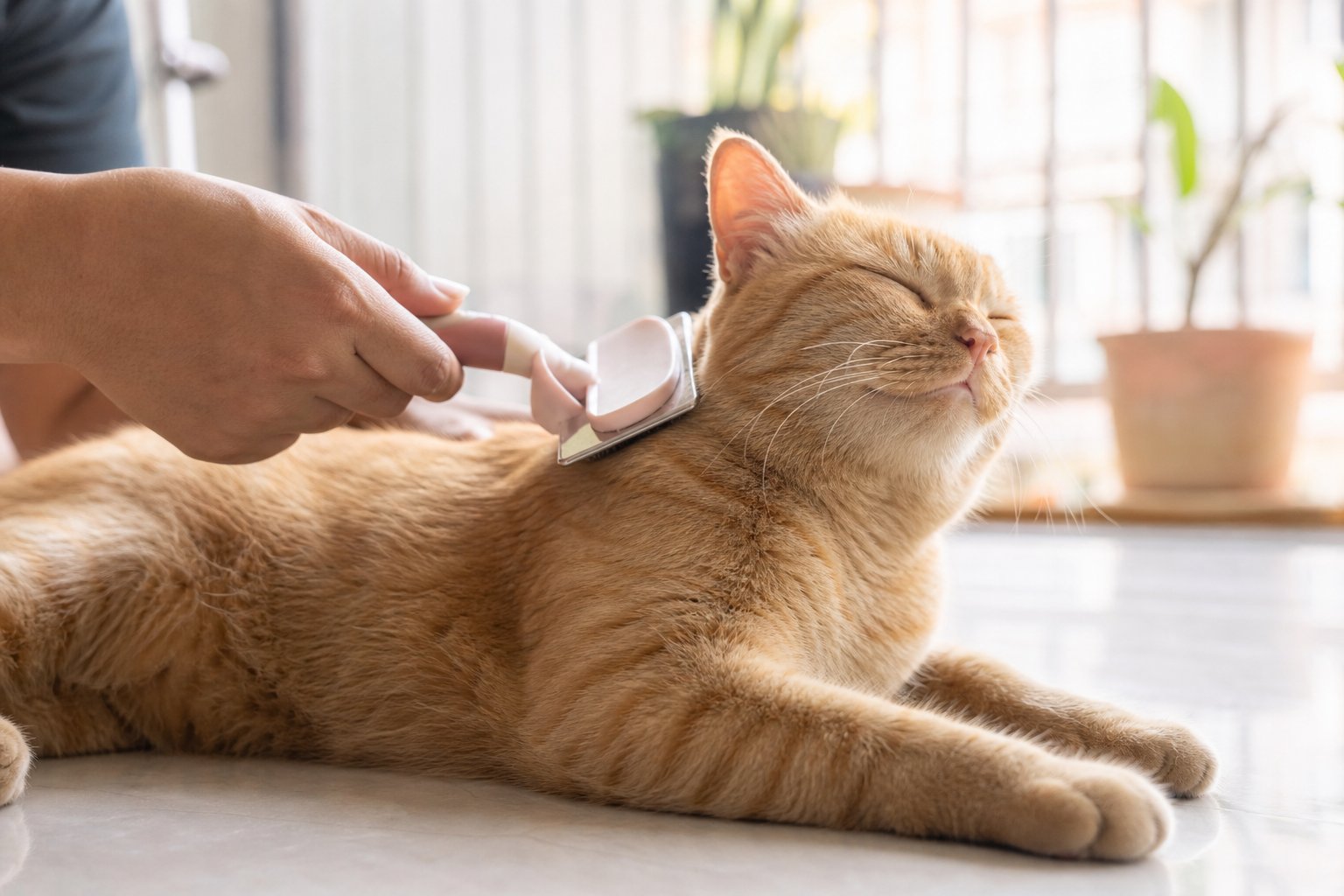
A good brush or comb is arguably the most effective hairball remedy of all, because it removes loose hair before your cat swallows it. Slicker brushes, undercoat rakes and grooming gloves all help. For long-haired cats, a daily session matters more than any product.
5. Hydration support
Water keeps the digestive tract moving. Wet food, water fountains and multiple water bowls around the house support hydration. Cats are notoriously poor drinkers, so making water appealing is a genuine hairball strategy, not a side note.
6. Hairball treats and chews
Some treats contain added fibre or lubricants. They can be convenient, but check the calorie count and ingredients. Treats should not replace a balanced diet, and many are high in calories for indoor cats.
Comparison table: hairball remedies at a glance
| Remedy type | How it works | Best for | Watch out for |
|---|---|---|---|
| Lubricant gel or paste | Coats hair so it passes through | Occasional hairballs, short-term use | Overuse, nutrient absorption, fussy cats |
| Fibre supplement | Adds bulk to move hair along | Constipation-prone cats | Needs plenty of water; start slowly |
| Hairball control diet | Extra insoluble fibre in daily food | Cats with recurring hairballs | Slow transition; check other health needs |
| Brushing and grooming | Removes loose hair before swallowing | Every cat, especially long-haired | Needs consistency; some cats resist |
| Hydration support | Keeps gut motility normal | All cats, especially dry-food eaters | Some cats ignore still water |
| Hairball treats | Convenience fibre or lubricant | Occasional top-ups | Calories, ingredient quality |
How to choose a remedy for your cat
Choosing well starts with a few questions.
- How often does your cat produce hairballs? Once or twice a year is different from weekly. Frequent hairballs need a vet check before you buy anything.
- What is your cat's coat type? Long-haired cats usually need grooming plus a fibre or lubricant plan. Short-haired cats may need only brushing and hydration.
- Does your cat have other signs? Vomiting, constipation, appetite changes, weight loss or lethargy point to a vet visit, not a product.
- What does your cat already eat? A hairball diet plus a fibre supplement plus a lubricant may be too much. Avoid stacking products without advice.
- Can you give it consistently? A remedy used sporadically rarely helps. Choose something you can actually do several times a week.
- Is the product labelled for cats? Never use dog products, human laxatives or essential oils. Cats process substances differently, and some human remedies are toxic.
In Malaysia, pet shop shelves carry many imported brands, and availability varies by store and state. Prices vary widely, so compare locally and ask your vet or retailer which product suits your cat rather than assuming the most expensive tube is best.
A practical daily routine
A hairball plan works best as a routine rather than a rescue mission.
Daily
- Brush your cat for five to ten minutes, especially along the back, flanks and belly where loose hair collects.
- Refresh water bowls and offer wet food if your cat accepts it.
- Watch for hair in the stool or frequent retching.
Several times a week
- Use a vet-approved fibre supplement or lubricant at the label dose if your vet agrees.
- Check long-haired cats for mats behind the ears, under the legs and around the tail base.
Monthly
- Review whether hairballs are increasing or decreasing.
- Weigh your cat if possible; unexplained weight change is a reason to call the vet.
Seasonally
- Increase grooming during heavy shedding periods. In Malaysia's warm climate, this may be more about indoor humidity and coat condition than a distinct season.
Home remedies: what is safe and what is not
Malaysian cat owners often ask about kitchen remedies. Some are reasonable with caution; others are risky.
Possibly helpful with vet guidance
- A small amount of plain canned pumpkin or cooked pumpkin can add fibre. It must be plain, not sweetened pie filling.
- Food-grade fish oil or a cat-specific omega supplement may support coat health, but dose matters and too much oil causes diarrhoea.
- Extra water, wet food and a fountain are simple and safe.
Avoid
- Butter, margarine or greasy human foods, which can trigger pancreatitis or diarrhoea.
- Human laxatives and stool softeners, which are not dosed for cats.
- Essential oils, including eucalyptus, tea tree and citrus oils, which are toxic to cats.
- Petroleum jelly or mineral oil given by mouth without veterinary advice, because of aspiration risk.
- Dog hairball products, which may contain ingredients or doses unsuitable for cats.
If you are unsure, ask your vet before trying any home remedy. A short phone call is cheaper than treating a preventable problem.
When to see a vet
Hairballs are sometimes a symptom rather than a harmless annoyance. See a vet promptly if your cat shows any of the following:
- Hairballs more than once a month, or increasing in frequency.
- Retching or gagging without bringing anything up.
- Repeated vomiting, especially after meals.
- Loss of appetite or weight loss.
- Constipation, straining in the litter box or small, hard stools.
- Lethargy, hiding or changes in behaviour.
- A bloated or painful abdomen.
- Over-grooming that leaves bald patches or sore skin.
These signs can indicate a gastrointestinal blockage, inflammatory bowel disease, skin disease, parasites or another condition. A vet may examine your cat, ask about diet and grooming, and recommend tests if needed. Do not wait for a hairball to pass if your cat is unwell.
Grooming tips for Malaysian homes
Grooming is the backbone of hairball prevention. A few habits make it easier.
- Brush before meals. Many cats tolerate grooming better when they expect food afterward.
- Use the right tool. A slicker brush suits many coats, while an undercoat rake helps double-coated cats. For long-haired cats, a metal comb reaches the undercoat.
- Keep sessions short. Two short sessions beat one long battle, especially with cats that dislike handling.
- Check for mats. Humid weather can make mats worse. Gently work them out or ask a professional groomer; never cut skin-level mats with scissors.
- Groom senior cats gently. Older cats may have arthritis and find twisting uncomfortable. Support their body and keep sessions brief.
- Watch for over-grooming. Stress, fleas and skin allergies can drive excessive grooming and more hairballs. Treat the cause, not just the hair.
Feeding and hydration strategies
Diet affects hairball risk more than many owners realise.
- Choose a complete diet. Cats need animal protein and adequate fat for healthy skin and coat. Poor-quality diets can lead to dull coats and excess shedding.
- Consider wet food. Wet food adds water, which supports gut motility. If your cat eats only dry food, encourage drinking with fountains and multiple bowls.
- Transition slowly. Any diet change should happen over seven to ten days, mixing increasing amounts of the new food.
- Measure portions. Indoor cats gain weight easily, and obesity can slow digestion and reduce activity.
- Avoid free-feeding treats. Hairball treats add calories; count them in the daily total.
Product labels: what to look for
When comparing hairball products in a Malaysian pet shop or online, read the label carefully.
- Species suitability. It should say for cats, with a dose by weight or age.
- Ingredients. Look for recognisable fibre sources or lubricants and avoid unnecessary sugars, colourings or toxic oils.
- Directions. A clear dose and frequency matter. Vague labels are a warning sign.
- Warnings. Good products list when not to use them, such as in kittens, pregnant cats or cats with certain conditions.
- Storage. Malaysian humidity can affect powders and pastes, so store them as directed and check expiry dates.
- Local support. Buying from a retailer who can answer questions is useful, especially for first-time users.
Common mistakes owners make
- Treating hairballs as normal. Frequent hairballs deserve investigation.
- Using too many products at once. Lubricant plus fibre plus a new diet plus treats can upset the gut.
- Skipping grooming. No product replaces brushing.
- Ignoring water. Fibre without water can worsen constipation.
- Giving human remedies. Some are ineffective and others are dangerous.
- Delaying a vet visit. A blockage can become an emergency quickly.
A simple decision guide
| Your situation | Reasonable first step |
|---|---|
| Occasional hairball, healthy cat | Daily brushing, hydration, vet-approved fibre if needed |
| Long-haired cat, regular hairballs | Grooming routine plus vet discussion of diet or supplement |
| Hairballs with constipation | Vet check; fibre with water if advised |
| Hairballs with vomiting or appetite loss | Vet visit before any product |
| Kitten or pregnant cat | Vet advice only |
| Senior cat with new hairballs | Vet check for underlying disease |
Final thoughts
The best hairball remedy for cats in Malaysia is not a single product but a plan: regular grooming, good hydration, a suitable diet and a vet-approved supplement or lubricant when needed. Buy from reputable local retailers, read labels, and avoid human remedies. Most importantly, treat frequent hairballs as a signal to check with your vet rather than something to manage indefinitely at home.
This article is general information for Malaysian cat owners and is not a substitute for veterinary advice. Always consult a licensed veterinarian about your cat's health, diet and any remedy before use.
Related reading
- Pet Nutrition Guide Malaysia: Protein, Phosphorus, Calories & Prescription Diets Explained
- Complete vs Complementary Pet Food in Malaysia: How to Read the Label Before You Buy
- Fruit and Vegetable Safety for Malaysian Cats and Dogs: What to Feed, What to Avoid
- AIM30 Kidney Cat Food Long-Term: Is It Safe for Malaysian Cats?
- Best Calming Supplement for Cats in Malaysia: A Practical Buying Guide
- Best Multivitamin for Cats in Malaysia: What Actually Matters Before You Buy
- Best Omega-3 for Cats in Malaysia: A Practical Buying and Dosing Guide
- Best Probiotics for Cats in Malaysia: A Practical Buying Guide
- Cat and Dog Fruit and Vegetable Safety in Malaysia: Citrus Peel, Fruit Stones, Herbs and Seasonings