
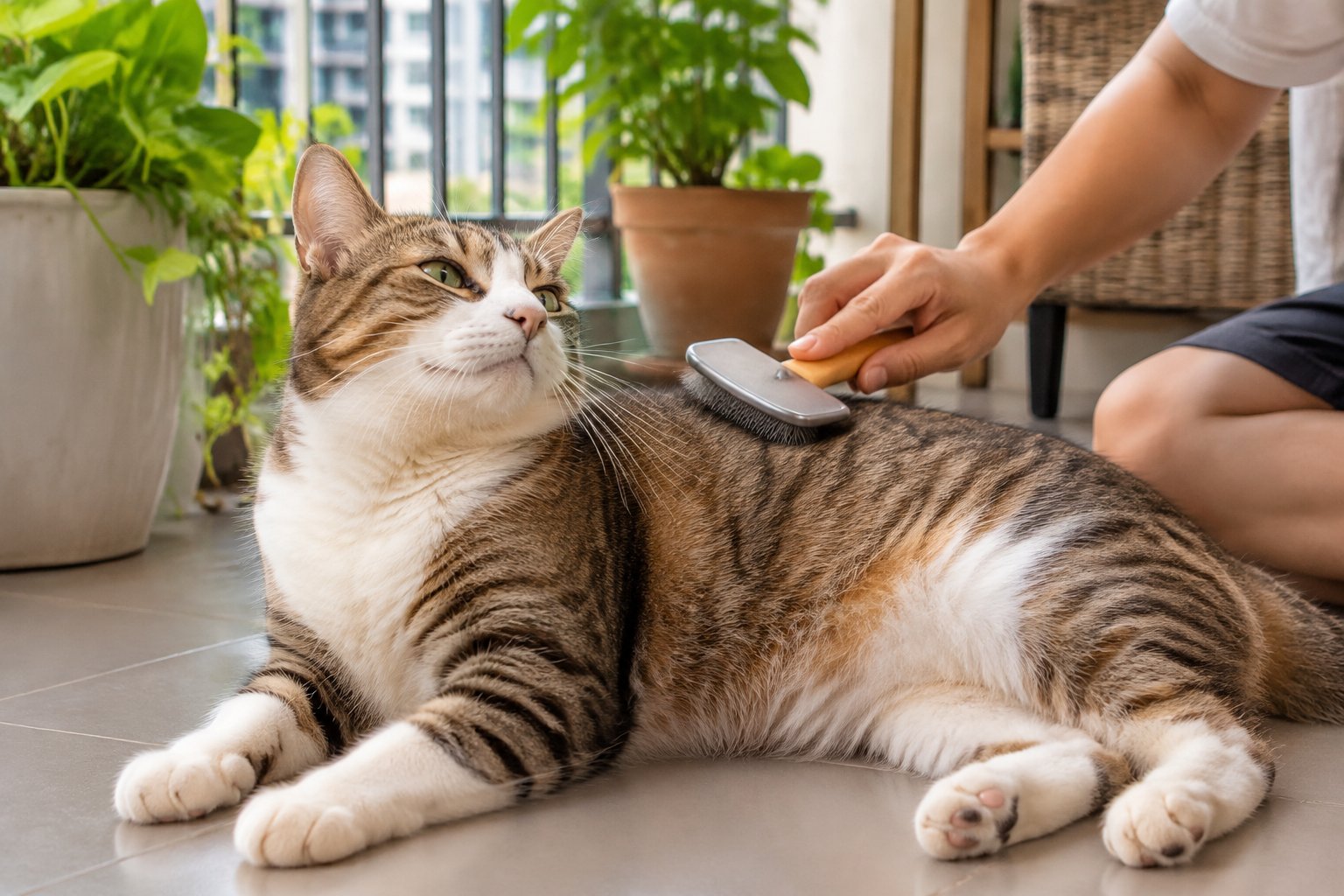
What a hairball remedy actually does
A hairball remedy is not a cure for hairballs. It is a management tool. Cats groom constantly, and their rough tongues catch loose fur, which they swallow. Most of that fur passes through the digestive tract and out in stool. Sometimes fur collects in the stomach and forms a clump, and the cat brings it up as a tubular mass.
Hairball remedies work in one of two ways. Lubricant products, usually petroleum- or oil-based pastes and gels, coat the fur and the gut lining so clumps slide through more easily. Fibre products add bulk and moisture to stool, which helps fur move along the intestines. Some products combine both approaches.
The benefit is simple: fewer episodes of vomiting, less stomach discomfort, and a lower chance of a clump causing a blockage. The limit is equally simple: a remedy does nothing about the fur your cat keeps swallowing. That is why brushing and grooming matter as much as any product.
Benefits of using a hairball remedy
Used correctly, a hairball remedy can make a real difference for cats that struggle with fur build-up. The main benefits are:
- Fewer hairball episodes. Lubricating the gut helps fur pass instead of accumulating.
- Less retching and vomiting. Cats that heave repeatedly without producing a hairball are often uncomfortable; softening the clump can help it move.
- Support during shedding season. When cats shed heavily, fur intake rises, and a short course of remedy can bridge the gap.
- Help for long-haired cats. Breeds and mixes with dense coats, such as Persians and Maine Coons, tend to swallow more fur.
- Support for older cats. Older cats may groom less efficiently or have slower gut motility, so a little help can be useful.
- Easy to give. Most pastes are flavoured and can be offered from a finger or mixed into food.
A remedy is not a substitute for grooming. Think of it as one part of a hairball plan that also includes brushing, hydration and monitoring.
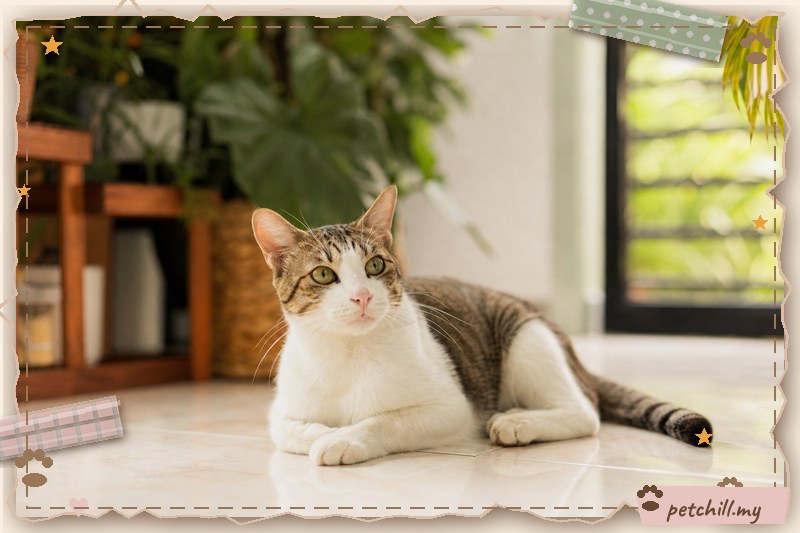
Types of hairball remedy and how they compare
| Type | How it works | Best for | Watch-outs |
|---|---|---|---|
| Lubricant paste or gel | Coats fur and gut so clumps slide through | Occasional hairballs, short-term use | Can cause loose stool; high fat content |
| Fibre supplement (powder or chew) | Adds bulk and moisture to stool | Cats with slow gut transit, long-haired cats | Too much fibre can cause gas or diarrhoea |
| Hairball-control diet | Higher fibre kibble designed to move fur | Cats with recurring hairballs | Needs gradual transition; not for all cats |
| Malt or oil-based syrup | Mild lubrication | Mild cases, easy dosing | Messy; calorie content |
| Petroleum-based gel | Lubrication | Short courses | Avoid long-term use without vet advice |
There is no single best type. A lubricant paste suits a cat that produces an occasional hairball. A fibre supplement or hairball-control diet may suit a cat that struggles regularly. Many owners use a paste during heavy shedding and a fibre product the rest of the year.
How to use a hairball remedy safely
1. Read the label and dose for your cat's weight
Doses vary widely between products. Some pastes are given as a ribbon about 2 to 5 cm long, once or twice a week. Others are given daily for a few days, then reduced. Never guess. Use the label dose for your cat's weight, and ask your vet if your cat is small, elderly or on medication.
2. Introduce it gradually
Give a small amount first. Watch for vomiting, diarrhoea, gas or appetite changes over 24 to 48 hours. If your cat tolerates it, continue at the label dose. If stool becomes loose, reduce the amount or frequency.
3. Offer it directly or mix it in food
Most cats accept flavoured pastes from a finger or from the tube. If your cat refuses, smear a small amount on the front paw so it licks it off, or mix it into a small portion of wet food. Do not mix it into a full bowl of food, because if your cat eats only part of the meal, the dose is uncertain.
4. Give it around grooming sessions
Brushing loosens fur, and some of it gets swallowed. Giving a remedy after a brushing session means the loosened fur is more likely to pass through. This is a practical routine rather than a strict rule.
5. Keep water available
Fibre works best with moisture. Make sure fresh water is always available, and consider wet food or a water fountain if your cat drinks little. Dehydration makes stool harder and fur passage more difficult.
6. Use short courses, not permanent dosing
A hairball remedy is not a daily lifelong supplement for most cats. Use it during shedding peaks, after a hairball episode, or as your vet advises. If your cat needs a remedy every day for weeks, that is a signal to investigate why hairballs keep forming.
7. Do not use human products
Butter, cooking oil, petroleum jelly from the household cupboard and human laxatives are not formulated for cats. They can cause diarrhoea, interfere with nutrient absorption or, in the case of some laxatives, be toxic. Use a cat-specific product.
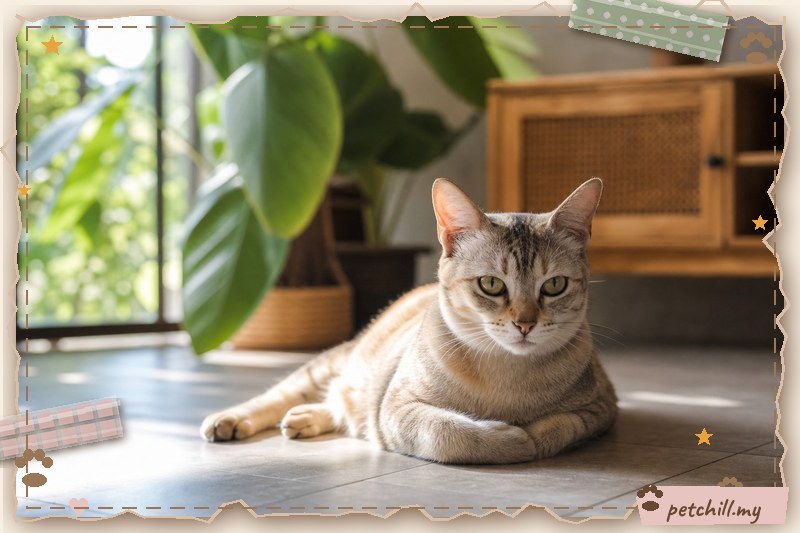
Grooming and environment: the other half of the plan
No remedy replaces brushing. For long-haired cats, daily brushing removes loose fur before it is swallowed. For short-haired cats, two or three sessions a week is often enough, more during shedding season.
Use the right tool. A slicker brush or a fine-toothed grooming comb reaches the undercoat where loose fur collects. Follow with a damp cloth or grooming glove to pick up surface hair. If your cat hates brushing, keep sessions short and reward with a treat.
Bathing is not usually necessary, but a bath during heavy shedding can remove a lot of loose fur. If bathing stresses your cat, skip it and brush more often instead.
Environmental control helps too. Vacuum and lint-roll your cat's favourite sleeping spots, because cats pick up shed fur from bedding and carpets when they groom. In a Kuala Lumpur apartment with limited airflow, fur and dust collect quickly, so a quick daily sweep of the cat's bed and favourite chair makes a difference. In a Johor terrace house where cats move between indoor and covered outdoor areas, check for fur picked up from mats and outdoor surfaces, and brush after your cat comes in.
Hydration, diet and fibre
Water intake matters more than many owners realise. Cats that eat only dry food take in less moisture, and harder stool makes fur passage more difficult. Wet food, a water fountain or simply more water bowls around the house can help.
Fibre in the diet supports gut movement. Some cat foods are formulated with added fibre for hairball control. If you switch foods, do it gradually over a week or more to avoid digestive upset. A sudden switch can cause diarrhoea, which is the opposite of what you want.
Do not add large amounts of human fibre supplements to your cat's food without veterinary advice. Cats have different nutritional needs from people, and some fibre sources can interfere with mineral absorption.
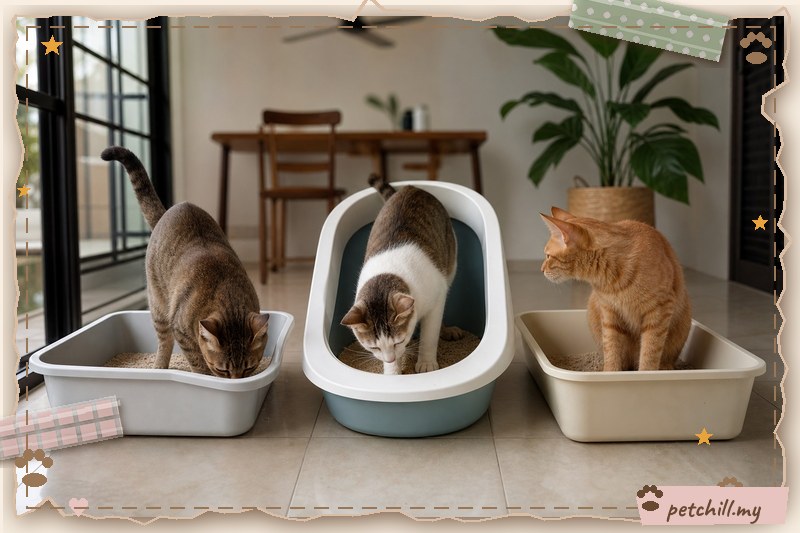
When hairballs are a sign of something more serious
Occasional hairballs are normal. Frequent hairballs are not. A cat that brings up hairballs every week, or retches repeatedly without producing anything, needs a vet check. Possible underlying issues include:
- Overgrooming caused by stress, skin allergies or parasites, which increases fur intake.
- Gastrointestinal disease, including inflammatory conditions that affect how well the gut moves contents.
- Blockage, where a fur clump or other material obstructs the intestine. This is an emergency.
- Dental pain, which can make grooming less effective and swallowing less coordinated.
- Obesity, which makes it harder for cats to reach and groom their coat properly.
A vet may examine your cat, ask about diet and grooming, and recommend tests if needed. Do not rely on a hairball remedy to manage a cat that is losing weight, vomiting often or eating poorly.
When to see a vet
Contact a veterinarian promptly if your cat:
- Vomits repeatedly in one day, or retches without producing a hairball.
- Stops eating or drinking, or becomes lethargic.
- Has a painful or bloated abdomen.
- Produces hairballs more than once a week despite grooming and remedy use.
- Has diarrhoea that lasts more than a day or two after starting a remedy.
- Is a kitten, pregnant, nursing or on medication and you are unsure about a product.
- Shows signs of overgrooming, such as bald patches or irritated skin.
A cat that cannot pass stool, is straining in the litter box or is vomiting after every meal needs urgent veterinary attention. Intestinal blockage from fur is uncommon but serious.
A simple hairball routine for Malaysian cat owners
- Brush your cat daily during shedding peaks, and two to three times a week otherwise.
- Give a cat-specific hairball remedy at the label dose during heavy shedding or after a hairball episode.
- Keep water available and consider wet food for moisture.
- Watch stool and appetite for 48 hours after starting any new product.
- Review the routine with your vet if hairballs continue.
In Penang's humid rainy season, indoor humidity rises and cats may shed more; increase brushing and check bedding for loose fur. In a small apartment, keep grooming tools near your cat's favourite resting spot so brushing becomes a quick daily habit rather than a chore.
Bottom line
A hairball remedy can reduce vomiting and discomfort by helping fur pass through the gut, but it works best as part of a plan that includes brushing, hydration and monitoring. Use cat-specific products at the label dose, keep courses short, and treat frequent hairballs as a reason to see a vet rather than a reason to buy a stronger paste.
This article is general information only and is not a substitute for veterinary advice. Always consult a licensed veterinarian about your cat's health, diet and any product you plan to use.
Related reading
- Pet Nutrition Guide Malaysia: Protein, Phosphorus, Calories & Prescription Diets Explained
- Cat & Dog Fruits and Vegetables: Part 2 Safety Guide for Malaysia
- Human Food and Pets in Malaysia: What's Safe, What's Toxic, and What to Do After Ingestion
- Probiotics for Cats: Benefits and How to Use Them Safely
- ADVANCE Prescription Diet Review Malaysia: Ingredients, Nutrients and Vet Guidance
- AIM30 Kidney Cat Food Long-Term: Is It Safe for Malaysian Cats?
- Anti-Inflammatory Foods for Cats in Malaysia: What Works, What Doesn't, and How to Start
- Best Calming Supplement for Cats in Malaysia: A Practical Buying Guide
- Best Omega-3 for Cats in Malaysia: A Practical Buying and Dosing Guide
- Best Probiotics for Cats in Malaysia: A Practical Buying Guide
- Calming Supplements for Cats in Malaysia: Benefits and How to Use Them Safely

