
The short answer
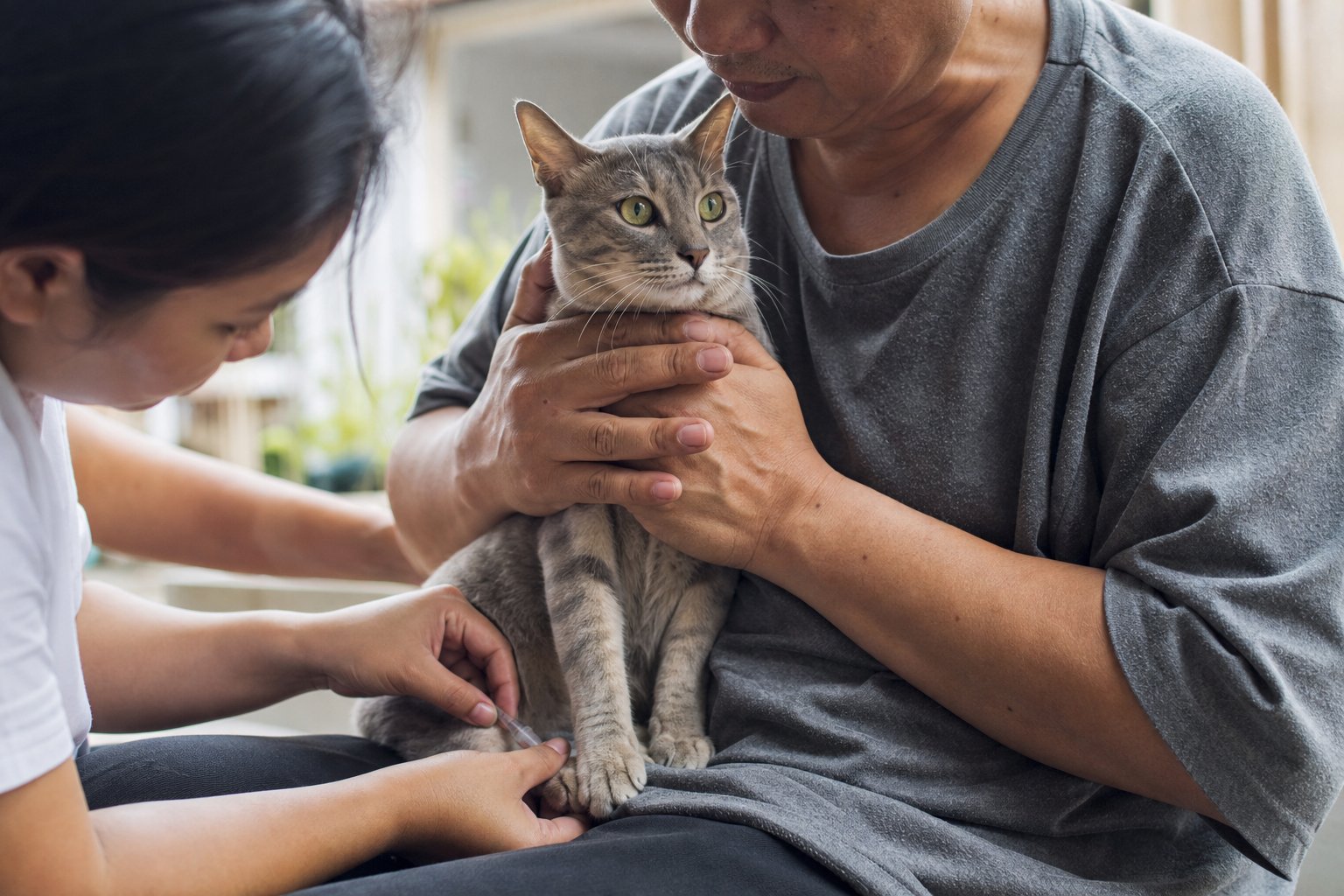
Joint supplements can help some cats with mild stiffness feel more comfortable, but they are support, not treatment. They do not replace pain relief, weight control or a proper diagnosis. If your cat is limping, hiding, grooming less or refusing to jump, that is a vet conversation first and a supplement conversation second.
Cats hide discomfort well. By the time you notice reluctance to jump onto the sofa or a reluctance to use the litter tray, arthritis may already be well established. Supplements are most useful as part of a wider plan that includes a vet assessment, weight management, gentle activity and home changes such as ramps and low-sided trays.
What joint supplements can and cannot do
Joint supplements are usually grouped into a few categories. Each works differently, and none is a cure.
Cartilage building blocks. Glucosamine and chondroitin are the best-known ingredients. The theory is that they supply raw materials for cartilage and joint fluid. Evidence in cats is thin, and most of what exists comes from dogs, horses and humans. Many vets still use them because they are generally well tolerated and some owners report improvement.
Anti-inflammatory support. Omega-3 fatty acids from fish oil and green-lipped mussel have the most convincing support for reducing stiffness and supporting joint comfort. They work by influencing inflammatory pathways rather than by numbing pain.
Joint fluid and lubrication support. Hyaluronic acid and methylsulfonylmethane (MSM) appear in many products. Evidence is limited, and MSM is not suitable for every cat.
Other ingredients. Collagen, turmeric, boswellia, devil's claw and various plant extracts appear in cat products. Some have plausible mechanisms, but quality and dose vary widely between brands.
What supplements cannot do: they cannot reverse cartilage loss, they cannot replace prescription pain relief, and they cannot fix a joint that is unstable or infected. If your cat is in obvious pain, a supplement alone is not enough.
A comparison table of common ingredients
| Ingredient | What it is used for | Evidence strength in cats | Practical notes |
|---|---|---|---|
| Omega-3 (EPA/DHA) | Reducing stiffness, supporting joint comfort | Moderate, mostly extrapolated | Dose matters; too much can cause loose stools |
| Green-lipped mussel | Joint comfort support | Moderate, small studies | Check for shellfish sensitivity |
| Glucosamine | Cartilage support | Limited in cats | Often combined with chondroitin |
| Chondroitin | Cartilage support | Limited in cats | Absorption from oral products is debated |
| Hyaluronic acid | Joint lubrication support | Limited | Often in liquid products |
| MSM | Anti-inflammatory support | Limited | Avoid in some medical conditions; ask a vet |
| Collagen | Cartilage building blocks | Limited | Often marketed heavily; dose unclear |
| Turmeric/curcumin | Anti-inflammatory support | Limited | Absorption is poor without a carrier; some products underdose |
Treat the table as a starting point for a conversation with your vet, not a shopping list. Product quality varies enormously, and a cheap product with a long ingredient list may contain doses too small to matter.
How to choose a product
Start with your vet's advice, then apply these filters.
- Cat-specific formulation. Products designed for dogs often have doses and flavours suited to dogs. Cats are not small dogs, and their nutritional needs differ.
- Clear dosing. A label should tell you how much to give per kilogram of body weight, or give a clear daily amount for a cat. Vague instructions such as "one scoop" without a weight guide are a warning sign.
- Named ingredients and amounts. Look for actual milligram or gram amounts, not a "proprietary blend".
- Palatability that suits your cat. Many cat joint products are liquids, powders or soft chews. Cats are fussy, so a product your cat refuses is useless.
- A manufacturer you can contact. A local distributor or a company that answers questions about sourcing and quality control is preferable.
- No unnecessary extras. Watch for added sugars, artificial sweeteners, high sodium or ingredients your cat should avoid.
In Malaysia, joint supplements for cats are sold through veterinary clinics, pet retailers and online marketplaces. Prices vary widely, so ask your vet or a trusted retailer for current local pricing rather than assuming an online bargain is good value. A very cheap product with a long ingredient list is often underdosed.
How to introduce a supplement
Introducing slowly reduces the chance of stomach upset and helps you tell whether your cat will accept it.
- Week one: give a quarter to a half of the target dose, mixed into a small amount of wet food.
- Week two: increase to half the target dose if there are no loose stools or vomiting.
- Week three onward: move to the full recommended dose.
- Keep a diary: note jumping, climbing, grooming, appetite and litter tray habits each week.
- Review at four to eight weeks: decide with your vet whether to continue, adjust or stop.
Practical tips for fussy cats: try a liquid mixed into a strong-smelling wet food, or ask your vet whether the product can be given with a small amount of a favourite treat. Never crush tablets into a full meal if your cat may refuse it, because you will waste the dose and the food. If your cat eats only dry food, a powder may be easier than a liquid.
Home changes that work alongside supplements
Supplements work best when the home supports the cat.
- Ramps and steps to favourite sofas and window perches reduce jumping strain.
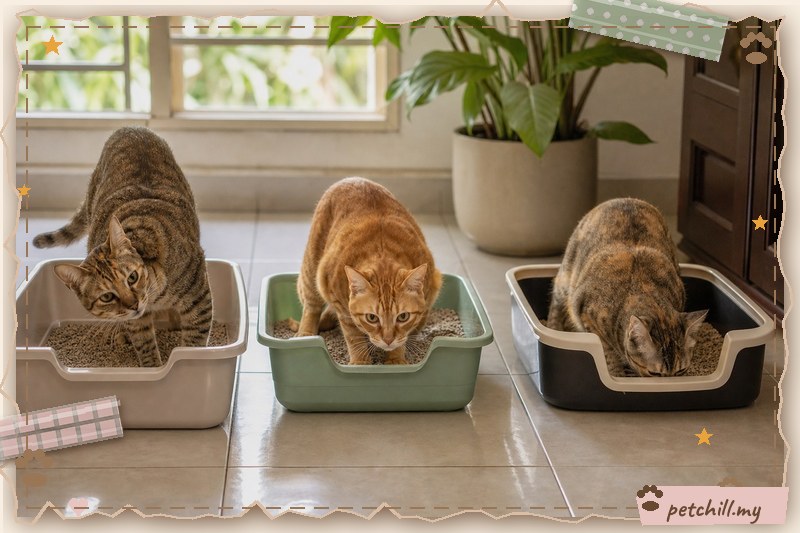
- Low-sided litter trays are easier for stiff cats to enter.
- Warm, draught-free sleeping spots help stiff joints, especially in air-conditioned rooms.
- Non-slip mats on tiled floors help cats feel secure when walking.
- Raised food and water bowls reduce neck and shoulder strain.
- Gentle daily play with a wand toy keeps muscles working without forcing jumps.
In a Kuala Lumpur apartment, space is often tight, so a single ramp to the sofa and a low tray in the bathroom may be the most practical changes. In a Johor terrace house, cats may use stairs and outdoor areas, so consider a ramp to a favourite high spot and check that the cat can still reach food and water without a long climb.
Weight control: the most underrated joint treatment
Extra weight is one of the biggest modifiable factors in feline arthritis. Carrying excess body fat increases load on joints and contributes to low-grade inflammation. Gradual weight loss guided by your vet often improves mobility more than any supplement.
A sensible plan includes measured meals, a vet-approved calorie target, and slow loss of roughly one to two percent of body weight per week. Crash dieting is dangerous for cats and can cause serious liver problems, so never restrict food sharply without veterinary supervision. Weigh your cat monthly and adjust.
When to see a vet
See a vet promptly if your cat shows any of these signs:
- Limping that lasts more than a day or two, or that comes and goes repeatedly.
- Sudden reluctance to walk, or crying when picked up.
- Swelling, heat or pain when a limb is touched.
- Not eating, or hiding more than usual.
- Straining or crying in the litter tray.
- Weakness in the back legs, wobbling, or dragging a limb.
- A wound, bite or fall that preceded the stiffness.
- Any new stiffness in a cat that is already on medication.
These signs can indicate injury, infection, nerve problems or other disease, not just arthritis. A supplement is not appropriate until a vet has ruled out these causes.
Safety and interactions
Joint supplements are not risk-free. Omega-3 in high doses can cause loose stools and may affect clotting, which matters before surgery. Green-lipped mussel is a shellfish product, so cats with known shellfish sensitivity should avoid it. MSM and some herbal ingredients are not well studied in cats. If your cat takes other medication, especially pain relief, blood thinners or treatment for kidney or liver disease, check every new supplement with your vet.
Stop the supplement and contact your vet if you see vomiting, diarrhoea, itching, facial swelling or a sudden change in behaviour after starting it.
A realistic expectation
Most owners notice small changes: a cat that climbs onto the bed again, grooms more easily, or seems less stiff after rest. Some cats show no clear change. That does not mean you failed; it means the supplement was not the right tool for that cat. Review honestly with your vet and focus on weight, home changes and pain control where needed.
Frequently asked questions
See the FAQ section for quick answers on effectiveness, timing, human products, kidney disease and prevention.
Vet disclaimer
This article is general information for Malaysian cat owners and is not a substitute for veterinary advice. Joint supplements should be chosen and dosed with your veterinarian, especially if your cat has an existing medical condition or is on medication. Always consult a licensed veterinarian about your cat's health.
Related reading
- Pet Nutrition Guide Malaysia: Protein, Phosphorus, Calories & Prescription Diets Explained
- Best Joint Supplement for Cats in Malaysia: A Practical Buying Guide
- Anti-Inflammatory Foods for Cats in Malaysia: What Works, What Doesn't, and How to Start
- Best Hairball Remedy for Cats in Malaysia: What Actually Works
- Best Multivitamin for Cats in Malaysia: What Actually Matters Before You Buy
- Best Probiotics for Cats in Malaysia: A Practical Buying Guide
- Cat & Dog Fruits and Vegetables Safety Part 5: Banana, Mango, Jasmine and Sweet-Smell Warning Signs in Malaysia
- Fruit and Vegetable Safety for Malaysian Cats and Dogs: What to Feed, What to Avoid
- Pet Supplements and Vitamins in Malaysia: How to Choose Safely for Dogs and Cats
- ADVANCE Prescription Diet Review Malaysia: Ingredients, Nutrients and Vet Guidance
- AIM30 Kidney Cat Food Long-Term: Is It Safe for Malaysian Cats?