What the best probiotic for a cat actually looks like
There is no single "best" probiotic for every cat. The right product depends on why you are giving it: recovery after antibiotics, a bout of soft stool, stress from a move or a new pet, or a long-term gut issue your vet is managing. What separates a good product from a weak one is not the marketing on the front of the tub. It is the strain names, the guaranteed potency at expiry, the dosing clarity and whether the product suits your cat's age and health status.
This guide is written for Malaysian cat owners shopping online, in pet shops or through a clinic. It explains what to check on a label, how to compare formats, how to store supplements in a hot and humid climate, and when gut symptoms mean a vet visit rather than a shopping trip. Prices vary widely between brands and retailers locally, so treat any figure you see online as a guide only and confirm with the seller or your vet.
Why gut health matters in cats
A cat's digestive tract hosts a dense community of bacteria, yeasts and other microbes. This community helps break down food, supports the gut lining, interacts with the immune system and can influence stool quality. Antibiotics, sudden diet changes, stress, parasites and illness can disturb that balance, sometimes producing loose stool, gas, reduced appetite or vomiting.
Probiotics are live microorganisms given in the hope of supporting a healthier gut community. They are not drugs and they do not treat every cause of diarrhoea. In cats, the evidence is strongest for certain situations such as antibiotic-associated loose stool and some forms of chronic enteropathy, and weaker for vague claims like "boosting immunity". A probiotic is a supportive tool, not a diagnosis.
The label checklist: what to look for
When you compare products, work through this list rather than judging by price or packaging.
- Named strains, not just species. A label that says only "Lactobacillus" is vague. Look for a full strain designation, because effects are often strain-specific.
- Guaranteed potency at expiry. CFU means colony-forming units, the count of live organisms. A number stated "at time of manufacture" tells you little by the time you open the tub. Expiry-guaranteed counts are more honest.
- A sensible dose for cats. Cat doses are smaller than human doses. A product with a clear cat dose per day is easier to use safely.
- Species-appropriate strains. Some strains used in cat products include Enterococcus faecium, Bifidobacterium animalis and certain Lactobacillus species. Your vet can tell you which are relevant to your cat's problem.
- Few unnecessary additives. Avoid products with lots of sugar, artificial sweeteners, or ingredients your cat does not need. Some palatability enhancers are fine; a long list of fillers is not.
- Clear storage instructions. This matters enormously in Malaysia. If the label says refrigerate, refrigerate.
- A manufacturer you can contact. A brand that publishes strain details and a batch or expiry system is easier to trust than an unbranded sachet.
- Format that suits your cat. Powder, paste, capsule or chew all work if your cat will actually take them.
Comparing probiotic formats
| Format | Pros | Cons | Best for |
|---|---|---|---|
| Powder sachet | Easy to mix into wet food; pre-measured doses | Can be refused if it changes smell; moisture exposure after opening | Most cats, especially those eating wet food |
| Paste or gel | Palatable; useful for fussy cats | Harder to dose precisely; often higher in calories or additives | Short-term use, travel, stress events |
| Capsule | Can be opened and mixed; precise dose | Powder may be bitter; capsule itself is not for cats | Owners who want to control the dose |
| Chew or treat | Convenient; cats may accept as a snack | Dose per chew may be low; extra calories | Maintenance-style use in food-motivated cats |
| Liquid | Easy to syringe | Short shelf life after opening; refrigeration often needed | Short courses under vet guidance |
There is no format that wins outright. A powder your cat eats is better than a capsule your cat refuses. If your cat is on a prescription diet, check with your vet before mixing anything into it.
Strains and CFU: how to read the numbers
CFU counts on cat products range from millions to billions per dose. A bigger number is not automatically better. What matters is whether the strain has been studied for the problem you are addressing, whether the count is guaranteed at expiry, and whether the product has been stored correctly before it reaches you.
A few practical points:
- A product stored in a hot warehouse or a car boot may arrive with far fewer live organisms than the label claims.
- Multi-strain products are common, but more strains is not always better; some evidence supports specific single strains or defined combinations.
- Prebiotics, often listed as inulin or fructo-oligosaccharides, are fibres that feed gut bacteria. Some products combine pro- and prebiotics; this can be useful but is not essential.
- If a label gives no strain names and no expiry guarantee, treat the claims with caution.
Ask your vet which strain or product type fits your cat's situation. They may recommend a specific veterinary product, or they may say a probiotic is not the right next step at all.
Safety, side effects and interactions
Probiotics are generally well tolerated, but they are not risk-free. Mild gas or a temporary change in stool can occur when starting. Rarely, live organisms can cause problems in severely immunocompromised cats, very young kittens or cats with serious illness. Do not give probiotics to a critically ill cat without veterinary supervision.
Practical safety rules:
- Introduce one new product at a time so you can tell what caused a change.
- Do not exceed the label dose.
- Keep all supplements out of reach; some cats will chew through packaging.
- Do not use a product past its expiry date, especially if it has been stored warm.
- Tell your vet about every supplement your cat takes, including probiotics, because they can interact with treatment plans.
- If your cat has a known immune condition or is on immunosuppressive medication, ask before starting.
Storing probiotics in Malaysian weather
Malaysia's heat and humidity are hard on live products. A few habits make a real difference:
- Read the storage line first. If it says refrigerate, keep it in the fridge, not a cupboard.
- Store powders in a sealed container away from sunlight and away from the stove or kettle.
- Avoid the bathroom, the car and the balcony; these are the classic places where supplements degrade.
- Keep the desiccant sachet in the tub if one is supplied, and do not leave the lid off.
- Check before each use: clumping, discolouration, a sour or unusual smell, or a changed texture are reasons to stop and ask the seller or vet.
- If you buy online, ask how the product is shipped. A product that sat in a hot delivery van for days may not match its label.
Practical feeding tips
Getting a cat to accept a supplement is often the hardest part. Try these approaches:
- Mix powder into a small amount of wet food first, not the whole bowl, so a refusal does not waste a meal.
- Introduce the taste gradually over a few days.
- Use a separate small dish if your cat is protective of its main bowl.
- Avoid mixing into very hot food; heat can reduce live organisms.
- If your cat is on dry food only, a small amount of wet food or a vet-approved carrier can help.
- Keep a simple log of dose, time and stool quality so you can tell whether it is helping.

When a probiotic is not the answer
Probiotics are not a substitute for diagnosis. See a vet promptly if your cat has any of the following:
- Diarrhoea lasting more than a day or two, or diarrhoea in a kitten
- Blood or black material in the stool
- Repeated vomiting, or vomiting with lethargy
- Not eating for more than 24 hours
- Weight loss, a dull coat or a gradual decline over weeks
- Straining to defecate, or a sudden change in litter box habits
- Any symptoms in a cat that is pregnant, very young, very old or on medication
When to see a vet
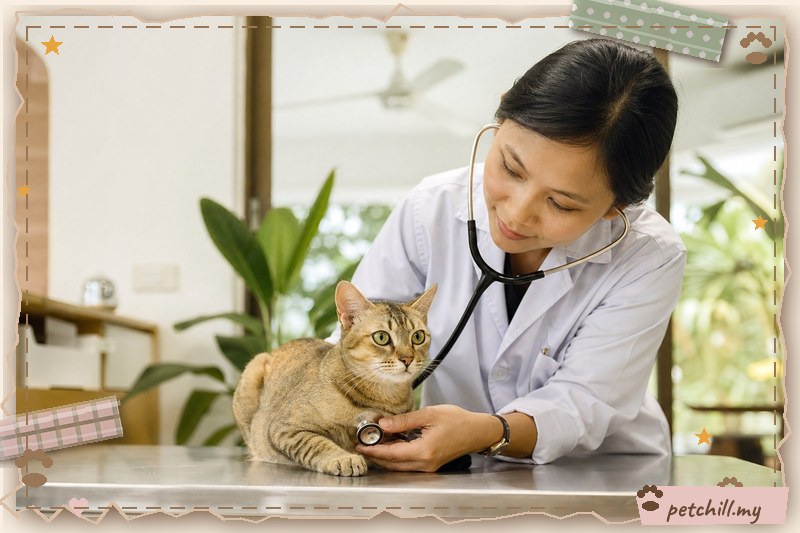
Book a veterinary appointment rather than buying another supplement if your cat has persistent diarrhoea, vomiting, blood in the stool, weight loss, reduced appetite, lethargy or pain. Kittens, senior cats and cats with chronic illness should be assessed early. A vet can check for parasites, diet problems, infection or other conditions that probiotics will not fix, and can recommend a specific product if one is appropriate. If you are unsure, a phone call to your clinic is cheaper than a wasted tub of supplement.
Building a sensible gut-health routine
A probiotic is one part of gut care. The basics still matter:
- Transition foods gradually over about a week rather than switching overnight.
- Keep fresh water available and clean bowls daily.
- Manage stress where you can: a quiet feeding spot, gradual introductions to new pets, and a stable routine.
- Keep up parasite prevention as advised by your vet.
- Avoid feeding human foods that upset cats, and keep treats modest.
- Weigh your cat occasionally so slow changes are noticed early.
A simple buying decision path
- Identify the reason: post-antibiotic, stress, soft stool, or a chronic issue under vet care.
- Ask your vet whether a probiotic is appropriate and whether they have a preferred product.
- Compare labels using the checklist: strains, expiry-guaranteed CFU, cat dose, additives, storage.
- Choose a format your cat will accept.
- Buy from a seller who stores and ships the product correctly.
- Introduce slowly, log the response, and stop if your cat worsens.
- Recheck with your vet if there is no improvement within the expected time.
Bottom line
The best probiotic for a cat in Malaysia is a fresh, clearly labelled product with named strains, an expiry-guaranteed CFU count, a cat-appropriate dose and storage instructions you can actually follow in a hot, humid home. It should support, not replace, veterinary care. If your cat is unwell, see a vet first; if your cat is healthy, you probably do not need a daily probiotic at all.
This article is general information, not veterinary advice. Always consult a licensed veterinarian about your cat's health, diet and supplements.
Related reading
- Pet Nutrition Guide Malaysia: Protein, Phosphorus, Calories & Prescription Diets Explained
- Best Multivitamin for Cats in Malaysia: What Actually Matters Before You Buy
- Multivitamin for Cats: Benefits and How to Use Them Safely
- Probiotics for Cats: Benefits and How to Use Them Safely
- AIM30 Kidney Cat Food Long-Term: Is It Safe for Malaysian Cats?
- Best Hairball Remedy for Cats in Malaysia: What Actually Works
- Best Omega-3 for Cats in Malaysia: A Practical Buying and Dosing Guide
- Cat and Dog Fruit and Vegetable Safety in Malaysia: Citrus Peel, Fruit Stones, Herbs and Seasonings
- Cat & Dog Fruits and Vegetables Safety Part 5: Banana, Mango, Jasmine and Sweet-Smell Warning Signs in Malaysia
- Long-Term Feeding of Ciao Churu Purée: How Many Sticks a Day Is Safe for Your Cat