
The short answer
The best joint supplement for a cat in Malaysia is not a brand you can pick from a shelf without thinking. It is a product that contains a meaningful, stated dose of an ingredient with some evidence behind it, comes from a manufacturer you trust, and is in a form your cat will actually take every day. Your vet should confirm the choice, especially if your cat has kidney disease, diabetes, or is already on medication.
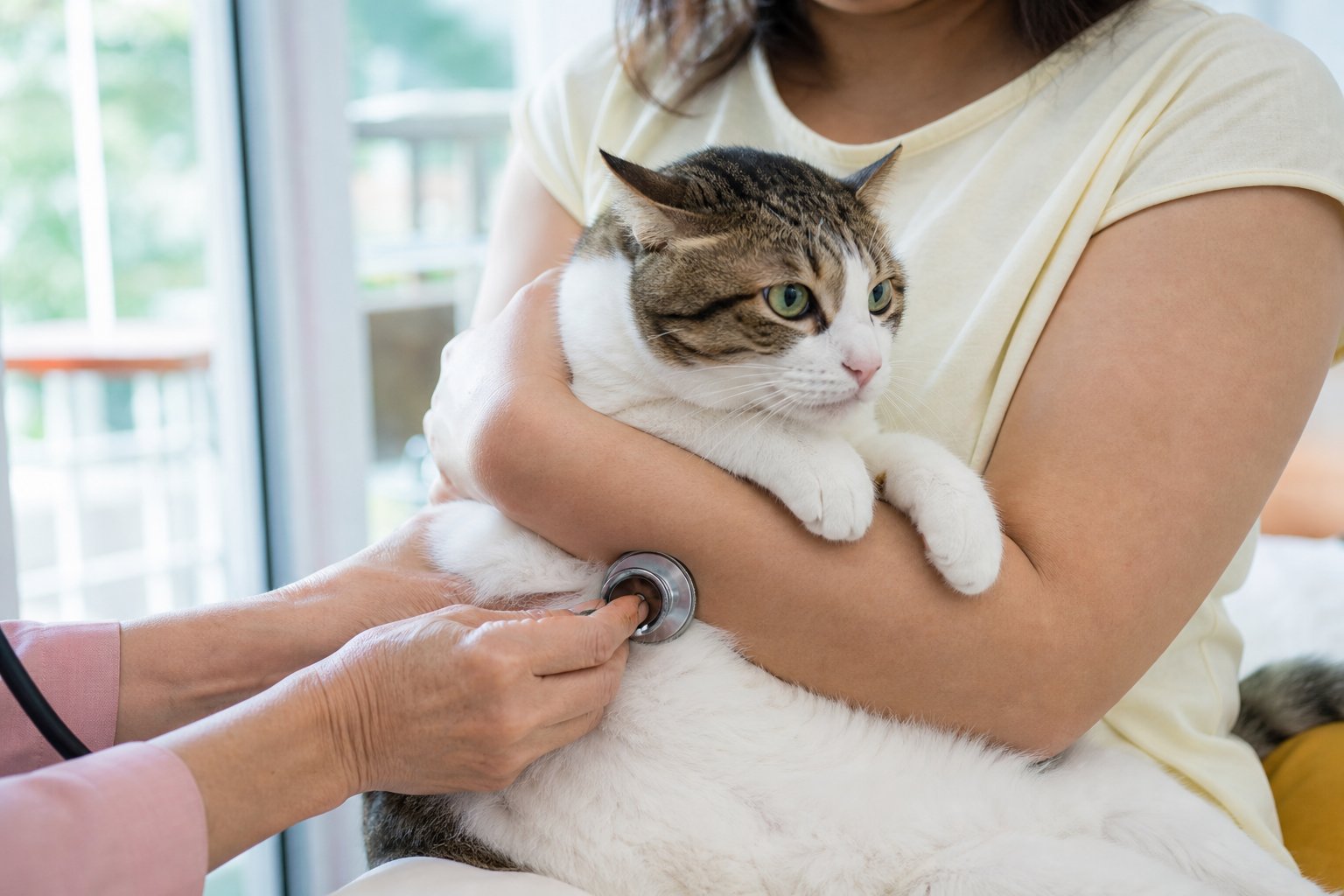
Joint supplements are support, not treatment. If your cat is stiff, limping, or reluctant to jump, the first step is a veterinary examination, not a shopping trip.
Why cats hide joint pain
Cats are good at masking discomfort. A cat with sore joints may simply stop jumping onto the sofa, sleep more, groom less, or become grumpy when picked up. Owners often mistake this for normal ageing. That matters because a supplement started early, alongside weight control and a proper diagnosis, is more useful than one started after years of unrecognised pain.
In Malaysia, several everyday factors make joint care relevant:
- Indoor apartments in Kuala Lumpur. Cats in high-rise units may have limited space to move, and slippery tiled floors make jumping down harder on sore joints.
- Humid, rainy conditions. During the wet season in Penang or Johor, some owners report their older cats seem stiffer. There is no strong evidence that weather causes arthritis, but cold, damp floors and less activity can change how a cat moves.
- Multi-cat households. A stiff cat may be pushed away from food or the litter box by younger cats, so subtle weight loss or accidents can be the first sign.
What is actually in joint supplements
Most feline joint products combine one or more of the following. The table summarises what is known and what to watch for.
| Ingredient | What it is | Evidence in cats | Practical notes |
|---|---|---|---|
| Glucosamine | A building block of cartilage, usually from shellfish | Limited cat-specific evidence; widely used | Check dose is stated; shellfish allergy is rare but possible |
| Chondroitin | Often paired with glucosamine | Limited cat-specific evidence | Absorption is debated; buy from a reputable maker |
| Green-lipped mussel | New Zealand shellfish extract | Some support for reducing stiffness in pets | Often better accepted than tablets; check source |
| Omega-3 fatty acids (EPA/DHA) | From fish oil or algae | Reasonable support for joint comfort and general health | Dose matters; high doses can affect clotting |
| Hyaluronic acid | A joint fluid component | Weak evidence in cats | Often included in small amounts |
| MSM | A sulphur compound | Very limited evidence | Not essential; some cats dislike the taste |
| Collagen | Protein from animal tissue | Popular but unproven for cats | Treat as a food, not a medicine |
| Turmeric or curcumin | Plant extract | Early, mixed evidence | Absorption is poor; some products contain fillers |
A product that lists ten ingredients in tiny amounts is usually less useful than one that states a clear dose of two or three ingredients. Look for the amount per serving, not just the ingredient name.
How to read a label like a sceptic
Labels vary widely, and marketing language is not regulated the same way as medicines. Use this checklist before you buy:
- Is the dose stated per cat-sized serving? A number like "glucosamine 250 mg per 2 g scoop" is useful. "Proprietary joint blend" is not.
- Is there a guaranteed analysis? Reputable manufacturers publish this.
- Is the product made for cats? Dog products may have different doses and flavours.
- Does it contain xylitol, onion, garlic, or grape products? These are unsafe for cats.
- Is there a batch number and expiry date? Yes, this matters for any supplement.
- Is the manufacturer contactable? A local distributor with a phone number is better than an anonymous online listing.
- Is the form practical? Powder, liquid, chew, capsule, or treat. See the next section.
If a label makes disease-treatment claims, be cautious. In Malaysia, supplements are not medicines, and claims should not promise to cure arthritis.
Forms: what Malaysian cats will actually take
Cats are fussy, and a supplement that stays in the bowl is useless. Consider these options:
- Powder to mix into wet food. Usually the easiest and cheapest. Start with a quarter dose and mix well into a strong-smelling wet food.
- Liquid drops. Convenient, but many cats dislike the taste, and dosing accuracy can be poor. Check whether the liquid contains alcohol or sweeteners.
- Chews or soft treats. Palatable, but check the calorie content, especially for indoor cats prone to weight gain.
- Capsules you open. Useful for precise dosing. Mix the contents into food, never force a whole capsule down a cat's throat without veterinary advice.
- Prescription joint diets. Some therapeutic diets include joint-support nutrients and omega-3s. These can be a practical option for cats that need a diet change anyway, but they require a vet's recommendation.
A simple rule: buy the smallest pack first. If your cat refuses it after a week of gradual introduction, you have not wasted a large amount.
Matching the supplement to your cat
Not every cat needs the same product. Use this rough guide, then confirm with your vet.
| Cat situation | Sensible starting point | Cautions |
|---|---|---|
| Healthy senior cat, no diagnosis | Omega-3 or green-lipped mussel product with a stated dose | Do not overload with many products at once |
| Vet-diagnosed arthritis | Vet-designed plan, possibly including omega-3 and a joint diet | Supplements do not replace pain relief |
| Overweight indoor cat | Weight loss first; joint support second | Extra treats and chews add calories |
| Cat with kidney disease | Vet-approved omega-3 dose only | Avoid high-protein or high-sodium products |
| Cat with diabetes | Low-sugar, low-calorie forms | Check for sweeteners and fillers |
| Young cat with injury | Veterinary treatment first | Supplements are not a substitute for surgery or rest |
What the evidence really says
It is important to be honest. Most joint supplement research has been done in dogs, people, or laboratory models, not cats. That does not mean supplements are useless, but it means claims should be modest.
- Omega-3 fatty acids have the most consistent support for reducing inflammation and supporting comfort, and they have other benefits for skin and kidneys at appropriate doses.
- Green-lipped mussel has some evidence in pets for improving comfort and mobility, though cat-specific trials are small.
- Glucosamine and chondroitin are widely used and generally safe, but proof of benefit in cats is weak. Many vets still use them because the risk is low and some owners report improvement.
- Turmeric, MSM, and collagen are popular but have limited or no cat-specific evidence. They are not harmful in reputable products, but do not pay a premium expecting dramatic results.
A reasonable approach is to choose one or two ingredients with the best support, give them consistently for six to eight weeks, and judge by your cat's behaviour rather than by the label.
Safety and interactions
Supplements are not automatically harmless. Keep these points in mind:
- Fishy flavours and shellfish can trigger food allergies in sensitive cats. Watch for itching, vomiting, or diarrhoea.
- High-dose fish oil can affect blood clotting. Tell your vet if surgery is planned.
- Kidney disease changes what is safe. Some products are high in protein or minerals.
- Diabetes means checking for sugars, syrups, and calorie-heavy chews.
- Pregnancy and nursing cats should not receive supplements without veterinary advice.
- Multiple products can overlap. Two joint products may double the same ingredient.
- Counterfeit or expired stock is a real risk online. Buy from a pharmacy, a reputable pet retailer, or your vet clinic.
If your cat vomits, stops eating, or develops diarrhoea after starting a supplement, stop it and call your vet.
Non-supplement steps that matter more
A supplement alone rarely solves joint stiffness. These steps have stronger evidence and should come first or alongside:
- Weight control. Extra weight loads sore joints. Ask your vet for a target weight and a measured feeding plan.
- Pain relief. Cats can safely take certain prescribed pain medicines. Never give human painkillers such as paracetamol or ibuprofen, which are toxic to cats.
- Environmental changes. Ramps or steps to favourite spots, soft bedding, litter boxes with low sides, and non-slip mats on tiled floors.
- Gentle activity. Short, frequent play sessions keep muscles working without forcing jumps.
- Grooming help. Arthritic cats struggle to reach their back. Brush gently and check for mats.
- Regular check-ups. Senior cats benefit from at least annual vet visits, and more often if they have a diagnosis.
When to see a vet
Book a veterinary appointment rather than buying a supplement if your cat:
- Limps, drags a leg, or cries when moving
- Stops jumping or climbing stairs it used to manage
- Hides, sleeps more, or becomes irritable when touched
- Has not groomed for days or has matted fur
- Is losing weight or has a changed appetite
- Has accidents outside the litter box
- Shows sudden weakness, wobbliness, or inability to stand
- Has swelling, heat, or pain in a joint
Sudden signs can indicate injury, nerve problems, or other illness, not just arthritis. A supplement is not a diagnosis.
A practical buying checklist
Before you pay, run through this list:
- My cat has been examined by a vet, or I have booked a visit
- The product is labelled for cats
- The dose per serving is stated
- The ingredient list is short and understandable
- There is no xylitol, onion, garlic, or grape content
- The form suits my cat's eating habits
- The pack size is small enough to trial
- The seller is reputable and the expiry date is clear
- My vet knows about all supplements and medicines my cat takes
- I have a simple diary to track changes over eight weeks
Bottom line
There is no magic joint supplement for cats in Malaysia. The best choice is a well-labelled product with a sensible dose of omega-3s, green-lipped mussel, or glucosamine, in a form your cat will accept, used alongside weight control, home changes, and proper veterinary care. Start small, give it time, and judge by your cat's comfort, not by advertising.
This article is general information, not veterinary advice. Always consult a licensed veterinarian in Malaysia about your cat's health, diet, and any supplement before starting it.
Related reading
- Pet Nutrition Guide Malaysia: Protein, Phosphorus, Calories & Prescription Diets Explained
- Anti-Inflammatory Foods for Cats in Malaysia: What Works, What Doesn't, and How to Start
- Omega-3 for Cats: Benefits and How to Use It Safely
- ADVANCE Prescription Diet Review Malaysia: Ingredients, Nutrients and Vet Guidance
- AIM30 Kidney Cat Food Long-Term: Is It Safe for Malaysian Cats?
- Best Calming Supplement for Cats in Malaysia: A Practical Buying Guide
- Best Hairball Remedy for Cats in Malaysia: What Actually Works
- Best Multivitamin for Cats in Malaysia: What Actually Matters Before You Buy
- Best Omega-3 for Cats in Malaysia: A Practical Buying and Dosing Guide

