The short answer
Omega-3 for cats is about supplying two specific fats, EPA and DHA, that cats cannot make efficiently themselves. The most common sources are fish oil, krill oil and algae oil. Used at a vet-approved dose, omega-3 can support skin and coat condition, joint comfort in some cats, and kidney support in cats with kidney disease. It is not a cure-all, and the wrong product or dose can cause problems.
This guide explains what omega-3 does, how to choose a product, how to give it without a fight, and the red flags that mean you should stop and call your vet.
What omega-3 actually is, and why cats need it from food
Omega-3 fatty acids are a family of fats. The two that matter most for cats are:
- EPA (eicosapentaenoic acid) – linked to reduced inflammation and often used in kidney and joint support.
- DHA (docosahexaenoic acid) – important for brain and eye development, and for cell membranes throughout the body.
Cats can convert a little plant-based ALA (from flaxseed or chia) into EPA and DHA, but very inefficiently. That is why marine oils and algae oil are the practical choices. A cat eating a complete commercial diet already gets some fat, but therapeutic levels of EPA and DHA usually need a supplement.
Omega-3 is not the same as omega-6. Both are essential fats, but modern diets tend to be heavy on omega-6 and light on omega-3. The goal of supplementing is balance, not maximum dose.
The main benefits, and what the evidence supports
Skin and coat
One of the most common reasons owners ask about omega-3 is a dull coat, flaky skin or scratching. EPA and DHA help support the skin barrier and reduce some inflammatory pathways. Many cats show a softer, shinier coat after several weeks. Omega-3 is not a treatment for fleas, ringworm or food allergy on its own, so itching still needs a proper diagnosis.
Joints and mobility
The anti-inflammatory effect of EPA is why omega-3 is often included in joint support for older cats with stiffness. It works best as part of a wider plan that includes weight control, gentle exercise and pain relief prescribed by a vet. Do not stop prescribed pain medication because you started fish oil.
Kidney support
In cats with chronic kidney disease, omega-3 is commonly used alongside kidney diets. EPA may help reduce inflammation in the kidneys. This is a veterinary decision: the dose and the diet need to be matched, and bloodwork should be monitored.
Heart and general wellness
Omega-3 supports normal cell function and is sometimes used in heart care. It is not a substitute for heart medication. For healthy cats, the benefit is mainly nutritional insurance rather than a treatment.
What omega-3 does not do
It does not cure arthritis, kidney disease, allergies or heart disease. It does not replace a complete diet. It does not make a cat lose weight. Be sceptical of any product that promises to fix everything.
Choosing a product: what to look for on the label
| Feature | Good sign | Warning sign |
|---|---|---|
| Fat source | Fish body oil, krill oil, algae oil | Cod liver oil, unspecified "marine oil" |
| Label detail | EPA and DHA stated in mg per ml or per capsule | Only "omega-3" with no numbers |
| Preservatives | Vitamin E (tocopherol) | BHA, BHT or no antioxidant listed |
| Flavour | Plain or cat-safe flavour | Chocolate, onion, garlic, xylitol |
| Packaging | Dark bottle, sealed, clear expiry date | Leaking, rancid smell, damaged seal |
| Form | Pet liquid or pump, or vet-approved capsule | Human capsule given whole |
Ask your Malaysian vet or a trusted pet retailer for a product with a clear EPA and DHA breakdown. Local prices vary widely, so compare cost per milligram of EPA plus DHA rather than cost per bottle.
Fish oil vs krill oil vs algae oil
- Fish oil is the most studied and usually the cheapest per milligram. Quality varies, so buy from a brand that tests for purity.
- Krill oil is often marketed as more absorbable. It is usually more expensive, and the evidence in cats is thinner.
- Algae oil is a good option for cats with fish allergy and for owners who prefer a plant-based source. Check that it states DHA and EPA.
What to avoid
- Cod liver oil – high in vitamins A and D, which can be toxic over time.
- Human capsules given whole – choking risk and hard to dose.
- Products with added garlic or onion – toxic to cats.
- Rancid oil – if it smells sharp or fishy in a bad way, throw it out.
How to dose omega-3 for cats
There is no universal dose. Vets usually work in milligrams of EPA plus DHA per day, adjusted for body weight and the health issue. A healthy cat's maintenance dose is generally lower than a therapeutic dose for kidney or joint support.
A safe approach:
- Weigh your cat on a kitchen scale or at the clinic.
- Ask your vet for a target in milligrams, not teaspoons.
- Start at the low end for one to two weeks.
- Watch stool, appetite and energy.
- Increase slowly only if your vet agrees.
- Review at 4 to 8 weeks with a simple log.
Never guess by squeezing "a bit" onto food. Oils are concentrated, and small cats can easily get too much.
A simple dosing log
| Date | Weight | EPA+DHA mg | Product | Stool | Appetite | Notes |
|---|---|---|---|---|---|---|
| Week 1 | 4.2 kg | vet-set | brand X | normal | good | started low |
| Week 2 | 4.2 kg | vet-set | brand X | soft | good | split into two meals |
This log helps your vet adjust the dose and spot problems early.
How to give omega-3 without a battle
Most cats accept oil mixed into wet food. Practical tips:
- Mix into a small portion first, not the whole bowl, so you know it was eaten.
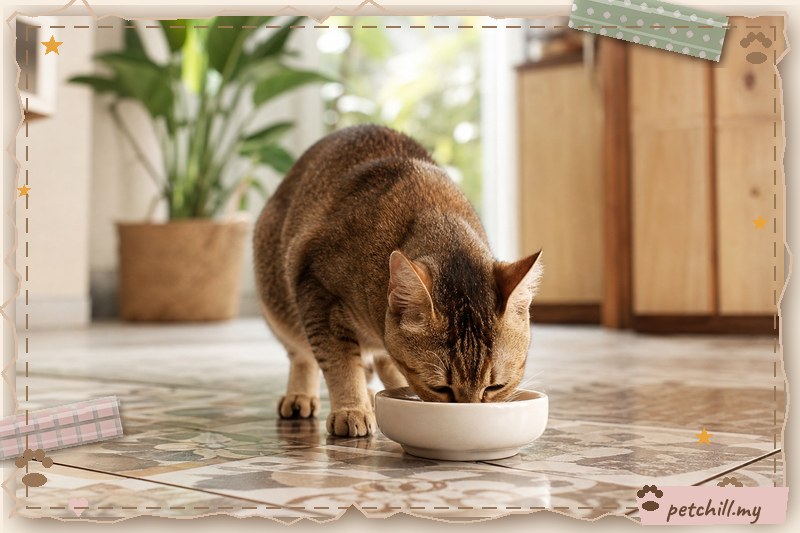
- Use wet food or a lickable treat rather than dry kibble, which does not absorb oil well.
- Split the dose across two meals to reduce stool changes.
- Warm the oil slightly by rolling the bottle in your hands, not in the microwave.
- Keep the bottle in the fridge after opening, as the label advises.
- Do not add oil to food left out all day in a hot Malaysian kitchen, because it can go rancid faster.
If your cat refuses oil, ask your vet about a chew, a powder or a diet that already contains added omega-3.
Safety, side effects and interactions
Omega-3 is generally well tolerated, but it is not risk-free.
Common side effects:
- Loose stools or diarrhoea
- Fishy breath
- Weight gain if the oil adds too many calories
- Reduced appetite if the taste is unpleasant
Less common but important:
- Vomiting
- Greasy stools
- Bleeding tendency at very high doses
- Poor control of blood sugar in diabetic cats, so monitor closely
Interactions to discuss with your vet:
- Blood thinners and some pain medications
- Other supplements that also thin the blood
- Prescription kidney or heart diets that already contain omega-3
If your cat is on any medication, tell your vet before starting omega-3.
Omega-3 in Malaysian homes: practical examples
Kuala Lumpur apartment with a senior cat. A 12-year-old cat living mostly indoors is stiff after naps and has a dull coat. The owner asks the vet for an EPA plus DHA target, starts a plain fish oil at the low end, mixes it into a small portion of wet food, and logs stool and mobility for six weeks. The vet reviews the log and adjusts the dose alongside a weight plan.
Penang rainy season and itchy skin. During humid weeks, a cat scratches more and the owner wonders if omega-3 will help. The vet checks for fleas and skin infection first, treats those, then adds omega-3 as support. The owner keeps the oil in the fridge and avoids leaving oily food out in the heat.
These are everyday scenarios, not promises. Results vary, and diagnosis comes first.
When to see a vet
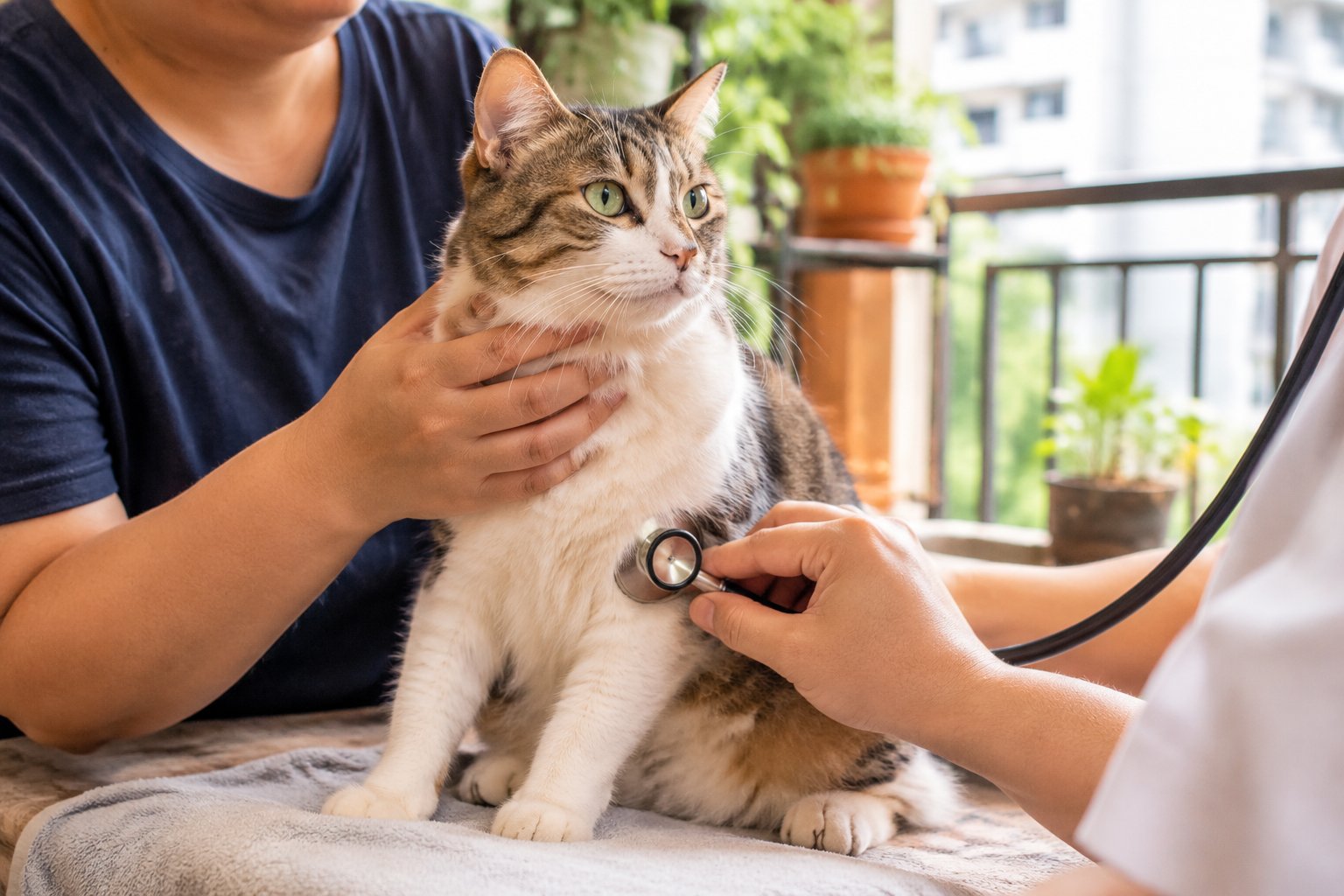
Contact a veterinarian promptly if your cat:
- Vomits repeatedly or refuses food after starting omega-3
- Has diarrhoea lasting more than a day or two
- Shows unusual bruising, nosebleeds or blood in stool
- Drinks and urinates much more than usual
- Has sudden stiffness, weakness or difficulty jumping
- Is losing weight despite a good appetite
- Has a known kidney, heart or bleeding disorder
- Is pregnant, nursing or on medication
Stop the supplement and bring the product label to the clinic. Your vet needs the EPA and DHA amounts, not just the brand name.
A quick checklist before you buy
- Vet has given a milligram target
- Product states EPA and DHA per dose
- No cod liver oil, garlic, onion or xylitol
- Dark bottle with a clear expiry date
- Stored as the label says, usually cool and dark
- Dosing log started
- Review booked for 4 to 8 weeks
Omega-3 is a useful tool, not a magic bullet. Used with a vet's guidance, a clear product and a simple log, it can be a sensible part of caring for a cat's skin, joints and kidneys.
This article is general information, not veterinary advice. Doses, products and suitability vary by cat. Always consult a licensed veterinarian before starting or changing any supplement.
Related reading
- Pet Nutrition Guide Malaysia: Protein, Phosphorus, Calories & Prescription Diets Explained
- Best Omega-3 for Cats in Malaysia: A Practical Buying and Dosing Guide
- AIM30 Kidney Cat Food Long-Term: Is It Safe for Malaysian Cats?
- Long-Term Feeding of Ciao Churu Purée: How Many Sticks a Day Is Safe for Your Cat
- Best Hairball Remedy for Cats in Malaysia: What Actually Works
- Best Joint Supplement for Cats in Malaysia: A Practical Buying Guide
- Best Multivitamin for Cats in Malaysia: What Actually Matters Before You Buy
- Best Probiotics for Cats in Malaysia: A Practical Buying Guide
- Cat & Dog Fruits and Vegetables: Part 2 Safety Guide for Malaysia
- Cat and Dog Fruit and Vegetable Safety in Malaysia: Citrus Peel, Fruit Stones, Herbs and Seasonings
- Complete vs Complementary Pet Food in Malaysia: How to Read the Label Before You Buy
- Hairball Remedy for Cats: Benefits and How to Use It Properly