
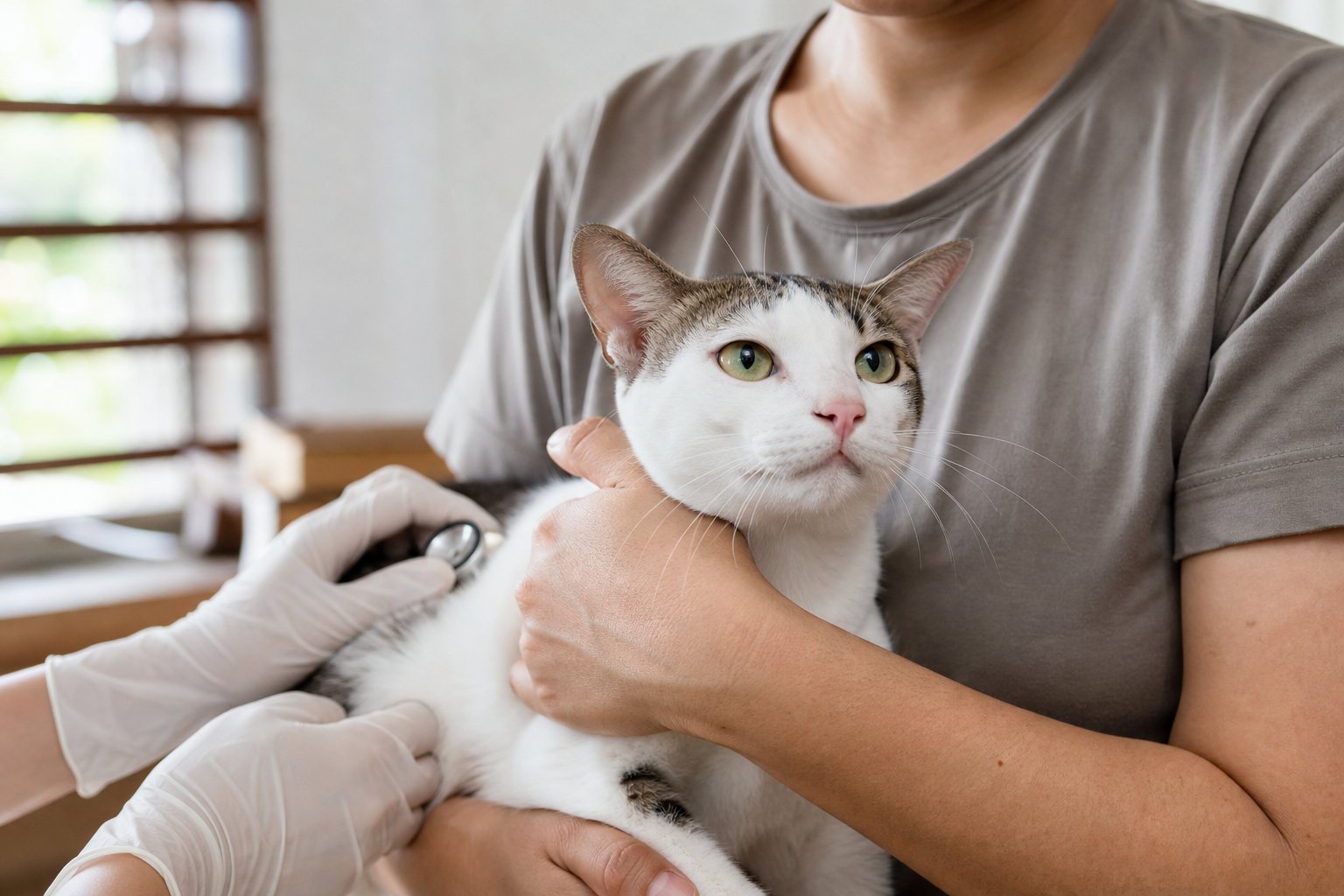
What are probiotics for cats?
Probiotics are live microorganisms—usually bacteria or yeast—that may benefit the host when given in adequate amounts. In cats, they are most often used to support digestive health, especially after disruptions such as diarrhoea, antibiotic therapy or stress. They are not drugs and do not treat every gut problem; they are a supportive tool.
Many cat foods and supplements now include probiotics, but not all products are equal. The key is to choose a product formulated for cats, with named strains and a guaranteed potency. This guide explains the potential benefits, how to use probiotics safely, and when to involve your veterinarian.
How probiotics may help cats
Research in cats is still growing, but the general principles from veterinary gastroenterology suggest several possible benefits:
- Restoring gut flora after antibiotics: Antibiotics can wipe out beneficial bacteria along with harmful ones. Probiotics may help repopulate the gut and reduce antibiotic-associated diarrhoea.
- Managing stress-related diarrhoea: Cats are sensitive to changes—moving house, new pets, travel or boarding. Probiotics may help stabilise the gut during these periods.
- Supporting recovery from acute diarrhoea: Some studies in other species show probiotics can shorten the duration of diarrhoea, though evidence in cats is limited.
- Improving stool quality: Owners often report firmer stools after consistent use, but this is anecdotal.
- Supporting immune health: A large portion of the immune system resides in the gut; a balanced microbiome may support overall immune function.
It is important to set realistic expectations. Probiotics are not a cure for underlying diseases such as inflammatory bowel disease, parasites or food allergies. They work best as part of a comprehensive plan that includes proper diagnosis and treatment.
Choosing a probiotic for your cat
With many products on the market, selecting the right one can be confusing. Use this checklist:
- Cat-specific formulation: Products designed for cats have strains and doses studied in cats. Avoid dog or human products unless your vet recommends otherwise.
- Named strains: Look for specific strains such as Enterococcus faecium SF68, Bifidobacterium animalis AHC7, or Lactobacillus acidophilus. Avoid products that list only “probiotic blend” without details.
- Guaranteed CFU count: CFU (colony-forming units) indicates live bacteria. Choose a product that guarantees a minimum CFU at the expiry date, not just at manufacture. Typical doses range from 1×10^8 to 1×10^10 CFU per day, but follow label or vet advice.
- Third-party testing: Brands that provide independent testing for potency and purity are more trustworthy.
- No harmful additives: Avoid products with xylitol, artificial sweeteners, or unnecessary fillers. Some cats are sensitive to certain ingredients.
- Storage instructions: Some probiotics require refrigeration; others are shelf-stable. Follow the label to maintain potency.
- Form: Powders, capsules, chews and pastes are available. Choose a form your cat will accept easily.
Comparison table: types of probiotic products
| Product type | Pros | Cons | Best for |
|---|---|---|---|
| Powder | Easy to mix with food; adjustable dose | Can alter taste; messy | Most cats; easy to hide in wet food |
| Capsules | Precise dose; can open and mix | Requires handling; may be fiddly | Cats that accept powder in food |
| Chews | Convenient; often palatable | Limited dose flexibility; may contain fillers | Cats that like treats |
| Paste | Easy to administer directly | Short shelf life after opening; may be refused | Finicky cats; short-term use |
| Fortified food | No extra steps | Lower CFU; not all cats eat enough | General support; picky eaters |
Always check with your vet before starting a new supplement, especially if your cat has a health condition or is on medication.
How to give probiotics to your cat
Giving probiotics is usually straightforward, but cats can be particular. Here’s how to make it easier:
- Start with a small dose: Introduce gradually over a few days to avoid digestive upset. Mix a quarter of the recommended dose into a small amount of wet food, then increase.
- Mix with wet food: Probiotics are often tasteless, but some cats notice. Mix thoroughly into a strong-smelling wet food or a small amount of their favourite treat.
- Avoid hot food: Heat can kill live bacteria. Add probiotics to food at room temperature or cooler.
- Separate from antibiotics: If your cat is on antibiotics, give the probiotic at least 2 hours before or after the antibiotic dose.
- Be consistent: Give at the same time each day. Use a reminder if needed.
- Watch for reactions: Stop if you see vomiting, diarrhoea worsening, or any allergic signs such as itching or swelling.
- Store correctly: Follow label instructions. Refrigerate if required, and keep out of reach of children and other pets.
If your cat refuses food with probiotics, try a different form (e.g., capsule sprinkled on food, or a paste). Never force-feed; consult your vet for alternatives.
Probiotics for specific situations
After antibiotics
Antibiotics are life-saving but can disrupt gut flora. Probiotics can help reduce antibiotic-associated diarrhoea. Give them during and after the course, spaced away from antibiotic doses. Continue for a week after finishing antibiotics, unless your vet says otherwise.
Stressful events
Moving house, new family members, or travel can trigger stress-related gut issues. Start probiotics a few days before a known stressor and continue through the event. In Malaysia, festive seasons with fireworks or long car rides to balik kampung can be stressful for cats; probiotics may help maintain gut stability.
Diarrhoea
Acute diarrhoea in cats has many causes—dietary indiscretion, parasites, infections, or stress. Probiotics may support recovery, but they are not a substitute for diagnosis. If diarrhoea lasts more than 24–48 hours, or is accompanied by vomiting, lethargy, or blood, see a vet promptly.
Senior cats
Older cats may have a less diverse gut microbiome. Probiotics could support digestion and immune function, but senior cats often have underlying conditions. Consult your vet before adding supplements.
Safety and side effects
Probiotics are generally safe for healthy cats, but there are caveats:
- Immunocompromised cats: Cats with weakened immune systems (e.g., FeLV, FIV, or undergoing chemotherapy) should only receive probiotics under veterinary supervision, as live bacteria could pose a risk.
- Severe illness: Cats with severe illness or open wounds should not receive probiotics without vet approval.
- Quality matters: Poorly manufactured products may contain contaminants or not match label claims. Choose reputable brands.
- Allergic reactions: Rare, but watch for itching, swelling, or difficulty breathing. Seek immediate vet care if these occur.
- Gastrointestinal upset: Some cats may experience mild bloating or loose stools when starting. Reduce dose or stop if persists.
Always check with your vet before starting any supplement, especially if your cat is on medication or has a health condition.
When to see a vet
Probiotics are not a replacement for veterinary care. Seek veterinary attention if your cat shows any of the following:
- Diarrhoea lasting more than 24–48 hours, or diarrhoea with blood or mucus
- Repeated vomiting or inability to keep food down
- Lethargy, weakness, or hiding
- Loss of appetite for more than 24 hours
- Signs of dehydration (dry gums, skin tenting, sunken eyes)
- Abdominal pain or bloating
- Fever or other signs of illness
- Any adverse reaction to a probiotic (itching, swelling, breathing difficulty)
In Malaysia, you can contact your regular veterinarian or an emergency clinic. Do not delay if your cat is unwell.
Practical tips for Malaysian cat owners
Living in Malaysia brings specific considerations:
- Heat and humidity: Store probiotics as directed. If refrigeration is required, keep them cool during power outages. Avoid leaving supplements in hot cars.
- Apartment living: Cats in Kuala Lumpur apartments may have less access to outdoors, but stress can still occur from indoor changes. Probiotics can be part of a calm environment.
- Rainy season: Penang’s rainy season can bring dampness; ensure probiotics are stored dry. Also, cats may be less active; monitor stool quality.
- Multi-cat households: In a Johor terrace house with several cats, label each cat’s supplements to avoid mix-ups. Use separate feeding stations.
- Local availability: Many pet shops and online stores in Malaysia stock cat probiotics. Prices vary, so compare and ask your vet for recommendations. Avoid unverified imported products.
Vet disclaimer
This article is for general information only and does not replace professional veterinary advice. Always consult a licensed veterinarian for diagnosis and treatment of your cat’s health condition. The author is not a veterinarian.
Related reading
- Pet Nutrition Guide Malaysia: Protein, Phosphorus, Calories & Prescription Diets Explained
- Best Probiotics for Cats in Malaysia: A Practical Buying Guide
- Cat & Dog Fruits and Vegetables: Part 2 Safety Guide for Malaysia
- Hairball Remedy for Cats: Benefits and How to Use It Properly
- Fruit and Vegetable Safety for Malaysian Cats and Dogs: What to Feed, What to Avoid
- ADVANCE Prescription Diet Review Malaysia: Ingredients, Nutrients and Vet Guidance
- AIM30 Kidney Cat Food Long-Term: Is It Safe for Malaysian Cats?
- Anti-Inflammatory Foods for Cats in Malaysia: What Works, What Doesn't, and How to Start
- Best Calming Supplement for Cats in Malaysia: A Practical Buying Guide
- Best Hairball Remedy for Cats in Malaysia: What Actually Works
- Best Omega-3 for Cats in Malaysia: A Practical Buying and Dosing Guide
- Calming Supplements for Cats in Malaysia: Benefits and How to Use Them Safely

