Quick answer
For most Malaysian cats, the best tofu cat litter is a plain, low-dust, fast-clumping pellet about 2–3 mm wide, unscented or lightly scented, packed in a resealable 6–10 L bag. Buy fresh stock, scoop twice daily, and switch over 7–10 days by mixing it with your current [litter.
Why tofu litter suits Malaysian homes
Tofu](/articles/cat-litter-guide-hong-kong-2026-malaysia "mylink") litter is made from soybean curd residue and plant fibres pressed into small pellets. It clumps when wet, so you can scoop urine and stool daily and keep the tray cleaner between full changes. Compared with traditional clay, tofu litter tends to be lighter, less dusty and easier to carry home — a real advantage if you live in a walk-up apartment or rely on delivery.
Malaysia's warm, humid climate matters too. Clay litter can become damp and heavy in an open bag, while tofu pellets are usually sold in resealable pouches. That said, tofu litter is not waterproof. If you store it in a bathroom or balcony that gets rain and steam, pellets can soften and clump in the bag. Keep spare bags in a dry cupboard, away from direct sunlight.
Tofu litter is not automatically "better" for every cat. Some cats prefer the feel of fine sand, and some owners find tofu tracks more than expected. The right choice depends on your cat, your home and your routine.
What "best" means for your cat
There is no single best brand for every household. Judge a tofu litter on these practical points:
- Clumping speed: Urine should form a firm ball within a minute or two so it lifts cleanly without breaking apart.
- Dust level: Pour a little into a tray and watch for a dust cloud. Low-dust litter is kinder to cats with sensitive airways and to humans with allergies.
- Pellet size: Smaller pellets (around 2 mm) feel closer to sand; larger pellets (3 mm or more) track less but may feel odd to picky cats.
- Scent: Cats have a strong sense of smell. Unscented or very lightly scented litter is usually safer than strong floral or citrus fragrances.
- Absorbency and odour control: Good tofu litter locks in urine quickly. If the tray smells within a day, the litter or your scooping routine needs attention.
- Flushability claims: Treat these as a plumbing question, not just a litter question. Many Malaysian apartments have narrow or shared pipes.
- Bag size and resealability: A 6–10 L bag is manageable for most owners. Very large bags are only a bargain if you can store them dry.
- Availability: Choose a brand you can restock consistently, whether from a local pet shop or an online retailer with fresh stock.
Comparison table: tofu litter vs other common options
| Feature | Tofu litter | Clay clumping litter | Pine/wood litter | Paper litter |
|---|---|---|---|---|
| Clumping | Yes, usually firm | Yes | Variable, often weak | No |
| Dust | Low to moderate | Moderate to high | Low | Low |
| Weight | Light | Heavy | Medium | Very light |
| Odour control | Good if scooped daily | Good | Moderate | Moderate |
| Flushable claim | Sometimes | No | No | No |
| Tracking | Moderate | Moderate to high | Low to moderate | Low |
| Suits humid storage | Good if sealed | Fair | Good | Good |
| Typical use case | Apartments, daily scooping | Budget households | Odour-sensitive homes | Post-surgery, sensitive paws |
Use the table as a starting point, not a rule. A cat's preference and a household's plumbing and storage matter more than any label.
How to choose a tofu litter in the shop or online
When you compare products, look past the front of the bag.
- Read the ingredient list. Plain tofu litter should list plant fibres and a binder. Be cautious with vague "fragrance" or strong deodoriser claims if your cat has ever wheezed or sneezed around litter.
- Check the pellet size on the label. If it is not stated, look at customer photos or ask the seller.
- Squeeze a pellet through the bag if possible. It should feel firm, not crumbly or damp.
- Check the production or best-before date. Fresher stock is less likely to have absorbed moisture.
- Buy one bag first. Do not stock up on a new brand until your cat has used it for at least a week.
- Ask about returns. A retailer that accepts unopened bags is easier to deal with if your cat refuses the litter.
- Compare cost per litre, not per bag. A cheap large bag that crumbles quickly may cost more per month than a smaller, firmer bag.
Local prices vary by brand, bag size and retailer, so ask your regular pet shop or online seller for current pricing rather than relying on old comparisons.
Setting up the tray correctly
Even the best litter fails in a badly set-up tray.
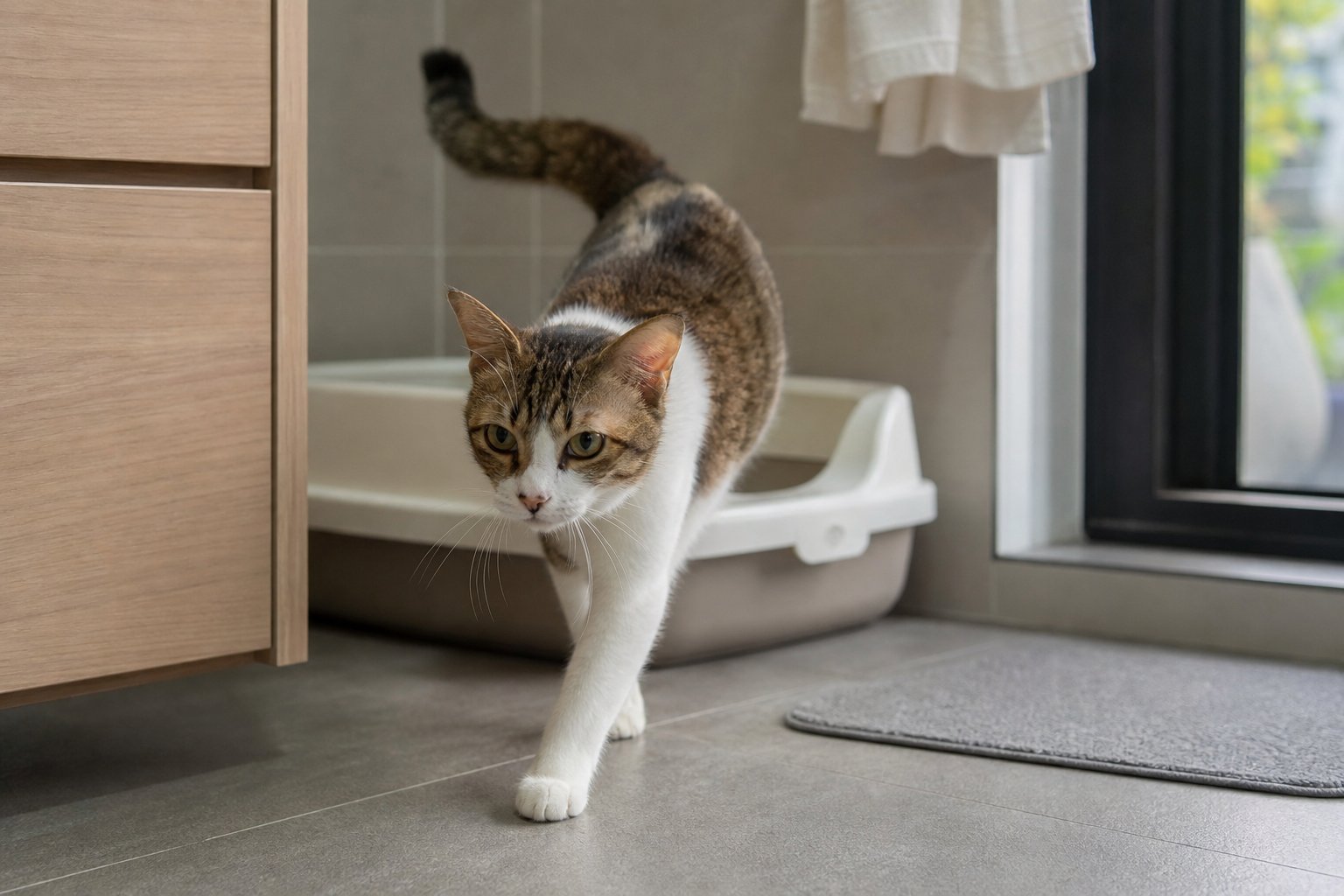
- Size: The tray should be about one and a half times the length of your cat, nose to tail base. Many Malaysian cats are fine with a large open tray; covered trays can trap odour and dust.
- Depth: Pour 4–6 cm of tofu litter. Too little causes urine to stick to the bottom; too much can make small cats sink.
- Number of trays: The common guide is one tray per cat plus one spare. In a small apartment, two trays in separate quiet spots is often enough for one cat.
- Location: Put trays away from food and water, washing machines and busy doorways. Cats like a quiet escape route.
- Scooping: Remove solids at least twice a day. Stir the litter gently to stop clumps sticking to the base.
- Full change: Empty, wash and dry the tray every 2–4 weeks for one cat. Use mild soap, not strong disinfectants, and rinse well.
- Liner use: Liners can make cleaning easier but some cats dislike the rustling. Try without first.
Switching from clay or another litter
Cats are creatures of habit. A sudden switch can cause a litter boycott, which may lead to accidents around the home.
Use this 7–10 day plan:
- Days 1–3: Mix about one part tofu litter with three parts old litter.
- Days 4–6: Move to half and half.
- Days 7–9: Use three parts tofu to one part old litter.
- Day 10: Fill with tofu litter only if your cat is using the tray normally.
If your cat avoids the tray, slow down and go back a step. Keep at least one tray with the old litter until the transition is complete. Never punish a cat for accidents; clean the spot with an enzymatic cleaner and check whether the tray setup is the problem.
Managing odour and humidity in Malaysian homes
Tofu litter controls odour well when it is scooped often, but humidity can undermine it.
- Seal opened bags. Roll down the top and use the resealable zip, or store litter in a clean, dry container with a lid.
- Avoid bathroom storage. Steam from showers softens pellets.
- Air the room. Good ventilation helps more than strong air fresheners, which can irritate cats.
- Clean the tray properly. Odour lives in scratched plastic. Replace deeply scratched trays every year or so.
- Watch for damp clumps. If clumps stick to the base or the litter smells sour, change the whole tray earlier.
- Use a mat. A textured litter mat at the tray entrance catches tracked pellets and keeps floors drier.
Cost and value: how to budget
Tofu litter often costs more per bag than basic clay, but it is lighter and may last differently depending on clumping quality. To compare value:
- Note the bag size in litres.
- Track how many days one bag lasts with your normal scooping routine.
- Add the cost of any litter mats, liners or extra trays you buy.
- Factor in delivery charges if you order online.
A simple monthly estimate is: bag price divided by days lasted, multiplied by 30. Do this for two or three brands before deciding. Prices vary between retailers and over time, so check current pricing with your local pet shop or online seller.
Common mistakes to avoid
- Buying in bulk before testing. Your cat may refuse the texture.
- Choosing strong scents. Fragrance is for humans, not cats.
- Scooping once a day. Twice daily is the minimum for good odour control.
- Flushing large clumps. Bag and bin unless your plumbing and the product label clearly allow flushing.
- Ignoring sudden changes in litter habits. A cat that stops using the tray may be in pain.
- Storing litter in a wet area. Damp pellets clump in the bag and waste money.
When to see a vet
Contact a veterinarian if your cat:
- stops using the litter tray, cries while urinating, or produces only small drops of urine;
- has blood in the urine or strains repeatedly;
- urinates outside the tray suddenly after using it reliably;
- sneezes, wheezes or has runny eyes around litter dust;
- eats litter repeatedly or shows vomiting, drooling or lethargy;
- has diarrhoea or constipation that lasts more than a day or two.
Urinary blockages, especially in male cats, are emergencies. Do not wait to see whether it settles.
Frequently asked questions
Is tofu cat litter safe if my cat eats it? A small taste is usually harmless, but tofu litter is not food. If your cat eats large amounts, vomits, or seems blocked, call your vet. Avoid litter with strong added scents or fine dust if your cat has asthma.
Can I flush tofu cat litter in Malaysia? Only flush tiny amounts if your building plumbing allows it and the bag says flushable. Many Malaysian apartments have narrow pipes, so bagging and binning is safer. Never flush large clumps or whole tray changes.
How often should I change tofu litter completely? Scoop solids at least twice daily and top up. Do a full change every 2–4 weeks for one cat, more often for multiple cats or if odour lingers. Wash the tray with mild soap and dry it fully before refilling.
Why is my cat not using the tofu litter? Cats dislike sudden changes, strong scents, deep litter or dirty trays. Mix old and new litter gradually, keep the tray in a quiet spot, and offer two trays. If avoidance lasts more than a day or two, see your vet.
Is tofu litter better than clay for Malaysian humidity? Tofu litter clumps quickly and is low-dust, which suits humid apartments, but it can absorb moisture from the air if stored badly. Keep bags sealed, store in a dry cupboard, and avoid bulk-buying more than a month or two ahead.
How much tofu litter does one cat need per month? Most single cats use roughly 10–20 L of tofu litter per month, depending on scooping habits, tray size and whether you top up daily. Multi-cat homes use more. Track your first two bags to estimate your own usage.
Bottom line
The best tofu cat litter for your cat is the one that clumps firmly, stays low-dust, suits your storage and plumbing, and that your cat actually uses. Start with one bag, transition slowly, scoop twice daily, and keep spare bags dry. If your cat's litter habits change suddenly, treat it as a health question and speak to your vet.
This article is general information for Malaysian cat owners and is not a substitute for veterinary advice. Always consult a licensed veterinarian about your cat's health.
Related reading
- Cat Litter Guide Malaysia 2026: Types, Costs and How to Choose
- Best Crystal Cat Litter for Cats in Malaysia: A Practical Buying Guide
- Best Dust-Free Cat Litter for Cats in Malaysia: A Practical Buying Guide
- Clumping Cat Litter Buying Guide for Cat Owners in Malaysia
- Crystal Cat Litter Buying Guide for Cat Owners in Malaysia
- Crystal Cat Litter for Cats: Pros and Cons Every Malaysian Owner Should Know
- Dust-Free Cat Litter: Pros and Cons for Malaysian Cat Owners