
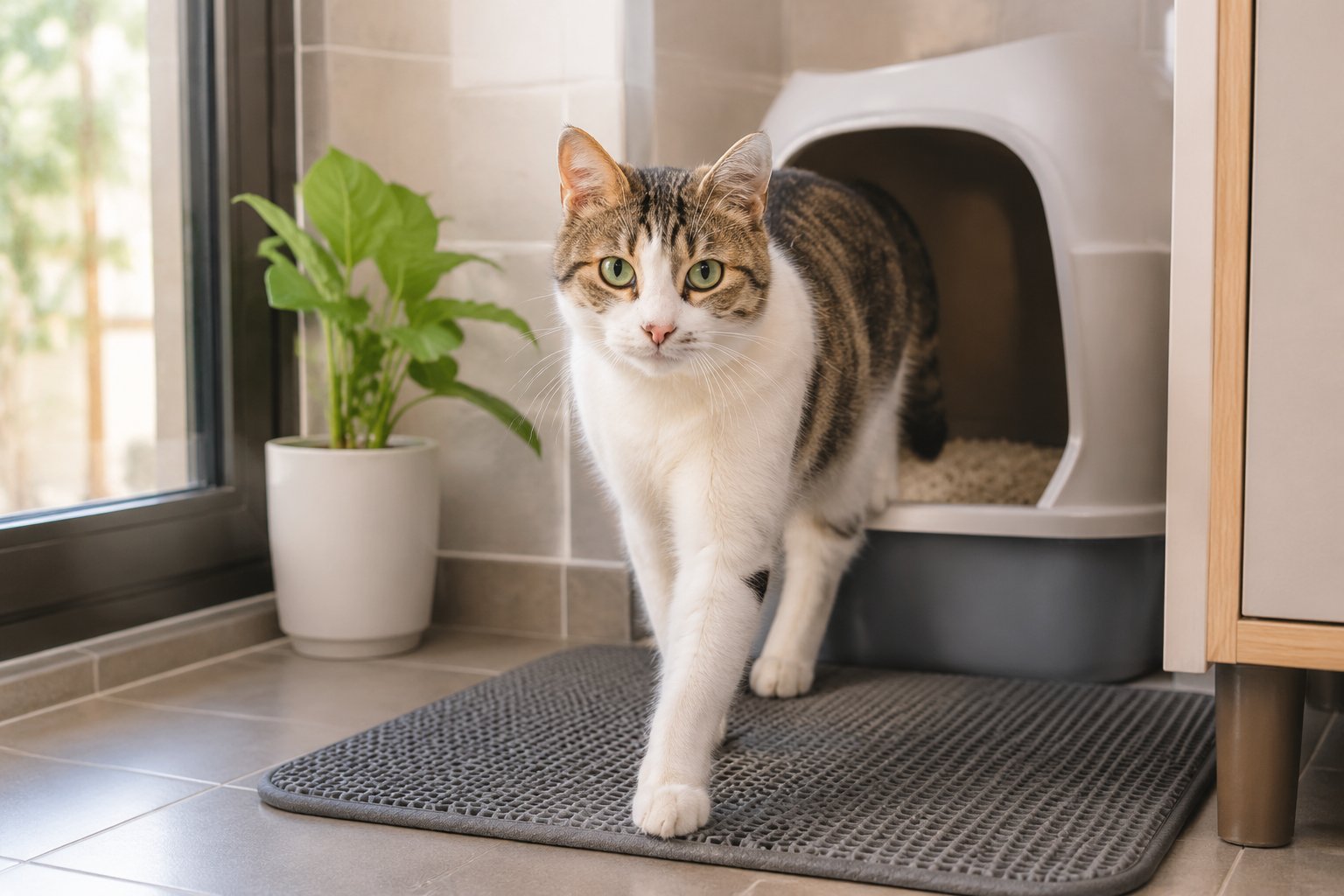
What is dust-free cat litter and why use it?
Dust-free cat litter is a type of litter formulated to produce minimal airborne dust when you pour it, scoop it, or when your cat digs. No litter is completely dust-free, but low-dust products reduce the fine particles that can irritate a cat's nose, eyes, and airways, and make cleaning easier for you.
Cats are sensitive to smells and textures. A dusty litter can cause sneezing, watery eyes, and even reluctance to use the box. For people in the household, especially those with asthma or allergies, less dust means a more comfortable home. In Malaysia's humid climate, dust-free litter also helps keep the litter area cleaner because less dust settles on floors and surfaces.
This guide explains how to use dust-free cat litter for cats, from choosing the right type to setting up the box, transitioning your cat, and maintaining a healthy litter routine. It also covers signs that need a vet's attention.
Types of dust-free cat litter
Dust-free litter comes in several materials. Each has pros and cons. The table below compares common options.
| Litter type | Dust level | Clumping | Odour control | Notes |
|---|---|---|---|---|
| Clay (low-dust) | Low to moderate | Yes | Good | Heavy; avoid if cat has respiratory issues |
| Plant-based (tofu, corn, wheat) | Low | Yes (some) | Moderate | Lightweight; some cats may eat it |
| Paper-based | Very low | No | Moderate | Good for kittens and post-surgery |
| Wood pellets | Low | No | Good | May be dusty when first poured; expands when wet |
| Silica gel | Low | No | Excellent | Do not use for kittens; can be ingested |
When choosing, consider your cat's age, health, and preferences. For example, a senior cat with arthritis may prefer a soft, low-dust litter that is easy to dig. A kitten may need non-clumping paper litter to avoid ingestion. In Malaysia, you can find these options at pet shops and online, but availability varies. Always check the label for dust-reduction claims and read reviews from other cat owners.
Setting up the litter box
A clean, well-placed box is key to successful litter use. Follow these steps:
- Choose the right box size. The box should be about 1.5 times the length of your cat, from nose to base of tail. For most cats, a large box is better than a small one.
- Pick the location. Place the box in a quiet, well-ventilated area away from food and water. Avoid high-traffic spots and noisy appliances. In a Kuala Lumpur apartment, a bathroom or utility area often works well. In a Johor terrace house, a shaded corner of the laundry area may be suitable.
- Fill with litter. Add 5–7 cm of dust-free litter. For kittens or senior cats, use 3–5 cm. Too little litter makes digging difficult; too much can be messy.
- Keep it level. Smooth the litter so your cat has a stable surface.
- Provide a scoop and mat. Place a litter mat outside the box to catch tracking. Use a sturdy scoop for daily cleaning.
If you have multiple cats, provide one box per cat plus one extra. For example, two cats need three boxes. This reduces competition and stress.
Transitioning your cat to dust-free litter
Cats are creatures of habit. A sudden change in litter can cause stress and avoidance. Transition gradually over 7–10 days:
- Days 1–3: Mix 25% new dust-free litter with 75% old litter.
- Days 4–6: Mix 50% new and 50% old.
- Days 7–9: Mix 75% new and 25% old.
- Day 10: Use 100% new litter.
During the transition, keep the box in the same location and scoop daily. If your cat avoids the box or eliminates outside it, slow down and go back to the previous ratio for a few days. Some cats are more sensitive than others; patience is important.
If you are switching from a very dusty litter to a dust-free one, you may notice less sneezing and cleaner floors within a week. But if your cat shows signs of respiratory irritation, see a vet.
Daily and weekly maintenance
Regular cleaning keeps the litter box hygienic and encourages your cat to use it. Here is a simple routine:
Daily:
- Scoop solid waste and clumps at least once a day, preferably twice.
- Stir the litter to distribute moisture and reduce odour.
- Top up litter to maintain depth.
Weekly:
- Wash the box with unscented soap and warm water. Avoid harsh chemicals or strong fragrances.
- Dry the box completely before adding fresh litter.
- Replace all litter every 1–2 weeks for one cat. For multiple cats, change more often.
Monthly:
- Inspect the box for cracks or wear. Replace if damaged.
- Check your cat's paws and coat for litter tracking or irritation.
In Malaysia's humid weather, litter can absorb moisture and develop odour faster. Keep the box in a well-ventilated area and consider using a dehumidifier nearby if the room is damp. Avoid placing the box in direct sunlight or near heat sources.
Common mistakes to avoid
Even experienced cat owners can make mistakes. Watch out for these:
- Using too little litter. Cats need enough depth to dig and cover waste. Aim for 5–7 cm.
- Placing the box near food. Cats prefer to eat and eliminate in separate areas.
- Using scented litter. Strong fragrances can irritate cats and cause avoidance. Choose unscented dust-free litter.
- Skipping daily scooping. A dirty box is a common reason cats eliminate outside the box.
- Changing litter too quickly. Always transition gradually.
- Using clumping litter for kittens under 8 weeks. They may ingest it and cause blockages.
- Ignoring changes in litter habits. A sudden change can signal a health problem.
Health signs to watch for
Dust-free litter reduces dust, but it does not prevent all health issues. Monitor your cat for these signs:
- Sneezing, coughing, or wheezing
- Watery or red eyes
- Nasal discharge
- Avoiding the litter box or crying while urinating
- Blood in urine
- Straining to urinate
- Diarrhoea or constipation
- Excessive grooming of the paws or rear
If you notice any of these, consult a veterinarian. Respiratory signs may be due to dust, allergies, or infection. Urinary signs can indicate a blockage, which is an emergency, especially in male cats.
When to see a vet
See a vet if your cat:
- Struggles to urinate or produces only small amounts of urine
- Cries out while urinating
- Has blood in the urine
- Vomits or refuses food
- Shows difficulty breathing or persistent coughing
- Has eye or nasal discharge that does not improve
- Suddenly stops using the litter box
These signs can indicate urinary tract disease, respiratory infection, or other conditions. Early veterinary care improves outcomes. Do not wait if your cat is straining to urinate; this can be life-threatening.
Local considerations for Malaysian cat owners
Malaysia's climate and housing styles affect litter choice and maintenance. In high-rise apartments, such as those in Kuala Lumpur, litter dust can circulate through air-conditioning. A dust-free litter reduces particles in the air and keeps indoor spaces cleaner. In landed homes like a Johor terrace house, you may have more options for placement, but humidity can still affect litter. Ensure good ventilation and avoid damp corners.
During the rainy season, especially in Penang, litter can absorb moisture from the air. Keep the box dry and change litter more frequently if it feels damp. Use a covered box with ventilation holes if your cat accepts it, but avoid enclosed boxes in humid areas as they can trap odour and moisture.
Local pet shops and online stores offer various dust-free litters. Prices vary, so compare options and ask retailers for recommendations. For health advice, consult a Malaysian veterinarian.
Frequently asked questions
What is dust-free cat litter? Dust-free cat litter is designed to produce very little airborne dust when poured, scooped, or disturbed. It may be made from clay, plant fibres, paper, wood, or silica gel. No litter is 100% dust-free, but low-dust options reduce particles that irritate cats and people.
How do I switch my cat to dust-free litter? Mix the new litter with the old one gradually. Start with 25% new litter for 3–4 days, then 50%, then 75%, and finally 100% over 7–10 days. Keep the box in the same spot and scoop daily. If your cat avoids the box, slow down the transition.
How deep should dust-free cat litter be? Most cats prefer 5–7 cm of litter. Senior cats, kittens, or cats with arthritis may need shallower litter, around 3–5 cm. Deep litter can be harder to dig in and may cause discomfort for cats with joint pain.
How often should I change dust-free cat litter? Scoop solid waste daily and stir the litter. Top up as needed. Do a full litter change every 1–2 weeks for one cat, or more often for multiple cats. Wash the box with unscented soap and water, then dry it completely before refilling.
Is dust-free litter safe for kittens? Yes, but choose a kitten-safe litter. Avoid clumping litter for kittens under 8 weeks old because they may ingest it. Use non-clumping, low-dust options such as paper-based or wood-based litter. Always supervise young kittens around the litter box.
Can dust-free litter cause health problems? Dust-free litter itself is not known to cause health problems, but any litter can reveal underlying issues. If your cat sneezes, coughs, has eye discharge, or avoids the box, see a vet. These signs may indicate allergies, respiratory infection, or urinary problems.
Conclusion
Using dust-free cat litter is a simple way to improve litter box hygiene and comfort for your cat and your home. Choose a low-dust litter suited to your cat's age and health, set up the box correctly, transition gradually, and maintain a regular cleaning routine. Watch for signs of illness and consult a vet when needed. With these steps, you can create a pleasant litter experience for your cat.
Disclaimer: This article is for general information only and is not a substitute for veterinary advice. Always consult a licensed veterinarian for health concerns about your cat.

