
The short answer
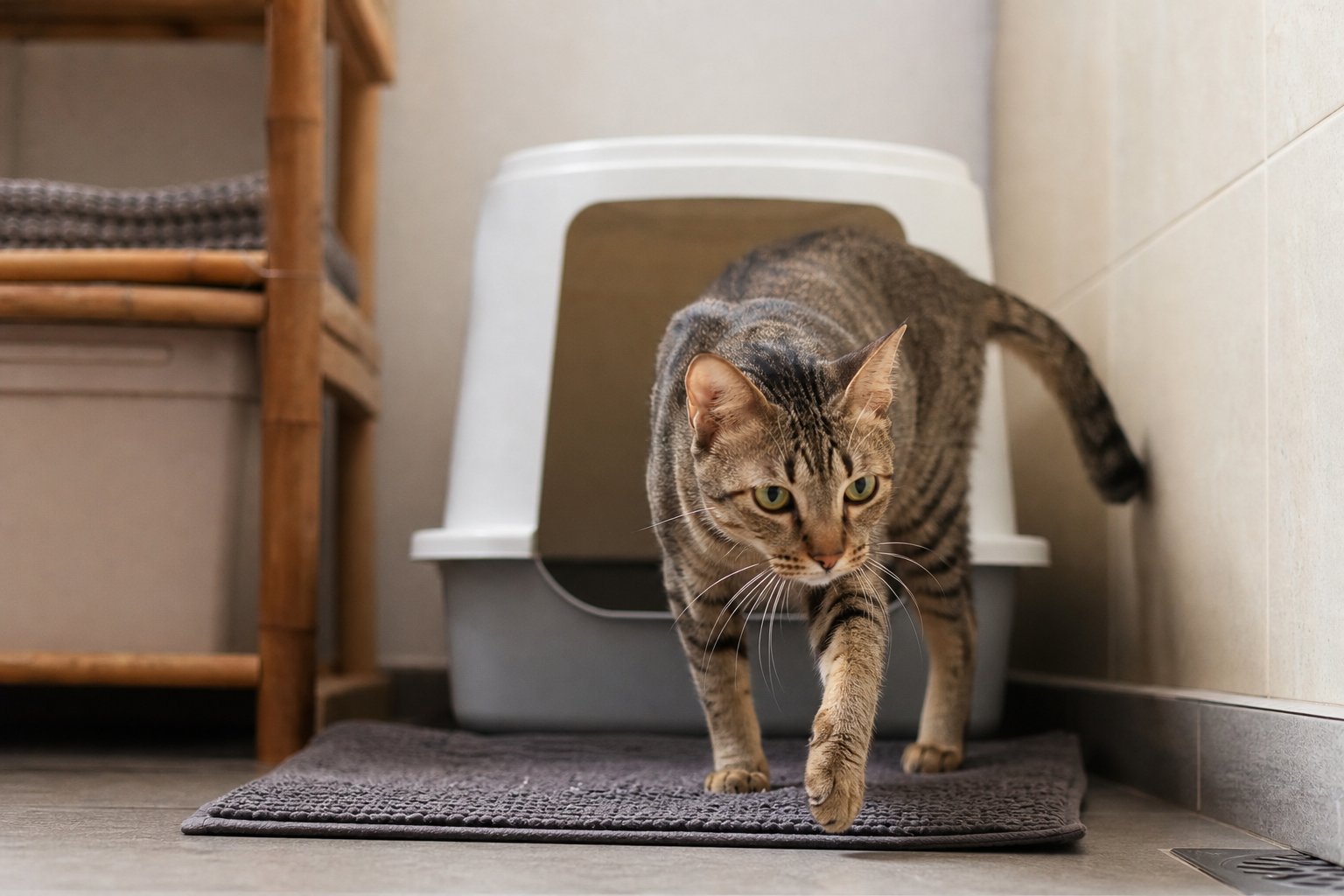
A litter box is the most practical indoor toilet for a cat. It gives your cat a predictable place to go, keeps waste out of your home, and lets you notice changes in urine or stool early. The trade-offs are real: odour, tracking, daily scooping and the cost of litter. For most Malaysian households, the pros win when the box is the right size, in the right place and cleaned often.
Why litter boxes matter for indoor cats
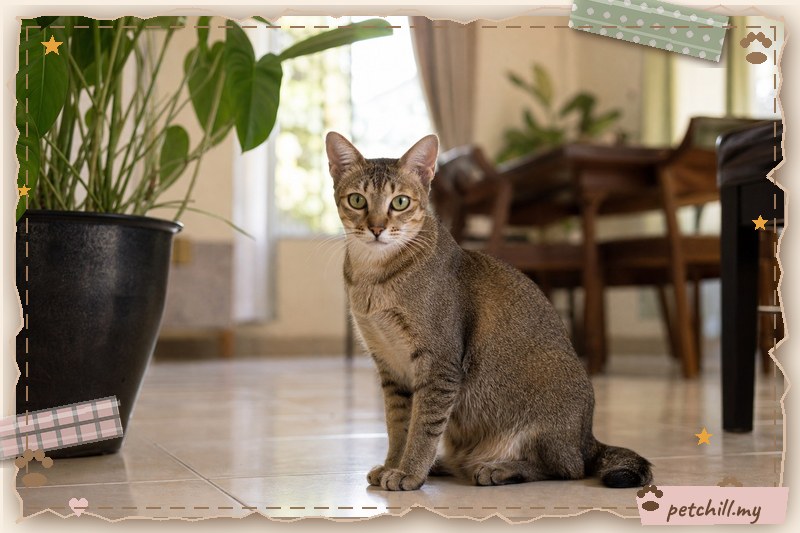
Cats are clean animals by nature. They prefer to bury waste in a soft, absorbent material, and they like routine. A litter box taps into that instinct. It also protects your cat from the risks of going outside, such as traffic, fights with other animals and infectious disease.
For owners, the box is a health dashboard. The colour and amount of urine, the shape of stool, and how often your cat visits can reveal dehydration, urinary problems or digestive upset before other signs appear. That early warning is one of the strongest arguments for keeping a box indoors.
The pros of using a litter box
1. Safety and containment
An indoor box keeps waste contained and away from children, food areas and living spaces. It also means your cat does not need to roam to find a toilet, which is safer in busy urban areas and high-rise apartments.
2. Easy health monitoring
Because you see the waste, you can track frequency, volume and appearance. If your cat starts urinating more often, straining, or producing loose stool, you will notice sooner. That is valuable information for your vet.
3. Convenience and routine
A litter box works day or night, in rain or shine. It suits cats that live entirely indoors and owners who work long hours. Once your cat is trained, the routine is simple: scoop, top up, wash.
4. Behavioural benefits
Cats that have a clean, private box are less likely to urinate on beds, sofas or laundry. Providing enough boxes reduces stress in multi-cat homes and helps prevent spraying and conflict.
5. Control over hygiene
You choose the litter, the box and the cleaning products. That control matters if your cat has allergies or if you want to use low-dust or unscented options.
The cons of using a litter box
1. Odour and air quality
Even with daily scooping, litter boxes produce some smell. Covered boxes can trap odour, and humid weather can make smells linger. Good ventilation and regular full changes help, but odour is a genuine drawback.
2. Daily work
A litter box is not a set-and-forget product. It needs scooping at least once a day, topping up, and periodic washing. If you skip cleaning, your cat may avoid the box, which creates a bigger problem.
3. Tracking and mess
Litter sticks to paws and gets scattered around the box. Fine clumping litters track more, while pellets track less but may feel uncomfortable to some cats. A mat and a high-sided box reduce the mess but do not eliminate it.
4. Cost over time
Litter is a recurring expense, and boxes, mats and scoops add up. Prices vary by brand and retailer in Malaysia, so compare options and ask your local pet shop or vet for advice rather than assuming one product is cheapest.
5. Space and placement challenges
In small apartments, finding a quiet, ventilated spot away from food and noise can be difficult. A box in a busy hallway or next to a washing machine may be ignored. You may need to rearrange furniture or use a discreet enclosure.
6. Litter preferences vary
Some cats are fussy about texture and scent. A litter you like may be rejected by your cat, leading to accidents outside the box. Transitioning slowly and offering choices helps.
Comparing common litter types
| Litter type | [Pros | Cons](/articles/crystal-cat-litter-for-cats-pros-and-cons "mylink") | Best for |
|---|---|---|---|
| Clumping clay | Firm clumps, easy scooping, good odour control | Dusty, heavier, not flushable | Most indoor cats; easy daily cleaning |
| Non-clumping clay | Cheaper, low fuss | Less odour control, full changes needed often | Budget setups, short-term [use |
| Tofu](/articles/how-to-use-tofu-cat-litter-for-cats "mylink") or plant-based | Light, low dust, often flushable in small amounts | Can be pricier, some cats eat it | Apartments, dust-sensitive homes |
| Pine pellets | Natural scent, low tracking, absorbs well | Texture may bother some cats, sawdust | Well-ventilated areas, pellet-trained cats |
| Paper pellets | Soft, low dust, good for sensitive paws | Weaker clumping, frequent changes | Post-surgery or sensitive cats |
| Silica gel | Long-lasting, low tracking | Expensive, not all cats like the texture | Low-maintenance households |
There is no single best litter. The right choice depends on your cat's preference, your cleaning routine and your home. In Malaysia's humidity, store litter in a sealed container and keep the box dry.
Open vs covered boxes
Open boxes are easy to monitor, well ventilated and simple to clean. They suit most cats and are a good starting point. Covered boxes hide the mess and contain scatter, but they trap odour and can make shy cats feel trapped. If you use a covered box, clean it more often and check that your cat is comfortable entering and leaving.
A simple comparison:
| Feature | Open box | Covered box |
|---|---|---|
| Ventilation | Good | Poorer |
| Odour containment | Lower | Higher inside, can escape when opened |
| Cat comfort | Usually high | Varies; some cats dislike enclosure |
| Cleaning ease | Easy | More corners to clean |
| Mess control | Lower | Higher |
Size, depth and number of boxes
The box should be about one and a half times the length of your cat, not counting the tail. Many commercial boxes are too small. A large plastic storage tub can work well if the sides are low enough for your cat to step over.
Depth matters. Shallow boxes are easy to enter but scatter litter. High-sided boxes contain mess but can be hard for kittens or senior cats. Choose based on your cat's age and mobility.
The number of boxes matters too. The common guideline is one box per cat plus one extra. Two cats need three boxes, placed in different areas. This reduces competition and gives each cat a retreat.
Placement: where the box should and should not go
Good placement is quiet, accessible and away from food and water. Cats do not like to eat near their toilet. Avoid noisy appliances, busy walkways and damp corners.
In a Kuala Lumpur apartment, a bathroom or utility corner often works if it is ventilated and not used as a thoroughfare. In a Johor terrace house, a shaded laundry area or a quiet room away from the kitchen is a practical choice. Avoid garages with car fumes and outdoor spots exposed to rain.
During Penang's rainy season, dampness can make litter clump poorly and smell worse. Keep the box under cover, dry the area and change litter more often if it feels damp.
Cleaning routine that actually works
Daily: scoop solid waste and clumps, stir the litter, top up if needed. Weekly: wash the box with mild soap and water, dry it fully, and replace litter as needed. Monthly: inspect the box for scratches and odour, and replace it if it is worn.
Avoid strong disinfectants and scented cleaners, which can irritate cats. Use unscented soap and rinse well. Keep a dedicated scoop and store it away from food areas.
Training and transition tips
Most kittens learn from their mother, but new cats need guidance. Place the cat in the box after meals and naps, reward calm behaviour, and keep the box clean. If you change litter, mix old and new for a week. If you move the box, do it gradually.
Never punish a cat for accidents. Punishment increases stress and can make the problem worse. Instead, clean the spot with an enzymatic cleaner and review the box setup.
When to see a vet
See a vet if your cat strains to urinate, cries while urinating, produces blood in urine, urinates outside the box suddenly, or stops using the box altogether. Male cats can block and deteriorate quickly, so treat urinary signs as urgent. Also seek advice for diarrhoea, constipation, weight loss or changes in thirst. Behavioural box avoidance can have a medical cause, so rule out illness first.
A simple checklist for Malaysian homes
- Box size: at least 1.5 times your cat's body length.
- Number: one per cat plus one.
- Placement: quiet, dry, ventilated, away from food.
- Litter: unscented, low-dust, cat-approved.
- Cleaning: scoop daily, wash weekly.
- Monitoring: note urine, stool and frequency.
- Storage: sealed container in a dry spot.
Bottom line
The pros of a litter box, safety, health monitoring and convenience, usually outweigh the cons of odour, mess and daily work. Choose a box that fits your cat, place it thoughtfully, and keep it clean. If something changes in your cat's toilet habits, act early and ask your vet.
This article is general information and not a substitute for veterinary advice. Consult a licensed veterinarian for your cat's specific needs.
Related reading
- Cat Litter Guide Malaysia 2026: Types, Costs and How to Choose
- Best Clumping Cat Litter for Cats in Malaysia: A Practical Buying Guide
- Best Crystal Cat Litter for Cats in Malaysia: A Practical Buying Guide
- Best Paper Cat Litter for Cats in Malaysia: A Practical Buying Guide
- Best Pine Cat Litter for Cats in Malaysia: A Practical Buying Guide
- Best Scented Cat Litter for Cats in Malaysia: A Practical Buying Guide
- Best Tofu Cat Litter for Cats in Malaysia: A Practical Buying Guide

