
The short answer
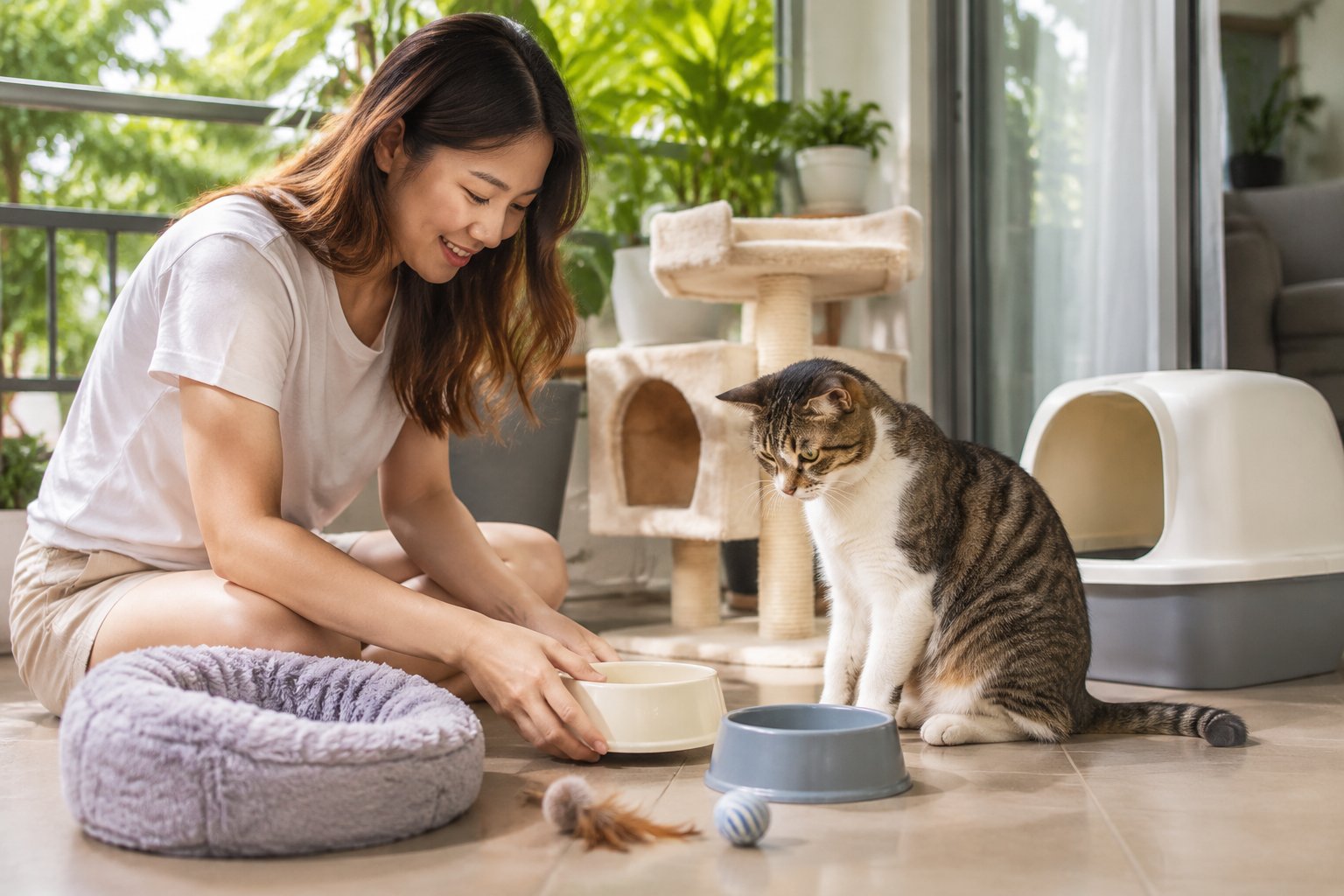
Litter training is less about teaching and more about setting up the right environment. Cats naturally want to bury waste in a soft, absorbent material. Your job is to provide a quiet, clean, accessible box, choose a litter most cats accept, and build a predictable routine around meals, naps and play. In Malaysia's humid climate, hygiene and ventilation matter more than many guides admit, and apartment living adds placement challenges. This guide walks you through setup, a step-by-step training plan, troubleshooting, and the health signs that mean a vet visit rather than more training.
Why cats are usually easy to litter train
Most cats are fastidious. Kittens learn by watching their mother and by exploring textures. Even rescue cats that have lived outdoors often take to a box quickly once they feel safe. The main reasons training fails are practical: the box is too small, too dirty, in a noisy spot, filled with a litter the cat dislikes, or shared with too many cats. Fear and illness also play a role.
Understanding this changes your approach. Instead of forcing your cat to the box repeatedly, focus on removing barriers. A cat that feels secure and has a clean, private toilet area will usually choose it without drama.
Choosing the right litter box
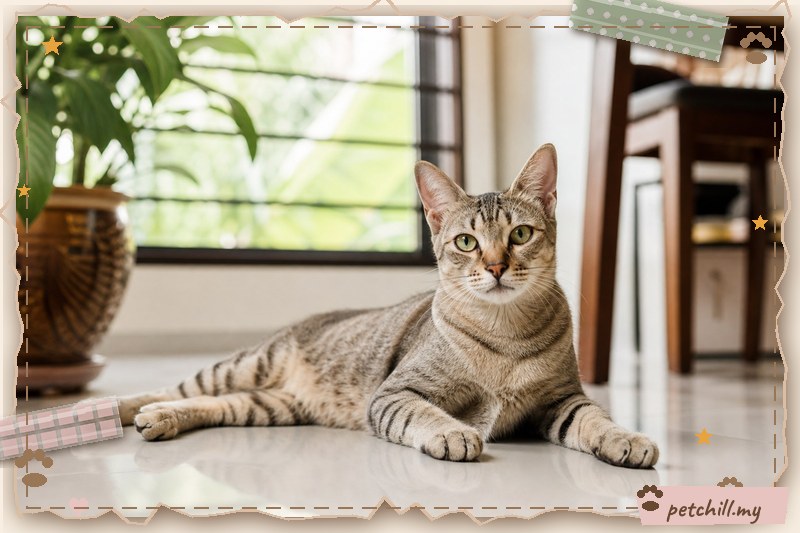
Size matters more than style. A box should be about one and a half times the length of your cat from nose to base of tail. Many commercial boxes are too small for adult cats. For kittens, choose a low-sided box so they can climb in easily, then upgrade as they grow.
| Box type | Best for | Watch-outs |
|---|---|---|
| Open, low-sided tray | Kittens, senior cats, first-time training | Litter tracking; less odour control |
| Open, high-sided tray | Adult cats that dig vigorously | Harder for kittens and arthritic cats to enter |
| Covered box | Cats that like privacy; small apartments | Traps humidity and odour in Malaysian weather; some cats refuse |
| Top-entry box | Cats that scatter litter | Difficult for kittens, seniors and cats with mobility issues |
| DIY storage bin | Budget option; large cats | Cut a smooth entry hole; check plastic edges are not sharp |
Start with a simple open tray. Once your cat is reliable, you can experiment with a covered box if you prefer, but always keep one open option available. Never switch box type abruptly during training.
Choosing litter for Malaysian homes
Texture and scent are the two biggest factors. Most cats prefer fine, unscented, clumping litter that feels soft underfoot. Scented litter is marketed to humans, not cats, and can deter sensitive noses. Crystals and paper pellets suit some cats but have different textures; introduce them gradually if you want to switch.
In Malaysia's heat and humidity, clumping litter can absorb moisture from the air if stored badly. Keep litter in a sealed container in a dry area, not in a bathroom or outdoor store. Damp litter clumps poorly and smells faster. If you notice the box smelling within a day of cleaning, the litter may be holding moisture or the box may be too small.
Dust is another consideration, especially in apartments with limited ventilation. Low-dust clumping litters are easier on cats and humans. Avoid heavily perfumed deodorisers; they mask odour for you but can make the box unpleasant for your cat.
Where to put the litter box
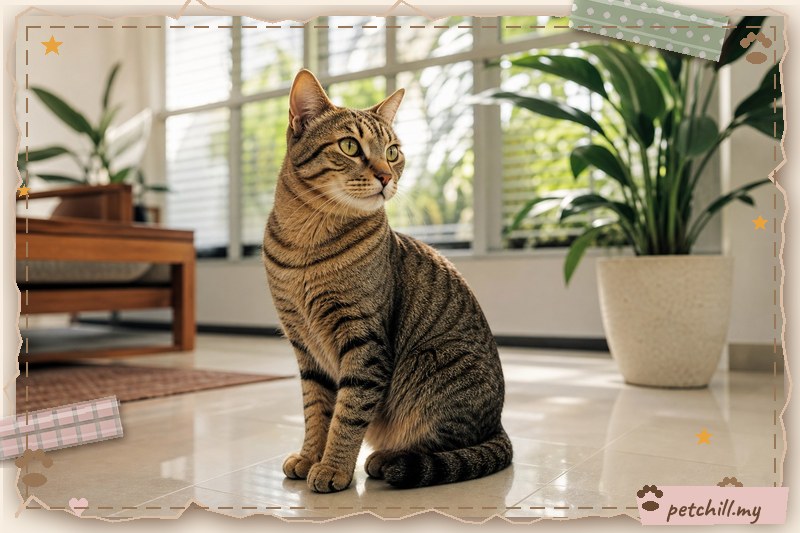
Placement is where many new owners go wrong. Cats want a quiet, accessible toilet away from food and water. In a Kuala Lumpur apartment, a bathroom or utility corner often works better than a living room corner. In a Johor terrace house, a shaded utility area or a quiet room away from the main foot traffic is ideal.
Avoid:
- Next to noisy appliances such as washing machines or air-conditioner compressors.
- In dark, damp cupboards that trap humidity and smell.
- Beside food and water bowls; cats prefer not to eat near their toilet.
- Areas a cat must pass through a busy doorway or past a barking dog to reach.
For multi-storey homes, provide a box on each floor your cat uses regularly. Kittens and senior cats should never have to navigate stairs or long distances to reach a box. If your cat is confined to one room during a transition, keep the box at the opposite end from food and bedding, but still visible and easy to reach.
The step-by-step training routine
1. Set up before your cat arrives
Fill the box with two to three centimetres of unscented clumping litter. Place it in its quiet spot. Keep the box in the same place for at least the first few weeks; moving it confuses cats.
2. Introduce the box gently
Place your cat in the box after meals, after naps, and after play. Scratch the litter lightly with your fingers so your cat hears and sees the texture. Let your cat sniff and step out. Do not hold your cat in the box or force the issue.
3. Watch for signals
Cats often sniff the floor, circle, or head to a corner before eliminating. If you see these signs, gently place your cat in the box. Stay calm and quiet. If your cat eliminates outside, clean it up without scolding and place the waste in the box so the scent cue is there.
4. Reward success quietly
Praise calmly when your cat uses the box. Avoid loud excitement, which can startle a cat mid-action. A soft 'good cat' is enough.
5. Keep a predictable schedule
Feed at consistent times. Most cats eliminate shortly after eating, so take your cat to the box ten to fifteen minutes after meals. Kittens need more frequent trips: after every meal, nap and play session.
6. Clean daily
Scoop solids at least once a day, twice if possible. Cats are sensitive to smell; a dirty box is one of the most common reasons for refusal. Replace clumping litter fully every one to two weeks and wash the box with mild soap and water. Dry it thoroughly before refilling, especially in humid weather.
How many boxes do you need?
A common guideline is one box per cat plus one extra. Two cats means three boxes. This reduces competition and gives a shy cat options. In small apartments, place boxes in different rooms rather than side by side; cats may treat adjacent boxes as one territory.
If space is tight, prioritise an extra box over a fancy one. A simple large tray in a quiet bathroom is better than a covered designer box in a busy hallway.
Litter training a kitten
Kittens have small bladders and short attention spans. Keep the box close, low-sided and clean. Supervise free time and take your kitten to the box after meals, naps and play. Avoid clumping litter for very young kittens that might eat it; ask your vet for advice on the safest option for your kitten's age.
Confine a new kitten to a small, safe room with the box, food, water and bedding for the first few days. This makes the box easy to find and prevents accidents in distant corners. Gradually expand access as your kitten becomes reliable.
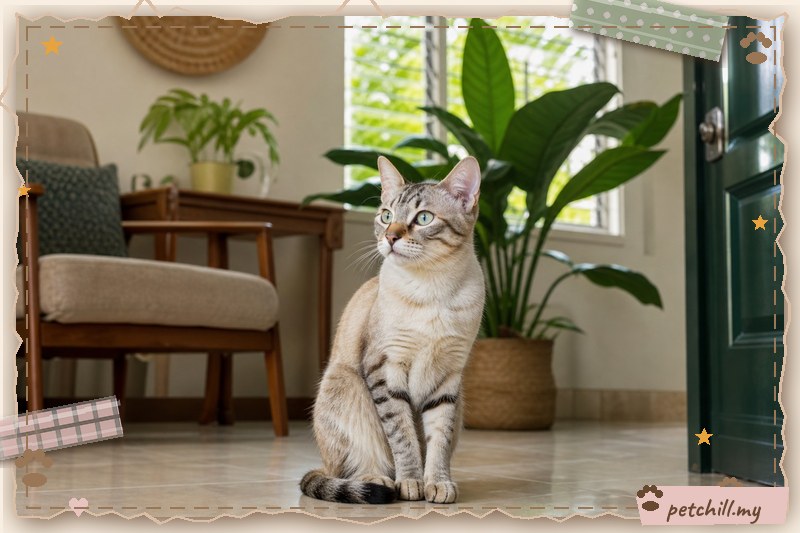
Litter training a rescue or adult cat
Adult rescues may have no litter history or may associate boxes with stress. Give them a quiet room, an open box, and time. Avoid handling them too much at first. If they have been outdoors, they may prefer a fine, sandy texture; you can mix a little sand with litter temporarily and phase it out.
Watch for hiding and fear. A cat that is too frightened to move will not use the box. Provide hiding spots and let the cat settle before expecting reliable litter use.
Troubleshooting: when your cat refuses the box
First, rule out medical problems. Urinary tract disease, constipation and pain can make a cat avoid the box or strain. If your cat cries, strains, produces small amounts of urine, or urinates outside the box suddenly, see a vet promptly.
If health is fine, review the checklist:
- Is the box clean? Scoop more often.
- Is the box big enough? Upgrade to a larger tray.
- Is the litter scented or a new texture? Switch back to unscented clumping litter.
- Is the box in a noisy or busy spot? Move it somewhere quiet.
- Are there enough boxes? Add one in a different room.
- Has anything changed? New pet, new baby, renovation, moved furniture, or a new air freshener can cause stress.
- Is another cat guarding the box? Provide separate boxes and escape routes.
Clean accidents with an enzymatic cleaner, not ammonia-based products, which can smell like urine and attract repeat marking. Avoid punishment; it increases fear and hiding.
Hygiene and odour control in humid weather
Malaysia's humidity encourages bacteria and odour. Scoop twice daily if possible, wash the box weekly with mild soap, and dry it in the sun or a well-ventilated area. Avoid harsh disinfectants that can irritate paws and airways; rinse thoroughly if you use any cleaning product. Keep a lidded bin near the box for scoopings and empty it daily.
If odour persists despite cleaning, check the litter depth and box size. A shallow layer in a small box smells faster. Also check for damp litter; replace the whole box if it has been contaminated.
When to see a vet
See a vet if your cat:
- Strains to urinate or defecate, or cries while doing so.
- Produces only small amounts of urine, or none.
- Has blood in urine or stool.
- Suddenly stops using the box after previously being reliable.
- Shows pain, lethargy, vomiting or reduced appetite alongside litter changes.
- Is a male cat straining to urinate; this can be an emergency.
Do not wait to 'retrain' a cat that is showing pain or straining. Health comes first.
A simple daily checklist
- Scoop solids morning and evening.
- Check litter depth and top up if needed.
- Wipe up spills and keep the area dry.
- Watch for changes in urine or stool.
- Give your cat quiet access to the box at all times.
Final thoughts
Litter training is mostly environment and routine. Provide a large, clean, quiet box with unscented clumping litter, place it sensibly for your home, and guide your cat gently after meals and naps. In Malaysia's climate, stay on top of moisture and odour. If your cat suddenly refuses the box, check health first, then review the setup. With patience and consistency, most cats become reliable quickly.
This article is general information only and is not a substitute for veterinary advice. If your cat has health or behaviour concerns, consult a licensed veterinarian in Malaysia.
Related reading
- New Owner Guide Malaysia: Your First 30 Days With a Pet
- Cat Vaccination Schedule for New Cat Owners in Malaysia: A Complete Guide
- Kitten Feeding Schedule for New Cat Owners: A Practical Age-by-Age Guide
- Cat Vaccination Schedule in Malaysia: A Complete Guide for New Owners
- Cat Vaccination Schedule Guide for Cats in Malaysia: What to Jab and When
- Monthly Cat Costs for New Cat Owners in Malaysia: A Realistic Budget Guide
- Monthly Cat Costs Guide for Cats in Malaysia: What to Budget
- New Pet Owner Guide Malaysia: Choosing and Caring for Cats, Dogs, Small Pets, Fish, Reptiles and Birds
- Beginner Cat Breeds to Avoid in Malaysia (and What to Choose Instead)
- Buying a Cat in Malaysia: A New Owner's 6-Step Verification Guide

