
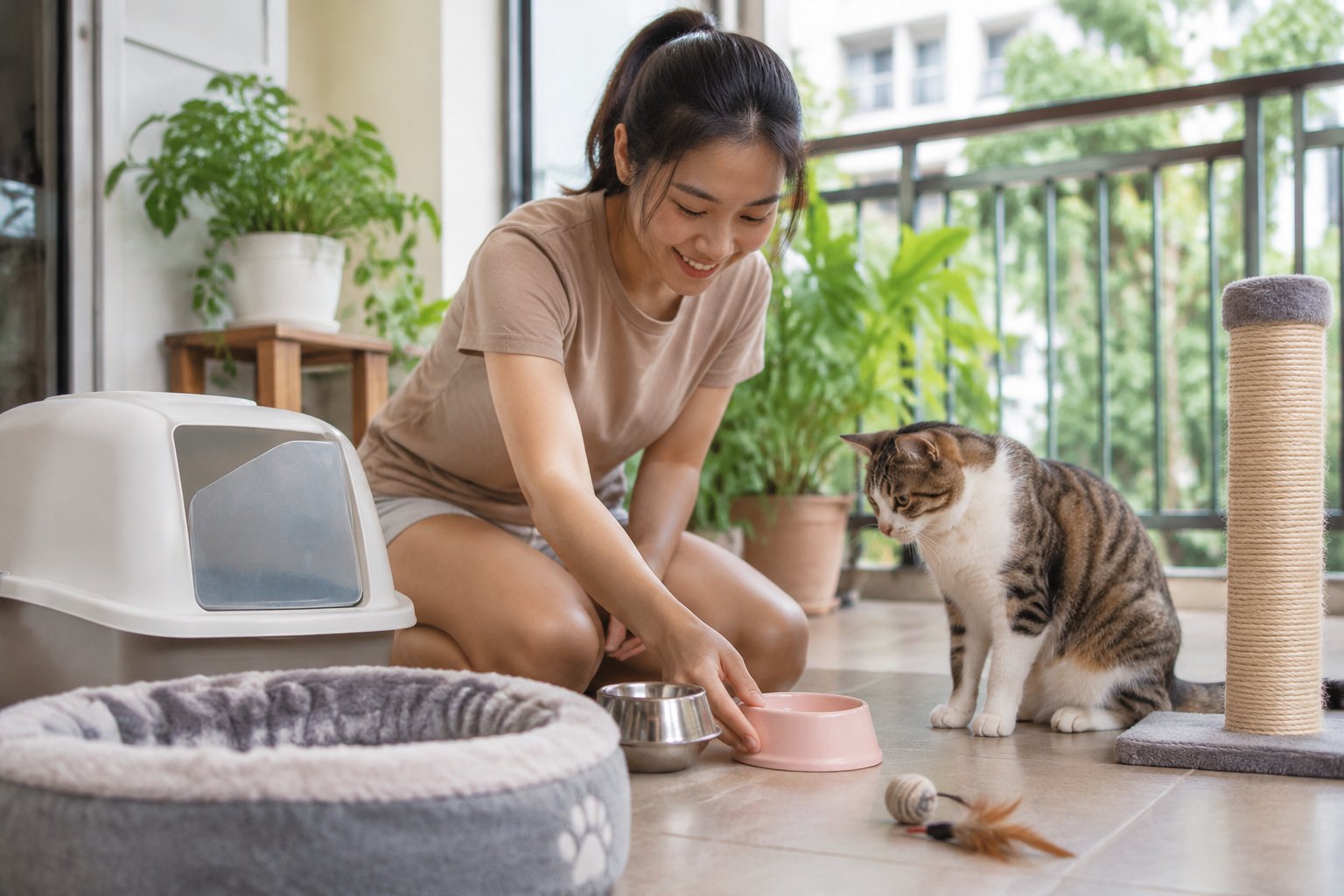
The short answer
Kittens typically begin core vaccinations at 6–8 weeks of age, receive repeat doses every 3–4 weeks until they are at least 16 weeks old, and then get a booster around 12 months. Adult cats move to a booster every one to three years, depending on the vaccine and the cat's lifestyle. Non-core vaccines such as feline leukaemia virus (FeLV) are a conversation with your vet, not an automatic add-on.
That is the skeleton. The rest of this guide fills in the practical detail Malaysian cat owners actually need: what each vaccine covers, why the 16-week dose matters so much, how indoor-only cats fit in, what a clinic visit looks like, and what to do if your kitten is unwell on jab day.
What core vaccines actually protect against
Core vaccines are the ones almost every cat should receive because the diseases are serious, widespread or hard to treat. In cats, the standard core combination is usually called FVRCP or a similar brand name, and it covers three viruses:
- Feline herpesvirus (FHV-1) — a major cause of cat flu, eye ulcers and lifelong latent infection.
- Feline calicivirus (FCV) — another cat flu virus, linked to mouth ulcers, lameness and, in severe strains, systemic illness.
- Feline panleukopenia virus (FPV) — often called feline parvovirus or cat plague. It attacks the gut and bone marrow and is frequently fatal in kittens.
Rabies is core in many countries and is handled differently depending on local rules and travel plans. If you are considering taking your cat abroad or bringing one in, ask your vet early, because rabies vaccination and documentation timelines can be long and are tied to official animal health requirements.
A useful way to think about it: the core trio is the baseline protection every cat should have, regardless of whether it lives in a Kuala Lumpur apartment or a Johor terrace house with a garden.
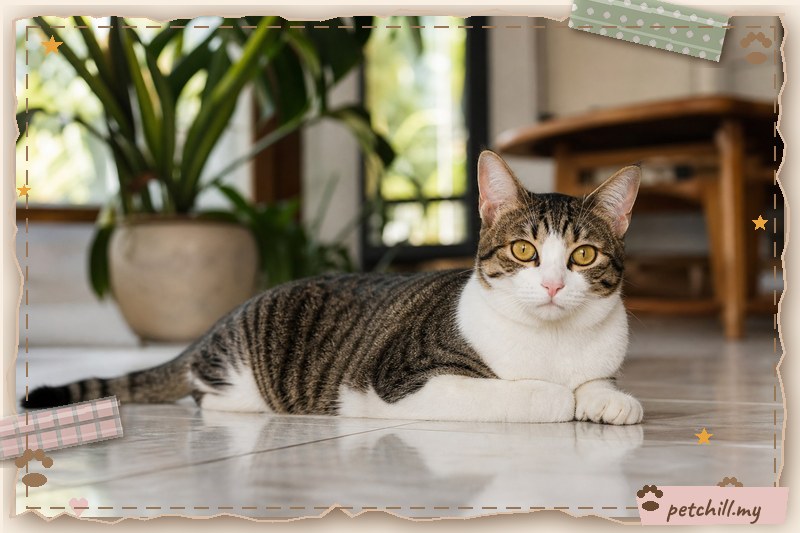
The kitten schedule, step by step
Kittens are not simply small adults. Their immune systems are still developing, and they carry antibodies from their mother's milk that can block a vaccine from working. That is why kittens need a series rather than a single jab.
| Age | Typical action | Why it matters |
|---|---|---|
| 6–8 weeks | First core vaccine (FVRCP-type) | Starts building protection early; timing depends on health and maternal history |
| 10–12 weeks | Second core vaccine | Builds on the first dose; gap is usually 3–4 weeks |
| 14–16 weeks | Third core vaccine | The dose at or after 16 weeks is the most reliable because maternal antibodies have largely faded |
| 12 months | First adult booster | Consolidates immunity after the kitten series |
| 1–3 years thereafter | Adult booster | Interval depends on vaccine type, lifestyle and vet advice |
A few practical notes on this table:
- The 16-week dose is the anchor. If a kitten only gets two doses and the last one is at 10 weeks, there is a real chance maternal antibodies interfered. Vets generally want the final kitten dose at or after 16 weeks.
- Gaps happen. If you miss a dose, do not restart from scratch. Call your vet and book the next dose as soon as possible; they will advise whether the series needs extending.
- Health comes first. A kitten with diarrhoea, fever, fleas or a heavy worm burden may need treatment before vaccination. Vets often deworm and check the kitten over at the same visit.
- Records matter. Keep a vaccination card or a photo of it. Boarding facilities, groomers and travel paperwork may ask for it.
Adult cats: boosters and the lifestyle question
Once the kitten series and the 12-month booster are done, adult cats move to a maintenance schedule. The interval is not identical for every cat, and it is worth understanding why.
Vaccine labels specify minimum duration of immunity, and vets follow those labels plus the cat's risk profile. A cat that lives alone indoors, never boards and never meets other cats may be on a longer interval. A cat that goes to a cattery, attends shows, lives with a rotating foster population or roams outdoors may need more frequent cover.
Ask your vet two questions at every booster:
- Which vaccines does my cat actually need this year, given its lifestyle?
- When should the next booster be, and can you write that date on the record?
That second question prevents the common situation where an owner realises three years have passed since the last jab and is unsure whether to restart the series.
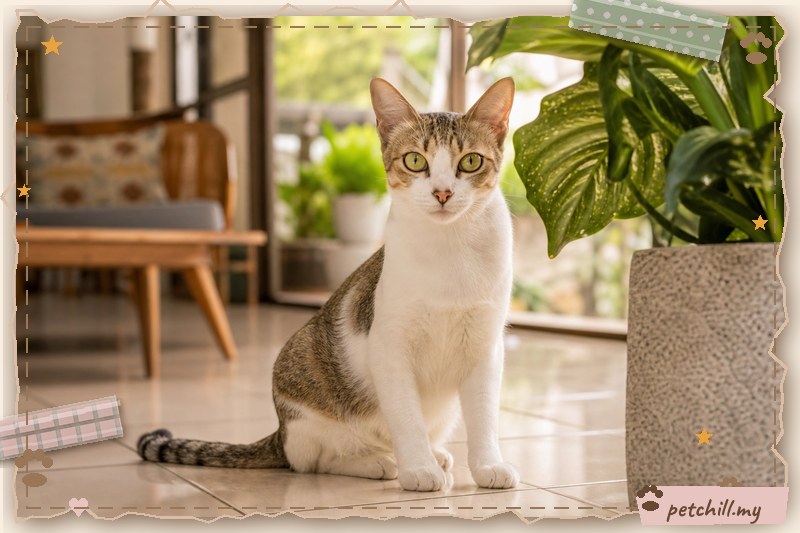
Non-core vaccines: FeLV and the rest
Non-core vaccines are given based on risk, not automatically. The most discussed in cats is feline leukaemia virus (FeLV).
FeLV is spread mainly through close contact — mutual grooming, shared food bowls, bites, and from mother to kitten. It causes immune suppression and can lead to anaemia and lymphoma. Risk is higher for cats that go outdoors, live with an FeLV-positive cat, or come from a multi-cat environment with unknown status.
A sensible approach for a new cat or kitten:
- Test first where possible. Many vets recommend an FeLV test before vaccinating, because vaccinating an already-infected cat changes management rather than preventing infection.
- Decide by lifestyle. A single indoor cat with no contact with unknown cats is a different risk profile from a cat that slips out through a window every evening.
- Revisit the decision. If your circumstances change — a new cat joins the household, you start fostering, you move somewhere with more outdoor access — revisit the FeLV question at the next visit.
Other non-core vaccines exist in some markets, but availability and recommendations vary. Your vet is the right person to say what is relevant for your cat in your area.
Indoor cats, apartments and Malaysian living
"My cat never goes outside" is one of the most common reasons owners skip vaccination. It is understandable, but it rests on a shaky assumption: that the indoors is sealed.
Consider how viruses actually arrive:
- On shoes and clothing after you visit a friend with a new kitten.
- Through an open window or balcony door in a high-rise apartment.
- During a vet visit, a groomer appointment or a few days at a boarding facility.
- Through a new cat or foster brought home without a quarantine period.
- During a move, a renovation or a family visit where doors stay open longer than usual.
Panleukopenia virus in particular is notoriously stable in the environment, which is why shelters and multi-cat homes take it seriously. Indoor status lowers risk; it does not eliminate it.
Malaysian living adds a few practical wrinkles. In a Kuala Lumpur apartment, the main exposure route is often the corridor, the lift lobby and the vet clinic rather than the street. In a Johor terrace house, a cat may have access to a small yard, a back lane or a car porch where neighbourhood cats pass through. During the rainy season, cats may spend more time huddled near doors and windows, and owners may open screens for ventilation. None of these are reasons to panic — they are simply reasons to have the lifestyle conversation with your vet rather than deciding alone.
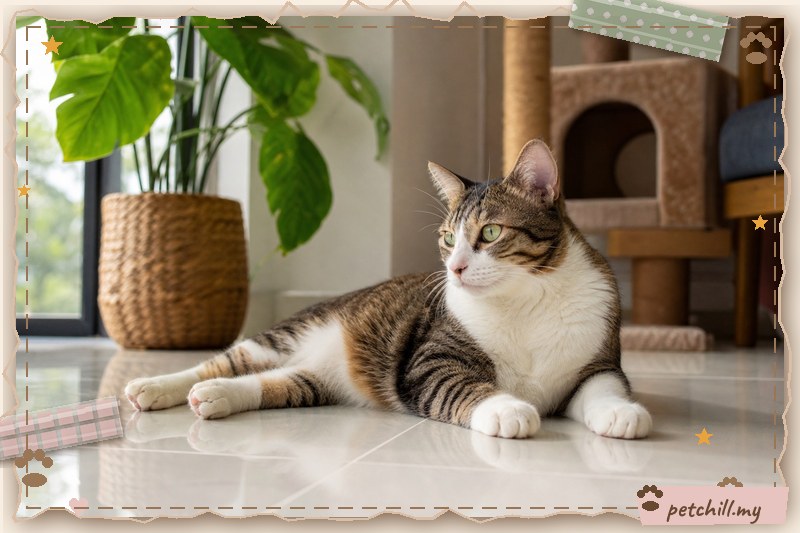
What happens at the clinic
A vaccination appointment is usually short, but a good one includes more than the injection.
Before the jab:
- A general health check — weight, temperature, heart and lungs, eyes, ears, mouth, coat and abdomen.
- A conversation about diet, litter, parasite control and any symptoms you have noticed.
- A check of the vaccination record and a decision on which vaccines are due.
During the jab:
- Most cats tolerate the injection well; the vaccine is typically given under the skin.
- Some clinics use a small distraction — a lickable treat or gentle restraint — to keep the visit calm.
After the jab:
- You will usually be asked to wait briefly at the clinic so staff can check for immediate reactions.
- You will get advice on what to watch for at home and when to call.
Bring your cat in a secure carrier with a familiar-smelling blanket. A cat that arrives calm and leaves calm tends to recover faster. If your cat is very stressed by travel, tell the clinic in advance; some vets offer strategies to reduce the stress of the visit.
Side effects and what to watch for
Most vaccine reactions are mild and short-lived. A useful way to sort them:
| What you may see | Usually | Action |
|---|---|---|
| Sleepiness for 24–48 hours | Normal | Let the cat rest; keep water available |
| Slightly reduced appetite for a day | Normal | Offer small, tempting meals |
| Small tender lump at the injection site | Common, often settles | Monitor; mention it at the next visit if it persists |
| Mild sneezing or a slightly runny eye after an intranasal vaccine | Possible | Keep the cat warm and observe |
| Vomiting, hives, facial swelling, difficulty breathing, collapse | Emergency | Contact your vet immediately |
A lump that grows, persists for weeks or appears uncomfortable should be examined. Vets also track injection sites carefully as a matter of good practice.
When to see a vet
Contact a veterinarian promptly if, after vaccination, your cat:
- Vomits repeatedly or cannot keep water down.
- Develops swelling around the face, muzzle or eyes, or breaks out in hives.
- Has difficulty breathing, noisy breathing or a swollen throat.
- Becomes weak, wobbly or collapses.
- Runs a high temperature or seems painful when touched.
- Has a lump at the injection site that is growing, hot or still present after several weeks.
Also see a vet before vaccination if your cat or kitten has any of the following, because the appointment may need to be postponed:
- Fever, lethargy or poor appetite.
- Diarrhoea or vomiting in the past few days.
- A recent fight, bite wound or abscess.
- Fleas, ticks or a heavy worm burden.
- Recent surgery or an ongoing illness being treated.
- A previous vaccine reaction — tell the clinic in advance so they can plan.
A simple checklist for new cat owners
- Book a first vet visit within the first week of bringing your cat or kitten home.
- Bring any records from the breeder, shelter or previous owner.
- Ask which core vaccines are due and when the next dose is.
- Discuss FeLV risk and whether testing makes sense.
- Ask about deworming and flea control at the same visit.
- Confirm the 16-week dose date and put it in your calendar.
- Note the 12-month booster date before you leave the clinic.
- Keep a photo of the vaccination card on your phone.
- Ask what to watch for at home and which signs mean call immediately.
- Ask for a written estimate if cost is a concern.
Cost, records and planning ahead
Vaccination pricing varies by clinic, city, vaccine brand and whether a consultation or health check is bundled in. There is no single figure that applies across Malaysia, so the honest answer is: ask your vet for a written estimate before the appointment. That estimate should cover the consultation, the vaccine itself, and any add-ons such as deworming, FeLV testing or a microchip.
Records deserve more attention than they usually get. Keep a physical card and a digital copy. If you move, change vets or plan to board your cat, the record is what proves the schedule. If you are considering travel, ask about official animal health documentation early, because requirements and timelines are set by authorities rather than by the clinic.
The bottom line
A cat vaccination schedule is not a rigid rulebook; it is a plan built around age, health and lifestyle. The non-negotiables are the kitten series finishing at or after 16 weeks and the 12-month booster. Everything after that — booster intervals, FeLV, indoor-cat decisions — is a conversation worth having with your vet every year, because your cat's life changes and the plan should change with it.
This article is general information for cat owners and is not a substitute for veterinary advice. Vaccination decisions should be made with a licensed veterinarian who has examined your cat.
Related reading
- New Owner Guide Malaysia: Your First 30 Days With a Pet
- Cat Vaccination Schedule for New Cat Owners in Malaysia: A Complete Guide
- Litter Training for New Cat Owners: A Complete Malaysian Guide
- Chartreux Cat Care in Malaysia: Temperament, Grooming, Health and New-Owner Tips
- Kitten Feeding Schedule for New Cat Owners: A Practical Age-by-Age Guide
- Litter Training for Cats in Malaysia: A Complete New-Owner Guide
- Litter Training Guide for Cats in Malaysia: A Complete New-Owner Guide
- New Pet Owner Guide Malaysia: Choosing and Caring for Cats, Dogs, Small Pets, Fish, Reptiles and Birds
- Turkish Van Cat Malaysia: Care, Grooming, Space and Health Risks for New Owners
- Beginner Cat Breeds to Avoid in Malaysia (and What to Choose Instead)
- Buying a Cat in Malaysia: A New Owner's 6-Step Verification Guide

