
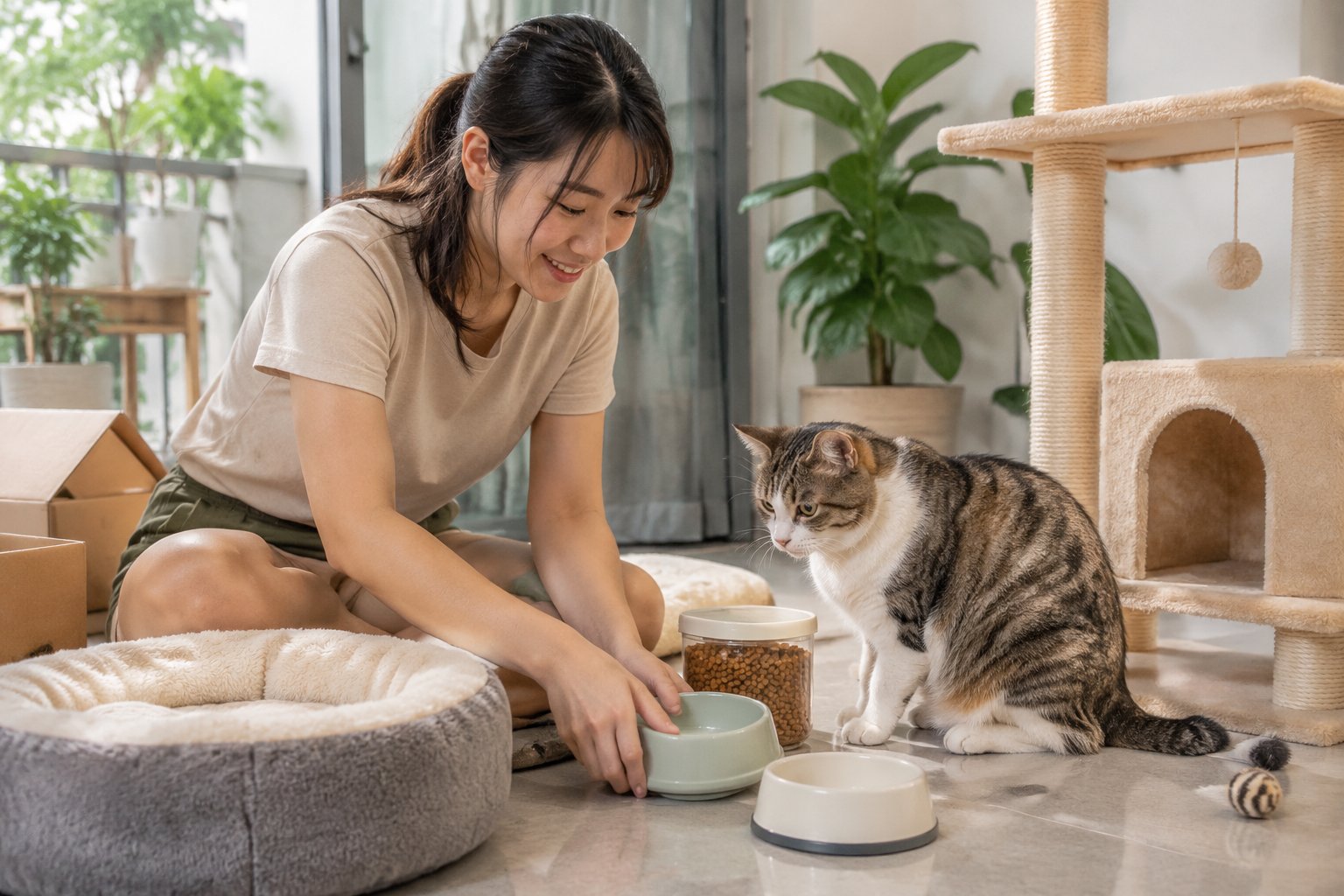
The short answer
For one indoor cat in Malaysia, a realistic monthly budget is roughly RM150 to RM400. That range covers food, litter, parasite prevention and a small vet fund. Premium diets, multiple cats, senior cats and any chronic illness push the figure higher. Annual costs such as vaccination and dental checks should be spread across the year rather than forgotten until the bill arrives.
This guide is written for new owners who want a clear picture before bringing a cat home. It covers what you actually pay for each month, what you pay for occasionally, and where the hidden costs hide.
What goes into a monthly cat budget
A cat budget has two layers. The first is recurring monthly spending: food, litter, parasite prevention and a vet fund. The second is periodic spending: vaccination, deworming, dental checks, grooming, boarding and replacement of scratched furniture or worn-out supplies.
New owners often budget only for the first layer and get caught out by the second. A useful habit is to divide annual costs by twelve and treat that amount as a monthly bill. For example, if vaccination and a health check cost a certain amount once a year, set aside one-twelfth of it every month.
There is also a third layer: one-off startup costs. Litter box, carrier, scratching post, bowls, bed, grooming tools and the initial vet visit all land in the first month. These are not monthly costs, but they affect your first-month cash flow.
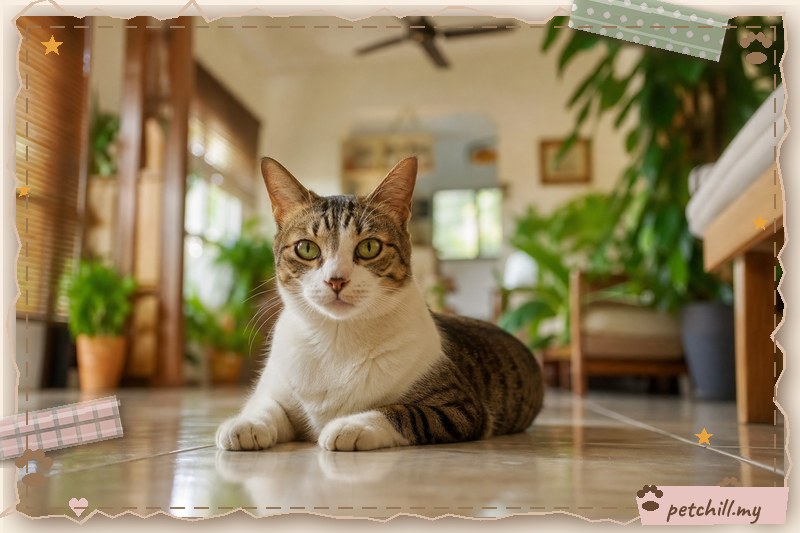
Food: usually the biggest line item
Food is typically the largest recurring cost. The price depends on three things: the type of food, the pack size, and how much your cat eats.
Dry food is usually the cheapest way to deliver calories. It stores well and is convenient. Wet food costs more per calorie but adds water to the diet, which matters for urinary and kidney health. Many owners feed a mix: dry food available during the day and one or two wet meals.
A common mistake is comparing the price of a bag rather than the price per kilogram or per day of feeding. A larger bag often has a lower unit price, but only if your cat will finish it before it goes stale. Store dry food sealed, away from heat and humidity, because Malaysian weather makes food spoil faster than in cooler climates.
Feeding amounts matter too. Overfeeding is expensive in two ways: you buy more food, and you increase the risk of weight-related health problems. Ask your vet to estimate your cat's ideal weight and daily calorie needs, then measure portions rather than free-feeding from a full bowl.
| Food style | Typical cost pattern | Pros | Watch-outs |
|---|---|---|---|
| Dry only | Lowest per calorie | Cheap, convenient, long shelf life | Low water intake; portion control needed |
| Wet only | Highest per calorie | High water content, palatable | Costly; opened food spoils quickly |
| Mixed dry and wet | Middle | Balance of cost and hydration | Measure total calories, not just cans |
| Prescription diet | Higher | Manages a specific condition | Only under vet guidance |
Prices vary by brand, pack size and retailer, so ask your local pet shop or vet clinic for current pricing rather than relying on any single figure.
Litter: small cost, big variation
Litter is the second most predictable monthly cost. Clumping clay litter is common and easy to scoop. Tofu, pine and paper litters cost more but suit some households, especially in smaller apartments where dust and tracking matter.
The cost driver is not the bag price but how often you change the litter. A deep litter box that is scooped daily and fully changed regularly uses less litter than a shallow box that is topped up constantly. One large box is usually more economical than several small ones, but the general rule is one box per cat plus one extra.
In humid Malaysian conditions, litter can clump poorly and smell faster. Store it dry, keep the box away from damp areas, and replace litter before it becomes saturated. Cheap litter that crumbles quickly often costs more in the long run because you use more of it.

Parasite prevention and routine health care
Parasite prevention is a small monthly cost that prevents large veterinary bills. Products for fleas, ticks, roundworm and heartworm are available as spot-on treatments, tablets and collars. Your vet will recommend a product and schedule based on your cat's lifestyle and local risk.
Indoor cats are not automatically exempt. Fleas can arrive on clothing or on other pets, and mosquitoes can transmit heartworm. Skipping prevention to save money is a false economy: treating an infestation or a heartworm infection costs far more than preventing it.
Routine health care includes:
- Annual health check with vaccination as advised by your vet.
- Deworming on a schedule suited to your cat's risk.
- Dental checks, because dental disease is common and often silent.
- Weight checks, since obesity is a major preventable problem.
- Senior screening from around seven to eight years old, when blood and urine tests become more valuable.
Ask your vet for a written estimate before treatment so there are no surprises.
The vet fund: the line item new owners forget
Every cat owner should have a vet fund. Routine care is predictable; emergencies are not. A cat that swallows a string, falls from a window, develops a urinary blockage or is hit by a car can need urgent care that costs many times a routine consultation.
A practical approach is to set aside a fixed amount every month into a separate account. Start with what you can afford, even a modest sum, and build it up. Aim for at least RM1,000 to RM3,000 over time, and more if you have multiple cats or a senior cat.
Pet insurance is an alternative or a supplement. Policies vary widely in what they cover, age limits, waiting periods and exclusions for pre-existing conditions. Read the fine print and compare the annual premium against what you would realistically save. Insurance is most useful for large unexpected bills, not for routine care.
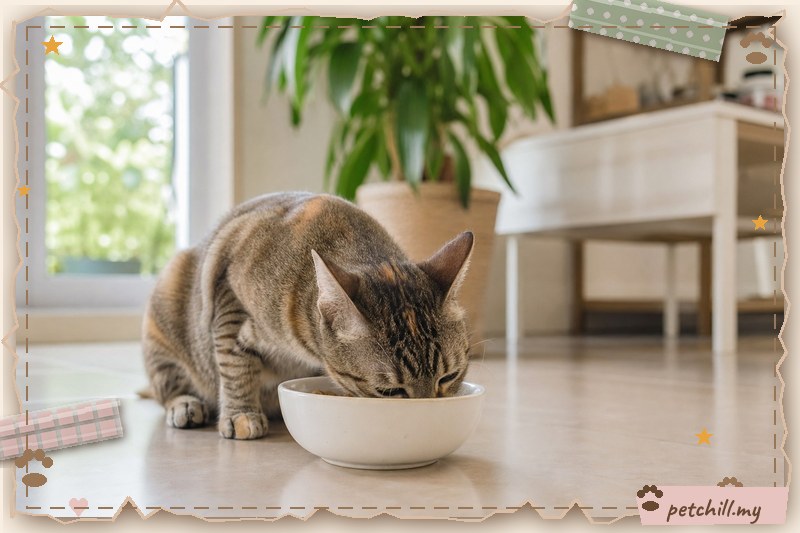
A sample monthly budget table
The table below shows a realistic range for one indoor adult cat. Treat it as a planning tool, not a quote. Actual prices vary by brand, location and clinic.
| Category | Low end (RM/month) | Typical (RM/month) | Higher end (RM/month) | Notes |
|---|---|---|---|---|
| Food | 60 | 100 | 180 | Depends on dry/wet mix and brand |
| Litter | 20 | 35 | 60 | Depends on litter type and box size |
| Parasite prevention | 15 | 30 | 50 | Product and schedule vary |
| Vet fund | 30 | 60 | 120 | Builds up for emergencies |
| Grooming/supplies | 5 | 15 | 30 | Brushes, toys, replacement items |
| Monthly total | 130 | 240 | 440 | Excludes annual vaccination and dental |
Add annual costs separately: vaccination, health check, deworming and dental care. Divide the yearly total by twelve and add it to your monthly figure for a truer picture.
Hidden and one-off costs
Some costs do not appear on a monthly budget but still matter:
- Startup kit: litter box, carrier, bowls, bed, scratching post, grooming tools.
- Sterilisation: usually a one-off cost, but important for health and behaviour.
- Microchipping and registration, where applicable.
- Dental cleaning, which may require anaesthesia.
- Boarding or pet-sitting during holidays.
- Replacement of damaged items: curtains, furniture, cables.
- Emergency transport or after-hours consultation fees.
Planning for these avoids the situation where a necessary treatment is delayed because the money is not there.
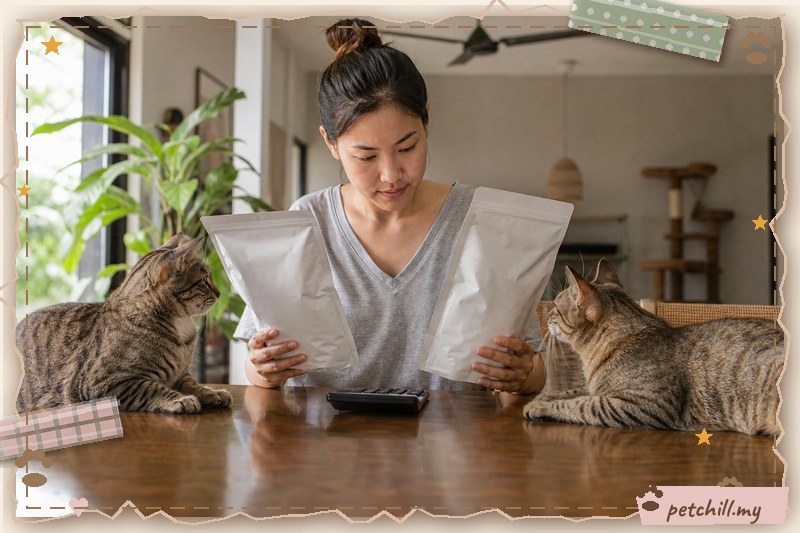
Ways to save without cutting corners
Saving money on cat care is sensible as long as it does not compromise health. Practical steps include:
- Buy staple food in larger packs if your cat will finish it before it spoils, and compare unit prices.
- Feed a measured amount rather than free-feeding, which reduces waste and weight gain.
- Keep cats indoors or in secure enclosures to reduce injury, fights and parasite exposure.
- Scoop litter daily so litter lasts longer and the box stays hygienic.
- Set up a standing transfer to your vet fund each month.
- Ask your vet about cost-effective prevention rather than skipping it.
- Compare clinics for routine services, but do not choose purely on price for surgery or emergencies.
- Rotate toys instead of buying new ones constantly; cats often prefer simple items.
Avoid cutting costs by delaying vaccination, skipping parasite prevention, feeding low-quality food that causes health problems, or ignoring signs of illness. These choices usually lead to higher bills later.
When to see a vet
Contact a veterinarian promptly if your cat shows any of the following:
- Not eating or drinking for more than a day.
- Repeated vomiting or diarrhoea.
- Straining to urinate, especially male cats, which can be an emergency.
- Difficulty breathing or open-mouth breathing.
- Sudden weight loss or weight gain.
- Lethargy, hiding or behaviour change.
- Wounds, limping or swelling.
- Scratching, hair loss or skin lesions.
- Bad breath or drooling, which may indicate dental disease.
- Any accident such as a fall or a road traffic injury.
When in doubt, call your vet. Early treatment is usually simpler and cheaper than waiting.
Building your own budget
Start with a simple spreadsheet or notebook. List your actual spending for two months: food, litter, parasite prevention, vet visits and supplies. Then add annual costs divided by twelve. Compare the total with your income and decide what is realistic.
If the figure is higher than expected, adjust before you adopt rather than after. It is fairer to the cat to wait until the budget is comfortable than to cut essential care later.
Frequently asked questions
See the FAQ section above for quick answers on monthly costs, food choices, parasite prevention, emergency savings, insurance and saving tips.
Disclaimer
This article provides general information for Malaysian cat owners and is not a substitute for veterinary advice. Costs vary by location, brand and clinic. Always consult a licensed veterinarian about your cat's health, diet and preventive care.
Related reading
- Monthly Cat Costs in Malaysia: A Realistic Budget Guide for New Owners
- Monthly Cat Costs for New Cat Owners in Malaysia: A Realistic Budget Guide
- New Owner Guide Malaysia: Your First 30 Days With a Pet
- Beginner Cat Breeds to Avoid in Malaysia (and What to Choose Instead)
- Kitten Feeding Schedule Guide for Cats in Malaysia: How Much, How Often, and What to Feed
- Litter Training Guide for Cats in Malaysia: A Complete New-Owner Guide
- New Pet Owner Guide Malaysia: Choosing and Caring for Cats, Dogs, Small Pets, Fish, Reptiles and Birds
- Turkish Van Cat Malaysia: Care, Grooming, Space and Health Risks for New Owners
- Australian Shepherd Care in Malaysia: Exercise, Double Coat and Health Basics for New Owners
- Buying a Cat in Malaysia: A New Owner's 6-Step Verification Guide
- How to Buy a Cat in Malaysia: A 6-Step Verification Checklist for First-Time Owners
- Cat Vaccination Schedule in Malaysia: A Complete Guide for New Owners

