
The short answer
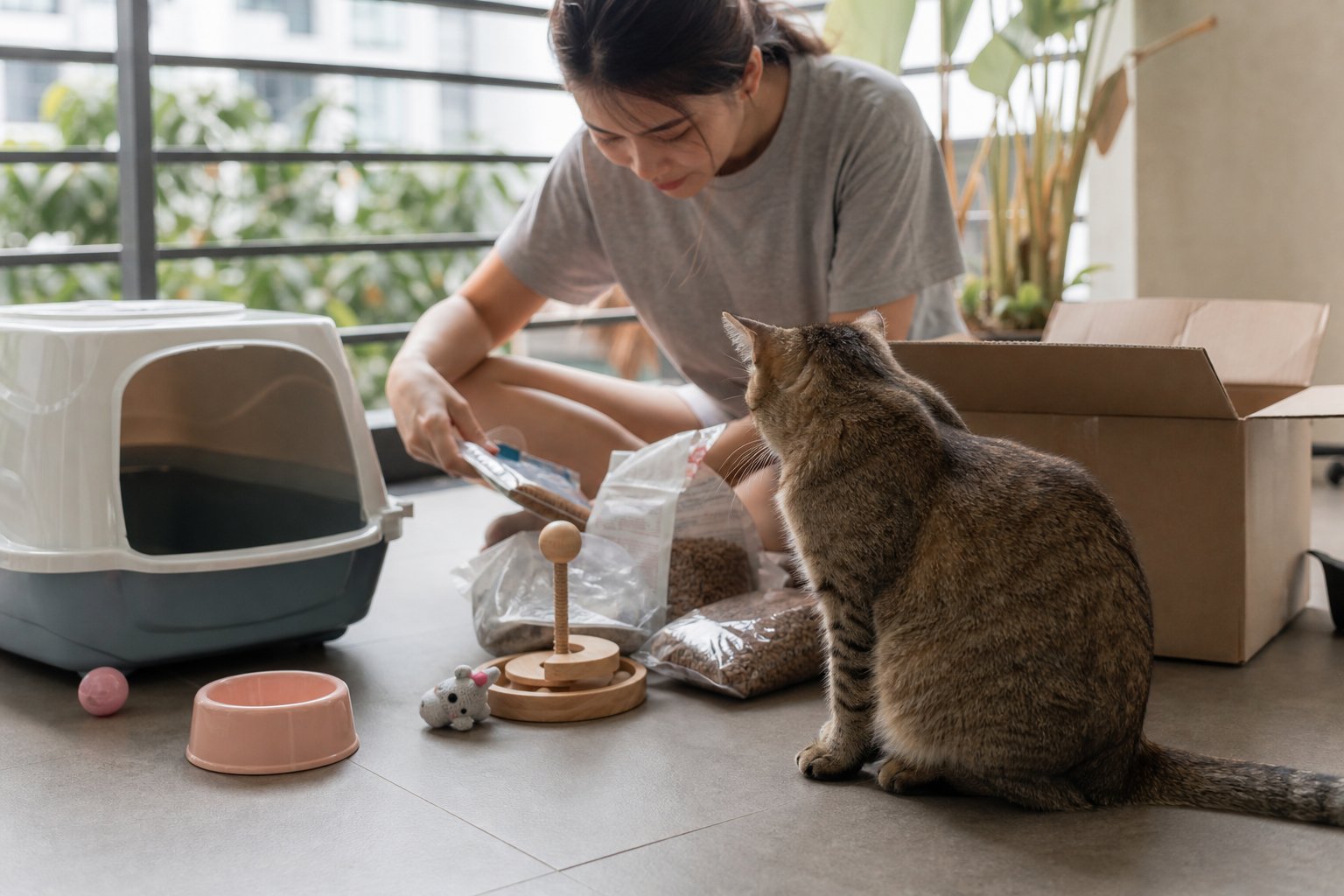
Feed kittens by age, not by guesswork. Under 4 weeks, a kitten should be with its mother and nursing on demand; if you are hand-rearing, kitten milk replacer goes in every 3-4 hours. From 4 to 8 weeks, offer 4-6 small meals of softened kitten food a day. From 8 weeks to about 6 months, aim for 3-4 meals. After 6 months, most kittens do well on 2-3 meals, which is also a sensible pattern for adult cats.
That is the skeleton. The rest of this guide fills in amounts, textures, water, milk myths, food transitions and the warning signs that mean a vet visit rather than a bigger bowl.
Why a schedule matters more than a big bowl
Kittens are not small adult cats. They grow fast, burn energy quickly and have small stomachs, so they need frequent, nutrient-dense meals rather than one large serving left out all day. A predictable schedule also helps you:
- Notice changes early. If a kitten normally clears its bowl and suddenly leaves food, you will spot it within a meal or two.
- Build routine. Cats are creatures of habit; regular meal times reduce begging and food-guarding behaviour.
- Control portions. Free-feeding dry food to a growing kitten can overshoot its needs, especially in indoor apartments where activity is limited.
- Manage multi-cat homes. Separate feeding stations stop a faster adult cat from eating the kitten's food.
A useful habit is to keep a simple log for the first few weeks: meal times, how much was eaten, and weekly weight. A kitchen scale that measures in grams is enough. This log is also genuinely useful at a vet visit, because it shows trends rather than a single snapshot.
Kitten feeding schedule by age
The table below is a general guide. Individual kittens vary with breed, size, litter size and health, so treat it as a starting point and confirm amounts with a veterinarian who can weigh your kitten.
| Age | Meals per day | What to feed | Texture | Notes |
|---|---|---|---|---|
| 0-3 weeks | On demand (mother) or every 3-4 hours if hand-rearing | Kitten milk replacer only | Liquid | Keep warm; never cow's milk; seek vet help for orphaned kittens |
| 3-4 weeks | 4-6 small feeds | Milk replacer, then mash of replacer plus kitten wet food | Runny puree | Start lapping from a shallow dish |
| 4-6 weeks | 4-6 | Increasingly solid kitten food softened with replacer or water | Soft mash | Weaning in progress; fresh water available |
| 6-8 weeks | 4 | Kitten food, lightly softened if needed | Soft to semi-solid | Weaning usually complete by 8 weeks |
| 8 weeks-6 months | 3-4 | Kitten food (wet, dry or mixed) | Normal | Steady growth phase; weigh weekly |
| 6-12 months | 2-3 | Kitten food, transitioning to adult food near the end | Normal | Ask your vet when to switch to adult food |
| Adult (over 12 months) | 2 | Adult maintenance food | Normal | Adjust for body condition |
Two practical notes on this table. First, "meals per day" means measured portions, not an unlimited buffet. Second, the transition points are ranges, not deadlines: a small kitten may need four meals a little longer, while a large-breed kitten may need slightly larger portions rather than more meals.
Newborn to 4 weeks: mother knows best
If the mother cat is present and healthy, your job is mostly to support her. Keep the nest warm, quiet and away from household traffic, make sure she has free access to water and kitten or nursing-formula food, and avoid handling the kittens excessively in the first two weeks.
Hand-rearing is a different job and a serious one. Orphaned or rejected kittens get cold quickly and cannot digest food well when chilled, so warming comes before feeding. Use a commercial kitten milk replacer mixed exactly as the label directs, feed with a proper kitten bottle or syringe as advised by your vet, and stimulate urination and defecation with a warm damp cloth after feeds because very young kittens cannot do this alone. This is one situation where early veterinary guidance is not optional: ask a vet to check the kitten and show you the technique.
Cow's milk is not a substitute. Many kittens cannot digest lactose well, and cow's milk can cause diarrhoea, which is dangerous in a tiny animal.
3 to 8 weeks: weaning step by step
Weaning is a gradual process, not a single day. A workable sequence:
- Week 3-4: Put a shallow dish of kitten milk replacer down and let the kitten investigate. Some will lap immediately; others need a dab on the nose.
- Week 4-5: Mix replacer with kitten wet food to a runny porridge. Offer it several times a day.
- Week 5-6: Thicken the mash and reduce the liquid. Introduce small amounts of softened dry kibble if you plan to feed dry food.
- Week 6-8: Move to normal kitten food texture. Keep meals small and frequent.
Throughout weaning, provide fresh water in a shallow bowl. Kittens often play with water before they drink it, so expect splashes. Avoid sudden food changes: switch brands or textures over several days to reduce stomach upset.
8 weeks to 6 months: the growth engine
This is the phase most new owners underestimate. A kitten in this window may gain weight steadily and seem permanently hungry. Three to four meals a day suits most kittens, with the daily ration split evenly. Feeding charts on food packaging are a guide, but body condition matters more than the number on the bag.
How to judge body condition at home: you should be able to feel the ribs easily under a thin layer of fat, see a slight waist from above, and feel a firm, slightly rounded belly. A bony spine or a distended, hard belly both warrant a vet check.
If you have more than one kitten, feed them in separate spots or separate rooms. Competition can cause one kitten to bolt food and another to under-eat, and it makes it impossible to know who is eating what.
6 to 12 months: slowing down and switching food
Growth slows in this window, and appetite often settles. Two to three meals a day is typical. Around this time, ask your vet when to move from kitten formula to adult maintenance food; many cats switch somewhere between 10 and 12 months, but timing depends on the individual cat and whether it has been neutered.
Neutering is worth mentioning in a feeding guide because energy needs often drop afterwards. If you keep feeding the same amount, weight can creep up. Recheck body condition a month or two after the procedure and adjust portions rather than cutting meals abruptly.
Wet food, dry food or both?
| Factor | Wet food | Dry food | Mixed feeding |
|---|---|---|---|
| Water content | High; helps hydration | Low; water must come from a bowl | Good hydration if wet portion is meaningful |
| Ease for weaning kittens | Very easy to mash | Needs softening | Flexible |
| Convenience | Opened food needs refrigeration | Easy to portion and store | Slightly more planning |
| Dental effect | Minimal | Some mechanical abrasion, not a substitute for dental care | Same |
| Cost and storage | Usually higher per calorie; shorter shelf life once opened | Lower per calorie; longer storage | Depends on ratio |
| Best for | Fussy eaters, kittens learning to eat, cats that drink little | Busy households, puzzle feeders, weight management with measuring | Owners who want both |
There is no single correct answer. What matters is that the food is complete and balanced for kittens, that portions are measured, and that fresh water is always available. If you feed dry food, consider a wide, shallow bowl and a puzzle feeder for part of the ration to slow eating and add enrichment.
Water, milk and other drinks
Fresh water should be available from around 3-4 weeks and refreshed at least daily. Wide ceramic or stainless steel bowls are easier to keep clean than deep plastic ones. Some cats prefer a running water source, but that is a preference, not a need.
Milk is the topic new owners ask about most. The short version: kitten milk replacer is for unweaned or hand-reared kittens; cow's milk is not appropriate for cats of any age as a routine drink. If you want to give a treat, a small amount of plain cooked chicken or a commercial cat treat is a better choice than milk.
Common feeding mistakes new owners make
- Free-feeding dry food without measuring. Convenient, but it hides how much is eaten and makes weight control harder.
- Switching food overnight. Sudden changes can cause loose stools. Transition over about a week.
- Feeding adult cat food. Kitten food is formulated for growth; adult food may not meet a growing kitten's needs.
- Giving cow's milk or human baby food. Some human foods are unsuitable or unbalanced for cats.
- Ignoring the mother's needs. A nursing cat needs generous access to food and water.
- Feeding right before car travel or a vet visit. Offer a lighter meal beforehand if your kitten gets carsick.
- Leaving wet food out for hours. In a warm climate, discard uneaten wet food after a short sitting rather than leaving it all day.
Feeding in a Malaysian household
Malaysia's warm, humid climate affects feeding logistics more than most guides admit. Wet food spoils faster in the heat, so serve it fresh, refrigerate what is opened, and discard leftovers rather than leaving them down for hours. Ants and flies find cat food quickly; a shallow moat bowl or a quick wipe of the feeding area after each meal helps.
Housing shape matters too. In a Kuala Lumpur apartment, a kitten's world is smaller, so measured meals and interactive play matter more than free-feeding. In a Johor terrace house, a kitten may have more space to roam and burn energy, but doors and grilles create escape risks, so feed in a quiet indoor corner rather than near an open doorway. During the Penang rainy season, kittens may be less active and drink less, so wet food can help with hydration, and damp feeding areas need more frequent cleaning to prevent mould and pests.
When to see a vet
Contact a veterinarian promptly if you notice any of the following:
- A kitten that refuses food for more than a meal or two, or refuses to suckle.
- Weight loss, or no weight gain over a week in a growing kitten.
- Persistent diarrhoea, vomiting, or a bloated, hard abdomen.
- Weakness, cold ears or paws, or a kitten that feels limp.
- Difficulty suckling, milk coming from the nose during bottle-feeding, or constant crying after feeds.
- A mother cat that rejects her kittens, has a hot or painful mammary gland, or seems unwell.
- Any kitten you have just acquired with an unknown vaccination or deworming history.
For orphaned or very young kittens, phone the clinic first and describe the situation; they can advise whether to bring the kitten in immediately.
A simple starter checklist
- Kitten-formula food appropriate to the kitten's age.
- Kitten milk replacer if hand-rearing or weaning.
- Shallow ceramic or stainless steel bowls, one per cat plus a water bowl.
- Kitchen scale for weekly weighing.
- A notebook or phone note for meal times and weights.
- Airtight storage for dry food and a clean container for opened wet food.
- A quiet, draft-free feeding spot away from litter trays.
Frequently asked questions
How often should I feed a newborn kitten? Newborns under 4 weeks should nurse from their mother on demand. If hand-rearing, feed kitten milk replacer every 3-4 hours, including overnight, following the product label and your vet's advice. Never feed cow's milk.
When can kittens start eating solid food? Around 3-4 weeks, offer kitten milk replacer mixed with kitten wet food as a soft mash. Gradually reduce the milk and increase the solid food until weaning is complete at about 6-8 weeks.
How many meals a day does a 3-month-old kitten need? Three to four small meals daily is typical from 8 weeks to about 6 months. Kittens have small stomachs and high energy needs, so splitting the daily ration into more meals is easier on digestion than one or two large feeds.
Can kittens drink cow's milk? No. Most kittens cannot digest lactose well, and cow's milk can cause diarrhoea. Use commercial kitten milk replacer if a kitten needs milk, and offer fresh water in a shallow bowl from around 3-4 weeks.
Should I feed my kitten wet or dry food? Either can work if it is labelled for kittens. Wet food adds water and is easier for weaning kittens to eat; dry food is convenient and can be left briefly. Many owners mix both. Ask your vet which suits your kitten.
How do I know if my kitten is eating enough? Steady weight gain, playful energy, a slightly rounded belly and regular stools are good signs. Weigh your kitten weekly on a kitchen scale. If weight stalls or drops, or your kitten seems weak, see a vet promptly.
Disclaimer
This article is general information for new cat owners and is not a substitute for veterinary advice. Feeding amounts, food choices and weaning plans should be tailored to your individual kitten by a licensed veterinarian, especially for orphans, sick kittens or those with special needs.
Related reading
- New Owner Guide Malaysia: Your First 30 Days With a Pet
- Cat Vaccination Schedule for New Cat Owners in Malaysia: A Complete Guide
- Kitten Feeding Schedule for Cats in Malaysia: A Complete Age-by-Age Guide
- Litter Training Guide for Cats in Malaysia: A Complete New-Owner Guide
- Cat Vaccination Schedule in Malaysia: A Complete Guide for New Owners
- Cat Vaccination Schedule Guide for Cats in Malaysia: What to Jab and When
- Litter Training for New Cat Owners: A Complete Malaysian Guide
- New Pet Owner Guide Malaysia: Choosing and Caring for Cats, Dogs, Small Pets, Fish, Reptiles and Birds
- Beginner Cat Breeds to Avoid in Malaysia (and What to Choose Instead)
- Buying a Cat in Malaysia: A New Owner's 6-Step Verification Guide
- How to Buy a Cat in Malaysia: A 6-Step Verification Checklist for First-Time Owners
- Chartreux Cat Care in Malaysia: Temperament, Grooming, Health and New-Owner Tips

