
Quick answer
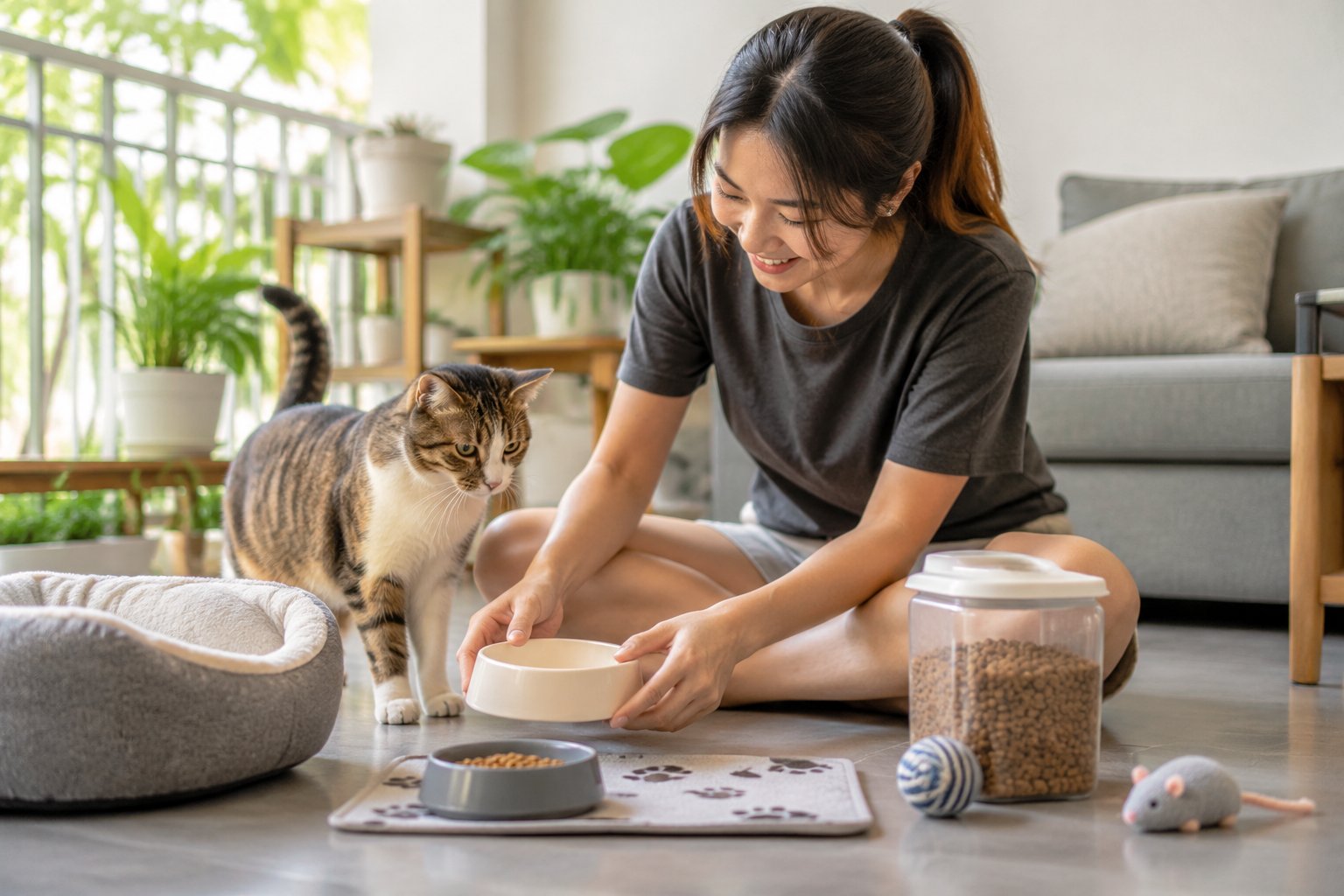
Feed kittens under 4 weeks old only their mother's milk or a commercial kitten milk replacer. From 4 to 8 weeks, offer small meals of softened kitten food 4–6 times a day. From 2 to 6 months, feed 3–4 meals daily. From 6 to 12 months, feed 2–3 meals daily. Always provide fresh water and choose food labelled for kittens.
Why a feeding schedule matters
Kittens grow fast. In their first months they need more calories and nutrients per kilogram of body weight than adult cats. A steady schedule helps them get enough energy, supports healthy digestion, and makes it easier to spot changes in appetite that could signal illness.
A good schedule also builds routine. Cats are creatures of habit, and predictable meal times can reduce begging and anxiety. For new owners in Malaysia, where many households have busy schedules, planning meals around work and school runs can make kitten care more manageable.
How often to feed by age
A kitten's feeding frequency changes as they grow. The table below gives a general guide. Always adjust based on your kitten's individual needs and your vet's advice.
| Age | Meals per day | Type of food | Notes |
|---|---|---|---|
| 0–4 weeks | On demand (mother) or every 2–4 hours with bottle | Mother's milk or kitten milk replacer | Do not feed cow's milk. Keep kittens warm. |
| 4–8 weeks | 4–6 small meals | Kitten milk replacer mixed with kitten food (gruel) | Start weaning. Offer water in a shallow dish. |
| 2–6 months | 3–4 meals | Complete kitten food (wet, dry or mixed) | Measure portions. Monitor weight. |
| 6–12 months | 2–3 meals | Complete kitten or junior food | Transition to adult food after 12 months or as advised. |
What to feed your kitten
Mother's milk and milk replacer
For the first four weeks, kittens should ideally nurse from their mother. If the mother is unable to nurse or the kitten is orphaned, use a commercial kitten milk replacer (KMR). Never feed cow's milk, as it can cause diarrhoea and does not meet a kitten's nutritional needs.
Follow the instructions on the milk replacer carefully. Warm the milk to body temperature and test it on your wrist before feeding. Use a clean bottle and nipple designed for kittens. Burp the kitten after feeding and stimulate urination and defecation with a warm, damp cloth if the mother is not present.
Weaning foods
Around 4 weeks, begin offering a shallow dish of kitten milk replacer mixed with a small amount of canned kitten food or softened dry kitten food. The consistency should be like oatmeal. Gradually reduce the liquid and increase the solid food over the next few weeks. By 6–8 weeks, most kittens can eat solid kitten food.
Complete kitten food
Choose a food that is labelled as complete and balanced for kittens or for growth. This means it meets established nutritional standards. You can feed wet food, dry food, or a combination. If you mix, make sure the total daily amount matches the feeding guide and your kitten's needs.
Wet food can be helpful for hydration, especially in hot Malaysian weather. Dry food is convenient and can be left out for short periods, but it should be stored properly to prevent spoilage. Many owners feed a mix of wet and dry to provide variety and balance convenience with palatability.
Water
Always provide fresh, clean water in a clean bowl. Change it at least once a day, more often in hot weather. Some kittens prefer running water, so a pet water fountain may encourage drinking. Hydration is important for urinary and kidney health.
How much to feed
Feeding guides on kitten food labels are a starting point. The actual amount depends on the kitten's age, weight, activity level, and whether they are fed wet or dry food. Start with the recommended amount for your kitten's weight and adjust based on body condition.
You should be able to feel your kitten's ribs easily without seeing them. They should have a slight waist when viewed from above. If ribs are very visible, increase food slightly. If you cannot feel ribs, reduce food slightly. Always consult your vet if you are unsure.
Weigh your kitten weekly on a kitchen scale and record the weight. This helps you track growth and adjust portions. Rapid weight gain or loss can indicate a problem.
Wet vs dry food: a comparison
| Factor | Wet food | Dry food |
|---|---|---|
| Water content | High (70–80%) | Low (about 10%) |
| Calories per gram | Lower | Higher |
| Cost per meal | Usually higher | Usually lower |
| Convenience | Needs refrigeration after opening | Can be left out briefly |
| Dental health | Less abrasive | Some dental benefits |
| Palatability | Often high | Varies |
There is no single best choice. Many Malaysian owners feed a combination. The key is to choose a complete kitten food and follow the label.
Establishing a feeding routine
Kittens thrive on routine. Try to feed at the same times each day. For example, if you feed three meals, you might feed at 7am, 1pm, and 7pm. This fits around work and school schedules and helps your kitten know when to expect food.
Avoid free-feeding dry food all day if you have a kitten that overeats, as this can lead to obesity. Instead, measure the daily portion and divide it into meals. If you use dry food, you can use puzzle feeders or scatter feeding to slow down fast eaters and provide mental stimulation.
Feed in a quiet, safe place away from litter boxes and loud noises. Use stainless steel or ceramic bowls that are easy to clean. Wash bowls daily with hot soapy water.
Special considerations for Malaysian homes
Malaysia's hot and humid climate affects food storage and hydration. Dry food can absorb moisture and spoil quickly, so store it in an airtight container in a cool, dry place. Wet food should not be left out for more than 30 minutes, especially in warm weather.
Many Malaysian homes have air-conditioning, which can dry out the air. Ensure your kitten has access to fresh water at all times. If you live in an apartment, you may need to find creative places for water bowls, such as away from direct sunlight.
In multi-cat households, feed kittens separately from adult cats to ensure they get their share and to prevent food guarding. Use separate bowls and feed in different rooms if necessary.
Common feeding mistakes to avoid
- Feeding cow's milk: can cause diarrhoea.
- Giving adult cat food: lacks the right nutrient balance for growth.
- Overfeeding: can lead to obesity and joint problems.
- Free-feeding unlimited dry food: can cause overeating.
- Sudden diet changes: can cause stomach upset; transition gradually over 7–10 days.
- Not providing fresh water: can lead to dehydration and urinary issues.
- Giving supplements without vet advice: can be harmful.
Transitioning to adult food
Around 12 months of age, you can gradually transition your kitten to adult cat food. Mix increasing amounts of adult food with kitten food over a week or two. Monitor your cat's weight and adjust portions as needed. Some cats may need to stay on kitten food a little longer if they are still growing, but always follow your vet's advice.
When to see a vet
Seek veterinary advice if your kitten:
- Refuses to eat for more than 12 hours
- Has diarrhoea or vomiting that lasts more than a day
- Is losing weight or not gaining weight
- Has a bloated or painful abdomen
- Shows signs of dehydration (lethargy, sunken eyes, dry gums)
- Has difficulty urinating or defecating
- Has a poor coat or seems weak
Also consult a vet before changing your kitten's diet significantly or if you have any concerns about growth or nutrition.
Vet disclaimer
This article provides general information only and is not a substitute for professional veterinary advice. Always consult a licensed veterinarian for specific guidance about your kitten's health and nutrition.
Frequently asked questions
How often should I feed my kitten? Under 4 weeks: only mother's milk or kitten milk replacer on demand. 4–8 weeks: 4–6 small meals daily. 2–6 months: 3–4 meals daily. 6–12 months: 2–3 meals daily. Always provide fresh water.
Can I feed my kitten adult cat food? No. Kittens need more protein, calories, calcium and other nutrients than adult cats. Feed food specifically labelled for kittens until they are about 12 months old, unless your vet advises otherwise.
How much should I feed my kitten? Follow the feeding guide on the kitten food label as a starting point, then adjust based on your kitten's body condition and growth. Your vet can help you fine-tune portions. Kittens should be lean but not bony.
When can I start weaning my kitten? Start weaning around 4 weeks of age by offering kitten milk replacer mixed with kitten food. Gradually increase the solid food and reduce the milk until the kitten is eating solid food by 6–8 weeks.
Should I feed my kitten wet or dry food? Both can be part of a balanced diet. Wet food provides water and is often palatable; dry food is convenient and can help with dental health. Choose a complete kitten food and follow the label. Many owners mix both.
Do I need to give my kitten supplements? If you feed a complete and balanced kitten food, supplements are usually unnecessary and can be harmful. Never give calcium or vitamin supplements without veterinary advice.
Related reading
- New Owner Guide Malaysia: Your First 30 Days With a Pet
- New Pet Owner Guide Malaysia: Choosing and Caring for Cats, Dogs, Small Pets, Fish, Reptiles and Birds
- Monthly Cat Costs Guide for Cats in Malaysia: What to Budget
- New Pet Owner Malaysia: The Complete First-Year Guide (2026)
- Australian Shepherd Care in Malaysia: Exercise, Double Coat and Health Basics for New Owners
- Beginner Cat Breeds to Avoid in Malaysia (and What to Choose Instead)
- Canary Care in Malaysia: Housing, Feeding and Moulting for New Owners
- Cat Vaccination Schedule in Malaysia: A Complete Guide for New Owners
- Cat Vaccination Schedule for New Cat Owners in Malaysia: A Complete Guide
- Cat Vaccination Schedule Guide for Cats in Malaysia: What to Jab and When
- Doberman in Malaysia: A New Owner's Guide to Exercise, Heart Health and Housing

