
Answer first
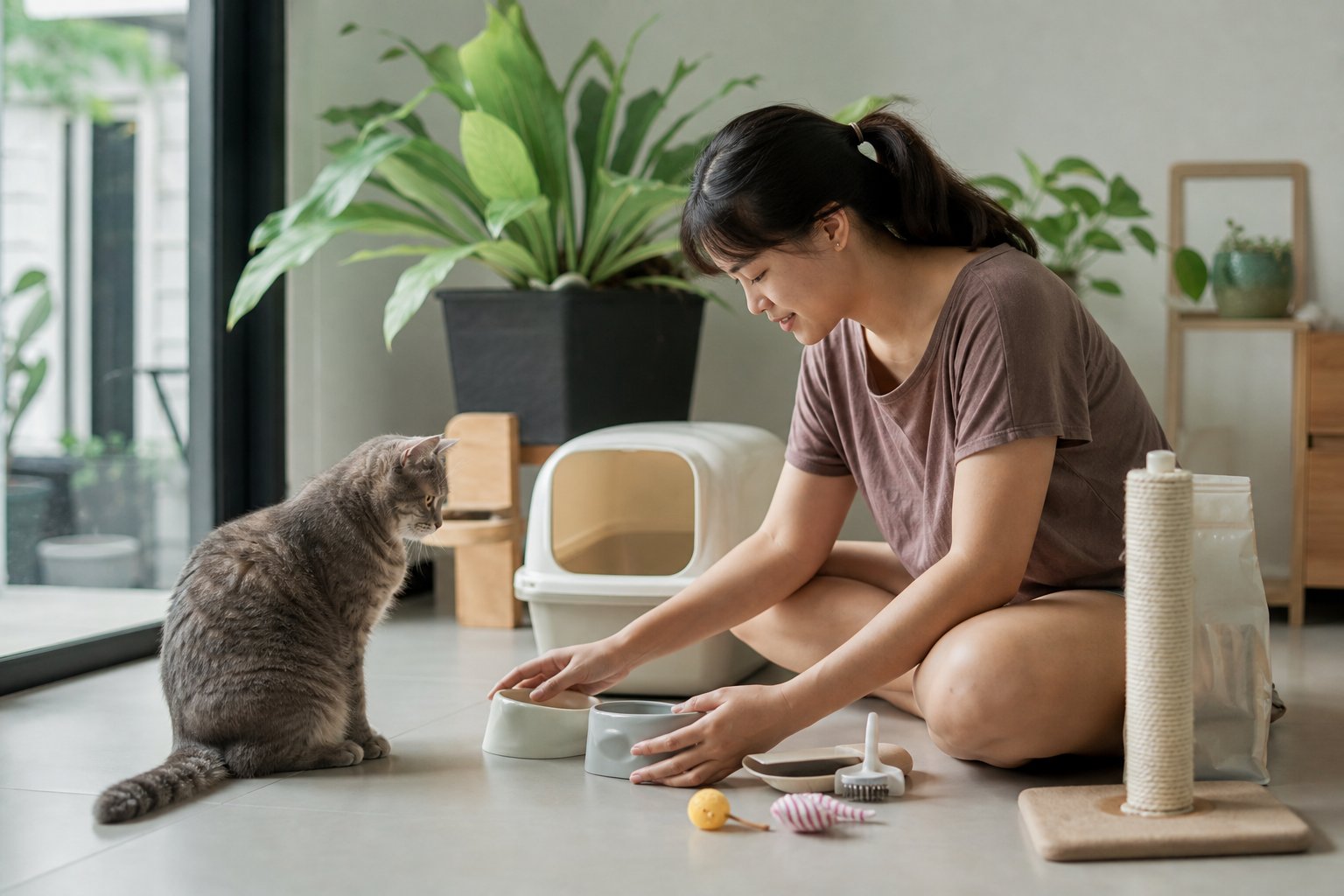
Monthly cat costs for new cat owners in Malaysia usually cover food, litter, parasite prevention, grooming and a vet fund. Most owners spend a modest amount on essentials plus a buffer for health care. Costs vary by cat size, diet, litter type and location, so ask your local vet and retailer for current prices.
Why a monthly budget matters
Bringing home a cat is a long-term commitment. Cats can live well into their teens, so the small monthly costs add up over years. New owners often focus on the adoption fee, bowls and a bed, then get surprised by recurring bills. A clear monthly budget helps you provide consistent care, avoid skipping preventive treatments, and handle emergencies without financial stress.
This guide breaks down the recurring costs you should plan for, gives a sample budget table, and shares practical ways to save without compromising your cat's health. It is written for Malaysian households, including apartments, terrace houses and rented rooms.
The core monthly costs at a glance
| Cost category | What it covers | Frequency | Budget tip |
|---|---|---|---|
| Food | Complete wet and/or dry food | Monthly | Buy larger packs; store properly |
| Litter | Clumping or non-clumping litter | Monthly | Scoop daily; top up rather than replace all |
| Parasite prevention | Flea, tick, worm and heartworm products | Monthly or as advised | Ask vet for the right schedule |
| Grooming | Brushing, nail trims, occasional bath | Mostly DIY | Learn at home; pay for professional trims if needed |
| Vet fund | Check-ups, vaccinations, dental, emergencies | Monthly saving | Set aside a fixed amount each month |
| Insurance (optional) | Accident and illness cover | Monthly premium | Compare excess and exclusions |
| Toys and enrichment | Scratching posts, toys, puzzle feeders | Occasional | Rotate toys; DIY options |
| Boarding or pet sitter | When you travel | Occasional | Book early; ask for recommendations |
Prices vary widely depending on brand, pack size, cat size and where you shop. Use this table as a checklist, then get local quotes.
Food: the biggest routine expense
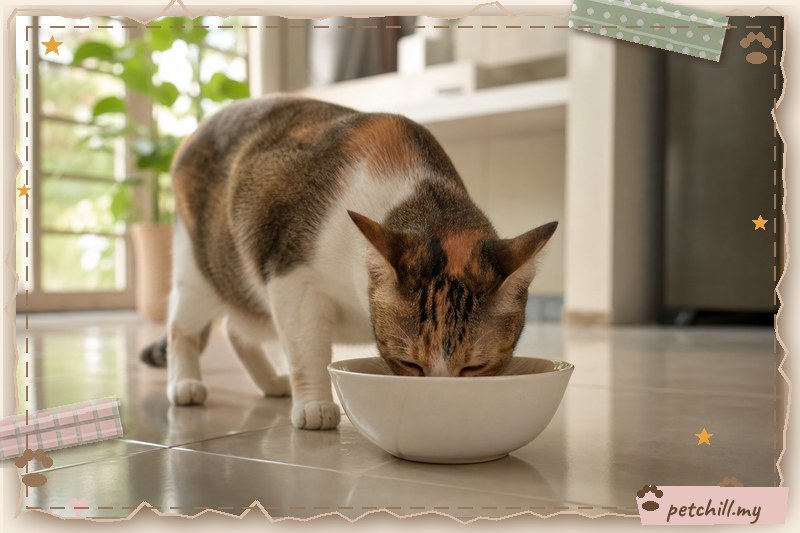
Food is usually the most consistent monthly cost. How much you spend depends on your cat's weight, age, activity level and whether you feed wet food, dry food or both. Wet food generally costs more per calorie than dry food, but it adds water to the diet, which many vets favour for urinary and kidney health. Dry food is convenient and can be left out for short periods, but it is calorie-dense, so portion control matters.
A common approach is to feed a complete wet food as the base and use dry food for snacks or puzzle feeders. Whatever you choose, the food should be labelled complete and balanced for your cat's life stage. Growing kittens, pregnant or nursing cats, and senior cats have different needs.
Practical tips to manage food costs:
- Buy the largest pack size you can store safely and use within the recommended time after opening.
- Compare price per kilogram or per calorie, not just the pack price.
- Avoid sudden diet changes; transition slowly over seven to ten days to prevent stomach upset.
- Measure portions with a kitchen scale rather than guessing, especially for indoor cats prone to weight gain.
- Store dry food in an airtight container in a cool, dry place to keep it fresh.
If your cat has a medical condition, your vet may recommend a prescription diet. These cost more, so factor them into your budget if needed.

Litter: small daily cost, big difference
Litter is the second routine expense. Clumping litter is popular because it is easy to scoop, but it can be heavier and more expensive per bag. Non-clumping litter may need more frequent full changes. Crystal or silica litter absorbs moisture and controls odour but costs more upfront.
The real money saver is daily scooping. Remove solid waste and clumps every day, top up the litter, and do a full change and wash of the box regularly. This keeps odour down and helps you spot health changes in urine or stool. One litter box per cat plus one extra is a common guideline, so factor in the litter volume if you have more than one cat.
Avoid scented litters if your cat sneezes or avoids the box. A cheap litter your cat refuses to use is a false economy.
Parasite prevention and routine health care
Even indoor cats can pick up parasites. Fleas and ticks can hitch a ride on clothing or other pets, and intestinal worms can be brought in on shoes. Many vets recommend regular parasite prevention tailored to your cat's lifestyle and local risk. Products come as spot-on treatments, tablets or collars, and prices vary by weight and duration of cover.
Routine health care includes vaccinations, health checks and dental care. Kittens need a series of vaccinations, then boosters as advised by your vet. Adult cats benefit from at least an annual check-up, and senior cats may need more frequent visits. Dental disease is common, so ask your vet about home brushing and dental checks.
Because veterinary fees vary by clinic and procedure, it is wise to call a few local clinics and ask for a rough price list for consultations, vaccinations, sterilisation and dental scaling. Do not rely on prices you see online from other countries.

Grooming and hygiene
Most cats groom themselves well, but they still need help. Regular brushing reduces hairballs and shedding, especially for long-haired breeds. Nail trims every few weeks prevent overgrowth and scratching damage. You can learn to do both at home with guidance from your vet or a groomer.
Professional grooming is optional. If your cat has matted fur, skin issues or cannot tolerate home grooming, a professional groomer can help. Ask for recommendations and check that the groomer is experienced with cats, as cat grooming is different from dog grooming.
Other hygiene costs include toothbrushes and pet-safe toothpaste, ear cleaners if advised, and safe cleaning products for litter boxes and food bowls.
The vet fund: your most important budget line
Unexpected illness or injury is the biggest financial risk in cat ownership. A blocked bladder, a swallowed toy, a fracture or a chronic condition can lead to significant bills. Rather than hoping nothing happens, set aside a fixed amount each month into a dedicated vet fund. Even a modest monthly amount builds a useful cushion over a year.
A vet fund is not a substitute for insurance, but it gives you immediate cash for consultations and emergencies. Keep it separate from your daily spending so you are not tempted to dip into it.
Pet insurance: optional but worth considering
Pet insurance can help with unexpected veterinary costs. Policies vary in what they cover, the excess you pay, waiting periods and exclusions for pre-existing conditions. Some policies cover accidents only, while others include illness, surgery and sometimes dental or complementary treatments.
Before buying, compare the premium, excess, annual limit and exclusions. Read the fine print and ask the insurer directly about anything unclear. For some owners, a disciplined savings fund is simpler and cheaper. For others, insurance provides peace of mind. There is no single right answer; it depends on your risk tolerance and budget.
Enrichment, toys and scratching furniture
Cats need mental and physical stimulation. Scratching posts, puzzle feeders, wand toys and climbing furniture keep cats active and reduce behaviour problems. These are not strictly monthly costs, but they wear out or get destroyed, so budget a small amount for replacements.
You can save by rotating toys rather than buying new ones constantly, making simple puzzle feeders from cardboard boxes, and choosing sturdy scratching posts that last. A well-placed scratching post can save your sofa, which is a much bigger expense.
Boarding, pet sitters and travel
If you travel, you will need a cat sitter or boarding facility. Costs vary by location and duration. Ask for recommendations from your vet or local cat community, and book early during festive seasons. For short trips, a trusted neighbour or pet sitter who can visit twice a day is often less stressful for the cat than boarding.
Leave clear instructions about food, litter, medication and your vet's contact details. A meet-and-greet before you travel helps everyone feel comfortable.
Sample monthly budget table
The table below shows categories to budget for, not fixed prices. Fill in local quotes to build your own budget.
| Category | Monthly budget line | Notes |
|---|---|---|
| Food | Wet and/or dry complete food | Adjust for cat weight and diet |
| Litter | Clumping or non-clumping | Daily scooping reduces waste |
| Parasite prevention | Flea, tick, worm, heartworm | Follow vet schedule |
| Vet fund | Savings for check-ups and emergencies | Set a fixed monthly amount |
| Insurance (optional) | Premium | Compare cover and excess |
| Grooming | Home supplies or professional visits | Mostly DIY |
| Toys and enrichment | Replacement and new items | Rotate to save |
| Boarding/sitter | Occasional | Budget separately for travel months |
Money-saving tips that do not compromise care
- Adopt rather than buy. Adoption fees often include initial health checks and sterilisation, and you give a cat a home.
- Buy staple food and litter in larger packs if you have storage space.
- Keep your cat indoors or in a secure enclosure to reduce accident and parasite risk.
- Use preventive care consistently; treating illness is usually more expensive than preventing it.
- Learn basic grooming at home.
- Compare local prices, but do not switch to a poor-quality diet to save a few ringgit.
- Ask your vet about cost-effective parasite prevention options for your cat's lifestyle.
- Set up a monthly automatic transfer to your vet fund so you do not forget.
When to see a vet
Contact a veterinarian promptly if your cat shows any of these signs:
- Not eating or drinking for more than 24 hours
- Vomiting or diarrhoea that persists or is accompanied by lethargy
- Straining to urinate, especially male cats, which can be an emergency
- Difficulty breathing, coughing or open-mouth breathing
- Sudden weight loss or gain
- Scratching, hair loss or skin sores
- Limping, swelling or reluctance to move
- Changes in behaviour, hiding or aggression
- Any suspected poisoning or swallowed object
Do not wait to see if it passes. Early veterinary care is often simpler and less expensive than emergency treatment.
Building your own budget
Start by listing the essentials: food, litter, parasite prevention and a vet fund. Add optional items like insurance, grooming and toys. Then call local pet shops and veterinary clinics for current prices. Write the numbers down and review your budget after the first month, because your cat's actual consumption may differ from your estimate.
Remember that costs change with your cat's life stage. Kittens eat more for their size, senior cats may need special diets and more frequent vet visits, and unexpected illness can happen at any age. A flexible budget with a vet fund is the most reliable approach.
Final thoughts
Monthly cat costs are manageable when you plan ahead. The key is to prioritise nutrition, preventive care and a vet fund, then adjust optional spending to your budget. Every cat is different, and local prices vary, so use this guide as a framework and confirm details with your veterinarian and trusted pet retailer.
Vet disclaimer
This article is for general information only and is not a substitute for professional veterinary advice. Always consult a licensed veterinarian about your cat's health, diet and parasite prevention. Prices and product availability vary by location and change over time.
Related reading
- New Owner Guide Malaysia: Your First 30 Days With a Pet
- Litter Training Guide for Cats in Malaysia: A Complete New-Owner Guide
- New Pet Owner Guide Malaysia: Choosing and Caring for Cats, Dogs, Small Pets, Fish, Reptiles and Birds
- Beginner Cat Breeds to Avoid in Malaysia (and What to Choose Instead)
- Buying a Cat in Malaysia: A New Owner's 6-Step Verification Guide
- How to Buy a Cat in Malaysia: A 6-Step Verification Checklist for First-Time Owners
- Cat Vaccination Schedule in Malaysia: A Complete Guide for New Owners
- Cat Vaccination Schedule for New Cat Owners in Malaysia: A Complete Guide
- Cat Vaccination Schedule Guide for Cats in Malaysia: What to Jab and When
- Chartreux Cat Care in Malaysia: Temperament, Grooming, Health and New-Owner Tips
- Kitten Feeding Schedule for New Cat Owners: A Practical Age-by-Age Guide

