
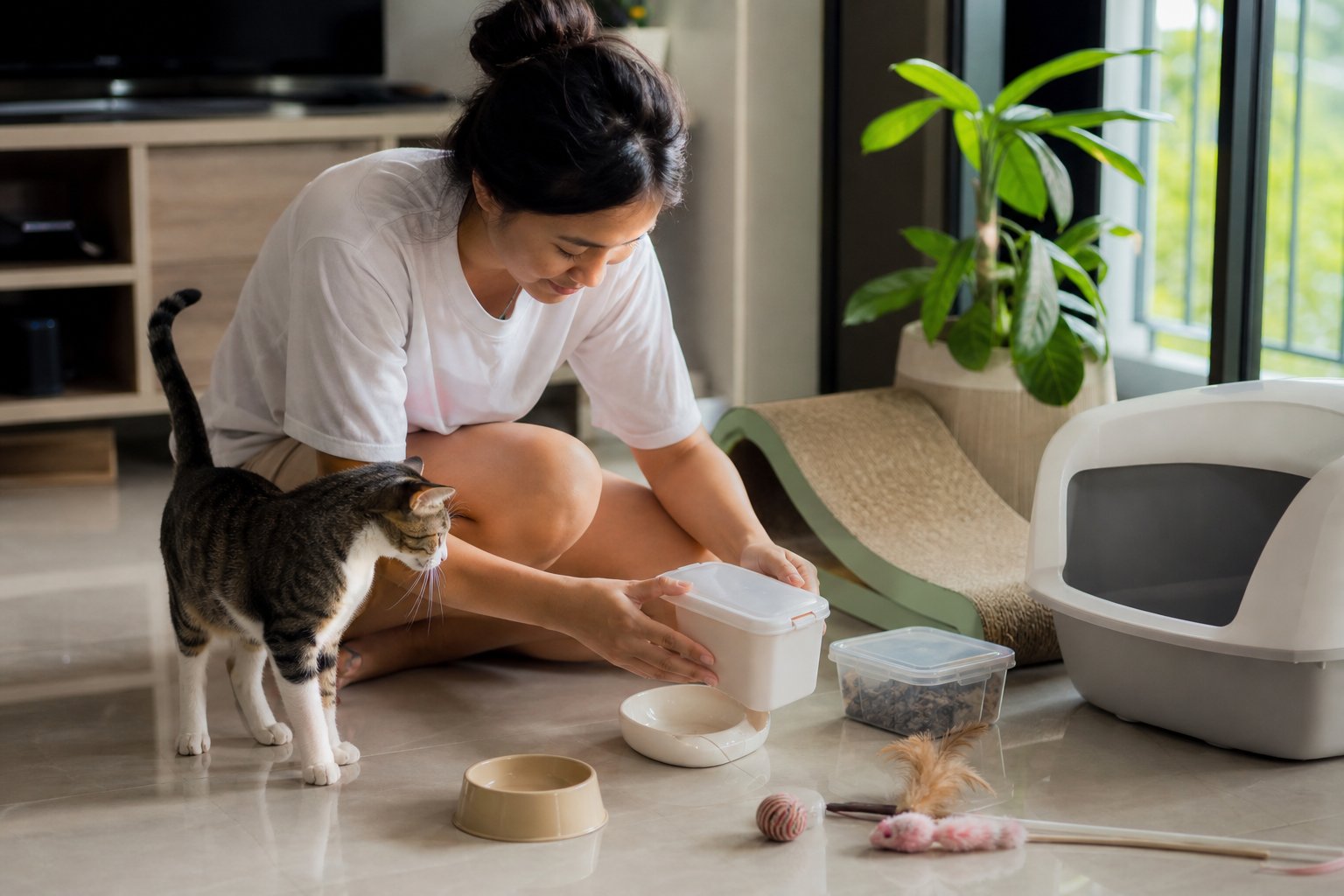
What does it really cost to own a cat in Malaysia each month?
If you're thinking of welcoming a cat into your home, you're probably wondering: how much will this furry friend set me back every month? The honest answer is that it varies, but most Malaysian cat owners spend somewhere between RM150 and RM400 per month on basic necessities. That range covers food, litter, and routine vet care. It does not include emergency vet bills, which can be substantial, or one-off costs like a carrier, bed, and scratching post.
In this guide, we'll break down the typical monthly expenses, share money-saving tips that don't compromise your cat's welfare, and help you plan for the unexpected. Remember that prices vary by location and retailer, so treat these figures as a rough guide and check with your local pet shop or vet for current prices.
The core monthly costs: food and litter
Food and litter are the two expenses you'll pay every single month. How much you spend depends on what you choose.
Food
Cats are obligate carnivores, meaning they need meat-based protein. In Malaysia, you can find a wide range of cat foods, from budget dry kibble to premium wet food. Here's a rough idea of monthly costs based on a typical 4kg adult cat:
| Food type | Monthly cost (RM) | Notes |
|---|---|---|
| Budget dry food | 30–60 | Lower quality, more fillers; may lead to health issues |
| Mid-range dry food | 60–100 | Better protein sources; suitable for many cats |
| Premium dry food | 100–150 | Higher meat content, fewer fillers |
| Wet food (mixed with dry) | 50–100 extra | Adds moisture; good for urinary health |
| Raw or home-cooked | 100–200 | Requires careful balancing; consult a vet |
These are estimates. A large cat or a multi-cat household will spend more. Buying larger bags of dry food can reduce the cost per kilogram, but store it properly to prevent spoilage in Malaysia's humid climate.
Litter
Litter is another recurring cost. Options include clumping clay, crystal, pine, and paper-based litters. Prices vary widely.
| Litter type | Monthly cost (RM) | Notes |
|---|---|---|
| Clumping clay | 30–60 | Common; heavy to carry |
| Crystal | 40–80 | Absorbent; lasts longer |
| Pine | 30–60 | Biodegradable; may track |
| Paper | 40–70 | Gentle on paws; less odour control |
One cat typically needs one litter box, but the general rule is one box per cat plus one extra. Scoop daily and change litter regularly to keep your cat healthy and your home fresh.

Vet care and preventive health
Routine veterinary care is essential for your cat's health. Costs vary by clinic and location, so the figures below are indicative only.
Routine visits
- Annual check-up: RM50–RM150
- Vaccinations (core): RM80–RM200 per year, depending on the vaccine and clinic
- Deworming: RM20–RM50 every 3–6 months
- Flea and tick prevention: RM30–RM80 per month
You can spread these costs by setting aside RM20–RM50 each month for routine care. Some clinics offer health plans that bundle services, which can be cost-effective.
Emergency care
Emergencies are unpredictable. A foreign body ingestion, fracture, or urinary blockage can cost hundreds to thousands of ringgit. While you can't predict these, you can prepare by creating an emergency fund. Aim to save RM50–RM100 per month specifically for vet emergencies. Pet insurance is another option; compare policies carefully to see what's covered.
One-off and occasional costs
When you first get a cat, you'll need some initial supplies. These are not monthly, but you should budget for them.
- Litter box: RM30–RM100
- Carrier: RM50–RM150
- Bed: RM30–RM100
- Scratching post: RM50–RM150
- Food and water bowls: RM20–RM50
- Toys: RM10–RM50
Occasional costs include grooming (if you don't do it yourself), boarding when you travel, and replacing worn-out items. Grooming at a professional groomer might cost RM50–RM150 per session, depending on the services. Boarding can cost RM20–RM50 per night. These are not monthly but should be factored into your overall budget.

Hidden costs to watch out for
Some expenses sneak up on new owners. Here are a few to keep in mind:
- Dental care: Dental disease is common in cats. Professional cleaning may cost RM200–RM500 and requires anaesthesia.
- Parasite prevention: Monthly flea and tick treatments are essential, especially if your cat goes outdoors.
- Microchipping: A one-off cost of RM50–RM100, often done at the same time as neutering.
- Neutering/spaying: RM150–RM400, depending on sex and clinic. This is a one-off cost but important for health and population control.
- Behavioural issues: Untreated behavioural problems can lead to property damage or relinquishment. Invest in enrichment toys and scratching posts early.
How to save money without compromising care
You don't have to spend a fortune to keep your cat healthy and happy. Here are practical tips:
- Buy in bulk: Larger bags of dry food and litter are often cheaper per unit. Store dry food in an airtight container to keep it fresh.
- Mix wet and dry food: A primarily dry diet with some wet food can be more economical than all-wet, while still providing moisture.
- DIY toys and enrichment: Cats love simple things like cardboard boxes, paper bags, and homemade puzzle feeders. Rotate toys to keep them interesting.
- Groom at home: Regular brushing reduces shedding and hairballs, and you can trim nails yourself with proper guidance.
- Keep your cat indoors: Indoor cats are less exposed to parasites, fights, and traffic accidents, reducing vet bills.
- Preventive care: Regular check-ups and vaccinations prevent costly illnesses. Don't skip them.
- Compare prices: Check online and local pet shops for promotions. But don't compromise on quality; cheap food can lead to health problems.
- Set up a budget: Track your spending for a few months to understand your cat's actual costs, then adjust.
Real-life examples from Malaysia
To make this concrete, consider two common scenarios:
A young professional in a Kuala Lumpur apartment adopts a healthy adult cat. They choose mid-range dry food (RM80/month), clumping litter (RM50/month), and set aside RM30 for routine vet care and RM50 for emergencies. Their monthly total is about RM210. They buy a scratching post and toys initially, and budget RM100 for occasional grooming. They keep the cat indoors, which keeps vet costs down.
A family in a Johor terrace house has two cats. They spend RM120 on dry food and RM80 on litter for both. They set aside RM60 for routine vet care and RM100 for emergencies. Their monthly total is around RM360. They also budget for boarding when they travel during school holidays. They find that buying litter in bulk saves money.
These examples show that costs scale with the number of cats and the level of care, but the principles remain the same.
When to see a vet
Regular veterinary care is important, but some signs warrant an immediate visit. Seek veterinary attention if your cat shows:
- Loss of appetite lasting more than 24 hours
- Vomiting or diarrhoea that persists or is accompanied by lethargy
- Difficulty urinating or defecating, especially male cats straining in the litter box
- Sudden weight loss or gain
- Coughing, sneezing, or difficulty breathing
- Wounds, abscesses, or swelling
- Changes in behaviour, such as hiding or aggression
- Any sign of pain or discomfort
Delaying vet care can worsen the condition and increase costs. When in doubt, call your vet for advice.

Frequently asked questions
How much does it cost per month to own a cat in Malaysia? Most owners spend RM150–RM400 monthly on food, litter, and routine vet care. Emergency savings are extra. Costs depend on food quality, litter type, and your cat's health.
What is the cheapest way to feed a cat in Malaysia? Buying dry food in larger bags and mixing with wet food occasionally can lower costs. Avoid very cheap foods with poor ingredients; they may lead to health issues and higher vet bills.
Do I need pet insurance for my cat in Malaysia? Pet insurance is optional but can help with unexpected vet bills. Alternatively, set aside RM50–RM100 monthly as an emergency fund. Compare policies carefully or ask your vet for advice.
How much should I budget for vet visits? Routine check-ups and vaccinations may cost RM50–RM150 per visit. Set aside RM20–RM50 monthly for routine care and RM50–RM100 for emergencies. Prices vary by clinic.
Are there hidden costs of cat ownership? Yes, such as scratching posts, toys, grooming, boarding when you travel, and potential emergency surgery. Budget for these separately to avoid surprises.
Can I reduce monthly cat costs without compromising care? Yes, by buying in bulk, using DIY toys, grooming at home, and keeping your cat indoors. Regular vet check-ups prevent costly illnesses. Never skip essentials like food and litter.
Final thoughts
Owning a cat in Malaysia is a rewarding experience, but it comes with financial responsibility. By understanding the typical monthly costs and planning ahead, you can provide excellent care without breaking the bank. Remember that prices vary, so use these figures as a starting point and adjust based on your cat's needs and your local market. Always prioritise preventive care and set aside an emergency fund. Your cat will thank you with years of companionship.
Disclaimer: This article provides general information only and is not a substitute for professional veterinary advice. Always consult a licensed veterinarian for your cat's health needs.
Related reading
- Monthly Cat Costs Guide for Cats in Malaysia: What to Budget
- New Owner Guide Malaysia: Your First 30 Days With a Pet
- Beginner Cat Breeds to Avoid in Malaysia (and What to Choose Instead)
- New Pet Owner Guide Malaysia: Choosing and Caring for Cats, Dogs, Small Pets, Fish, Reptiles and Birds
- Turkish Van Cat Malaysia: Care, Grooming, Space and Health Risks for New Owners
- Australian Shepherd Care in Malaysia: Exercise, Double Coat and Health Basics for New Owners
- Buying a Cat in Malaysia: A New Owner's 6-Step Verification Guide
- How to Buy a Cat in Malaysia: A 6-Step Verification Checklist for First-Time Owners
- Cat Vaccination Schedule in Malaysia: A Complete Guide for New Owners
- Cat Vaccination Schedule for New Cat Owners in Malaysia: A Complete Guide
- Cat Vaccination Schedule Guide for Cats in Malaysia: What to Jab and When
- Chartreux Cat Care in Malaysia: Temperament, Grooming, Health and New-Owner Tips

