
The short answer
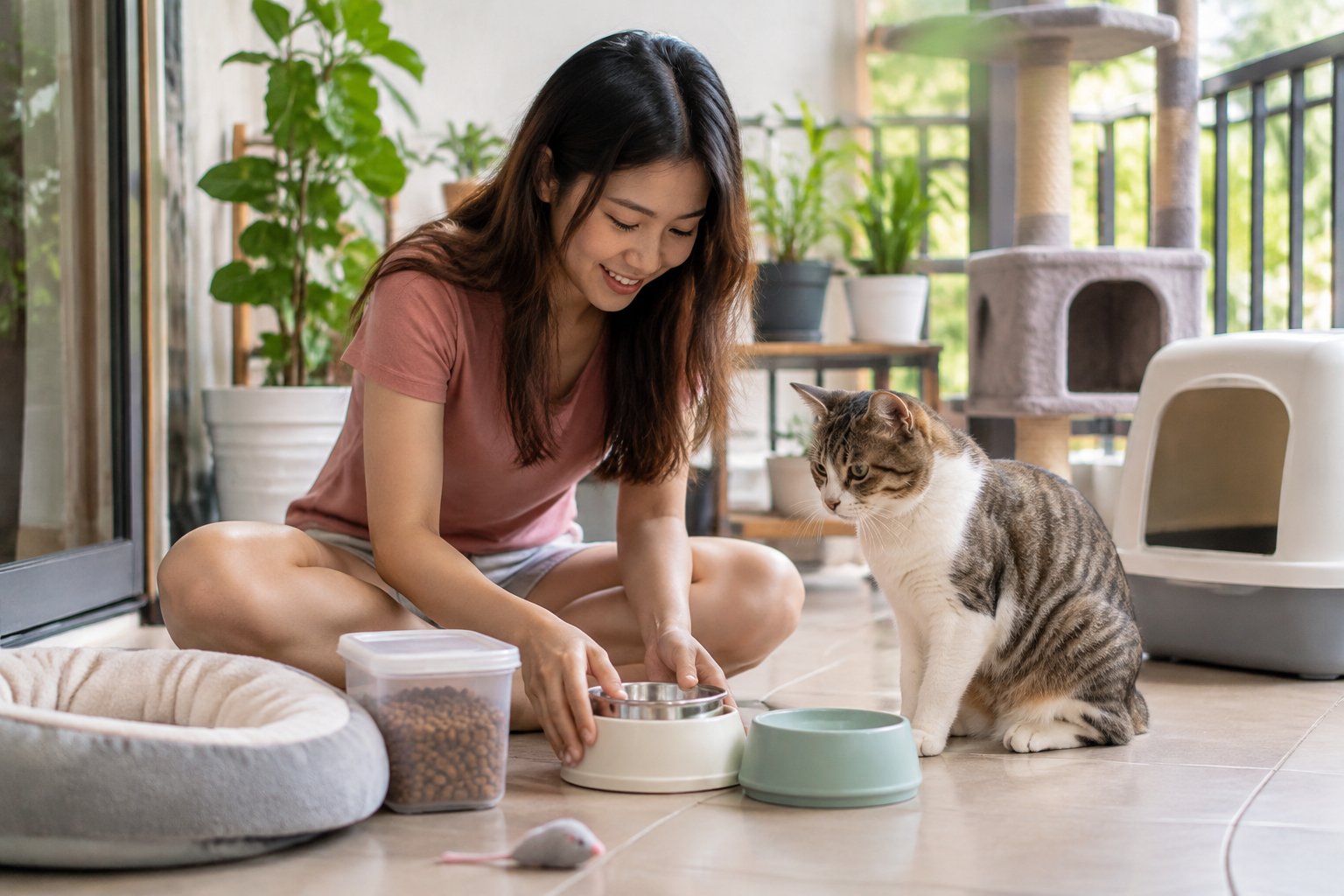
Litter training a cat in Malaysia is not complicated, but it is not just "show the cat the box and walk away" either. Success comes from three things: a box the cat likes, a litter the cat accepts, and a routine that puts the cat in the box at the right moments. Humidity, apartment layouts and multi-cat households add a few local wrinkles, but the core method is the same everywhere.
Most kittens and newly adopted cats can be reliable within one to three weeks. Adult cats that lived outdoors or were surrendered often learn faster than people expect, because the instinct to bury waste is strong. Your job is to make the box the easiest, safest option in the house.
Why cats are usually easy to litter train
Cats are naturally clean animals. In the wild they dig, deposit waste and cover it, which keeps predators from tracking them. That instinct is why most cats take to a litter box quickly when the box meets basic standards.
What breaks the habit is rarely stubbornness. It is usually one of these:
- The box is too small, too deep or too enclosed.
- The litter smells strongly of perfume or chemicals.
- The box is not cleaned often enough.
- The box sits next to food, water or a noisy appliance.
- Another cat guards the box.
- The cat is in pain or has a urinary or digestive problem.
Fix the environment and most "problem" cats settle down.
Choosing the right litter box
Size matters more than style. A box should be roughly one and a half times the length of your cat, nose to base of tail. Many commercial boxes sold for kittens are too small within weeks.
| Box type | Pros | Cons | Best for |
|---|---|---|---|
| Open plastic tray | Cheap, easy to clean, cat feels safe | Litter scatter, odour escapes | Most homes, first-time training |
| High-sided open tray | Less scatter, more privacy | Harder for kittens and seniors to climb | Diggers, wall-sprayers |
| Hooded box | Contains odour and mess | Traps humidity and smell, one exit | Quiet homes with confident cats |
| Top-entry box | Very little scatter | Awkward for kittens, seniors, large cats | Experienced adult cats |
| Storage tub DIY | Large, cheap, customisable | Needs cutting and smoothing | Budget setups, big cats |
For a first box, an open tray with low entry is the safest choice. You can upgrade later once the cat is reliable. If you use a hooded box, clean it more often because Malaysian humidity plus a lid equals trapped moisture and smell.
Depth and litter level
Aim for about 5 to 8 cm of litter. Too little and the cat cannot dig; too much and kittens sink and feel unstable. Senior cats and very young kittens do better with a shallower layer and a lower entry.
Picking a litter that works in Malaysian weather
Malaysia's heat and humidity affect litter performance. Clumping clay can clump firmly and is easy to scoop, but in a humid bathroom it may absorb moisture from the air and develop a stale smell faster. Plant-based and wood pellet litters dry out well and are often less dusty, though some cats dislike the texture underfoot.
General guidance:
- Choose unscented litter first. Cats rely on scent and often reject perfumed products.
- Avoid litter with strong deodorising crystals until you know your cat accepts them.
- Keep the litter type consistent. Sudden switches cause accidents.
- If you must change litter, mix old and new over about a week.
- Store spare litter sealed and dry; humidity turns open bags clumpy and musty.
There is no single best litter for every cat. Buy a small bag, test it, and let your cat vote.
Where to put the box in a Malaysian home
Placement is where local living arrangements matter most.
Kuala Lumpur apartment
In a compact apartment, the bathroom or a utility corner is often the only practical spot. Keep the box away from the shower spray and from damp floor areas that stay wet. A small apartment may not have a balcony, so avoid locking the box in a room the cat cannot reach when you are out. If the only option is near the kitchen, keep a clear gap from food and water bowls.
Johor terrace house
A terrace house usually offers more options: a back utility area, a covered car porch corner or a downstairs bathroom. Avoid spots that flood during heavy rain, and avoid the car porch if it gets direct afternoon sun, because a hot box will be avoided. In two-storey homes, put at least one box on each floor so an older cat does not have to manage stairs.
Penang rainy season
During the wet months, outdoor or semi-outdoor boxes get damp and smelly quickly. If your box sits on a balcony or in a wet area, bring it under cover, use a litter that handles moisture, and scoop more often. Damp litter is a common reason cats start going elsewhere.
General placement rules:
- Quiet, low-traffic spot with an escape route.
- Not next to food or water.
- Not beside a noisy washing machine or generator.
- Away from strong-smelling cleaning products.
- Easy for the cat to reach at all times.
Step-by-step litter training
- Set up before the cat arrives. Fill the box, place it in its spot, and let the cat explore.
- Show, don't force. Place the cat gently in the box after meals, naps, play and waking up. Scratch the litter lightly with your finger.
- Watch for signals. Sniffing, circling, squatting and restlessness mean "take me to the box now".
- Praise calm success. A soft "good cat" or a treat after toileting is enough. Do not interrupt mid-action.
- Keep the box clean. Scoop at least once daily, twice if you have several cats.
- Clean accidents properly. Use an enzymatic cleaner, not ammonia-based products, which smell like urine and attract repeat visits.
- Do not punish. Punishment teaches hiding, not box use.
- Be patient with setbacks. New homes, new people and vet visits can cause temporary lapses.
A simple daily routine
| Time | Action |
|---|---|
| Morning | Scoop solids and clumps, top up litter |
| After meals | Place kitten in box for a minute |
| Afternoon | Check for accidents, clean immediately |
| Evening | Second scoop, stir litter to aerate |
| Weekly | Full litter change and box wash with mild soap |
Kittens versus adult rescues
Kittens under about four weeks are not ready for litter training; they need their mother or hand-rearing support. From around four weeks, a shallow tray with low sides works well. Expect frequent trips and occasional misses.
Adult rescues may arrive with no indoor experience. Confine them to a small, quiet room with the box for the first few days, then expand access. This prevents accidents in distant corners and builds confidence. Cats that were previously kept in cages or outdoors often need a week or two to understand that the box is theirs.
Multi-cat households
The rule of one box per cat plus one spare exists for good reason. Cats compete quietly, and a lower-ranked cat may avoid a box that a bolder cat guards. Spread boxes across different rooms and floors rather than clustering them.
Signs of box tension include:
- One cat waiting until another leaves.
- Accidents right beside the box.
- Spraying on walls near the box.
- A cat toileting only when the household is quiet.
Adding boxes and cleaning more often usually resolves this.
Odour and hygiene in a humid climate
Humidity makes odour worse, so hygiene needs to be consistent.
- Scoop daily, twice daily in multi-cat homes.
- Do a full litter change weekly, or sooner if it smells.
- Wash the box with mild unscented soap and dry it fully before refilling.
- Avoid strong disinfectants; cats are sensitive to many household chemicals.
- Keep a lidded bin nearby for scooped waste.
- Use a covered box only if you can clean it more often.
- Consider a simple air purifier or ventilation, not air fresheners, which can irritate cats.
If the box smells to you, it smells much stronger to your cat.
Common problems and fixes
| Problem | Likely cause | Fix |
|---|---|---|
| Cat toilets beside the box | Box dirty, litter disliked, box too small | Clean more, try unscented litter, upsize |
| Kitten misses often | Too young, box too deep, too far away | Shallow tray, more boxes, more frequent placement |
| Cat holds urine for hours | Stress, competition, pain | Add boxes, reduce stress, vet check |
| Digging and scattering | Boredom, deep litter, small box | High-sided box, litter mat, playtime |
| Sudden accidents after months | Illness, new pet, move, changed litter | Vet first, then review environment |
| Spraying on walls | Territory stress, intact cats | Neuter, add resources, clean with enzymatic cleaner |
When to see a vet
Litter box problems are sometimes medical. Book a vet visit if your cat:
- Strains, cries or takes a long time to pass urine.
- Has blood in urine or stools.
- Toilets outside the box suddenly after being reliable.
- Drinks much more water than usual.
- Loses weight or has a changed appetite.
- Has diarrhoea or constipation lasting more than a day or two.
- Is a male cat straining with little or no urine produced. This is urgent and can become life-threatening quickly.
Urinary blockages are emergencies. Do not wait to see if it improves overnight.
Building good habits for the long term
Once your cat is reliable, keep the basics stable. Avoid moving the box frequently, keep litter type consistent, and clean daily. If you move house, set up the box in a small room first and reintroduce the rest of the home gradually.
For travel or boarding, bring a small bag of familiar litter if possible. Familiar scent reduces stress. If you use a pet carrier for vet visits, place the cat in the box before and after the trip to reinforce the habit.
Finally, remember that litter training is a welfare issue, not just a convenience. A cat that avoids the box is often stressed or unwell. Solving the cause is kinder and more effective than any correction.
This article is general information only and is not a substitute for veterinary advice. If your cat has trouble urinating, blood in the urine, or a sudden change in toileting, consult a licensed veterinarian promptly.
Related reading
- New Owner Guide Malaysia: Your First 30 Days With a Pet
- Cat Vaccination Schedule Guide for Cats in Malaysia: What to Jab and When
- New Pet Owner Guide Malaysia: Choosing and Caring for Cats, Dogs, Small Pets, Fish, Reptiles and Birds
- Beginner Cat Breeds to Avoid in Malaysia (and What to Choose Instead)
- Buying a Cat in Malaysia: A New Owner's 6-Step Verification Guide
- How to Buy a Cat in Malaysia: A 6-Step Verification Checklist for First-Time Owners
- Cat Vaccination Schedule in Malaysia: A Complete Guide for New Owners
- Cat Vaccination Schedule for New Cat Owners in Malaysia: A Complete Guide
- Chartreux Cat Care in Malaysia: Temperament, Grooming, Health and New-Owner Tips
- Dachshund Care in Malaysia: Protecting a Long Back from Condo Floors to Terraces

