
The short answer
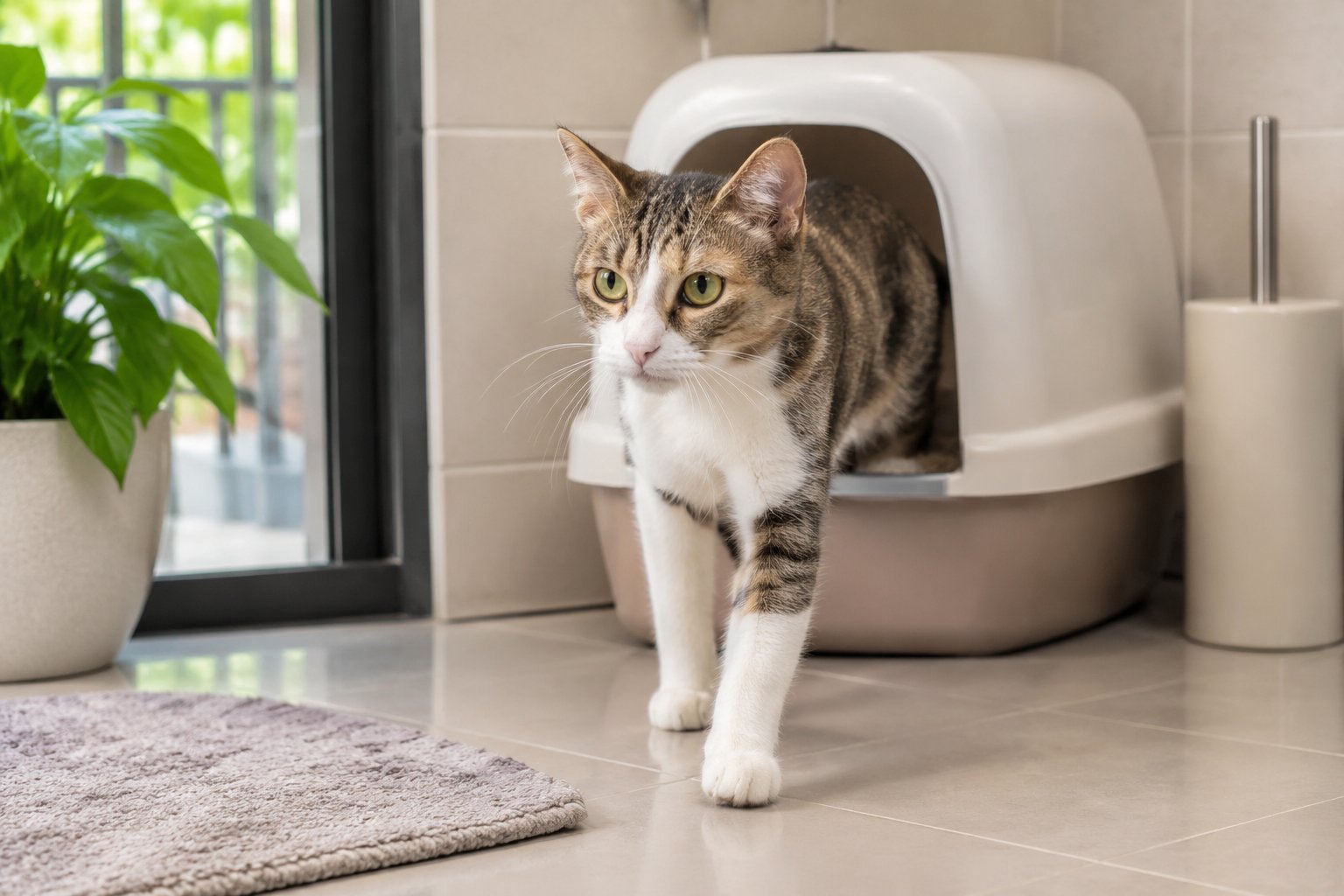
Scented cat litter is not automatically harmful, but it is not the default best choice either. Cats rely heavily on smell to feel safe, and a perfumed box can read as "wrong" rather than "fresh". Use scented litter only when your cat clearly tolerates it, introduce it slowly, keep the scent mild, and treat any avoidance, sneezing, or accident outside the box as a stop signal.
For most households, the practical order is: unscented litter first, excellent scooping habits second, and fragrance only as a small extra if odour control is still a struggle.
Why scent matters more to your cat than to you
A cat's sense of smell is far more sensitive than a human's. What smells pleasantly "clean" to us can be intense and confusing to a cat standing in a small box. Litter is also a surface your cat touches with sensitive paws and inhales at close range several times a day.
That does not mean every scented product is dangerous. Many cats use scented litter without obvious problems. The issue is individual tolerance. Some cats could not care less; others will hold their bladder, scratch at the floor beside the box, or start urinating on a bath mat. Because cats cannot tell us their nose is stinging, behaviour is the main signal we have.
There is also a practical point about odour. Fragrance masks smell; it does not remove the ammonia that builds up in urine. A scented litter that has been sitting for a week can smell like perfume over ammonia, which is worse for both of you. Cleaning does the real work.
When scented litter makes sense, and when it does not
| Situation | Scented litter reasonable? | Better approach |
|---|---|---|
| Small apartment, box near living area | Possibly, if the cat accepts it | Scoop twice daily, use a covered box with a filter, ventilate the room |
| Multi-cat household with strong odour | Usually not the first fix | More boxes, more frequent scooping, full litter changes |
| New kitten or newly adopted cat | No | Unscented, low-dust litter while settling in |
| Cat with asthma, chronic sneezing, or allergies | No | Unscented, low-dust litter and vet advice |
| Cat that has started urinating outside the box | No | Vet check first, then review litter and box setup |
| Senior cat with reduced mobility | No | Low-entry box, unscented litter, easy access |
| Cat already using scented litter happily | Yes, keep it | Maintain routine and watch for changes |
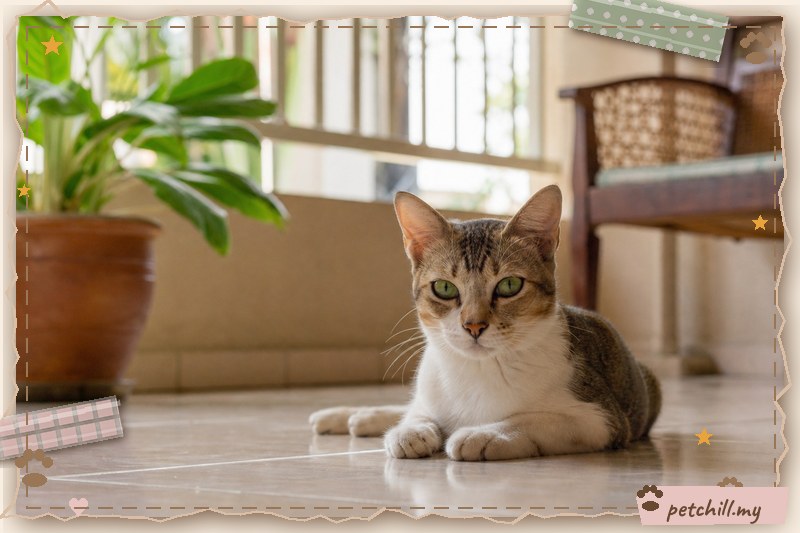
If your cat is already fine with a scented product, there is no need to change anything. The problems usually start when owners switch a settled cat onto a new fragrance, or when a cat is already stressed by a move, a new pet, or a renovation.
Step-by-step: introducing scented litter without drama
1. Rule out health problems first
If your cat has suddenly started avoiding the box, urinating outside it, straining, or crying while urinating, do not experiment with litter. These can be signs of urinary disease, which is serious and needs veterinary attention. Litter changes are for cats with normal toilet habits.
2. Keep the old litter available
Set up a second box with the litter your cat already knows. During the transition, your cat always has a familiar option. In a multi-cat home, the general rule is one box per cat plus one extra, so adding a box is rarely wasted.
3. Mix, do not swap
Start with roughly one part scented litter to four parts current litter, mixed thoroughly. Over one to two weeks, increase the scented proportion if your cat keeps using the box normally. If your cat avoids the box, sneezes, or paws at the nose, go back a step or abandon the switch.
4. Change one thing at a time
Do not change litter, move the box, and switch food in the same week. If something goes wrong, you will not know which change caused it. Give each change at least a week.
5. Watch the box for a week
Check daily for normal use, normal stool, and any signs of discomfort. A cat that uses the box less often, urinates in small amounts, or spends a long time scratching before going may be unhappy with the litter.
6. Keep the box clean
Scoop at least once daily, preferably twice. Do a full litter change and wash the box with mild, unscented soap and water on a regular schedule. Avoid strong household cleaners and bleach fumes in the box area; rinse thoroughly and let the box dry before refilling.
Setting up the box so scent is not doing all the work
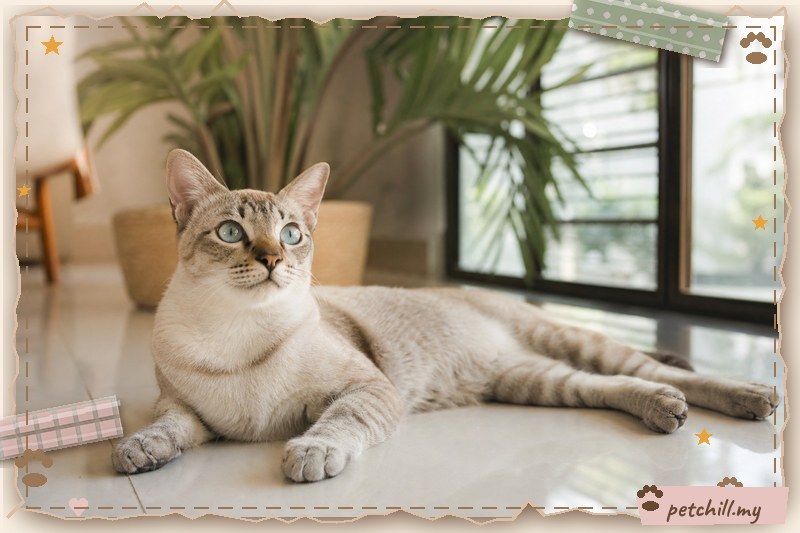
Most odour complaints come down to setup, not fragrance. A few practical adjustments usually beat any scented product:
- Size: the box should be about one and a half times the length of your cat, so they can turn around comfortably.
- Depth: enough litter for digging, roughly a few centimetres, without being so deep that the box is hard to enter.
- Location: quiet, away from food and water, not next to a noisy appliance, and not in a sealed cupboard.
- Number: one per cat plus one extra, placed in different spots rather than lined up together.
- Ventilation: in a small flat, a covered box with a carbon filter plus a nearby window or fan helps more than perfume.
- Litter depth and type: most cats prefer fine, low-dust, unscented clumping or pellet litter. Sudden texture changes can cause avoidance.
In a Kuala Lumpur apartment, the box often ends up in a bathroom or utility area. That can work well if the space is ventilated and not used as a busy walkway. In a Johor terrace house, owners sometimes place boxes in a back room or covered porch area; just make sure the spot is dry, shaded, and not subject to rain blowing in during the monsoon season.
Reading your cat's signals
Cats are subtle. Watch for these signs after introducing a scented litter:
- Sniffing the litter and backing away
- Sneezing or coughing near the box
- Pawing at the nose or mouth
- Standing on the edge of the box rather than in the litter
- Holding urine for long periods
- Urinating or defecating just outside the box
- Increased scratching before toileting
- Spending less time in the box overall
Any of these is a reason to switch back to unscented litter and review the setup. If accidents continue after you revert, or if your cat shows straining, blood in urine, or frequent small urinations, see a vet.
Health and safety considerations
Dust and airways
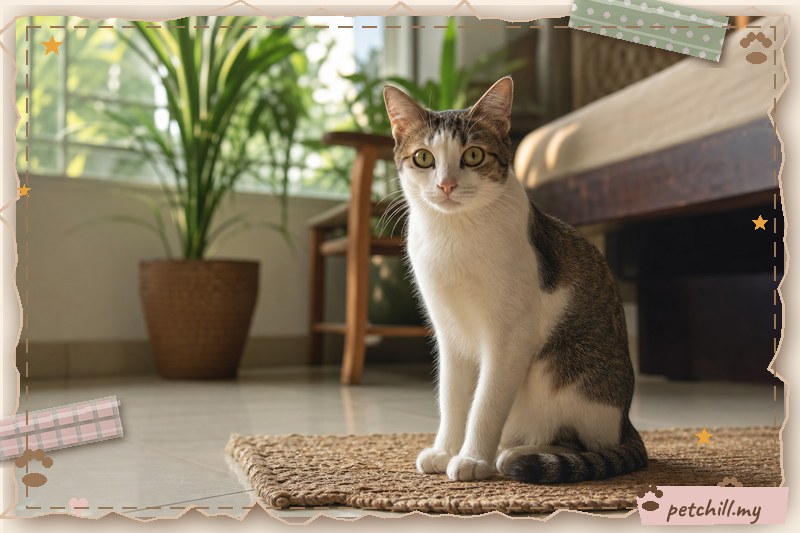
Dust is a bigger practical concern than fragrance for many cats. Low-dust litters are gentler on airways, especially for cats with asthma or a history of sneezing. If you use a scented product, choose one with low dust and avoid pouring it in a closed room where dust hangs in the air.
Kittens and ingestion
Kittens explore with their mouths and may eat litter. Clumping litter can clump inside a small body, which is a risk. Use unscented, low-dust litter for kittens and supervise them around the box. If you suspect your kitten has eaten a significant amount of litter, contact a vet.
Pregnancy and household sensitivities
Some scented litters contain fragrance and deodorising additives. If a household member is sensitive to perfumes, or if a pregnant person is handling the box, unscented litter plus careful hygiene is the simpler choice. Wash hands after handling litter, and have someone else scoop if possible during pregnancy.
Cats with medical conditions
Cats with asthma, chronic rhinitis, skin allergies, or a history of urinary problems should stay on unscented, low-dust litter unless a vet advises otherwise. Fragrance is not a treatment for odour caused by illness; if the box smells unusually strong, that can be a health clue rather than a litter problem.
Common mistakes owners make
- Switching litter suddenly. A full swap overnight is the fastest way to trigger accidents. Mix gradually.
- Using fragrance to cover a dirty box. Scooping is the fix; perfume is not.
- Choosing the strongest scent. Mild is better. If you can smell it strongly from across the room, it is probably too much for your cat.
- Ignoring early warning signs. Sneezing and box avoidance are messages, not quirks.
- Changing too many things at once. Move, new food, new litter, and a new box in the same week makes diagnosis impossible.
- Skipping the vet when behaviour changes. Sudden litter box avoidance can be medical, especially in male cats.
A simple weekly routine
- Daily: scoop solids and urine clumps at least once, ideally twice.
- Weekly: top up litter, wipe the box rim, check for damp patches.
- Regularly: full litter change, wash the box with mild unscented soap, rinse well, dry fully.
- Monthly: check box condition for cracks and scratches that trap odour, and review whether the litter is still working for your cat.
If you are using a scented litter, this routine matters even more, because fragrance can hide the smell of a box that needs changing.
When to see a vet
Contact a veterinarian if your cat:
- Urinates outside the box suddenly, especially after a litter change
- Strains, cries, or produces only small amounts of urine
- Has blood in the urine or stools
- Vomits, stops eating, or seems lethargic
- Sneezes persistently, has nasal discharge, or shows breathing difficulty
- Develops skin irritation or over-grooms the paws or hind end
- Has diarrhoea or constipation that lasts more than a day or two
Male cats in particular can develop urinary blockages, which are emergencies. Do not wait to see whether a litter change fixes it.
Local context for Malaysian owners
Malaysia's humid climate affects litter more than many owners expect. Litter can absorb moisture and develop odour faster during the rainy season, particularly in Penang and along the east coast. In that situation, more frequent full changes and better ventilation help more than a stronger fragrance. Store litter in a dry, sealed container, and avoid leaving bags open in a damp utility area.
In high-rise living, boxes are often in bathrooms with limited airflow. A covered box with a filter, placed away from the shower spray, plus twice-daily scooping, is usually the most effective combination. In landed homes, boxes may be placed in a back room or car porch area; keep them dry and shaded, and away from direct rain.
If you are unsure which litter suits your cat, ask your veterinarian or a reputable pet retailer for low-dust, unscented options first, then consider a mild scented version only if odour remains a problem. Local prices vary, so compare products in person rather than relying on online listings.
Frequently asked questions
See the FAQ section above for quick answers on safety, switching, kittens, and clumping litter.
Vet disclaimer
This article is general information for Malaysian cat owners and is not a substitute for veterinary advice. If your cat shows signs of illness, pain, or a change in toilet habits, consult a licensed veterinarian.
Related reading
- Cat Litter Guide Malaysia 2026: Types, Costs and How to Choose
- How to Use Crystal Cat Litter for Cats: A Complete Malaysian Guide
- How to Use Dust-Free Cat Litter for Cats: A Complete Malaysian Guide
- How to Use Pine Cat Litter for Cats: A Complete Malaysian Guide
- Litter Mat for Cats: Pros and Cons Every Malaysian Owner Should Weigh

