
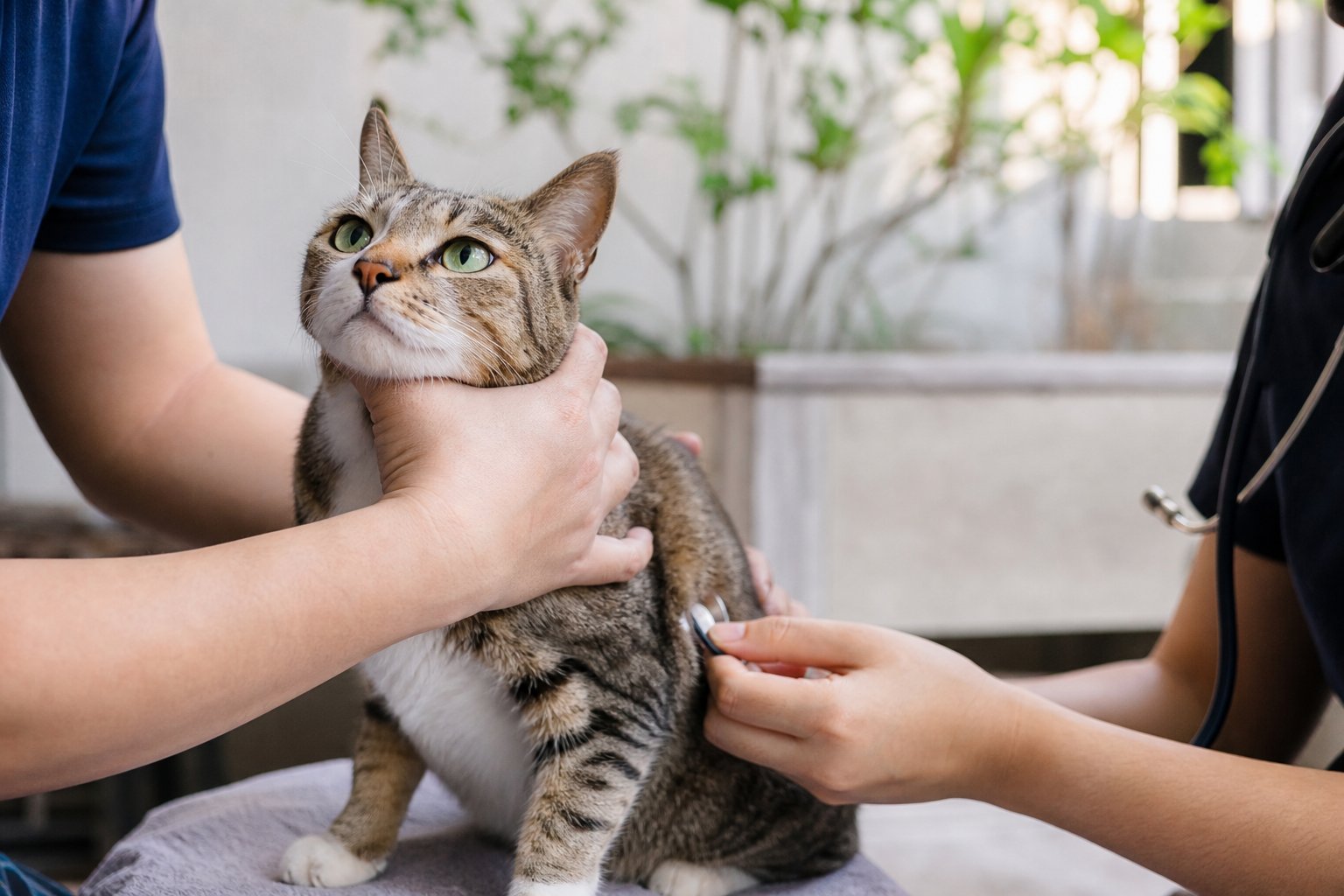
Why senior cat checkups matter
Cats are masters at hiding illness. By the time a senior cat shows obvious signs of kidney disease, hyperthyroidism, dental pain or arthritis, the condition may already be advanced. A senior cat checkup is a structured veterinary visit designed to catch these problems early, when treatment is simpler and more effective.
This guide explains when to start senior checkups, what happens during the visit, how often to go, how to prepare, and what you can do at home between visits. It is written for Malaysian cat owners living in apartments, terrace houses and landed properties, where heat, humidity and multi-cat households all affect senior cat care.
When is a cat considered senior?
Most veterinary guidelines classify cats as senior from around 7–8 years old, and geriatric from about 11–12 years. However, ageing is individual. A cat that has been overweight, had dental disease or lived outdoors may show age-related changes earlier.
Use this rough timeline as a guide, not a rule:
| Life stage | Approximate age | Checkup frequency |
|---|---|---|
| Adult | 1–6 years | Once a year |
| Senior | 7–10 years | Every 6–12 months |
| Geriatric | 11+ years | Every 6 months, or more often if unwell |
| Any age with chronic disease | Varies | Every 3–6 months or as advised |
If your cat is 7 or older and has not seen a vet in the past year, book a senior checkup soon. Early baseline blood and urine results are valuable because they show what is normal for your cat before problems appear.
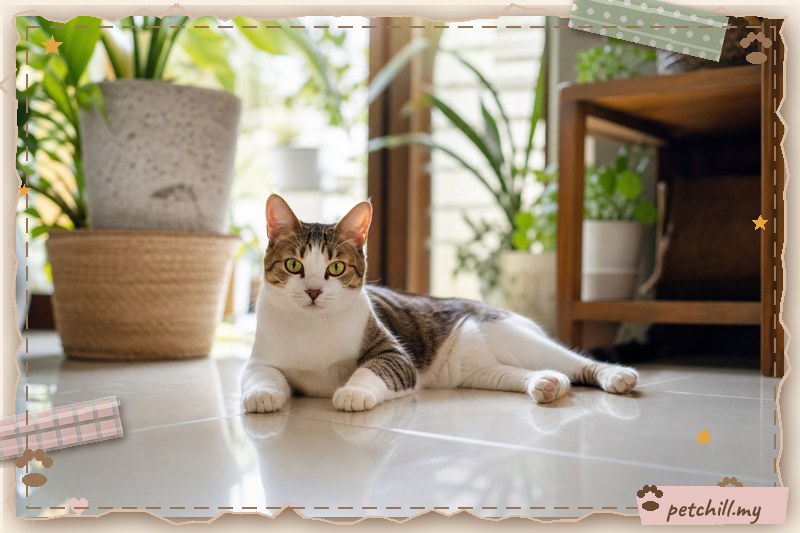
What happens during a senior cat checkup
A good senior checkup is more than a quick listen to the heart. Expect a thorough, nose-to-tail assessment. The exact process varies by clinic, but most Malaysian vets will follow a similar structure.
1. History and home observations
Your vet will ask about appetite, water intake, litter box habits, weight changes, activity, grooming, vomiting, coughing and behaviour. Bring notes or photos. A short video of your cat walking or jumping can help assess stiffness or weakness.
2. Physical examination
This includes:
- Weight and body condition score (BCS), usually on a 1–9 scale
- Muscle condition score, which detects muscle loss even in normal-weight cats
- Dental exam: tartar, gum inflammation, broken teeth and oral masses
- Eyes: lens changes, discharge, pupil response
- Ears: wax, infection, polyps
- Skin and coat: grooming quality, lumps, parasites
- Heart and lungs: murmurs, rhythm, breathing effort
- Abdomen: organ size, pain, masses
- Joints and spine: range of motion, crepitus, pain response
- Thyroid gland: size and symmetry in the neck
- Blood pressure: important for cats with kidney or thyroid disease
3. Laboratory tests
Blood and urine tests are the core of senior screening. Common tests include:
- Complete blood count (CBC): anaemia, infection, hydration clues
- Biochemistry panel: kidney values, liver enzymes, glucose, electrolytes, protein
- Thyroid hormone (T4): hyperthyroidism screening
- Urinalysis: concentration, protein, crystals, infection, glucose
- Blood pressure: hypertension often accompanies kidney and thyroid disease
- Faecal exam: parasites, especially in cats that go outdoors
Depending on findings, your vet may recommend X-rays, ultrasound, or a cardiac assessment. Not every cat needs every test at every visit. Your vet will tailor the plan to your cat's age, signs and previous results.
4. Preventive care review
Senior cats still need parasite control, vaccination review and dental care. Your vet will check whether vaccinations are up to date based on lifestyle and local risk. Indoor cats may need fewer vaccines than outdoor cats, but this is a discussion, not a blanket rule.
How often should senior cats have checkups?
For healthy senior cats, every 6–12 months is a reasonable starting point. For geriatric cats or those with chronic conditions, every 3–6 months is common. Cats with kidney disease, hyperthyroidism, heart disease or diabetes often need monitoring every few months, with blood and urine tests to track progress.
A practical schedule looks like this:
- Age 7–8: full senior baseline checkup, including blood and urine tests
- Age 9–10: checkup every 6–12 months, with repeat bloodwork
- Age 11+: checkup every 6 months, or more often if signs change
- Any age with chronic disease: follow your vet's monitoring plan
Do not wait for symptoms. Senior cats often compensate until they cannot, and sudden collapse or severe weight loss is a poor starting point for treatment.
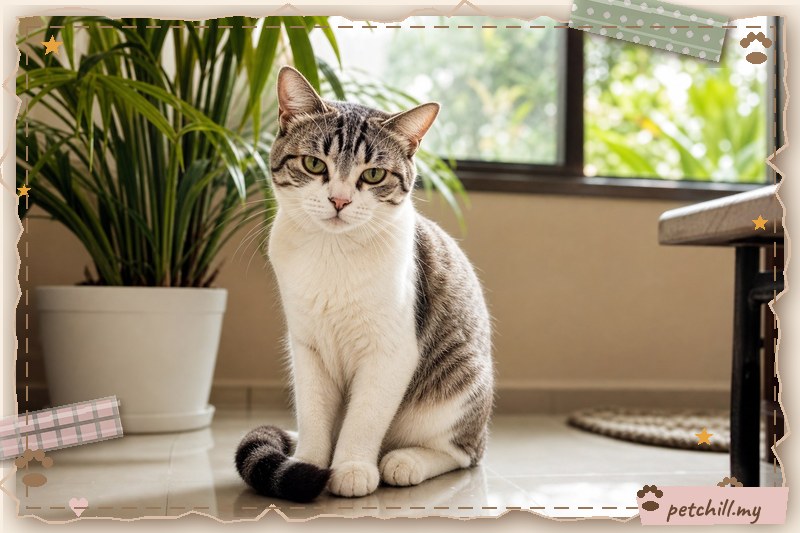
Preparing for the visit: a checklist
A little preparation makes the visit more useful and less stressful for your cat.
- Use a secure carrier with a familiar blanket
- Bring a list of medications, supplements and current diet
- Note changes in appetite, water intake, litter box use and behaviour
- Record any vomiting, coughing or sneezing episodes
- Bring a fresh urine sample if your vet asks for one
- Fast your cat only if your vet instructs it for blood tests
- Arrive early and ask for a quiet waiting area if available
- Cover the carrier with a light towel to reduce stress
For cats that become very stressed, ask your vet about appointment timing, pheromone sprays or pre-visit calming options. Never give medication without veterinary advice.
Common health problems found in senior cats
Senior checkups commonly detect these conditions:
Chronic kidney disease (CKD)
CKD is one of the most common senior cat diseases. Early signs include increased thirst, larger urine clumps, weight loss and reduced appetite. Blood and urine tests can detect it before symptoms are obvious. Early management focuses on hydration, diet and blood pressure control.
Hyperthyroidism
An overactive thyroid causes weight loss despite a good appetite, hyperactivity, vomiting and sometimes a rapid heart rate. A T4 blood test screens for it. Treatment options include medication, diet, surgery or radioactive iodine, depending on the cat and the vet's assessment.
Dental disease
Tartar, gum disease and tooth resorption are common and painful. Cats may eat less, drop food, drool or chew on one side. Dental treatment under anaesthesia may be needed, but your vet will assess anaesthetic risk with blood tests and heart checks first.
Arthritis and mobility problems
Senior cats often have arthritis in the spine, hips and elbows. Signs include reluctance to jump, stiffness, reduced grooming and using the litter box less reliably. Pain management and home changes can help significantly.
Diabetes
Weight loss, increased appetite, increased thirst and urination can signal diabetes. Early diagnosis improves the chance of remission or good control.
Cancer and lumps
Senior cats can develop lumps, oral masses and internal tumours. Regular physical exams help catch them early. Report any new lump or change in behaviour promptly.
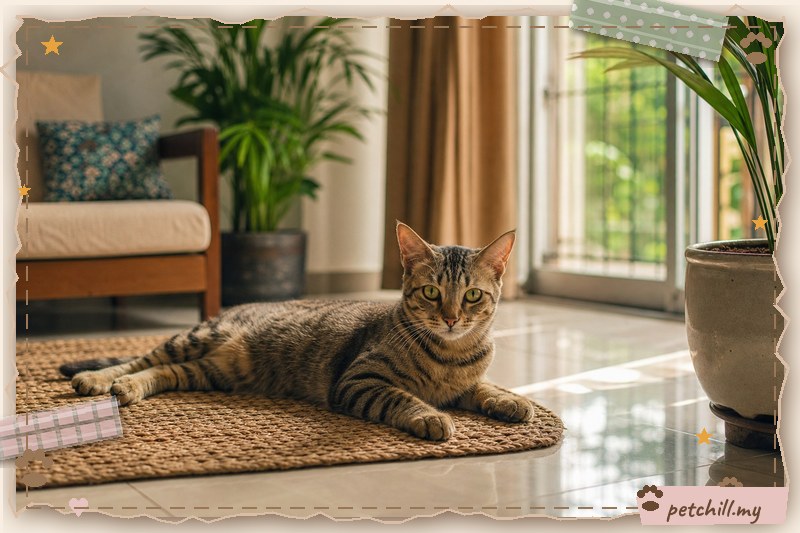
Home care between checkups
Your daily observations are part of senior care. Keep a simple log of weight, appetite, water intake and litter box habits. Weigh your cat monthly on a baby scale if possible, or ask your vet to weigh at each visit.
Practical home adjustments include:
- Provide low-sided litter boxes for easy access
- Add ramps or steps to favourite resting spots
- Keep food and water within easy reach
- Use non-slip mats on smooth floors
- Offer warm, quiet sleeping areas
- Brush gently and check for lumps or skin problems
- Keep up parasite prevention as advised
In Malaysian homes, air-conditioning and fans can dry out older cats, so ensure fresh water is always available. In hot weather, watch for reduced appetite and lethargy, and keep your cat indoors during peak heat if possible.
Nutrition and weight for senior cats
There is no single senior cat diet. Nutrition depends on body condition, kidney function, dental health and other diseases. Overweight senior cats benefit from gradual weight loss, while underweight cats need investigation for underlying disease.
Key points:
- Do not switch to a senior diet without a vet check
- Feed measured portions and avoid free-feeding if weight is a concern
- Ensure fresh water and consider multiple water stations
- Ask your vet about diets for kidney, dental or joint support if needed
- Avoid sudden diet changes, which can cause digestive upset
If your cat has kidney disease, your vet may recommend a renal diet. If your cat has dental pain, soft food may help temporarily, but dental treatment is the real solution.
Parasite control and vaccination for senior cats
Senior cats still need parasite prevention, but the products and frequency should suit their health. Some medications are not suitable for cats with certain conditions, so review everything with your vet. Vaccination decisions should consider lifestyle, local disease risk and your cat's health. Indoor-only cats may need fewer vaccines, but this is a risk assessment, not a one-size-fits-all rule.
Managing stress during vet visits
Stress can raise blood pressure and blood glucose, affecting test results. Help your cat by:
- Using a carrier that opens from the top or side
- Practising short carrier sessions at home
- Bringing a familiar blanket or toy
- Asking for a quiet waiting area
- Booking appointments at less busy times
- Discussing calming options with your vet in advance
If your cat is very fearful, your vet may suggest a pre-visit plan. Never use human sedatives or supplements without veterinary guidance.
When to see a vet
Book a vet visit promptly if your senior cat shows any of these signs:
- Weight loss or gain without diet change
- Increased thirst or urination
- Reduced appetite or refusal to eat
- Vomiting or diarrhoea that persists
- Difficulty breathing or coughing
- Bad breath, drooling or dropping food
- Reluctance to jump, stiffness or limping
- Hiding, confusion or behaviour changes
- New lumps or wounds that do not heal
- Straining in the litter box or blood in urine
- Sudden collapse, weakness or seizures
These signs can have many causes, and only a vet can diagnose them. Do not wait for a scheduled checkup if your cat is unwell.
What to ask your vet
Make the most of your visit by asking:
- Is my cat's weight and muscle condition healthy?
- Are the blood and urine results normal for my cat's age?
- Does my cat need dental treatment or a dental check?
- Is blood pressure normal?
- Are there signs of arthritis or pain?
- What should I monitor at home?
- When should we repeat tests?
- Are vaccinations and parasite prevention still appropriate?
Write down the answers or ask for a summary. It is easy to forget details after a stressful visit.
Cost and planning in Malaysia
Veterinary costs in Malaysia vary by clinic, location, tests and treatment. There is no single standard price. Ask your vet for an itemised estimate before agreeing to tests or procedures. Regular checkups and early monitoring often cost less than emergency treatment for advanced disease. Pet insurance may help, but check what is covered before relying on it.
A simple senior cat care plan
Use this plan as a starting point:
- Confirm your cat's age and life stage with your vet.
- Book a senior baseline checkup at 7–8 years old.
- Repeat checkups every 6–12 months, or as advised.
- Keep a home log of weight, appetite, water and litter habits.
- Adjust the home for mobility and comfort.
- Review diet, parasite control and vaccination at each visit.
- Act quickly if you notice warning signs.
Senior cat care is about consistency, observation and partnership with your vet. You do not need to do everything at once. Start with a checkup, build a baseline, and adjust as your cat ages.
Final thoughts
A senior cat checkup is one of the most useful things you can do for your cat's health. It helps detect common senior diseases early, gives you a baseline for future comparison, and lets you ask questions in a calm setting. In Malaysia, where many cats live indoors in apartments and terrace houses, regular veterinary care and home adjustments can make a real difference to comfort and lifespan.
If your cat is 7 or older, book a checkup and bring your notes. Your future self, and your cat, will thank you.
Vet disclaimer: This article is for general information only and is not a substitute for veterinary advice. Always consult a licensed veterinarian for diagnosis and treatment tailored to your cat.
Related reading
- Senior Care Guide Malaysia: Caring for Your Older Pet
- Senior Cat Care Guide Malaysia: 7+ Health Checks, Kidneys, Joints & Daily Care
- Senior Cat Grooming: A Complete Care Guide for Malaysian Owners
- Senior Cat Arthritis Care Guide: Helping Older Cats Move Better
- Senior Cat Arthritis in Malaysia: Signs, Home Fixes and What Supplements Can Really Do
- Senior Cat Care Hub Malaysia: Kidney, Joints, Cognition, Diet and Check-Up Timetable for Cats Aged 7 and Above



