
Quick answer
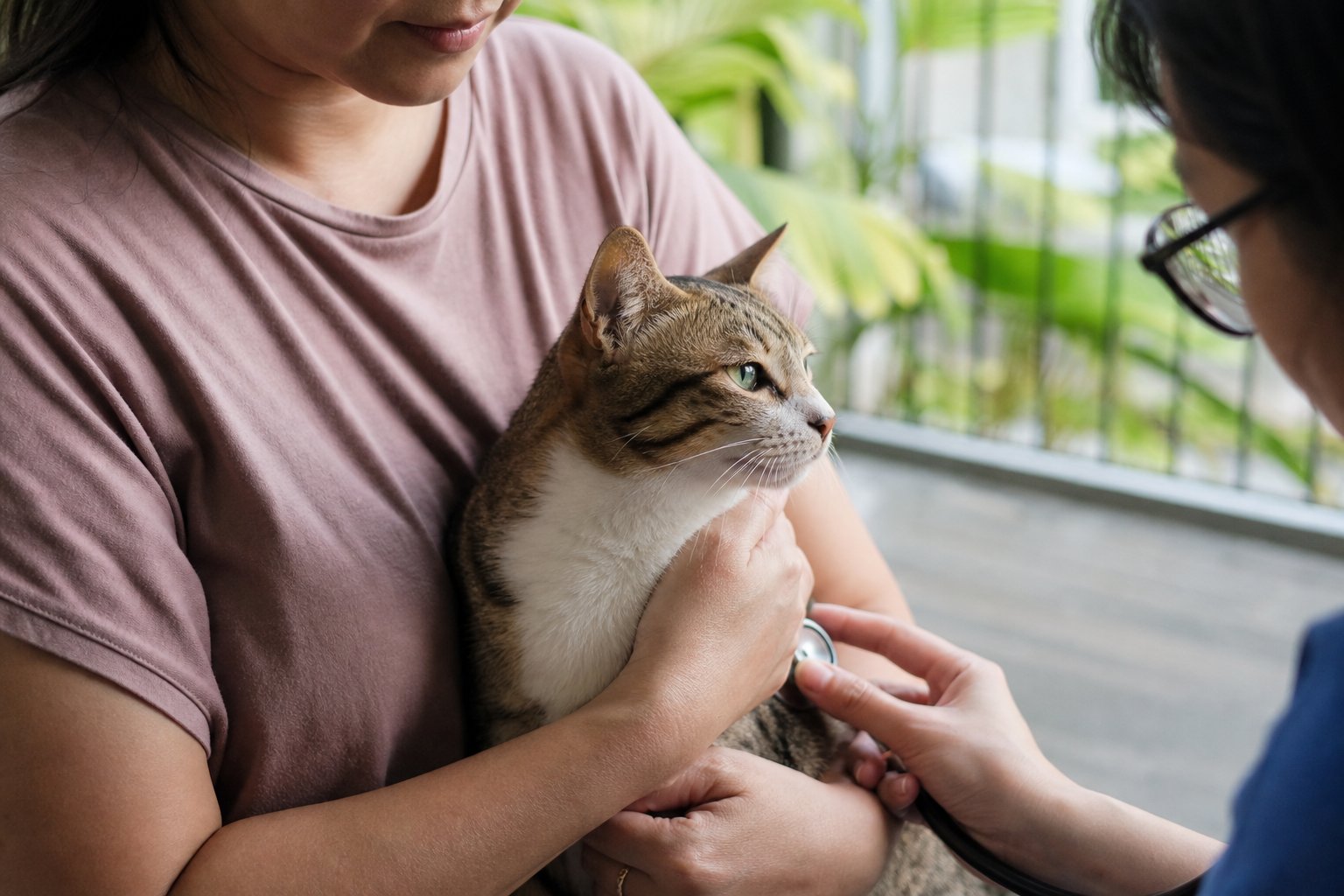
Senior cats (7+ years) should see a vet every 6–12 months, with blood and urine tests at least yearly. In Malaysia, ask your vet about kidney, thyroid, dental and arthritis checks, and keep up with vaccinations and parasite control. Early detection helps manage common age-related conditions.
Why senior cat checkups matter
Cats are masters at hiding discomfort. By the time you notice weight loss, increased thirst or reduced grooming, an underlying disease may already be well advanced. Senior cats are more prone to chronic kidney disease, hyperthyroidism, diabetes, dental disease and arthritis. Regular veterinary checkups help catch these conditions earlier, when they are easier to manage.
In Malaysia, the warm, humid climate brings its own considerations. Parasites like fleas and ticks can be active year-round, and indoor-outdoor cats may face higher exposure. Senior cats may also struggle more in the heat, so hydration and comfortable resting spots become even more important.
When is a cat considered senior?
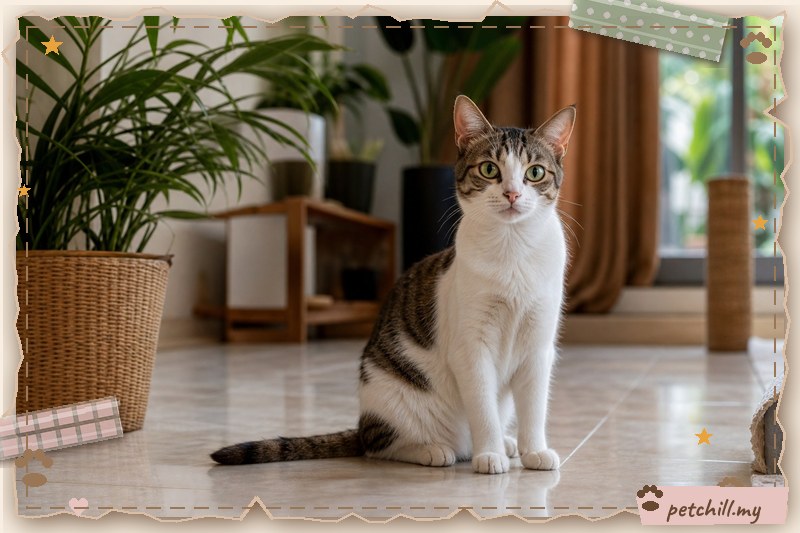
Most vets consider cats senior from around 7 years of age. From 7–10, they are often called mature or senior; from 11 onwards, geriatric. Large breeds may age slightly differently, but the general principle holds: the older the cat, the more frequent the checkups.
| Age | Life stage | Suggested checkup frequency |
|---|---|---|
| 1–6 years | Adult | Once a year |
| 7–10 years | Senior | Every 6–12 months |
| 11+ years | Geriatric | Every 6 months |
These are general guidelines. Your vet may adjust based on your cat's health, lifestyle and any existing conditions.
What happens at a senior cat checkup?
A thorough senior checkup goes beyond a quick listen to the heart. Here is what to expect:
- History taking: Your vet will ask about appetite, water intake, litter box habits, activity, behaviour and any changes you have noticed.
- Physical examination: Weight and body condition score, muscle mass, dental check, eye and ear exam, heart and lung auscultation, abdominal palpation, and joint assessment.
- Blood pressure measurement: High blood pressure is common in older cats, especially those with kidney or thyroid disease.
- Blood tests: A complete blood count and biochemistry panel to assess kidney and liver function, blood sugar, electrolytes and thyroid hormone levels.
- Urine test: To check urine concentration, protein, glucose and signs of infection.
- Dental assessment: Dental disease is very common in senior cats and can affect overall health.
- Other tests as needed: X-rays, ultrasound or specific tests if your vet suspects a problem.
Not every clinic will have all equipment, but most will offer basic blood and urine testing. Ask what is included before booking.
Common health issues in senior cats
Chronic kidney disease (CKD)
Kidney disease is one of the most common conditions in older cats. Early signs include increased thirst and urination, weight loss and reduced appetite. Blood and urine tests can detect it before symptoms become obvious. Management often involves a special diet, hydration support and regular monitoring.
Hyperthyroidism
An overactive thyroid gland leads to weight loss despite a good appetite, hyperactivity and sometimes vomiting. It is diagnosed with a blood test and managed with medication, diet or other treatments.
Diabetes mellitus
Diabetes can cause increased thirst, urination and appetite, along with weight loss. It is diagnosed with blood and urine tests and managed with insulin, diet and monitoring.
Dental disease
Gum disease, tooth resorption and tartar are common. Dental problems can make eating painful and may contribute to other health issues. Regular dental checks and cleaning under anaesthesia (when safe) are important.
Arthritis
Older cats often develop osteoarthritis. Signs include reluctance to jump, stiffness, reduced grooming and changes in litter box habits. Pain management and environmental adjustments can help.
Cancer
Regular checkups can help detect lumps or changes early. Report any new lumps or unusual behaviour to your vet.
How to prepare for a vet visit
A little preparation makes the visit more productive and less stressful for your cat.
- Use a secure carrier: A sturdy carrier with a familiar blanket helps your cat feel safer.
- Write down your observations: Note appetite, water intake, litter box habits, activity level, and any behaviour changes.
- Bring a list of medications and supplements: Include doses and frequencies.
- Collect a urine sample if possible: Ask your vet for a sterile container beforehand. Fresh urine is best.
- Bring a stool sample: Useful if your vet wants to check for parasites.
- Keep the carrier covered: A light towel over the carrier can reduce stress during travel.
In Malaysia's hot weather, avoid leaving your cat in the car. Plan your trip to minimise time in traffic and keep the carrier ventilated.
Questions to ask your vet
- What tests do you recommend for my cat's age and health status?
- How often should we repeat these tests?
- What are the early signs of common senior cat diseases I should watch for?
- Are there any diet changes you recommend?
- Is my cat's weight and body condition healthy?
- What parasite prevention do you recommend for my cat's lifestyle?
- How can I make my home more comfortable for an older cat?
Home care for senior cats in Malaysia
Senior cats benefit from small adjustments at home. In Malaysian apartments and terrace houses, space can be limited, so think about vertical and easy-access options.
- Litter box: Provide a low-sided box that is easy to step into. Keep it in a quiet, accessible place. For older cats with arthritis, a shallow box with soft litter can help.
- Food and water: Place food and water within easy reach. Multiple water stations encourage drinking, which is important for kidney health. Consider a water fountain if your cat prefers running water.
- Warmth and comfort: Senior cats may feel the cold more. Provide soft, warm bedding away from draughts. In air-conditioned rooms, offer a warm spot.
- Grooming: Older cats may struggle to groom themselves. Brush regularly to prevent matting and check for skin problems.
- Exercise and play: Gentle play keeps joints mobile and provides mental stimulation. Short, frequent sessions are better than long ones.
- Safety: Ensure windows and balconies are secured. Senior cats may be less agile and more prone to falls.
Diet and nutrition for senior cats
Senior cats have different nutritional needs. They may benefit from higher-quality protein, controlled phosphorus (if kidney disease is present), and easily digestible ingredients. Your vet can recommend a suitable diet based on your cat's health status. Avoid sudden diet changes; introduce new foods gradually.
In Malaysia, many owners feed a mix of wet and dry food. Wet food can help with hydration, which is especially important for kidney health. Always provide fresh water.
Parasite prevention
Even indoor cats can be exposed to parasites through other pets, shoes or insects. Talk to your vet about flea, tick and worm prevention suitable for your cat's age and health. In Malaysia's climate, year-round prevention is often recommended.
Vaccinations for senior cats
Senior cats still need protection against infectious diseases. Your vet will assess your cat's risk and recommend a vaccination schedule. Cats with kidney disease or other chronic conditions may need special consideration.
When to see a vet
Contact your vet promptly if you notice any of the following:
- Sudden weight loss or gain
- Increased thirst or urination
- Reduced appetite or refusal to eat
- Vomiting or diarrhoea that persists
- Lethargy or weakness
- Difficulty breathing
- Bad breath or drooling
- Reluctance to jump or move
- New lumps or bumps
- Changes in behaviour or confusion
- Straining to urinate or defecate
These signs can indicate serious conditions. Early veterinary attention is always better.
Cost considerations
Veterinary costs in Malaysia vary by clinic, location and the tests performed. There is no standard price list. Ask your vet for an estimate before the visit, and consider whether pet insurance or a savings plan could help. Preventive care is often less expensive than treating advanced disease.
Finding a vet in Malaysia
Look for a veterinary clinic that is registered and has experience with senior cats. The Department of Veterinary Services (DVS) Malaysia website provides information on licensed premises. You can also ask for recommendations from local cat groups or friends. Visit the clinic beforehand if possible to check facilities and ask about their approach to senior care.
Final thoughts
Senior cat checkups are an investment in your cat's comfort and longevity. By working with your vet and making small adjustments at home, you can help your older cat live a happier, healthier life. Remember that every cat is an individual, and your vet is the best source of advice for your cat's specific needs.
This article is for general information only and is not a substitute for veterinary advice. Always consult a licensed veterinarian for diagnosis and treatment of your cat's health conditions.
Related reading
- Senior Care Guide Malaysia: Caring for Your Older Pet
- Senior Cat Care Guide Malaysia: 7+ Health Checks, Kidneys, Joints & Daily Care
- Senior Cat Dental Care in Malaysia: A Practical Guide for Older Cats
- Senior Cat Diet for Senior Cats: A Care Guide for Malaysian Owners
- Cat Blood Calcium Disorders in Malaysia: High and Low Calcium, Fatigue Signs, Ca/Phosphorus/PTH Tests and Diet
- Senior Cat Arthritis in Malaysia: A Practical Guide for Senior Cats
- Senior Cat Care in Malaysia: Daily Routine and Home Checklist from Age 7
- Senior Cat Checkups in Malaysia: Start at Age 7, Plus What Every Blood Panel Should Cover
- Senior Cat Grooming in Malaysia: A Practical Guide for Older Cats



