
Quick answer
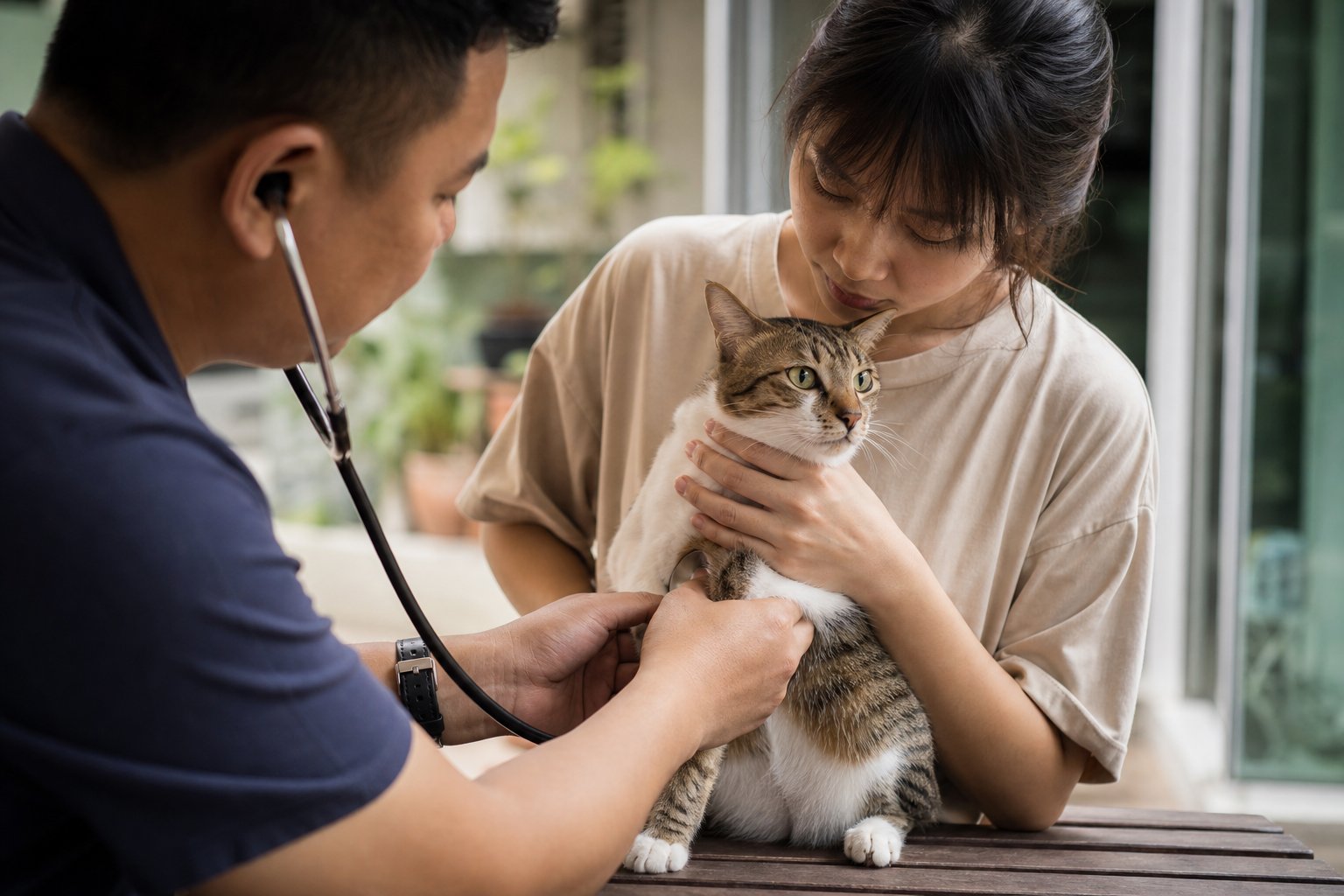
Senior cats need daily tooth brushing with pet-safe toothpaste, a professional dental check every 6–12 months, and food textures suited to their mouth comfort. Watch for drooling, bad breath, dropping food, or weight loss, and see a vet promptly if these appear. Dental disease is common in older cats and often painful, but it is manageable with consistent home care and veterinary support.
Why senior cat dental care matters more than you think
By the time a cat reaches senior status — often around 8–10 years and older — years of plaque and tartar buildup can lead to gingivitis, periodontitis, and tooth resorption. Cats are experts at hiding pain. A senior cat may keep eating even with sore gums, so owners often miss the problem until it is advanced.
Dental disease does not just affect the mouth. Chronic gum inflammation can make diabetes harder to control, and painful teeth can cause weight loss and poor grooming. In older cats, untreated dental pain can also contribute to lethargy and behavioural changes that owners mistake for "just ageing."
In Malaysia, many senior cats live indoors in apartments and terrace houses, which limits exposure to some outdoor risks but does not prevent dental disease. Diet, genetics, and home care matter more than lifestyle alone.
Recognising dental problems in older cats
Look for changes in eating and behaviour. Common signs include:
- Bad breath that persists despite brushing
- Drooling, sometimes with blood-tinged saliva
- Dropping food from the mouth or chewing on one side
- Pawing at the mouth or rubbing the face
- Reduced appetite or refusing hard food
- Weight loss despite normal appetite
- Swelling around the jaw or face
- Reluctance to be touched around the head
- Poor grooming or withdrawal
Some cats with severe dental disease show almost no obvious signs until they stop eating entirely. This is why regular vet checks are essential.
A simple home mouth check
Once a week, gently lift your cat's lip and look at the gums and teeth. Healthy gums are pink and firm; red, swollen, or bleeding gums are a warning sign. Check for brown tartar along the gumline, broken teeth, or loose teeth. Do not probe deeply or force your cat's mouth open — if your cat resists, stop and let your vet examine.
How to brush a senior cat's teeth safely
Brushing is the gold standard for home dental care, but senior cats may have sore mouths or missing teeth. Go slowly and stop if your cat shows pain.
Step-by-step brushing
- Choose the right tools. Use a soft cat toothbrush or a finger brush and pet-safe enzymatic toothpaste. Never use human toothpaste.
- Start with taste. Let your cat lick a small amount of toothpaste from your finger for a few days.
- Touch the mouth gently. Rub your finger along the gums and teeth without toothpaste.
- Introduce the brush. Brush one or two teeth at a time, focusing on the outer surfaces where tartar builds up.
- Build up gradually. Aim for daily brushing, but even two to three times a week helps.
- Reward and stop. End with praise or a treat. If your cat is painful, stop and book a vet visit.
Alternatives if brushing is not possible
Some senior cats will not tolerate brushing. Options include dental wipes, water additives, and dental gels, but these are less effective than brushing. Dental chews and toys can help, but choose products appropriate for your cat's size and dental health. Ask your vet before using any new product, especially if your cat has missing teeth or gum disease.
Diet and feeding for senior cat dental health
Food texture matters. Cats with healthy teeth and gums may benefit from dental dry food designed to mechanically scrub the teeth. Cats with missing teeth, gum pain, or tooth resorption may do better on soft or wet food.
| Food type | Pros | Cons | Best for |
|---|---|---|---|
| Dental dry food | Helps reduce plaque; convenient | May be painful if gums are sore; not all cats chew well | Cats with healthy mouths and no missing teeth |
| Regular dry food | Affordable; easy to store | Less dental benefit; can be hard for sore mouths | Cats with mild tartar and no pain |
| Wet food | Easy to chew; good hydration | Less mechanical cleaning; can stick to teeth | Cats with missing teeth, gum pain, or low appetite |
| Soft/mousse food | Very easy to eat | Minimal dental benefit | Cats recovering from dental surgery or with severe pain |
Always transition foods gradually and monitor your cat's weight. If your cat starts dropping food or eating less, book a vet check — do not assume it is just pickiness.
Professional dental care: what to expect
A professional dental check usually involves a general health assessment, an oral examination, and sometimes dental scaling under anaesthesia. Your vet may recommend pre-anaesthetic blood tests to check kidney and liver function, which is especially important for senior cats.
During the procedure, the vet will remove tartar, polish teeth, and check for problems such as fractured teeth, tooth resorption, or gum pockets. Extractions may be needed if teeth are damaged or infected. After dental work, your cat may need soft food and pain relief for a few days.
Ask your vet for an itemised estimate before treatment. Costs vary by clinic, city, and complexity, so it is wise to compare and budget. Do not delay treatment if your cat is in pain — untreated dental disease tends to worsen.
Creating a dental care routine for your senior cat
Consistency beats intensity. A simple routine works best:
- Daily: Brush teeth if tolerated, or use dental wipes.
- Weekly: Check the mouth and gums; weigh your cat.
- Monthly: Review food texture and chewing comfort.
- Every 6–12 months: Professional vet dental check.
Keep a simple log of your cat's weight, appetite, and mouth observations. This helps your vet spot trends. In multi-cat households, feed separately so you can monitor each cat's intake.
When to see a vet
Book a vet visit if you notice any of the following:
- Drooling or blood in saliva
- Bad breath that does not improve with brushing
- Dropping food, chewing on one side, or refusing hard food
- Weight loss or reduced appetite
- Swelling around the face or jaw
- Pawing at the mouth or rubbing the face
- Bleeding gums or loose teeth
- Sudden change in grooming or behaviour
If your cat stops eating entirely, seek veterinary care promptly. Senior cats can deteriorate quickly when they stop eating.
Malaysian context: practical considerations
In Kuala Lumpur apartments, senior cats often live entirely indoors, which makes routine home care easier to establish. Set up a quiet brushing spot away from other pets. In Johor terrace houses, cats may have access to enclosed outdoor areas; check for plants or objects they might chew on, and keep dental toys clean.
During the Penang rainy season, humidity can affect food storage. Keep dry food sealed and dry to prevent mould, and check that dental chews are stored properly. If your cat is older and less active, monitor weight more closely, as obesity can worsen inflammation.
Local prices for dental checks and procedures vary, so ask your vet for an estimate rather than relying on online figures. The same applies to dental products — availability differs between clinics and pet shops.
Frequently asked questions
How often should I brush my senior cat's teeth? Aim for daily brushing using a soft cat toothbrush and pet-safe enzymatic toothpaste. If your cat resists, start with once every two days and build up. Daily brushing is most effective at reducing plaque and gum inflammation.
What are the first signs of dental disease in older cats? Bad breath, drooling, dropping food, chewing on one side, pawing at the mouth, reduced appetite, and weight loss are common early signs. Some cats become withdrawn or stop grooming. Any of these warrants a vet check.
Can I use human toothpaste on my cat? No. Human toothpaste often contains fluoride, xylitol, or foaming agents that are toxic or irritating to cats. Always use pet-safe enzymatic toothpaste, which is available from veterinary clinics and pet retailers in Malaysia.
Is anaesthesia safe for senior cats during dental cleaning? Modern anaesthesia is generally safe for many senior cats when pre-anaesthetic blood tests and health checks are done. Your vet will assess kidney, liver, and heart function and adjust the protocol. Discuss risks and benefits with your vet.
What food helps senior cat dental health? Dry dental diets with larger kibble and special fibre texture can help scrub teeth, while soft or wet food is easier for cats with missing teeth or gum pain. Your vet can recommend a suitable consistency and brand based on your cat's mouth condition.
How much does a dental check-up cost in Malaysia? Costs vary widely by clinic, city, and procedure. A basic consultation and oral exam may be modest, while scaling and extractions cost more. Ask your local vet for an itemised estimate before treatment; prices are not standardised.
Vet disclaimer
This guide is for general information only and does not replace professional veterinary advice. Always consult a licensed veterinarian for diagnosis and treatment of your cat's dental health.
Related reading
- Senior Cat Care Guide Malaysia: 7+ Health Checks, Kidneys, Joints & Daily Care
- Senior Care Guide Malaysia: Caring for Your Older Pet
- Senior Cat Arthritis Care Guide: Helping Older Cats Move Better
- Senior Cat Grooming in Malaysia: A Practical Guide for Older Cats
- Senior Cat Care in Malaysia: Age Signs, Check-ups and Daily Home Adjustments
- Senior Cat Care in Malaysia: 10 Ageing Warning Signs and a Practical Daily Care Checklist
- Senior Cat Arthritis in Malaysia: Signs, Home Fixes and What Supplements Can Really Do
- Senior Cat Care Hub Malaysia: Kidney, Joints, Cognition, Diet and Check-Up Timetable for Cats Aged 7 and Above
- Senior Cat Checkup: A Complete Care Guide for Malaysian Cat Owners
- Senior Cat Cognitive Dysfunction in Malaysia: Night Yowling, Wandering and Accidents Explained



