
Understanding arthritis in senior cats
Arthritis, also called osteoarthritis or degenerative joint disease, is a common cause of pain and stiffness in older cats. It happens when the cartilage that cushions joints wears down, leading to inflammation and discomfort. Any joint can be affected, but the hips, knees, elbows and spine are frequent sites. In Malaysia, cats live increasingly indoors and often reach their senior years, so recognising arthritis is part of good senior care.
Cats are masters at hiding pain. A cat that once leapt onto high shelves may simply stop trying, and owners may mistake this for 'old age' rather than pain. Because cats are small and agile, even subtle changes matter. This guide explains what to look for, how vets manage arthritis, and what you can do at home in Malaysia's climate.
Why senior cats are prone to arthritis
Age-related wear and tear is the main factor, but it is not the only one. Previous injuries, obesity, and genetics can increase risk. Some cats develop arthritis after a fall or accident. In Malaysia, many cats live indoors, which reduces certain risks but can lead to weight gain if activity is limited. Senior cats may also have other conditions such as kidney disease or dental pain that affect their willingness to move. A thorough vet check helps separate arthritis from other problems.
Recognising the signs: it's not just 'slowing down'
Arthritis signs can be subtle and develop gradually. Watch for changes in behaviour and routine. Common signs include:
- Hesitating before jumping onto furniture or windowsills.
- Stiffness after resting, especially after a nap.
- Reluctance to use stairs or climb.
- Reduced grooming, leading to a scruffy coat or matting.
- Changes in litter box habits: missing the box, or crying while urinating.
- Irritability when picked up or touched on the back or legs.
- Spending more time lying down and less time playing.
- Muscle loss along the spine and hind legs.
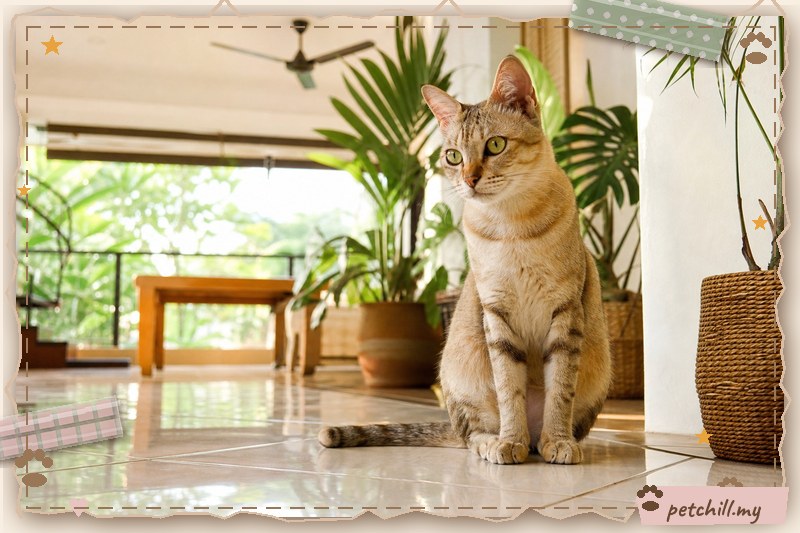
In Malaysia's hot climate, a cat may prefer cool tiled floors, which can worsen stiffness. If your cat suddenly avoids jumping, do not assume it is just lazy; pain is a common reason.
How vets diagnose arthritis
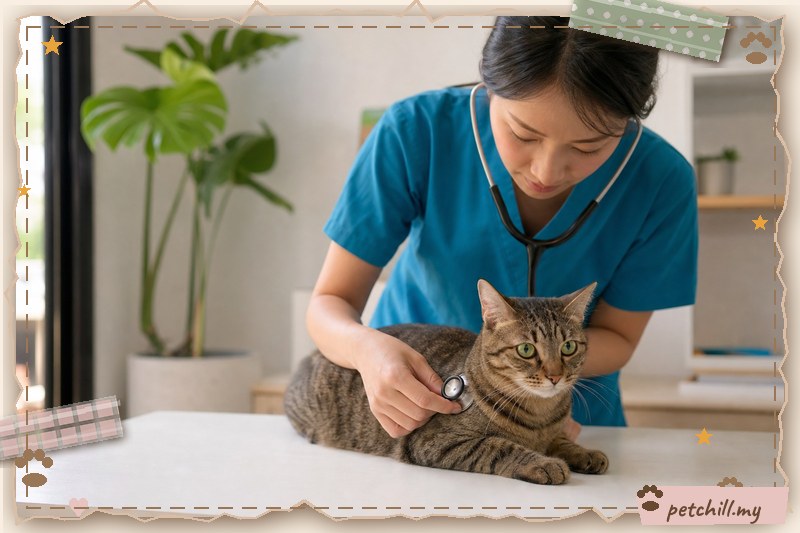
There is no single blood test for arthritis. Diagnosis relies on a combination of history, physical examination, and sometimes imaging. Your vet will watch your cat walk, feel joints for swelling or crepitus (grinding), and assess muscle mass. X-rays can show joint changes such as new bone formation or narrowed joint spaces. Blood tests may be done to check organ function before starting medications, especially non-steroidal anti-inflammatory drugs (NSAIDs). In some cases, a trial of pain relief can help confirm the diagnosis.
Treatment options for feline arthritis
Treatment aims to reduce pain, improve mobility, and slow progression. It often combines several approaches.
Pain relief
Veterinarians may prescribe NSAIDs formulated for cats, such as meloxicam, but only under veterinary supervision. Never give human painkillers like paracetamol or ibuprofen; they are toxic to cats. Other options include gabapentin for nerve pain or tramadol, but these are prescribed case by case. Always follow your vet's dosage and monitoring instructions.
Joint support
Glucosamine and chondroitin supplements are popular, though evidence in cats is limited. Some vets recommend omega-3 fatty acids from fish oil, which may help reduce inflammation. Always choose products formulated for pets and consult your vet before starting supplements.
Advanced therapies
For severe cases, vets may offer injectable treatments such as polysulfated glycosaminoglycans or stem cell therapy, but availability and suitability vary. These are not first-line options and should be discussed with your vet.
Weight management
If your cat is overweight, gradual weight loss reduces stress on joints. Your vet can calculate a target weight and recommend a suitable diet. Never starve a cat; rapid weight loss can cause serious liver problems.
Physical therapy
Gentle exercise, such as short play sessions with a wand toy, helps maintain muscle and joint flexibility. Hydrotherapy is rarely available for cats in Malaysia, but some clinics offer rehabilitation. Ask your vet for safe exercises.
Home adjustments for Malaysian homes
Malaysia's climate and housing styles present unique challenges. Many cats live in apartments or terrace houses with tiled floors, which can be slippery. Here are practical changes:
- Non-slip surfaces: Place yoga mats or rugs along common paths, especially on smooth tiles.
- Ramps and steps: Provide pet stairs or ramps to favourite resting spots like sofas or beds. This reduces jumping.
- Litter box access: Use a low-sided litter box and place it on each floor if you have a multi-storey home. Avoid covered boxes that require jumping in.
- Soft bedding: Provide orthopaedic foam beds in quiet, warm spots. In air-conditioned rooms, ensure bedding is away from direct drafts.
- Food and water: Raise bowls slightly so your cat does not strain its neck, but keep them stable.
- Cooling: In hot weather, ensure fresh water and cool resting areas. Heat can exacerbate discomfort; use fans or air conditioning moderately.
- Grooming: Help your cat with gentle brushing, especially in areas it cannot reach.
For cats in Kuala Lumpur apartments, vertical space is limited; consider window perches with ramps rather than high jumps. In Johor terrace houses, stairs are common; block access to stairs if your cat struggles, or add a ramp.
Diet and nutrition for joint health
A balanced diet supports overall health. For senior cats, look for diets with high-quality protein to maintain muscle mass. Some therapeutic diets include omega-3 fatty acids and glucosamine. Your vet can recommend a suitable commercial diet or home-cooked plan. Avoid giving too many treats, which can lead to weight gain. In Malaysia, many cats are fed a mix of dry and wet food; ensure fresh water is always available, especially if your cat has kidney issues.
Exercise and enrichment
Gentle, regular exercise is key. Short, frequent play sessions are better than long, intense ones. Use toys that encourage stretching and slow movement, like a wand toy dragged along the floor. Food puzzles can provide mental stimulation without requiring jumping. Avoid encouraging leaps from high places. If your cat is reluctant to move, start with passive range-of-motion exercises as advised by your vet.
Monitoring progress and quality of life
Keep a simple diary of your cat's mobility, appetite, and litter box habits. Note any changes in behaviour. Your vet may use a mobility questionnaire to track progress. Quality of life matters: if your cat still enjoys eating, grooming, and interacting, that is a good sign. If pain seems poorly controlled, discuss adjustments with your vet.
When to see a vet
See a vet if you notice any of the following:
- Limping or favouring a leg.
- Reluctance to move or jump.
- Crying out when touched or moved.
- Changes in appetite or weight.
- Urinating or defecating outside the litter box.
- Sudden inability to use back legs.
- Any sign of pain, such as panting or hiding.
Early intervention can make a big difference. Do not wait for your cat to become completely immobile.
Comparison of treatment approaches
| Approach | Examples | Pros | Cons |
|---|---|---|---|
| Pain relief | NSAIDs, gabapentin | Effective for pain | Requires vet prescription and monitoring |
| Joint supplements | Glucosamine, omega-3 | May support joint health | Limited evidence, cost |
| Weight management | Vet-supervised diet | Reduces joint stress | Requires commitment |
| Home modifications | Ramps, soft bedding | Low cost, easy | Needs owner effort |
| Physical therapy | Gentle exercise | Maintains mobility | Requires time and patience |
Frequently asked questions
What are the first signs of arthritis in senior cats? Early signs include hesitating before jumping, stiffness after rest, reduced grooming, and avoiding stairs. Your cat may also become irritable when touched or start urinating outside the litter box because the box is hard to enter.
Can I give my cat human painkillers for arthritis? Never give human painkillers such as paracetamol or ibuprofen to cats; they are toxic and can be fatal. Only use medications prescribed by a veterinarian after examination, and follow the dosage exactly.
How is arthritis diagnosed in cats? Diagnosis is based on history, physical examination, and observation of gait and mobility. Vets may use X-rays to assess joint changes, and blood tests to rule out other conditions before starting treatment.
What home changes help a cat with arthritis in Malaysia? Provide ramps or steps to favourite spots, soft bedding in quiet areas, easy-access litter boxes with low sides, and keep the environment cool. Non-slip mats on slippery floors and raised food bowls also reduce strain.
Is weight loss important for arthritic cats? Yes. Excess weight increases stress on joints. Gradual, vet-supervised weight loss can reduce pain and improve mobility. Never put a cat on a crash diet; ask your vet for a safe plan.
When should I see a vet for my senior cat's arthritis? See a vet if you notice limping, reluctance to move, changes in appetite or litter habits, or if your cat seems painful. Early treatment can slow progression and improve quality of life.
Vet disclaimer
This article provides general information and is not a substitute for veterinary advice. Always consult a licensed veterinarian for diagnosis and treatment of your cat's condition.
Related reading
- Senior Care Guide Malaysia: Caring for Your Older Pet
- Senior Cat Care Guide Malaysia: 7+ Health Checks, Kidneys, Joints & Daily Care
- Senior Cat Dental Care in Malaysia: A Practical Guide for Older Cats
- Senior Cat Diet for Senior Cats: A Care Guide for Malaysian Owners
- Senior Cat Arthritis Care Guide: Helping Older Cats Move Better
- Senior Cat Checkup in Malaysia: A Practical Guide for Older Cats
- Senior Cat Checkups in Malaysia: Start at Age 7, Plus What Every Blood Panel Should Cover
- Senior Cat Cognitive Dysfunction in Malaysia: Night Yowling, Wandering and Accidents Explained
- Senior Cat Grooming in Malaysia: A Practical Guide for Older Cats



