
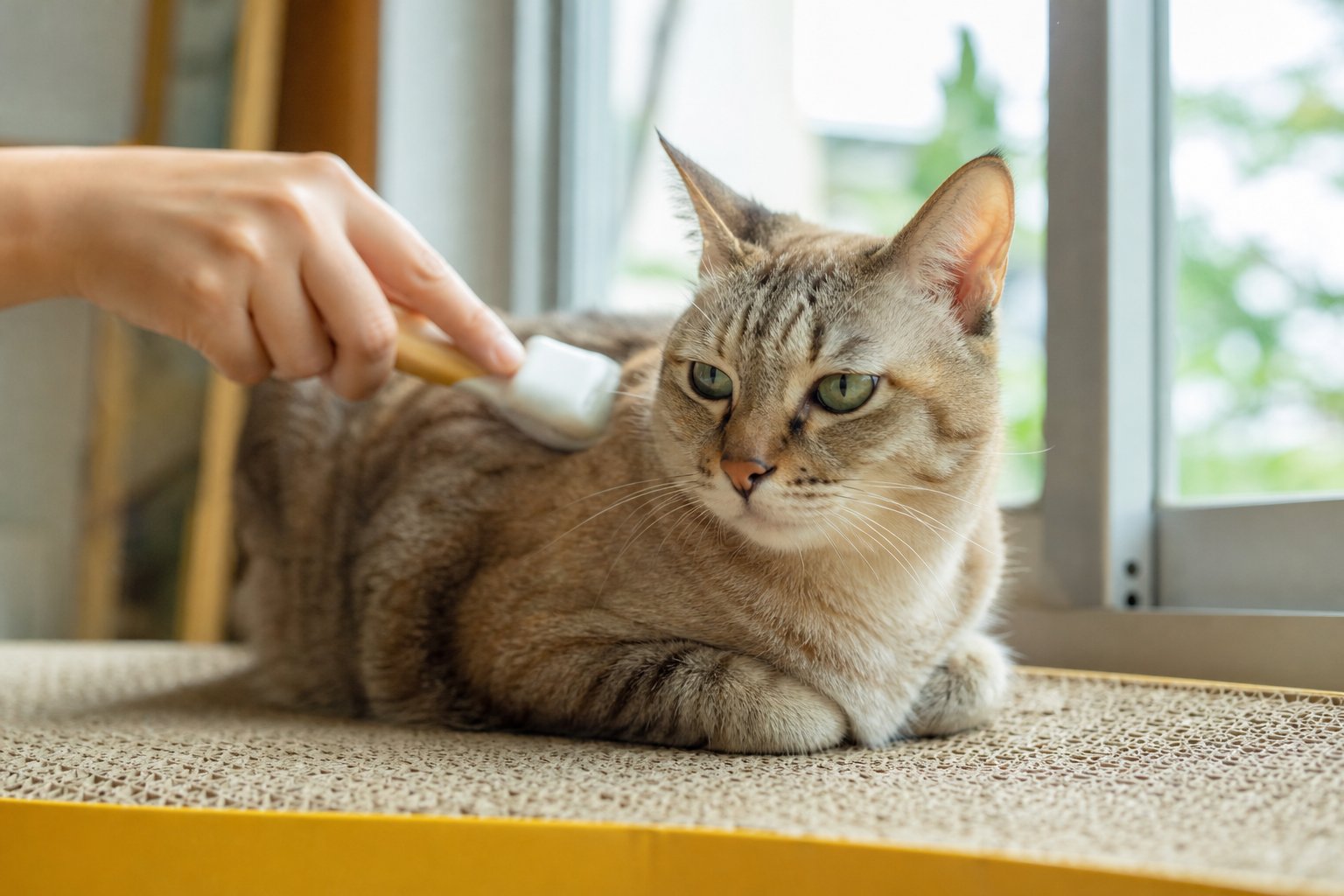
Why senior cat grooming matters
As cats age, they often find it harder to keep themselves clean. Arthritis, dental pain, weight changes, and reduced flexibility can make grooming uncomfortable or exhausting. Without help, your senior cat may develop matted fur, overgrown nails, skin infections, or dental problems. Regular gentle grooming is not just about looks—it is an important part of senior cat care that helps you spot health issues early and keeps your cat comfortable.
This guide explains how to groom your senior cat safely at home, what to check and how often, and when to seek professional help. It is written for Malaysian cat owners living in apartments, terrace houses, or landed properties, where humidity and heat can affect skin and coat health.
Understanding your senior cat's changing needs
Cats are considered senior from around 11 years old, though individual needs vary. Age-related changes that affect grooming include:
- Arthritis and stiffness: Pain in joints can make twisting to groom the back or tail difficult.
- Dental disease: Painful gums or missing teeth can make grooming uncomfortable and reduce self-grooming.
- Weight changes: Obesity makes reaching certain areas hard; weight loss may indicate underlying illness.
- Reduced vision or hearing: Startling easily can make grooming sessions stressful.
- Cognitive changes: Confusion or anxiety may make your cat less tolerant of handling.
- Skin and coat changes: Older skin is thinner and more prone to dryness, while coats may become thinner or greasier.
Understanding these changes helps you adapt your grooming routine and avoid causing pain or stress.
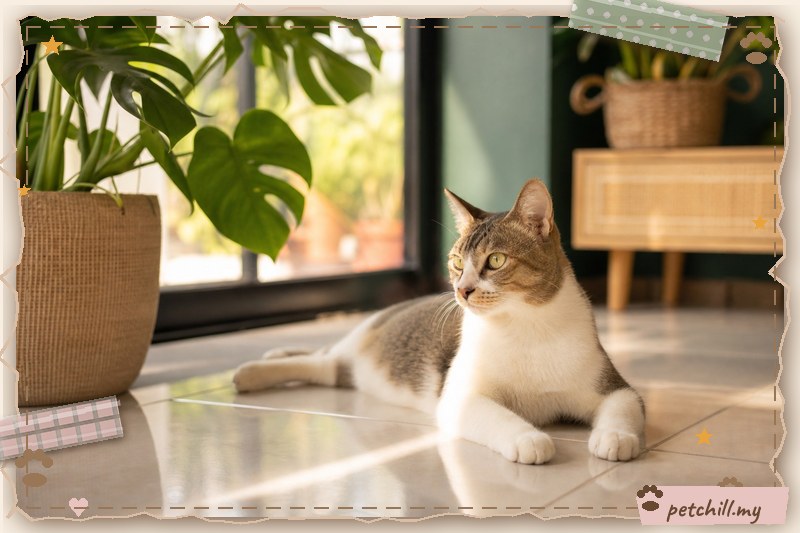
Setting up a calm grooming routine
Senior cats thrive on routine. Choose a quiet time when your cat is relaxed, and keep sessions short—5 to 10 minutes is often enough. Use a non-slip mat or towel on a stable surface, and ensure the room is warm and free of drafts. Speak softly and offer treats or gentle praise.
Checklist for a calm session:
- Gather all tools before you start.
- Use a soft brush or grooming glove.
- Have treats ready for rewards.
- Work in a well-lit area.
- Stop if your cat shows signs of pain or stress.
If your cat is anxious, try gradual desensitisation: start by simply touching the brush to your cat for a few seconds, then reward. Over several days, increase the time gradually.
Coat care: brushing and dealing with mats
Choosing the right brush
For short-haired senior cats, a soft rubber curry brush or a fine-toothed comb works well. For long-haired cats, use a slicker brush followed by a metal comb to check for tangles. Avoid harsh tools that can scratch thin older skin.
How often to brush
- Short-haired cats: 2–3 times a week.
- Long-haired cats: Daily, or at least every other day.
- Cats with arthritis or obesity: More frequent gentle sessions may be needed, especially around the hindquarters and belly.
Step-by-step brushing
- Start at the head and work backwards, using gentle strokes in the direction of hair growth.
- Pay attention to areas your cat cannot reach: lower back, tail base, belly, and behind the legs.
- Check for lumps, scabs, redness, or parasites as you brush.
- If you find a small mat, try to tease it apart with your fingers or a comb. Do not pull hard.
- For larger mats, do not cut them with scissors—skin can easily be nicked. Ask your vet or a professional groomer for help.
Managing mats and tangles
Mats are common in senior cats that groom less effectively. Never bathe a matted cat—water can tighten mats. Instead, keep the coat dry and gently work on small tangles. If mats are widespread or tight to the skin, seek professional help. In severe cases, a vet may need to shave the coat under sedation for the cat's comfort.
Bathing
Most cats do not need frequent baths. Bathe only if your cat is soiled, has a skin condition, or your vet advises. Use a cat-safe shampoo, warm water, and dry thoroughly with a towel. Keep the room warm and avoid drafts. Never bathe a cat with mats or open sores without veterinary advice.
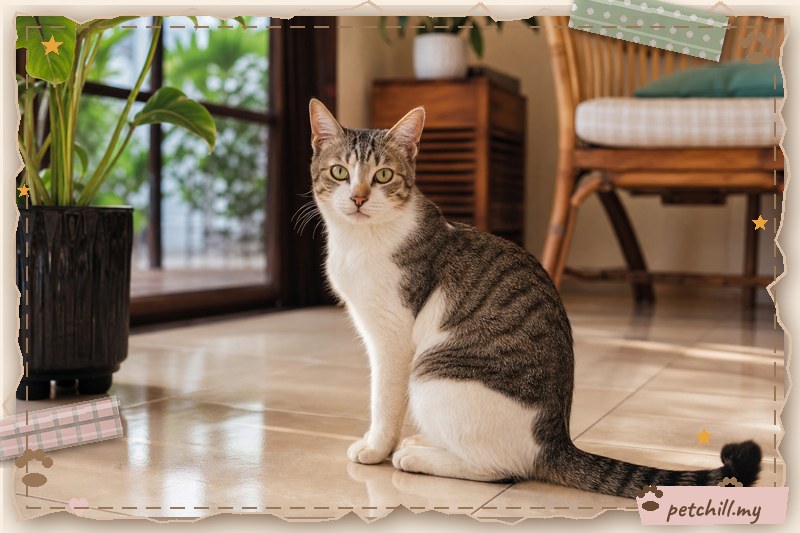
Nail care for senior cats
Senior cats may not wear down their nails as much, especially if they sleep more or have arthritis. Overgrown nails can curl into the paw pads, causing pain and infection.
How often to trim
Check nails every 2–4 weeks. If you hear clicking on the floor, it's time for a trim.
Safe trimming steps
- Hold your cat gently and press the paw pad to extend the nail.
- Use sharp cat nail clippers.
- Trim only the clear tip, avoiding the pink quick (blood supply).
- If you are unsure, trim tiny amounts or ask your vet to demonstrate.
- Reward your cat after each paw.
If your cat has dark nails, it can be hard to see the quick. In that case, trim very small tips or ask your vet for help.
When to seek help
If nails are severely overgrown, ingrown, or your cat resists handling, see your vet or a groomer. Never force the issue—stress can harm your cat's health.
Ear cleaning and checks
Check your cat's ears weekly for redness, discharge, odour, or excessive scratching. Clean only the visible part of the ear with a cotton ball dampened with a vet-approved ear cleaner. Do not insert cotton buds into the ear canal.
If you notice dark debris (possible ear mites), discharge, or your cat seems painful, see your vet. Ear problems are common in humid climates, so keep ears dry after bathing.
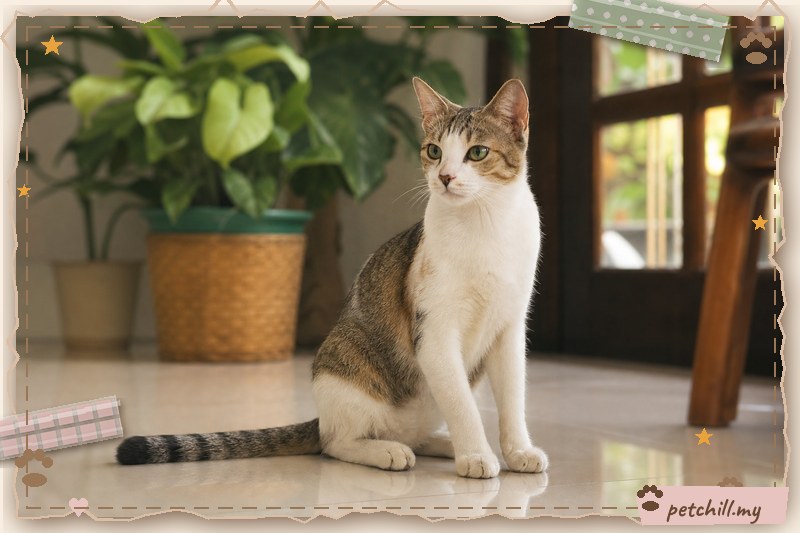
Dental care for senior cats
Dental disease is very common in older cats and can affect grooming and eating. Check your cat's mouth weekly: look for red gums, tartar, bad breath, drooling, or missing teeth. Brush your cat's teeth with cat-safe toothpaste several times a week if possible. Never use human toothpaste.
Dental chews and water additives can help but are not a substitute for brushing or professional checks. If your cat shows signs of dental pain, such as dropping food or chewing on one side, see your vet.
Eye and face care
Senior cats may develop watery eyes or discharge. Gently wipe away discharge with a soft, damp cloth, using a separate area of the cloth for each eye. If discharge is persistent, coloured, or accompanied by squinting, see your vet.
Flat-faced breeds may need more frequent face cleaning. Check skin folds for redness or infection.
Skin checks and parasite control
While grooming, run your hands over your cat's body to check for lumps, bumps, scabs, or parasites. Senior cats are more prone to skin tumours, so report any new lump to your vet.
In Malaysia's warm, humid climate, fleas and ticks can be a year-round problem. Use vet-recommended parasite prevention and check for signs of fleas (itching, flea dirt) or ticks. Never use dog products on cats—some are toxic.
Managing grooming if your cat has arthritis
Arthritis can make grooming painful. Here are practical adjustments:
- Use a soft, lightweight brush.
- Support your cat's body with towels or cushions.
- Groom in short sessions, focusing on one area at a time.
- Use a warm room and avoid cold drafts.
- Ask your vet about pain relief or joint supplements.
- Consider professional grooming if home care is difficult.
Grooming and your cat's environment
Malaysian homes can be humid, which affects coat and skin health. Ensure your cat has access to cool, shaded areas and fresh water. Regular grooming helps distribute natural oils and removes loose fur, reducing hairballs. If your cat lives in an apartment, set up a comfortable grooming spot away from noise.
When to see a vet
Seek veterinary advice if you notice any of the following during grooming:
- Lumps, sores, or wounds that do not heal.
- Sudden matting or inability to groom.
- Weight loss or loss of appetite.
- Bad breath, drooling, or bleeding gums.
- Overgrown or ingrown nails.
- Ear discharge, head shaking, or scratching.
- Eye discharge or squinting.
- Signs of pain when touched.
- Parasites that persist despite treatment.
Your vet can also advise on professional grooming, sedation for severe matting, and pain management.
Comparison table: grooming tasks and frequency
| Task | Frequency | Tips |
|---|---|---|
| Brushing (short hair) | 2–3 times a week | Use soft brush; check for lumps |
| Brushing (long hair) | Daily | Use slicker brush and comb |
| Nail trimming | Every 2–4 weeks | Trim clear tip only |
| Ear check | Weekly | Clean visible part only |
| Dental check | Weekly | Brush with cat toothpaste |
| Full body check | Weekly | Feel for lumps and parasites |
| Bathing | Only as needed | Use cat-safe shampoo; dry well |
Frequently asked questions
How often should I groom my senior cat? Brush 2–3 times a week for short-haired cats and daily for long-haired cats. Trim nails every 2–4 weeks, check ears weekly, and brush teeth several times a week if tolerated. Adjust based on your cat's health and comfort.
Can I bathe my senior cat? Only if necessary and your cat is healthy. Use a cat-safe shampoo, warm water, and dry thoroughly. Bathe in a warm room and avoid chilling. Consult your vet first if your cat has arthritis, heart, or skin conditions.
What if my senior cat hates being brushed? Start with short sessions using a soft brush or grooming glove, and reward with treats. Try when your cat is relaxed. If stress persists, ask your vet about professional grooming or alternative tools like deshedding mitts.
How do I trim my senior cat's nails safely? Use sharp cat nail clippers and trim only the clear tip, avoiding the pink quick. If unsure, ask your vet or a groomer to show you. Trim small amounts frequently rather than long lengths at once.
Are dental chews enough for my senior cat's teeth? No. Dental chews may help but are not a substitute for brushing or professional checks. Brush with cat-safe toothpaste and have your vet examine your cat's mouth regularly, especially if you notice bad breath or drooling.
When should I see a vet about grooming issues? See a vet if you find lumps, sores, parasites, sudden matting, weight loss, or if your cat shows pain or resistance during grooming. Also seek help if your cat cannot groom itself or has bad breath or bleeding gums.
Vet disclaimer
This article provides general information and is not a substitute for professional veterinary advice. Always consult a licensed veterinarian for diagnosis and treatment of your cat's health conditions. Grooming techniques should be adapted to your cat's individual needs, and professional help should be sought if you are unsure or if your cat shows signs of pain or illness.
Related reading
- Senior Care Guide Malaysia: Caring for Your Older Pet
- Senior Cat Care Guide Malaysia: 7+ Health Checks, Kidneys, Joints & Daily Care
- Senior Cat Checkup: A Complete Care Guide for Malaysian Cat Owners
- Senior Cat Care in Malaysia: Age Signs, Check-ups and Daily Home Adjustments
- Senior Cat Arthritis Care Guide: Helping Older Cats Move Better
- Senior Cat Care in Malaysia: 10 Ageing Warning Signs and a Practical Daily Care Checklist
- Senior Cat Arthritis in Malaysia: Signs, Home Fixes and What Supplements Can Really Do
- Senior Cat Care Hub Malaysia: Kidney, Joints, Cognition, Diet and Check-Up Timetable for Cats Aged 7 and Above
- Senior Cat Care in Malaysia: Daily Routine and Home Checklist from Age 7
- Senior Cat Cognitive Dysfunction in Malaysia: Why Your Old Cat Yowls at Night, Wanders and Misses the Litter Box
- Senior Cat Cognitive Dysfunction in Malaysia: Night Yowling, Wandering and Accidents Explained



