
What changes as your pet ages?
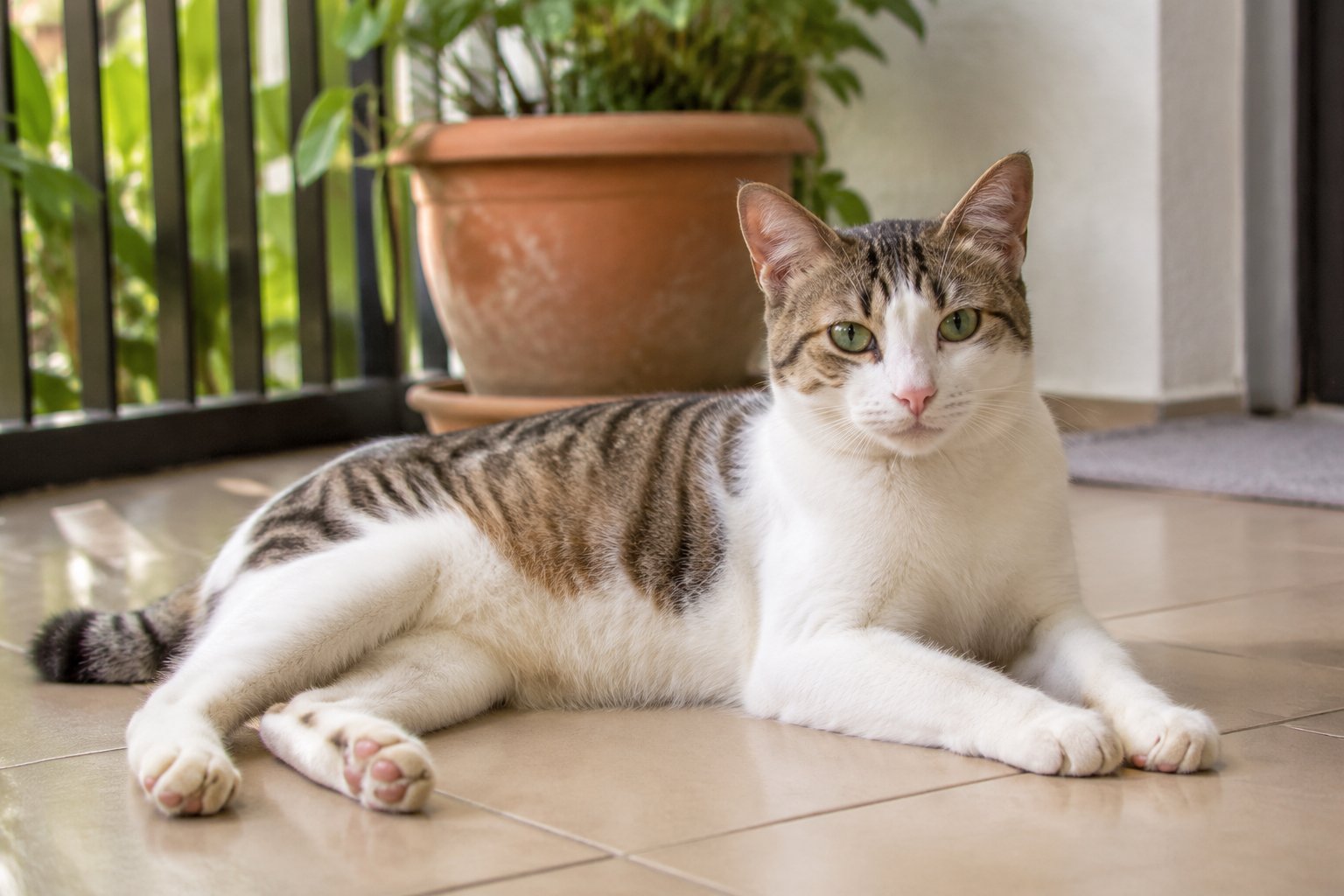
Ageing is gradual, but the effects add up. Senior dogs and cats often show changes in body, behaviour and daily routines. Knowing what is normal—and what is not—helps you act early.
Common age-related changes include:
- Senses: vision and hearing may decline; your pet may startle easily or ignore calls.
- Joints: arthritis causes stiffness, reluctance to jump, or slow walks. Cats may stop jumping onto high surfaces.
- Metabolism: weight gain or loss, reduced muscle mass, and changes in appetite.
- Dental health: tartar, gum disease, bad breath, and tooth loss are common.
- Organ function: kidneys, liver, heart and thyroid can become less efficient.
- Cognition: some pets develop confusion, altered sleep-wake cycles, or house soiling.
In Malaysia, the warm, humid climate adds specific concerns. Heat stress can affect older pets more quickly, and tick-borne diseases such as ehrlichiosis and babesiosis are a year-round risk. Regular tick prevention and prompt vet attention for lethargy or fever are essential.
When is a pet considered senior?
Ageing varies by species and size. Use this table as a general guide, but remember that individual health matters more than a number.
| Pet type | Approximate senior age | Notes |
|---|---|---|
| Large dogs (e.g., German Shepherd, Golden Retriever) | 6–7 years | Age faster; joint and heart issues more common |
| Medium dogs (e.g., Beagle, Cocker Spaniel) | 7–8 years | Watch weight and dental health |
| Small dogs (e.g., Shih Tzu, Poodle) | 8–10 years | Often live longer; dental disease common |
| Cats | 10–12 years | Kidney disease and hyperthyroidism are common in seniors |
Some pets show signs of ageing earlier due to genetics, diet or previous illness. If your pet is slowing down, it is worth a vet check even if they are not yet "senior" by the calendar.
Nutrition for senior pets
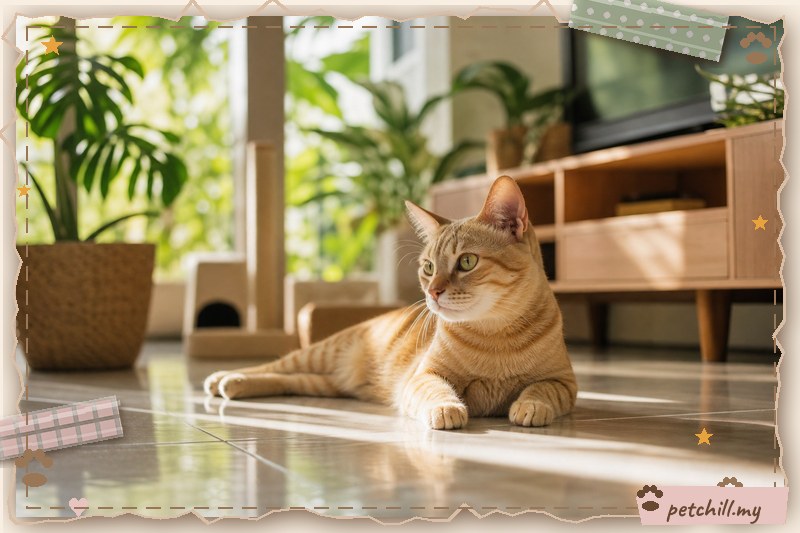
Older pets have different nutritional needs. Their metabolism may slow, they may lose muscle, and they may have conditions like kidney disease or arthritis that require specific diets.
Key principles:
- **Choose the right diet:** Senior formulas are available, but a vet may recommend a prescription diet if your pet has a health condition. For example, kidney diets for cats with chronic kidney disease, or joint-support diets for arthritis.
- Manage weight: Obesity worsens arthritis and heart strain. Measure portions and reduce treats. Your vet can help you assess body condition score.
- Ensure hydration: Cats especially need encouragement to drink. Provide multiple water bowls, a pet fountain, or add water to wet food. In Malaysia's heat, dehydration is a real risk.
- Feed smaller, more frequent meals if your pet has digestive issues or eats too quickly.
- Avoid sudden changes: Transition to a new food gradually over 7–10 days.
- Dental care: Soft food may help if teeth are bad, but dental checks and cleaning are important. Bad teeth can lead to systemic infection.
Always consult your vet before starting supplements. Glucosamine and omega-3 fatty acids are popular for joint health, but quality and dosage vary.
Exercise and mental stimulation
Senior pets still need exercise, but intensity and duration should match their ability. Gentle, regular activity helps maintain muscle, joint mobility and mental health.
For dogs:
- Shorten walks and avoid rough terrain. Two or three shorter walks may suit better than one long one.
- Avoid peak heat: walk early morning or evening. Test pavement with your hand—if it's too hot for you, it's too hot for paws.
- Swimming is excellent low-impact exercise if your dog enjoys water and you have a safe spot.
- Mental games—puzzle toys, scent work, gentle training—keep the brain active.
For cats:
- Encourage gentle play with wand toys, but don't force jumping if they seem stiff.
- Provide low-sided litter boxes so they don't have to climb in.
- Place food and water within easy reach; arthritic cats may struggle with stairs.
- Scratching posts and perches should be stable and easy to access.
Warning signs during exercise: excessive panting, lagging behind, limping, or reluctance to move. Stop and rest, and mention it to your vet.
Creating a senior-friendly home
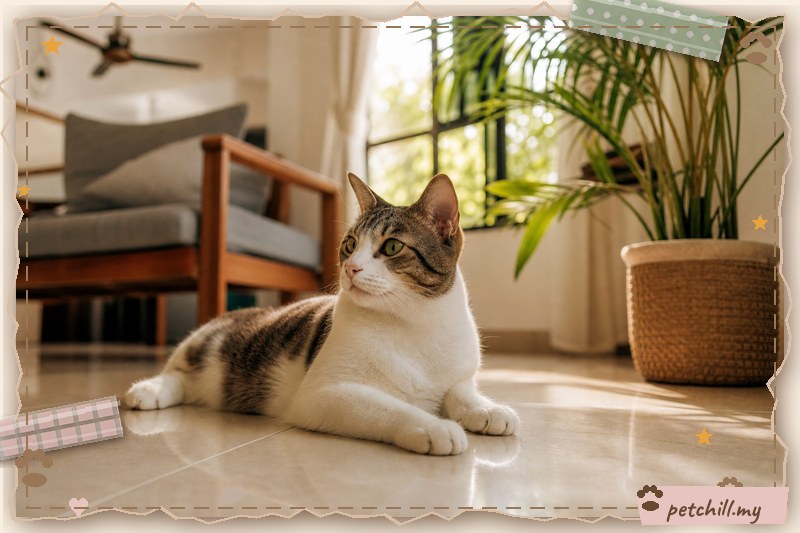
Small adjustments make a big difference. In Malaysian homes—whether an apartment in Kuala Lumpur or a terrace house in Johor—you can adapt the environment to reduce strain.
Checklist:
- Non-slip flooring: Tiles can be slippery. Use rugs or mats on smooth surfaces, especially near food bowls and sleeping areas.
- Ramps or steps: Help pets onto sofas or into cars. Avoid high jumps.
- Orthopaedic bedding: Supportive foam beds ease pressure on joints. Place in a quiet, draught-free spot.
- Easy access to essentials: Keep food, water and litter trays on the same floor. For cats, use low-sided trays.
- Cooling: Provide shade, fans or air-conditioning. Senior pets are more prone to heat stress. Never leave them in a car.
- Grooming: Older pets may groom less effectively. Brush regularly, check for mats, and clean eyes and ears gently.
- Safety: Block off stairs if your pet is unsteady, and supervise outdoor time. Ensure gates are secure.
Health checks and preventive care
Senior pets benefit from more frequent veterinary attention. A typical senior check-up may include:
- Physical examination (weight, teeth, eyes, ears, heart, lungs, abdomen, joints)
- Blood tests (complete blood count, biochemistry profile, thyroid)
- Urine tests
- Blood pressure measurement
- Parasite prevention review
How often? Healthy seniors: every 6–12 months. Pets with chronic conditions: as often as your vet advises, sometimes every 3 months.
Vaccinations and parasite control should continue based on risk. Your vet will tailor the schedule. In Malaysia, heartworm prevention and tick control are important year-round.
Dental care: Dental disease is common and painful. Regular checks and professional cleaning under anaesthesia may be needed. Senior pets can undergo anaesthesia safely with proper pre-anaesthetic screening.
Common health issues in senior pets
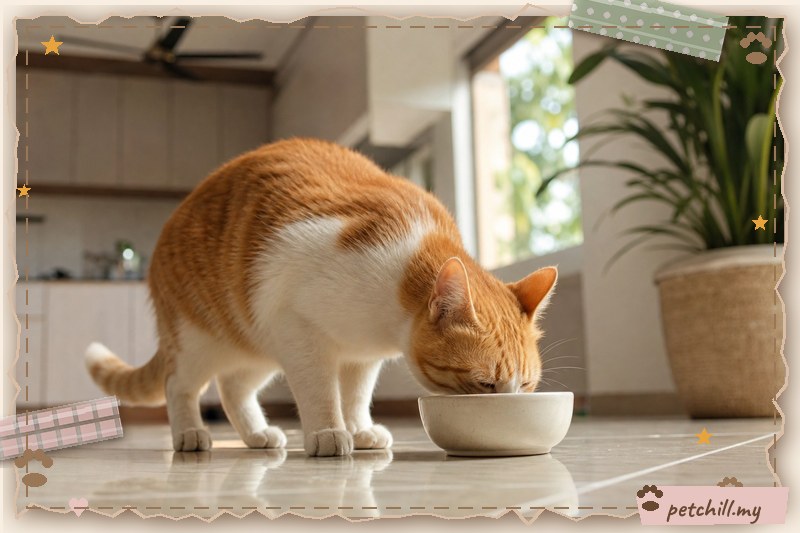
Some conditions are more common with age. Early detection improves outcomes.
Dogs:
- Arthritis and degenerative joint disease
- Dental disease
- Heart disease (e.g., mitral valve disease)
- Kidney disease
- Cancer
- Cognitive dysfunction
- Endocrine disorders (e.g., Cushing's disease, hypothyroidism)
Cats:
- Chronic kidney disease
- Hyperthyroidism
- Diabetes mellitus
- Arthritis
- Dental disease
- Cancer (e.g., lymphoma)
- Cognitive dysfunction
In Malaysia, also watch for:
- Tick-borne diseases (ehrlichiosis, babesiosis, anaplasmosis)
- Heat stress
- Skin infections due to humidity
Behavioural changes and cognitive decline
Senior pets can develop cognitive dysfunction syndrome (CDS), similar to dementia in humans. Signs include:
- Disorientation (staring at walls, getting stuck in corners)
- Altered sleep-wake cycles (restless at night, sleeping more during day)
- House soiling in previously trained pets
- Reduced interaction or increased irritability
- Anxiety or new fears
If you notice these, see your vet to rule out medical causes (pain, thyroid, kidney). There is no cure for CDS, but management includes routine, mental stimulation, and sometimes medication or supplements. Keep furniture layout stable and provide night lights.
Pain management and comfort
Older pets often hide pain. Watch for subtle signs: reluctance to move, changes in posture, decreased grooming, or irritability. Pain management may include:
- Non-steroidal anti-inflammatory drugs (NSAIDs) prescribed by your vet—never give human painkillers, which can be toxic.
- Joint supplements (glucosamine, chondroitin, omega-3)
- Physical therapy, massage, or acupuncture (ask your vet for referral)
- Weight management to reduce joint load
- Comfortable bedding and assistive devices
When to see a vet
Seek veterinary advice if you notice any of the following:
- Loss of appetite or weight loss
- Increased thirst or urination
- Vomiting or diarrhoea lasting more than 24 hours
- Difficulty breathing or coughing
- Limping or reluctance to move
- Confusion, seizures, or sudden behaviour change
- Bad breath or drooling (dental pain)
- Any new lump or bump
- Heat stress signs: heavy panting, drooling, weakness, collapse
In Malaysia, if your pet has a tick infestation or shows fever, lethargy, or pale gums, see a vet promptly—tick-borne diseases can be serious.
End-of-life care and quality of life
As pets age, you may need to consider end-of-life decisions. This is never easy. Focus on quality of life: is your pet eating, drinking, moving, and showing interest in family life? Tools like quality-of-life scales can help. Discuss options with your vet, including palliative care and euthanasia. Grief support is available; don't hesitate to seek it.
Conclusion
Senior care is about proactive management and compassion. With regular vet visits, a suitable diet, gentle exercise, and a safe home, you can help your older pet enjoy a comfortable life. In Malaysia's climate, pay extra attention to heat and parasites. Every pet ages differently—observe your companion closely and work with your vet to tailor care.
Disclaimer: This article provides general information only and is not a substitute for professional veterinary advice. Always consult a licensed veterinarian for diagnosis and treatment.
Related reading
- Senior Cat Arthritis in Malaysia: A Practical Guide for Senior Cats
- Senior Cat Checkup in Malaysia: A Practical Guide for Older Cats
- Senior Cat Dental Care in Malaysia: A Practical Guide for Older Cats
- Senior Cat Grooming in Malaysia: A Practical Guide for Older Cats
- Senior Cat Arthritis Care Guide: Helping Older Cats Move Better
- Senior Cat Checkup: A Complete Care Guide for Malaysian Cat Owners