Why senior cat dental care matters in Malaysia
As cats age, their dental health often declines. By the time a cat is a senior (generally 8 years and older), accumulated plaque and tartar can lead to gingivitis, periodontitis, and tooth resorption—a painful condition where the tooth structure breaks down. In Malaysia's warm, humid climate, these issues can be exacerbated by factors like indoor air conditioning and diet, but the core principles of dental care remain the same.
Dental disease doesn't just affect the mouth. Bacteria from infected gums can enter the bloodstream and potentially impact the heart, kidneys, and liver. For senior cats, who may already have age-related health issues, maintaining oral health is a crucial part of overall wellness.
This guide provides practical, Malaysia-specific advice for caring for your senior cat's teeth, from home routines to veterinary visits.
Understanding common dental problems in senior cats
Senior cats are prone to several dental issues. Knowing what to look for can help you catch problems early.
Periodontal disease
Periodontal disease is the most common dental condition in cats. It starts with plaque—a sticky film of bacteria—that hardens into tartar. This irritates the gums (gingivitis) and can progress to periodontitis, where the structures supporting the tooth are destroyed. Signs include bad breath, red or swollen gums, and eventually loose teeth.
Tooth resorption
Tooth resorption (formerly called feline odontoclastic resorptive lesions) is a painful condition where the tooth is gradually broken down and replaced by bone-like tissue. It often affects the tooth below the gumline and can be difficult to spot without dental X-rays. Cats may show signs like drooling, difficulty eating, or pawing at the mouth.
Stomatitis
Stomatitis is a severe inflammation of the mouth, often involving the gums, tongue, and back of the throat. It can be extremely painful and may require extensive treatment, including tooth extractions in severe cases.
Oral tumors
Older cats are at higher risk for oral tumors, which can be benign or malignant. Regular veterinary check-ups can help detect lumps or masses early.
Recognising signs of dental problems in senior cats
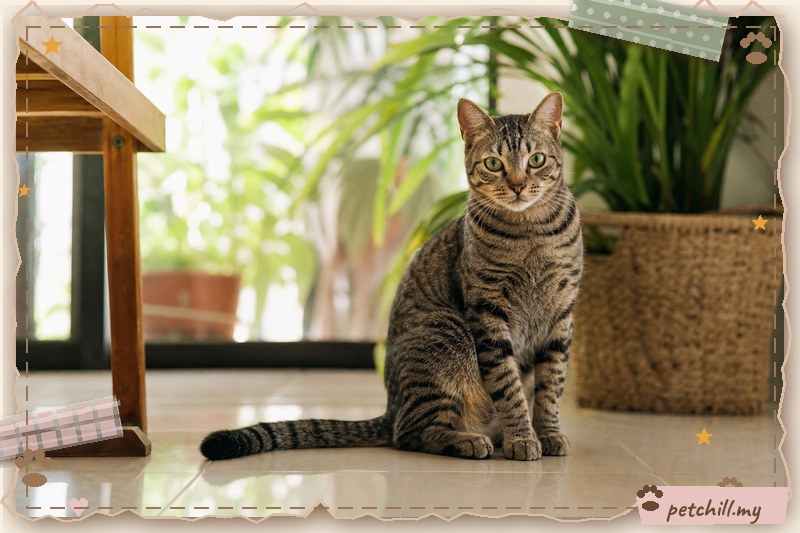
Cats are experts at hiding pain. By the time obvious signs appear, dental disease may be advanced. Watch for these subtle indicators:
- Bad breath (halitosis) – one of the earliest signs.
- Drooling or excessive salivation.
- Difficulty eating – dropping food, chewing on one side, or preferring soft food.
- Weight loss or reduced appetite.
- Pawing at the mouth or rubbing the face.
- Swelling around the mouth or under the eyes.
- Behaviour changes – irritability, withdrawal, or reluctance to be touched around the head.
If you notice any of these, schedule a vet visit promptly.
Home dental care for senior cats
Daily brushing is the gold standard for preventing dental disease. However, senior cats may have sensitive mouths or existing dental pain, so start gently and consult your vet first.
How to brush your cat's teeth
- Gather supplies: soft pet toothbrush (or finger brush), pet-safe enzymatic toothpaste (e.g., CET, Virbac), and treats for positive reinforcement.
- Start slow: let your cat taste the toothpaste. Reward with praise or a treat.
- Introduce the brush: let your cat sniff it, then gently rub it along the gums without toothpaste.
- Brush gradually: apply toothpaste and brush a few teeth at a time, focusing on the outer surfaces where plaque accumulates most.
- Be consistent: aim for daily brushing, but even a few times a week helps.
Never use human toothpaste—it contains fluoride and detergents that are toxic to cats.
Alternatives to brushing
If your cat resists brushing, consider these adjuncts (but note they are not as effective as brushing):
- Dental wipes: textured wipes that you rub over the teeth.
- Dental gels: applied to the gums; some contain chlorhexidine or enzymes.
- Dental chews: look for products with the VOHC seal, and choose sizes appropriate for cats. Always supervise to prevent choking.
- Water additives: some products claim to reduce plaque; efficacy varies.
Always introduce new products gradually and monitor for any adverse reactions.
Diet and dental health
Some studies suggest that certain dental diets (e.g., Hill's t/d, Royal Canin Dental) can help reduce plaque and tartar through mechanical action. However, senior cats may have specific nutritional needs, so consult your vet before changing their diet. Soft food is not inherently bad for teeth, but it doesn't provide the abrasive cleaning action of dry food. The key is regular brushing and professional cleanings.
Professional dental care: what to expect at the vet
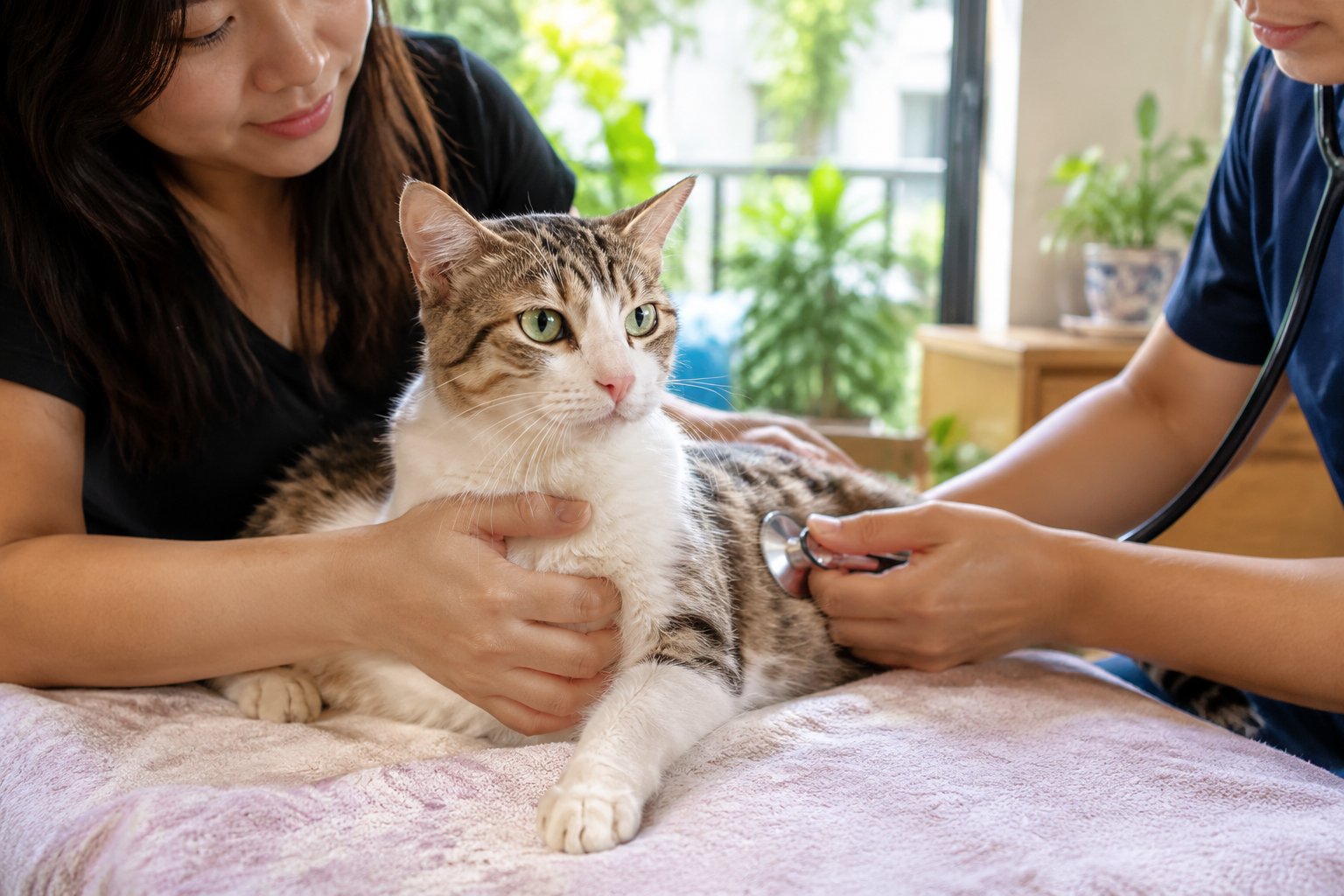
Regular veterinary dental check-ups are essential for senior cats. Your vet will examine your cat's mouth, possibly under sedation if the cat is difficult to examine awake. They may recommend a professional dental cleaning (prophylaxis) under general anaesthesia.
Pre-anaesthetic screening
Before anaesthesia, your vet will perform a thorough physical exam and may recommend blood tests (complete blood count, biochemistry panel), urinalysis, and possibly chest X-rays or an ECG. This is especially important for senior cats to ensure they can safely undergo anaesthesia.
The dental procedure
Under anaesthesia, your vet will:
- Scale and polish the teeth to remove plaque and tartar.
- Take dental X-rays to assess the health of the tooth roots and bone (if equipment is available).
- Extract any diseased teeth that cannot be saved.
- Apply fluoride or sealants if appropriate.
After the procedure, your cat may need pain relief and a soft diet for a few days.
Anaesthesia safety for senior cats
Many owners worry about anaesthesia for older cats. While age itself is not a disease, senior cats may have underlying conditions (e.g., kidney disease, heart disease) that increase anaesthetic risk. A thorough pre-anaesthetic evaluation helps minimise this risk. Modern anaesthetic protocols are tailored to the individual cat, and monitoring during the procedure is standard. Discuss any concerns with your vet.
Malaysia-specific considerations
Climate and dental health
Malaysia's hot and humid climate doesn't directly cause dental disease, but it can affect your cat's comfort and appetite. Ensure your senior cat has access to fresh water and a comfortable, cool place to rest. Dental pain may make eating uncomfortable, so watch for changes in eating habits.
Availability of dental products
Pet stores and veterinary clinics in Malaysia offer a range of dental products, including toothbrushes, toothpaste, and dental chews. International brands like Virbac and CET are commonly available. Always check expiration dates and buy from reputable sources.
Finding a vet with dental expertise
Not all veterinary clinics have advanced dental equipment like dental X-ray machines. If your cat needs complex dental work, ask your vet for a referral to a clinic with dental expertise. The Malaysian Veterinary Council (MVC) website may provide a list of registered veterinarians.
Cost of dental care
The cost of dental cleaning and extractions varies widely depending on the clinic, the complexity of the procedure, and whether additional diagnostics are needed. It's best to ask your vet for a detailed estimate before proceeding. Do not convert prices from other countries; local prices are different.
Preventing dental disease in senior cats
Prevention is always better than treatment. Here are key strategies:
- Brush daily (or as often as possible).
- Schedule regular vet check-ups – at least annually, or more often for seniors.
- Feed a balanced diet – discuss dental-specific diets with your vet.
- Provide safe chew toys – avoid hard objects that can fracture teeth.
- Monitor for signs of dental pain and act promptly.
When to see a vet
Seek veterinary attention if your senior cat shows any of the following:
- Persistent bad breath
- Drooling or pawing at the mouth
- Difficulty eating or dropping food
- Weight loss or reduced appetite
- Swelling around the mouth or face
- Bleeding from the gums
- Behaviour changes such as irritability or hiding
Dental disease can be painful and may progress quickly. Early intervention can save your cat from discomfort and may reduce the need for extractions.
Frequently asked questions
How often should I brush my senior cat's teeth? Ideally daily. If daily is not possible, aim for at least 3–4 times a week using a soft pet toothbrush and enzymatic pet toothpaste. Never use human toothpaste, as it can be toxic to cats.
Is anaesthesia safe for older cats during dental cleaning? With proper pre-anaesthetic screening (blood tests, heart check), anaesthesia is generally safe for senior cats. The risks of untreated dental disease often outweigh anaesthetic risks. Discuss any concerns with your veterinarian.
What are signs of dental pain in senior cats? Signs include bad breath, drooling, dropping food, chewing on one side, pawing at the mouth, reduced appetite, weight loss, and reluctance to eat hard food. Cats often hide pain, so regular vet checks are essential.
Can I use human toothpaste for my cat? No. Human toothpaste contains fluoride and detergents that are toxic to cats. Always use pet-safe enzymatic toothpaste, which is available at pet stores and veterinary clinics in Malaysia.
How much does cat dental cleaning cost in Malaysia? Costs vary widely depending on the clinic, the procedure's complexity, and whether extractions are needed. It's best to ask your veterinarian for an estimate after an oral examination. Prices are not standardised across Malaysia.
Are dental chews or water additives effective for senior cats? Some dental chews and water additives can help reduce plaque, but they are not a substitute for brushing. Look for products with the Veterinary Oral Health Council (VOHC) seal. Always introduce new products gradually and consult your vet.
Comparison table: dental care options for senior cats
| Method | Effectiveness | Ease for owner | Cost (varies) | Notes |
|---|---|---|---|---|
| Daily brushing | High | Moderate | Low | Gold standard; requires training |
| Dental wipes | Moderate | Easy | Low | Good for cats that resist brushing |
| Dental chews | Low to moderate | Easy | Moderate | Choose VOHC-accepted products; supervise |
| Water additives | Low | Very easy | Low | Efficacy varies; not a substitute for brushing |
| Professional cleaning | High | N/A | High | Requires anaesthesia; essential for tartar removal |
Conclusion
Caring for your senior cat's teeth is an investment in their health and quality of life. With regular home care, veterinary check-ups, and prompt attention to problems, you can help your cat enjoy their golden years with a healthy mouth. Remember that cats are stoic, so don't wait for obvious signs of pain—be proactive. If you have concerns, consult your veterinarian for personalised advice.
Disclaimer: This article is for informational purposes only and does not replace professional veterinary advice. Always consult a licensed veterinarian for diagnosis and treatment of your cat's dental health.
Related reading
- Senior Care Guide Malaysia: Caring for Your Older Pet
- Senior Cat Arthritis in Malaysia: A Practical Guide for Senior Cats
- Senior Cat Care Guide Malaysia: 7+ Health Checks, Kidneys, Joints & Daily Care
- Senior Cat Checkup in Malaysia: A Practical Guide for Older Cats
- Senior Cat Care in Malaysia: Daily Routine and Home Checklist from Age 7
- Senior Cat Checkups in Malaysia: Start at Age 7, Plus What Every Blood Panel Should Cover
- Senior Cat Cognitive Dysfunction in Malaysia: Why Your Old Cat Yowls at Night, Wanders and Misses the Litter Box
- Senior Cat Cognitive Dysfunction in Malaysia: Night Yowling, Wandering and Accidents Explained
- Senior Cat Diet for Senior Cats: A Care Guide for Malaysian Owners
- Senior Cat Diet for Senior Cats in Malaysia: What to Feed, How Much, and When to See a Vet
- Senior Cat Quality of Life in Malaysia: A Practical Guide to Comfort Care and Hard Decisions
- Senior Cat Quality of Life in Malaysia: Weekly Checks, Comfort Care and the Hardest Decision