Quick answer
Senior cats need high-quality protein, controlled calories, easy-to-digest ingredients, and plenty of water. Feed a complete senior-formula food or a vet-approved home diet, monitor weight monthly, and adjust for conditions like kidney disease or arthritis. Always transition foods gradually and consult a vet before major changes.
Why senior cats need a different diet
As cats age, their bodies change. Muscle mass declines, digestion becomes less efficient, kidney function may decrease, and dental problems become more common. A senior cat's diet should support these changes rather than simply maintaining adult weight.
Many senior cats also become less active, so they need fewer calories to avoid obesity. At the same time, some senior cats struggle to absorb nutrients and may lose weight despite eating well. This is why a one-size-fits-all approach does not work: your cat's individual health status should guide the diet.
In Malaysia, senior cats face additional challenges. The hot, humid climate can affect food storage and hydration, and many cats live indoors in apartments with limited space for exercise. Understanding these factors helps you plan a diet that keeps your cat healthy in the local environment.
Key nutritional needs of senior cats
Protein
Protein is the most important nutrient for senior cats. Unlike older thinking that suggested protein restriction for all senior cats, current veterinary consensus is that healthy senior cats need high-quality, highly digestible protein to maintain muscle mass. Muscle loss, called sarcopenia, is a common problem in aging cats and can affect strength and immunity.
Good sources include chicken, fish, egg, and novel proteins like duck or venison if your cat has allergies. If your cat has kidney disease, your vet may recommend a moderated protein level, but this should be a veterinary decision, not a guess.
Fat
Fat provides energy and essential fatty acids. Senior cats often need moderate fat to maintain weight and skin health, but too much can lead to obesity. Omega-3 fatty acids from fish oil can help with joint inflammation and kidney health. Look for foods with added EPA and DHA.
Carbohydrates
Cats are obligate carnivores and do not have a strict requirement for carbohydrates. However, senior cats with diabetes or obesity may benefit from a lower-carbohydrate diet. Avoid foods with large amounts of simple sugars or high-glycemic grains.
Water
Hydration is critical for senior cats, especially those with kidney or urinary issues. Wet food is an excellent way to increase water intake. Always provide fresh, clean water in multiple locations. Some cats prefer running water, so a pet fountain may help.
Vitamins and minerals
Senior cats have increased needs for certain nutrients, including B vitamins, vitamin E, and taurine. Taurine is essential for heart and eye health and must be added to all commercial cat foods. Phosphorus and sodium should be controlled in cats with kidney or heart disease.
Choosing a senior cat food
When selecting a commercial senior cat food, look for:
- A statement that the food is "complete and balanced" for senior cats, following AAFCO or equivalent standards.
- Animal protein as the first ingredient.
- Moderate phosphorus and sodium levels, especially if your cat has kidney issues.
- Added omega-3 fatty acids.
- No artificial colours or preservatives if possible.
In Malaysia, you can find senior cat foods from international brands like Royal Canin, Hill's, and Purina Pro Plan, as well as local brands. Availability varies by retailer, so check with your local pet shop or online store. Prices vary, so compare and ask your vet for recommendations based on your cat's health.
Wet vs dry food for senior cats
| Feature | Wet food | Dry food |
|---|---|---|
| Water content | [High (70–80%) | Low](/articles/cat-calcium-disorder-malaysia "mylink") (10%) |
| Kidney support | Better due to hydration | Requires good water intake |
| Dental health | Less abrasive | Some dental formulas help |
| Cost | Generally higher per calorie | Generally lower |
| Convenience | Needs refrigeration after opening | Easy to store |
| Palatability | Often higher | Varies |
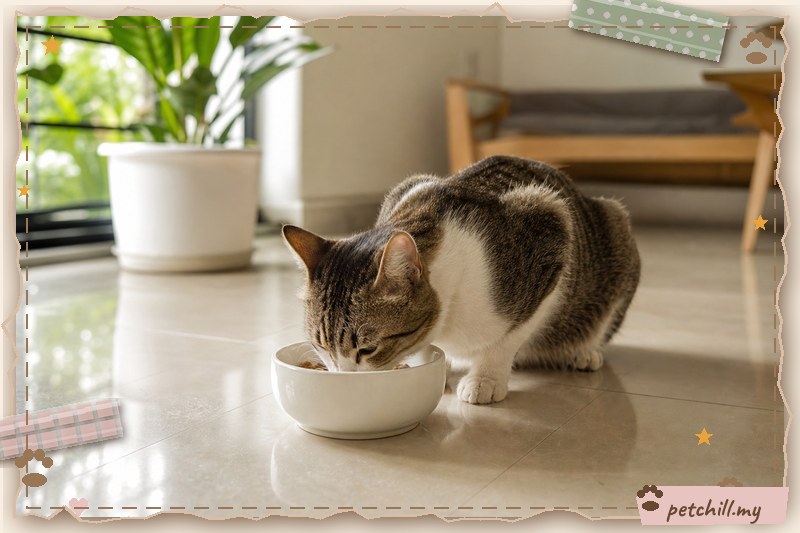
Many Malaysian owners feed a combination of wet and dry food. This can provide hydration and dental benefits while managing cost. However, if your cat has a medical condition, consult your vet before mixing.
Special dietary considerations for common senior cat conditions
Kidney disease
Chronic kidney disease (CKD) is common in senior cats. A kidney-support diet typically restricts phosphorus and moderates protein to reduce workload on the kidneys. These diets are prescription-only in many cases, so work with your vet. Early diagnosis through blood and urine tests is key.
Dental disease
Senior cats often have dental problems, making hard food painful to eat. Soft wet food or softened dry food can help. Some dental diets are designed to reduce plaque, but they may not be suitable if your cat has missing teeth or oral pain. Regular dental checks are important.
Arthritis
Arthritis can make it difficult for cats to reach food and water bowls. Raise bowls slightly and place them in easily accessible locations. Omega-3 supplements may help reduce joint inflammation. Weight management is also crucial to reduce stress on joints.
Diabetes
Senior cats are at higher risk of diabetes. A high-protein, low-carbohydrate diet is often recommended, along with weight control and insulin therapy if needed. Your vet will guide you on the best diet for your diabetic cat.
Hyperthyroidism
An overactive thyroid increases metabolism and can cause weight loss despite increased appetite. Treatment is medical, but nutrition support is important to maintain weight. Your vet may recommend a high-calorie diet during treatment.
How much and how often to feed
The amount of food depends on your cat's weight, body condition, and activity level. Start with the feeding guide on the food package, then adjust based on your cat's body condition score (BCS). A BCS of 5 out of 9 is ideal for most cats.
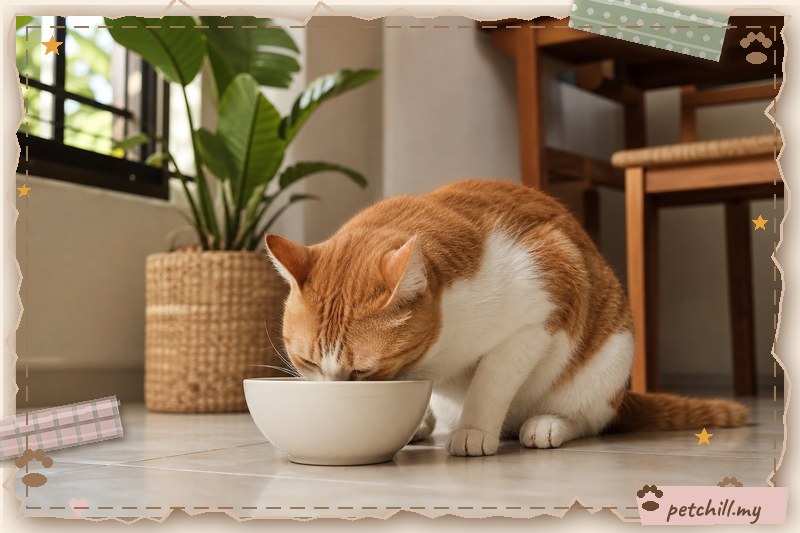
Weigh your cat monthly and check their body condition. Senior cats should be fed two to three small meals per day. This helps with digestion and reduces the risk of nausea. If your cat has diabetes, meal timing may need to be coordinated with insulin injections.
For a typical 4 kg senior cat, a starting point might be around 1.5–2.5% of body weight in dry food per day, or roughly 1–1.5 cans of wet food. However, this is a general guide only. Your vet can calculate a precise amount based on your cat's needs.
Managing weight in senior cats
Both obesity and underweight are problems in senior cats. Obesity increases the risk of diabetes and arthritis, while underweight can indicate underlying disease.
To manage weight:
- Measure food with a scale rather than a cup.
- Limit treats to less than 10% of daily calories.
- Encourage activity with play and food puzzles.
- Schedule regular weigh-ins.
If your cat is losing weight despite a good appetite, see your vet to rule out hyperthyroidism, diabetes, or cancer.
Feeding schedules and routines
Senior cats thrive on routine. Feed at the same times each day. If you have multiple cats, feed them separately to prevent food stealing. In Malaysian homes, especially apartments, space may be limited, so choose quiet corners for feeding.
If you work long hours, consider automatic feeders for dry food, but wet food should be served fresh. Avoid leaving wet food out for more than 30 minutes in the hot and humid Malaysian climate to prevent spoilage.
Home-prepared diets
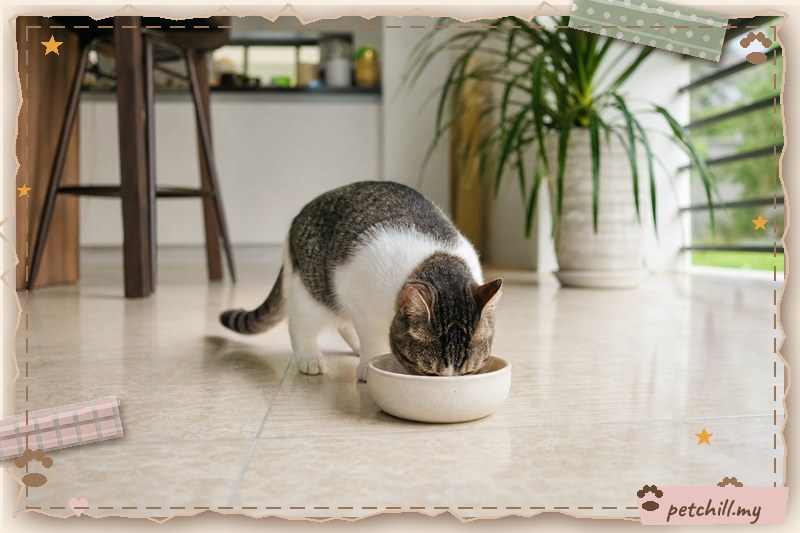
Some owners prefer to cook for their senior cats. While this can be done, it is essential to work with a veterinary nutritionist to ensure the diet is complete and balanced. Cats have specific nutrient requirements, and homemade diets are often deficient in taurine, calcium, and vitamins if not properly formulated.
If you choose to home-cook, use a recipe formulated by a qualified professional. Do not rely on internet recipes without veterinary approval.
Transitioning to a senior diet
Switch foods gradually over 7–10 days to avoid digestive upset. Start by mixing 25% new food with 75% old food, then increase the proportion every few days. Watch for signs of intolerance such as vomiting, diarrhoea, or refusal to eat.
If your cat is picky, warm the food slightly to enhance aroma, or mix in a little wet food. Never starve a cat to force a diet change, as this can lead to serious liver problems.
Practical tips for Malaysian cat owners
- Climate: Store dry food in airtight containers in a cool, dry place. In humid conditions, food can spoil faster. Buy smaller bags if your cat eats slowly.
- Hydration: Provide multiple water bowls around the house. In hot weather, cats may drink more, so refill often. Consider a pet fountain to encourage drinking.
- Apartment living: If you live in a Kuala Lumpur apartment, ensure your cat has vertical space and scratching posts to stay active. Use food puzzles to provide mental stimulation.
- Terrace house in Johor: If your cat has access to outdoor areas, supervise feeding to prevent other animals from eating the food. Also, protect food from rain and sun.
- Rainy season in Penang: During the rainy season, cats may be less active. Adjust portion sizes to prevent weight gain and keep food dry.
Monitoring your senior cat's health
Regular veterinary check-ups are essential for senior cats. Most vets recommend a check-up every 6 months for cats over 10 years. At home, monitor:
- Weight (weigh monthly)
- Appetite and water intake
- Litter box habits (urine and stool)
- Activity level and mobility
- Coat condition
Keep a simple log to track changes. Early detection of problems like kidney disease or diabetes can make a big difference.
When to see a vet
Seek veterinary advice if you notice any of the following:
- Sudden weight loss or gain
- Loss of appetite or refusal to eat for more than 24 hours
- Increased thirst and urination
- Vomiting or diarrhoea that persists
- Difficulty chewing or dropping food
- Bad breath or drooling
- Lethargy or reluctance to move
- Changes in behaviour or confusion
These signs can indicate serious conditions that require prompt attention. Do not attempt to diagnose or treat your cat yourself.
Frequently asked questions
What should I feed my senior cat?
Feed a complete and balanced senior cat food, or a vet-approved home-prepared diet. Look for high-quality animal protein, moderate fat, controlled phosphorus for kidney health, and added omega-3s. Wet food helps with hydration. Avoid sudden diet changes and always transition over 7–10 days.
How much should I feed a senior cat?
Follow the feeding guide on the food label as a starting point, then adjust based on your cat's body condition score. Most senior cats need 1.5–2.5% of body weight in dry food per day, or roughly 1–1.5 cans of wet food daily for an average 4 kg cat. Your vet can give a precise amount.
Do senior cats need less protein?
No. Healthy senior cats actually need high-quality protein to maintain muscle mass. Unless your vet has diagnosed kidney disease and advised restriction, do not reduce protein. Senior cats digest protein less efficiently, so they often need more, not less.
Is wet food better for senior cats?
Wet food is often better for senior cats because it provides extra water, supporting kidney and urinary health, and is easier to chew for cats with dental issues. However, dry food can be part of the diet if your cat drinks well. Many owners feed a mix.
How often should I feed my senior cat?
Feed adult senior cats two to three small meals daily rather than one large meal. This supports digestion and helps prevent nausea and blood sugar spikes. Cats with medical conditions may need more frequent small meals. Establish a consistent routine.
When should I switch my cat to senior food?
Most cats are considered senior from around 7–10 years, depending on size and health. Switch when your vet confirms your cat is in the senior life stage, or if you notice age-related changes like weight loss, reduced activity, or dental issues. Transition gradually over 7–10 days.
Vet disclaimer
This article provides general information only and is not a substitute for professional veterinary advice. Always consult a licensed veterinarian for diagnosis and treatment of your cat's health conditions. Dietary changes should be made under veterinary supervision, especially for cats with existing medical conditions.
Related reading
- Senior Care Guide Malaysia: Caring for Your Older Pet
- Senior Cat Care Guide Malaysia: 7+ Health Checks, Kidneys, Joints & Daily Care
- Senior Cat Diet for Senior Cats in Malaysia: What to Feed, How Much, and When to See a Vet
- Senior Cat Arthritis in Malaysia: A Practical Guide for Senior Cats
- Senior Cat Checkup in Malaysia: A Practical Guide for Older Cats
- Senior Cat Grooming in Malaysia: A Practical Guide for Older Cats
- Senior Cat Care in Malaysia: Age Signs, Check-ups and Daily Home Adjustments
- Senior Cat Care Hub Malaysia: Kidney, Joints, Cognition, Diet and Check-Up Timetable for Cats Aged 7 and Above
- Senior Cat Checkups in Malaysia: Start at Age 7, Plus What Every Blood Panel Should Cover
- Senior Cat Dental Care in Malaysia: A Practical Guide for Older Cats