
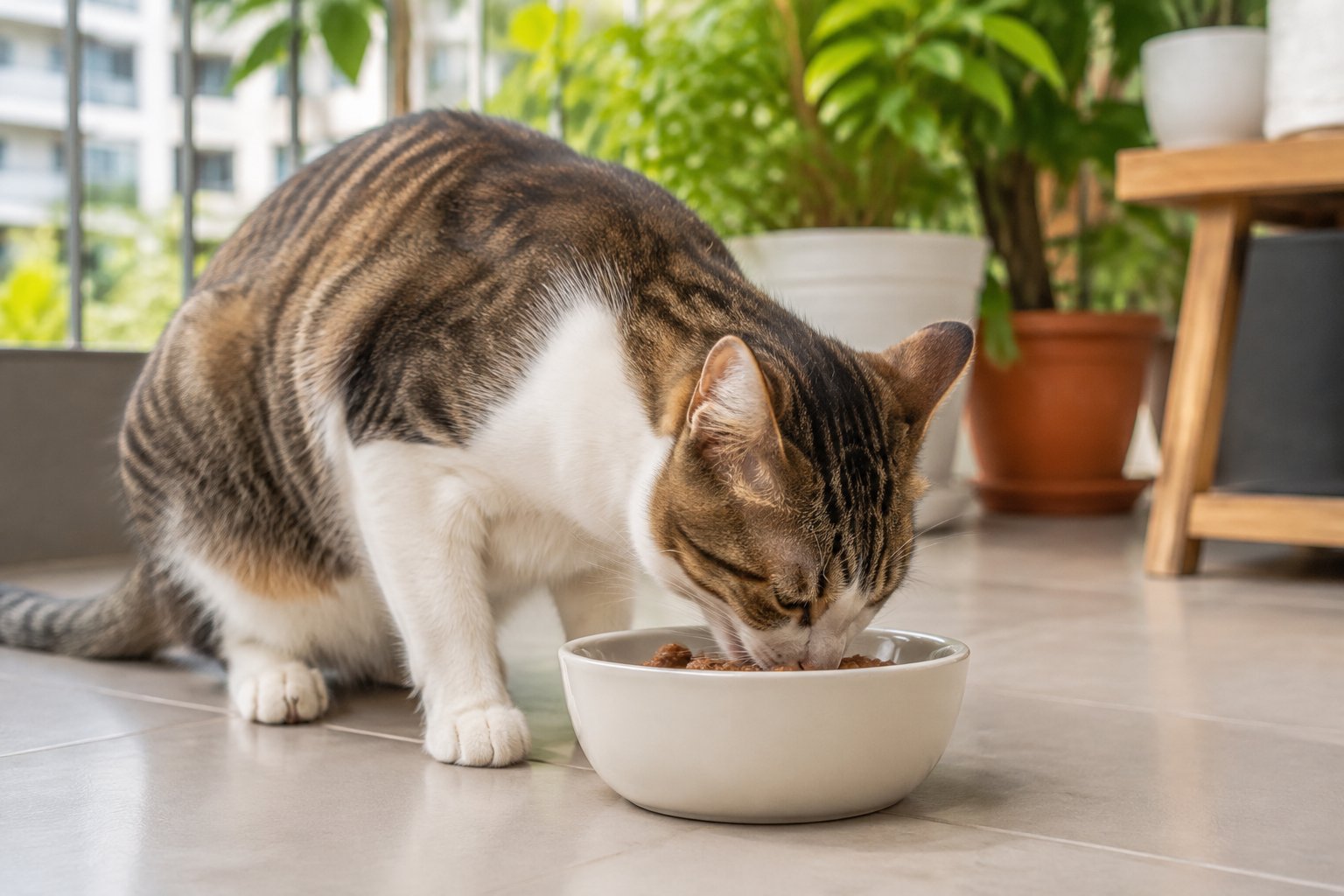
What “hypoallergenic” really means for cats
Hypoallergenic cat food is not a magic cure. It is a diet designed to reduce the chance that your cat’s immune system reacts to what it eats. In cats, true food allergy is less common than many people think, but it does happen. The most common food allergens are animal proteins such as chicken, beef, fish, and sometimes dairy. Grains are less often the culprit in cats than in dogs, but they can still matter in individual cases.
A hypoallergenic diet works in one of two main ways. Either the protein is broken down into pieces too small for the immune system to recognise (hydrolysed protein), or the diet uses a protein your cat has never eaten before (novel protein). Some diets combine both ideas. No diet is hypoallergenic for every cat; it depends on what your cat is allergic to.
Why your cat might need a hypoallergenic diet
Cats with food allergy often show skin signs: itching around the head and neck, over-grooming, hair loss, and sometimes small crusts or sores. Others show gut signs: vomiting, diarrhoea, or frequent soft stools. Some cats have both. These signs can also be caused by parasites, infections, hormonal disease, or environmental allergies, so a vet visit is important before you change diet.
In Malaysia, fleas and other parasites are common, and warm, humid weather can worsen skin problems. Your vet may treat for fleas and check for infections before or alongside a diet trial. If your cat has chronic diarrhoea, your vet may also run tests for other conditions.
The two main types of hypoallergenic cat food
Hydrolysed-protein diets
These diets use proteins that have been broken into very small fragments. The idea is that the immune system cannot recognise them as allergens. Hydrolysed diets are often used for cats with a known or suspected allergy to common proteins. They are usually available through vets, though some are sold online. Not all hydrolysed diets are equal; the size of the protein fragments matters, and quality control is important.
Novel-protein diets
These diets use a protein source your cat is unlikely to have eaten before, such as venison, duck, rabbit, or insect protein. They can work well if your cat has not been exposed to that protein. However, cross-reactions can occur between related proteins, so a novel protein is not guaranteed to be safe. Your vet can help you choose a protein that is truly new to your cat.
Limited-ingredient diets
Some over-the-counter foods are marketed as limited-ingredient. They may use fewer protein sources, but they are not necessarily hypoallergenic. Cross-contamination in manufacturing and incomplete nutrition are possible. If you use one, check it meets nutritional standards and discuss it with your vet.
Comparison table: types of hypoallergenic diets
| Diet type | How it works | Pros | Cons | Best for |
|---|---|---|---|---|
| Hydrolysed protein | Proteins broken into small fragments | Lower risk of immune recognition; often well researched | Taste can be different; cost varies; not all are equally hydrolysed | Cats with suspected allergy to common proteins |
| Novel protein | Uses a protein the cat has not eaten before | Can be very effective if protein is truly new | Cross-reactions possible; availability varies | Cats with a clear history and a suitable novel protein |
| Limited-ingredient | Fewer ingredients | Simple label; may help some cats | Not guaranteed hypoallergenic; risk of cross-contamination | Mild suspected sensitivities, under vet guidance |
| Home-cooked elimination diet | You control ingredients | Can be tailored | Risk of nutritional imbalance; time-consuming | Short-term trials under veterinary supervision |
How to read a cat food label in Malaysia
Labels can be confusing. Look for a complete and balanced statement, such as “complete and balanced for adult cats” or a reference to AAFCO or FEDIAF nutritional standards. Check the ingredient list for the main protein source. If your cat is allergic to chicken, avoid foods with chicken, chicken meal, chicken fat, or chicken liver. Remember that “animal derivatives” or “meat and animal derivatives” can include proteins your cat reacts to.
In Malaysia, many imported and local brands are available. Prices vary widely, and the same brand may be sold at different prices in different shops. Ask your vet or a trusted retailer about availability and cost. Do not assume a food is hypoallergenic because it says “sensitive” or “gentle” on the pack; those terms are not regulated.
The elimination diet trial: the gold standard
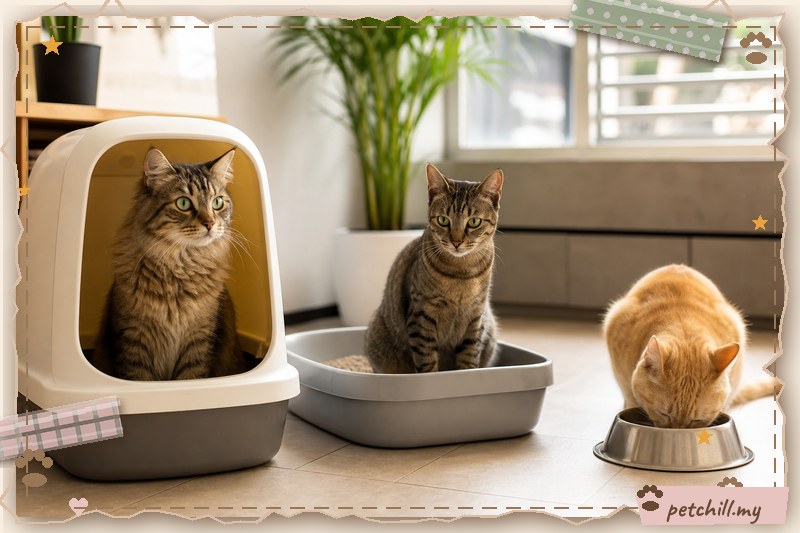
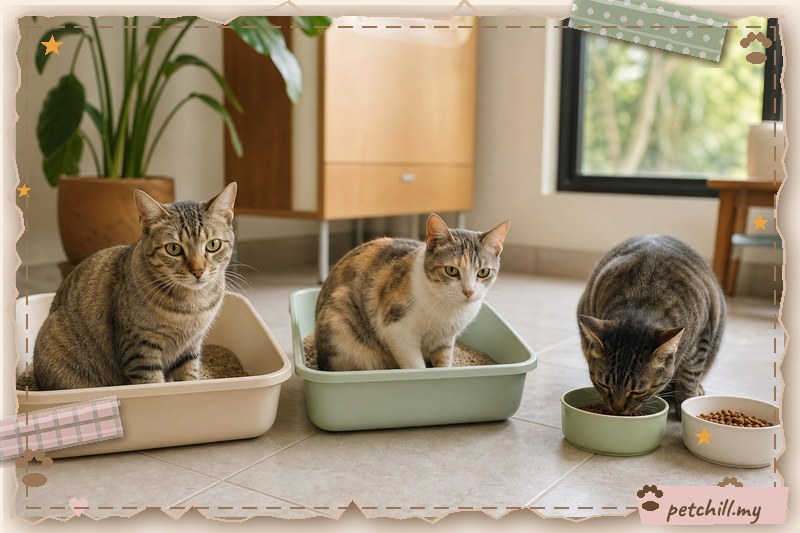
A proper elimination diet trial is the best way to find out whether food is the problem. Your vet will recommend a diet and a duration, usually 8–12 weeks. During the trial, your cat must eat only the trial diet and vet-approved treats. No table scraps, no regular treats, no flavoured medications, and no hunting. If you have multiple cats, feed them separately so your cat cannot steal food.
Keep a diary of signs: itching, scratching, vomiting, stool quality, and any changes. Take photos of skin lesions. After the trial, your vet may suggest a re-challenge with the old food to confirm the diagnosis. This should only be done under veterinary guidance.
Practical feeding tips for Malaysian homes
Malaysian homes can be warm and humid, so store dry food in an airtight container in a cool, dry place. Avoid leaving food out for long periods. If your cat is on a wet diet, refrigerate after opening and discard leftovers after the recommended time. In apartments, feed your cat in a quiet area away from other pets. In terrace houses, watch for stray cats or neighbourhood cats that might eat your cat’s food or leave food around.
During a trial, keep all family members informed. A well-meaning family member giving a piece of fish can undo weeks of work. If you have children, explain that the cat is on a special diet.
Common mistakes to avoid
- Switching foods too quickly. Sudden changes can cause digestive upset. Transition over 7–10 days unless your vet advises otherwise.
- Feeding treats or human food during a trial. This is the most common reason trials fail.
- Assuming grain-free means hypoallergenic. It does not.
- Buying many different foods at once. Pick one diet and stick to it for the trial.
- Not treating parasites. Fleas can cause itching that looks like food allergy.
- Giving up too early. Skin signs can take weeks to improve.
When to see a vet
See a vet if your cat is itching persistently, over-grooming, losing hair, or has recurring vomiting or diarrhoea. Also seek veterinary advice if your cat has blood in the stool, weight loss, lethargy, or seems unwell. Do not start a hypoallergenic diet trial without veterinary guidance, especially if your cat has other health problems or is on medication. A vet can rule out other causes and help you choose a diet that is complete and balanced.
What about home-cooked diets?
Some owners prefer to cook for their cats. A home-cooked elimination diet can be useful for a short trial, but it must be formulated to meet nutritional needs. Cats have specific requirements for taurine, arginine, and other nutrients. An unbalanced diet can cause serious health problems. If you want to cook, ask your vet for a recipe or a referral to a veterinary nutritionist. In Malaysia, veterinary nutritionists are limited, so your vet may need to consult a specialist remotely.
How to choose a diet with your vet
Your vet will consider your cat’s age, weight, other diseases, and food history. They may recommend a hydrolysed diet first, especially if your cat has eaten many different proteins. If a novel protein is chosen, it should be one your cat has not eaten. Your vet will also discuss cost and availability. Prices for veterinary diets vary, so ask for a few options and compare. Do not convert prices from other countries; local prices depend on importers, retailers, and taxes.
Monitoring and follow-up
After the trial, your vet will assess the results. If signs improved, you may continue the diet long-term or gradually reintroduce other foods to identify the trigger. If there was no improvement, food allergy is less likely, and other causes should be investigated. Keep regular check-ups, especially if your cat is on a long-term prescription diet.
Conclusion
The best hypoallergenic cat food for your cat is the one that fits your cat’s allergy history, your vet’s assessment, and your ability to feed it strictly. Hydrolysed and novel-protein diets are the main options. A proper trial, patience, and good communication with your vet matter more than brand names. If you suspect food allergy, book a vet visit before you buy.
This article is for general information only and is not a substitute for veterinary advice. Always consult a licensed veterinarian for diagnosis and treatment.
Related reading
- Cat Food Guide Malaysia 2026: How to Choose Dry, Wet & Prescription Food
- Best Weight Control Cat Food in Malaysia: A Practical Buying Guide
- Food for Picky Cats in Malaysia: A Practical Feeding Guide
- How to Choose Food for Picky Cats: A Malaysian Guide
- Hypoallergenic Cat Food Feeding Guide for Cats: A Practical Malaysian Owner's Handbook
- Hypoallergenic Cat Food in Malaysia: A Practical Guide for Itchy, Scratchy Cats
- Urinary Care Cat Food for Cats in Malaysia: A Practical Guide
- Weight Control Cat Food in Malaysia: How to Choose, Portion and Track Progress
- Best Dry Cat Food for Cats in Malaysia: A Practical Buying Guide
- Best Food Transition for Cats in Malaysia: A Step-by-Step Guide
- Best Raw Cat Food for Cats in Malaysia: A Practical Buying Guide
- Best Urinary Care Cat Food in Malaysia: How to Choose (2025 Guide)