
The short answer
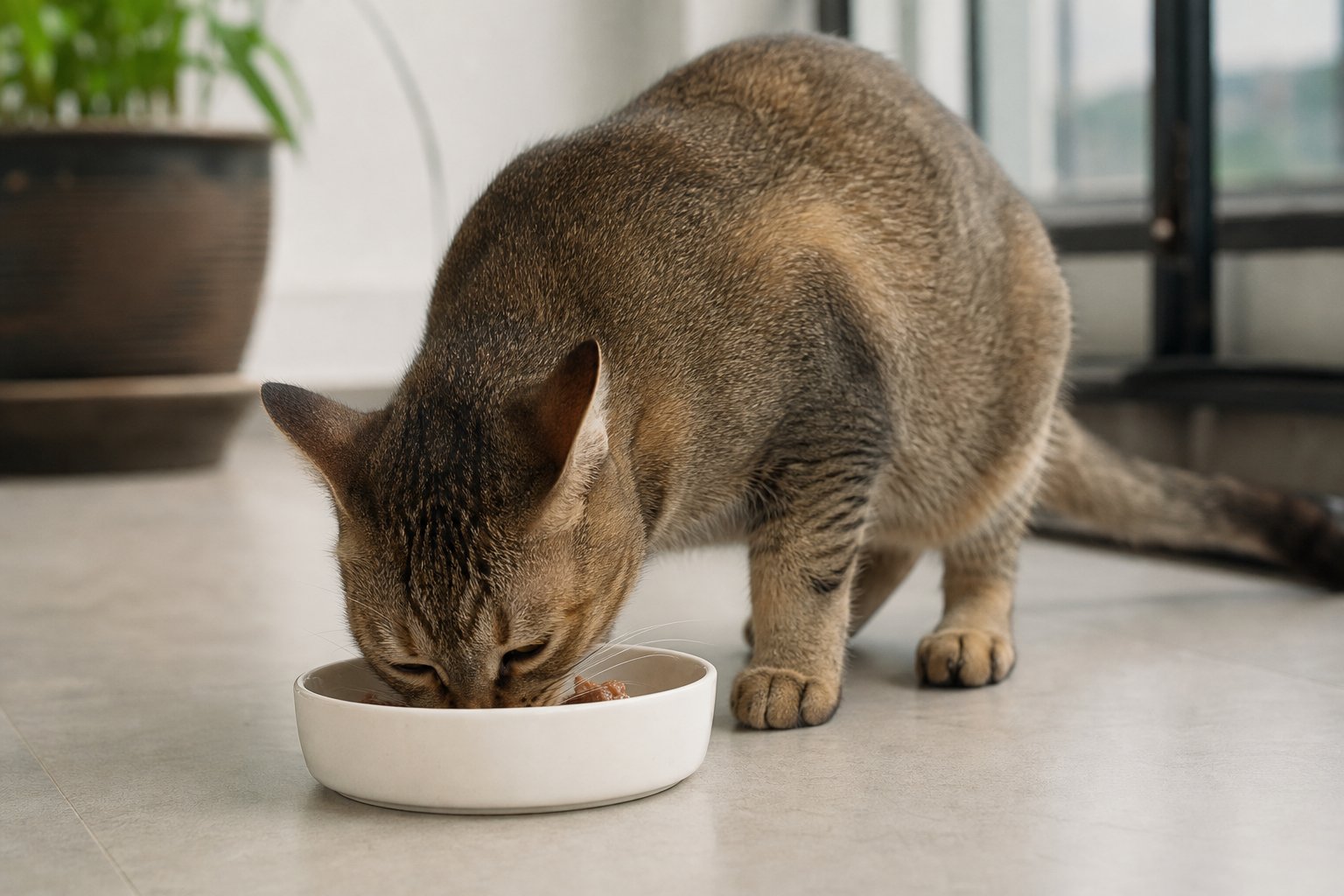
Hairball control food is a complete cat diet with extra fibre and sometimes added lubricants, designed to help swallowed hair move through the digestive tract instead of collecting in the stomach and being vomited. It is useful for adult cats that groom a lot and bring up the occasional hairball. It is not a treatment for frequent vomiting, poor appetite or weight loss, and it does not replace brushing.
If your cat vomits hairballs more than about once a month, vomits food or bile, loses weight or seems unwell, book a vet visit rather than simply changing food.
What a hairball actually is
A hairball, more accurately a trichobezoar, forms when a cat swallows loose hair while grooming. Most hair passes through the gut and out in the stool. Sometimes hair accumulates in the stomach, mixes with food and mucus, and is coughed or vomited up as a cylindrical clump.
Cats are built to groom, and most swallow some hair every day. Problems arise when:
- the coat sheds heavily, such as during seasonal changes or in long-haired breeds;
- the cat grooms excessively because of itch, stress or skin disease;
- hair accumulates faster than the gut can move it along;
- the cat has slowed gut motility or is dehydrated.
Hairballs are therefore a symptom of a hair load problem, not a disease in themselves. That is why hairball food is only one part of the solution.
How hairball control food works
Hairball formulas generally use two approaches.
More fibre. Insoluble fibre adds bulk and helps move contents through the colon. Soluble fibre can support gut health and water balance. Many hairball diets blend fibre sources such as cellulose, beet pulp, psyllium or rice bran.
Lubrication. Some products include a small amount of a lubricant or oil to help hair slide through. This is different from a vet-prescribed laxative, which should only be used under guidance.
Some hairball diets also adjust fat and calorie levels, because overweight cats groom less effectively and are more prone to constipation.
What hairball food does not do:
- It does not stop shedding.
- It does not treat allergies, parasites or skin infections that cause over-grooming.
- It does not remove an existing large hairball that is causing a blockage.
- It does not replace hydration or grooming.
Reading the label: what to look for
In Malaysia, cat foods sold as complete diets should carry a nutritional adequacy statement. Look for wording such as "complete and balanced" and a life-stage claim, for example "adult maintenance".
Check the guaranteed analysis for:
- Crude fibre – hairball formulas are usually higher than standard maintenance foods, but there is no single required number. Compare products rather than chasing one figure.
- Protein source – named animal proteins are easier to assess than vague "meat and animal derivatives".
- Fat level – very high-fat foods suit some cats but not overweight ones.
- Calorie content – ask for kcal per 100 g or per can if it is not printed, so you can portion correctly.
- Life stage – adult hairball food is not for kittens or pregnant cats.
Be cautious with labels that make strong medical claims. A food can support hairball management, but it cannot diagnose or cure a blockage.
Quick comparison: hairball food vs normal food vs home additions
| Approach | What it does | Best for | Watch out for |
|---|---|---|---|
| Hairball control complete food | Extra fibre plus balanced nutrition | Adult cats with occasional hairballs | Not for kittens; check calorie level |
| Standard complete food plus brushing | Reduces swallowed hair at source | Most cats, especially short-haired | Needs routine, not one-off effort |
| Added fibre or malt paste | Short-term help moving hair | Short bursts under vet advice | Overuse can cause diarrhoea or poor nutrient uptake |
| Vet-prescribed laxative | Medical management of motility or blockage risk | Cats under veterinary care | Never self-prescribe |
Grooming does more than food
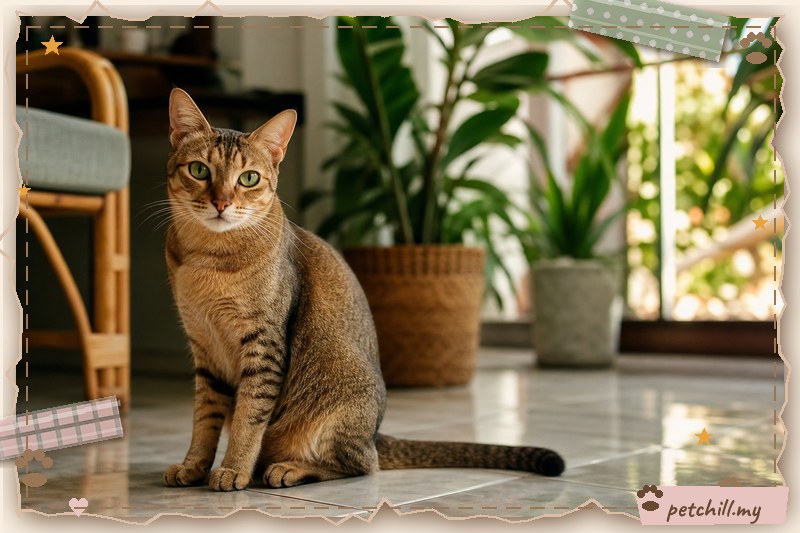
If you only change food and ignore the coat, you are treating the symptom. Brushing removes loose hair before your cat swallows it.
A practical routine:
- Brush short-haired cats two to three times a week.
- Brush long-haired cats daily, especially around the belly, armpits and trousers.
- Use a fine-toothed comb after a slicker brush to catch undercoat.
- Increase brushing during heavy shedding periods.
- Check for mats and skin problems while you groom.
In Malaysia's warm, humid climate, many cats shed year-round rather than in two clear seasons. Air-conditioned homes can also dry the coat and increase static and loose hair. Regular grooming matters in both settings.
Water, humidity and hairballs
Dehydration makes stool harder and slows gut movement, which can worsen hair retention. Cats are not natural big drinkers.
Ways to raise water intake:
- Offer wet food daily if your cat accepts it.
- Use wide ceramic or stainless steel bowls and refresh water often.
- Try a pet water fountain if your cat prefers running water.
- Add a little warm water to dry food, but discard uneaten moistened food promptly in hot weather.
- Place water bowls away from the litter tray and food bowl.
In a humid Malaysian home, wet food left out spoils quickly. Feed smaller portions and remove leftovers within a short time.
Choosing a hairball diet in Malaysia
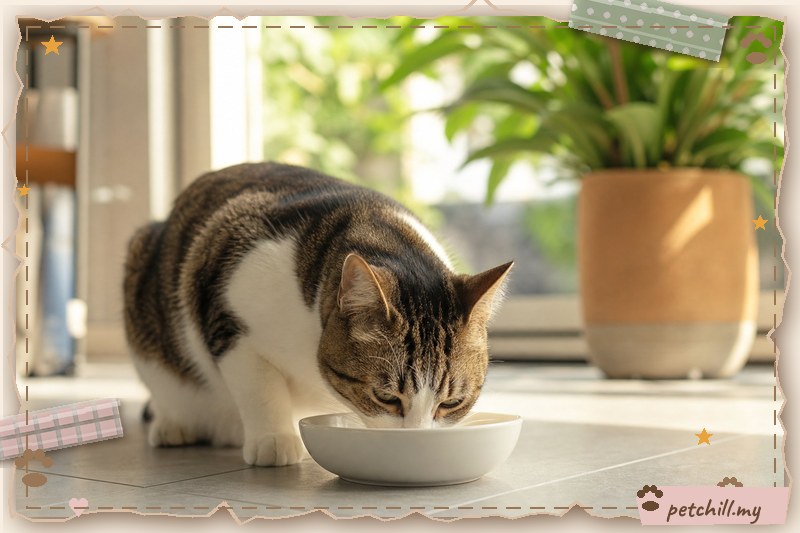
Malaysia has a wide range of imported and locally available cat foods. Prices vary by brand, pack size and retailer, so ask your vet or trusted pet shop for current pricing rather than relying on online figures.
Steps to choose sensibly:
- Confirm your cat is a healthy adult with no ongoing medical condition.
- Check the label for a complete and balanced claim and adult life stage.
- Compare fibre and calorie content with your current food.
- Buy the smallest pack first and transition gradually over seven to ten days.
- Monitor stool, appetite and hairball frequency for four to six weeks.
- Reassess with your vet if nothing changes.
If your cat has kidney disease, urinary problems, diabetes or food allergies, do not switch to a hairball diet without veterinary advice. Higher fibre can affect nutrient absorption and water balance.
Transitioning without stomach upset
Sudden diet changes commonly cause loose stools or vomiting. Transition slowly:
- Days 1–3: 25% new food, 75% old.
- Days 4–6: 50/50.
- Days 7–9: 75% new, 25% old.
- Day 10 onward: 100% new, if stools are normal.
If diarrhoea or vomiting occurs, slow down and consult your vet. Do not add extra hairball paste or fibre supplements during the switch unless advised.
When food is not enough
Some cats need more than a diet change. Consider these scenarios.
Long-haired breeds and heavy shedders. Daily grooming and professional clipping in hot weather may help more than food alone.
Over-grooming due to itch. If your cat has bald patches, scabs or inflamed skin, the hairball is secondary. A vet needs to assess for parasites, allergies or skin infection.
Constipation or straining. Hair can contribute to constipation, but so can dehydration, obesity and other disease. Straining to pass stool is a vet matter.
Repeated vomiting. Vomiting that happens often, or with lethargy or appetite loss, may signal a blockage, pancreatitis, kidney disease or other illness.
When to see a vet
Contact a veterinarian promptly if your cat:
- vomits hairballs more than about once a month;
- vomits food, bile or blood;
- retches without producing anything;
- stops eating or drinking;
- loses weight or has a dull coat;
- strains to pass stool or has not passed stool for more than a day or two;
- has a swollen or painful abdomen;
- seems lethargic or hides;
- has diarrhoea lasting more than a day or two.
Repeated retching with nothing coming up can indicate a blockage and is an emergency. Do not wait to see if hairball food helps.
Practical Malaysian contexts
Kuala Lumpur apartment with a long-haired cat. Air-conditioning and limited outdoor space mean your cat may groom more out of boredom. Set a daily brushing routine, offer vertical space and puzzle feeders, and use a hairball diet only if hairballs are actually occurring.
Johor terrace house with several short-haired cats. Shared spaces and open windows mean more dust and shedding. Regular sweeping, washing bedding and weekly grooming can reduce hair intake. A hairball diet is optional unless one cat repeatedly brings up hairballs.
A simple action plan
- Count how often your cat actually vomits hairballs for a month.
- Start or tighten a brushing routine.
- Improve water intake with wet food or a fountain.
- If hairballs are occasional and your cat is healthy, try a complete hairball control diet for four to six weeks.
- Track stool, appetite and hairball frequency.
- See a vet if anything worsens or if red flags appear.
Hairball control food is a useful tool, not a magic fix. The best results come from combining the right diet with grooming, hydration and veterinary care when needed.
This article is general information only and is not a substitute for veterinary advice. Always consult a licensed veterinarian about your cat's diet and health.
Related reading
- Cat Food Guide Malaysia 2026: How to Choose Dry, Wet & Prescription Food
- Best Urinary Care Cat Food in Malaysia: How to Choose (2025 Guide)
- Food Transition Feeding Guide for Cats: How to Switch Diets Safely
- How to Choose a Food Transition Plan for Cats: A Practical Malaysian Guide
- How to Choose Hypoallergenic Cat Food in Malaysia: A Practical Guide
- Best Dry Cat Food for Cats in Malaysia: A Practical Buying Guide
- Best Food for Picky Cats in Malaysia: A Practical Feeding Guide
- Best Food Transition for Cats in Malaysia: A Step-by-Step Guide
- Best High-Protein Cat Food in Malaysia: How to Choose (2025 Guide)

