
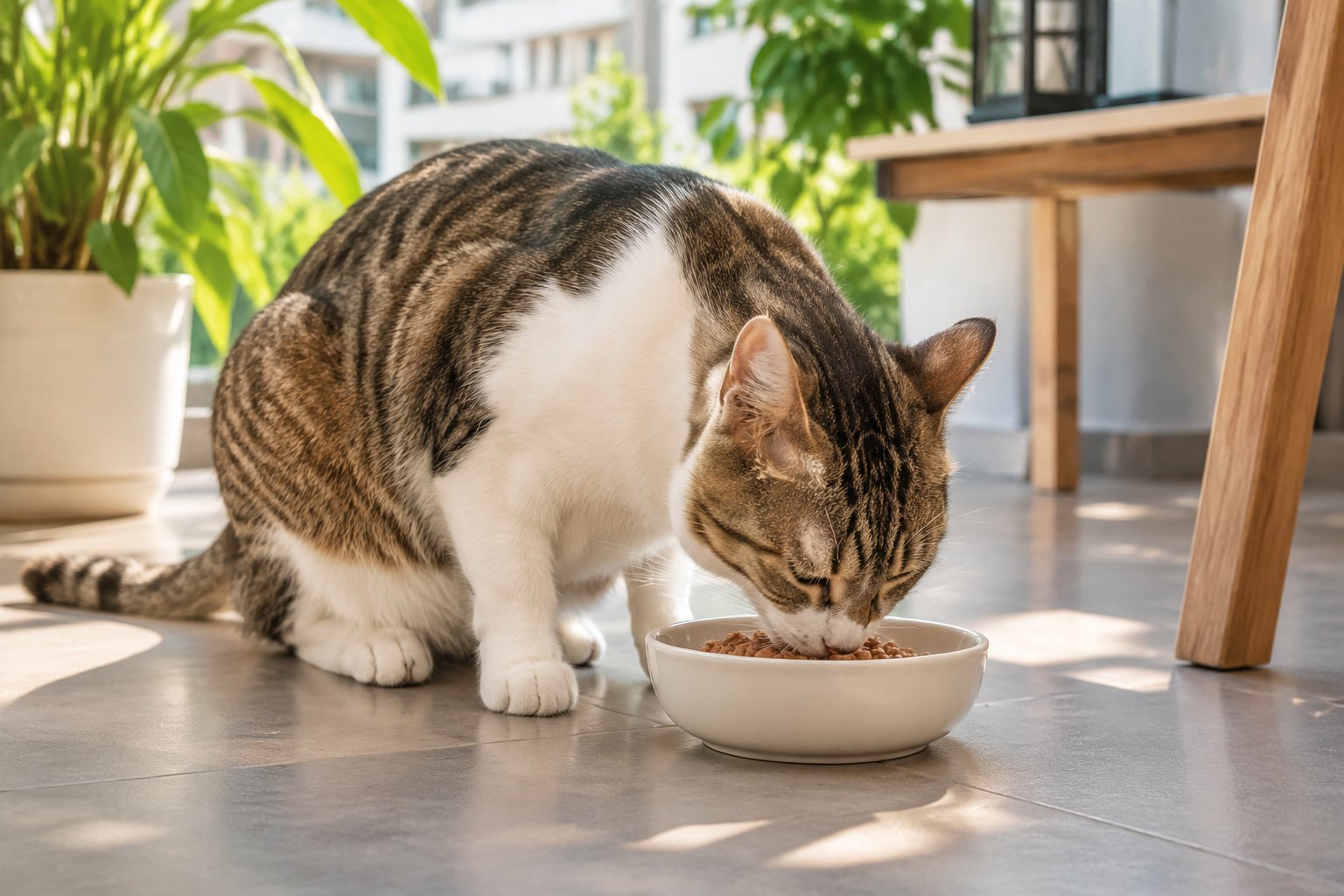
What is raw cat food and why do people feed it?
Raw cat food is exactly what it sounds like: uncooked meat, bones, organs and supplements, either homemade or bought ready-made. Fans say it mimics what cats would eat in the wild, and some report shinier coats, smaller stools and better dental health. But raw feeding is not without risk, especially in a hot, humid country like Malaysia. This guide walks you through the benefits, the dangers, and the practical steps to do it safely if you decide to try.
Cats are obligate carnivores, meaning they need nutrients found only in animal tissue. A well-formulated raw diet can meet those needs, but a poorly formulated one can cause serious deficiencies. The key is balance and hygiene, not just "raw meat."
The potential benefits of raw feeding
Many cat owners who switch to raw report improvements in coat condition, energy and litter box odour. These are anecdotal, but plausible: raw diets are often higher in protein and moisture than dry food, which can support hydration and urinary health. Some cats with dental issues seem to chew better on raw meaty bones, though this is not a substitute for veterinary dental care.
However, no large-scale studies prove raw food is superior to well-formulated cooked or commercial diets. The benefits are largely owner-reported, and the risks are well documented. That does not mean raw feeding is wrong, but it means you should approach it with eyes open.
The real risks: bacteria, parasites and nutritional gaps
Raw meat can carry Salmonella, E. coli, Listeria and Campylobacter. These bacteria can make your cat sick, and they can also infect you and your family. In Malaysia's warm climate, bacteria multiply faster, so food safety is even more critical. Freezing does not kill all bacteria; it only pauses their growth.
Parasites like Toxoplasma and tapeworm can also be present in raw meat. Cats can shed Toxoplasma in their faeces, which is a concern for pregnant women and immunocompromised people. Proper freezing and sourcing from reputable suppliers reduce but do not eliminate this risk.
Nutritional imbalances are another common problem with homemade raw diets. Too much or too little calcium, phosphorus, vitamin A, taurine or certain fatty acids can cause serious health issues over time. A recipe from a qualified veterinary nutritionist is essential if you are making your own.
How to choose a raw food approach
There are three main routes: commercial raw food, homemade raw food with a vet-approved recipe, and a hybrid of raw and cooked or commercial food. Each has pros and cons.
| Approach | Pros | Cons | Best for |
|---|---|---|---|
| Commercial raw | Convenient, complete and balanced if labelled, easy portion control | Can be expensive, availability varies, storage space needed | Busy owners who want convenience |
| Homemade raw | Full control over ingredients, can tailor to allergies | Risk of imbalance, time-consuming, requires nutritionist input | Owners willing to invest time and consult a vet |
| Hybrid | Flexibility, can reduce cost, easier transition | Still requires balancing overall diet, hygiene for raw portion | Cats that resist full raw or owners easing in |
Whichever route you choose, the diet must be complete and balanced. Look for a statement that the food meets AAFCO or FEDIAF nutritional standards. If you make your own, ask your vet to refer you to a board-certified veterinary nutritionist or use a reputable recipe formulation service.
Sourcing and storing raw food in Malaysia's climate
Malaysia's heat and humidity are the enemy of raw food safety. Here are practical tips:
- Buy from reputable suppliers with a cold chain. Avoid meat that has been sitting out.
- Keep raw food frozen at -18°C or below until you need it.
- Thaw in the fridge overnight, never on the counter. If you must thaw quickly, place the sealed bag in cold water and use immediately.
- Use dedicated cutting boards, knives and bowls for raw food. Wash them with hot soapy water after each use.
- Store raw food in sealed containers on the bottom shelf of the fridge to prevent drips onto other food.
- Discard uneaten raw food after 30 minutes, especially in warm weather.
- Never refreeze thawed raw food.
If you live in a Kuala Lumpur apartment with limited fridge space, consider buying smaller quantities more frequently, or choose a commercial raw food that comes in single-serve portions. In a Johor terrace house, you may have more freezer space, but power outages during storms can compromise frozen food; keep a cooler and ice packs on hand.
Hygiene and household safety
Raw feeding affects the whole household, not just the cat. Everyone who handles the food should wash hands thoroughly with soap and water. Clean and disinfect feeding areas, bowls and utensils after every meal. Use a dedicated sponge or cloth for pet bowls and wash it hot.
People at higher risk of infection, such as young children, pregnant women, the elderly and anyone immunocompromised, should avoid handling raw pet food. If you are pregnant or immunocompromised, discuss raw feeding with your doctor before starting.
Cats can also spread bacteria from their mouths and paws. Keep raw-fed cats away from kitchen counters and wash your hands after petting or cleaning the litter box. Regular vet check-ups, including faecal tests, can help catch problems early.
Transitioning your cat to raw food
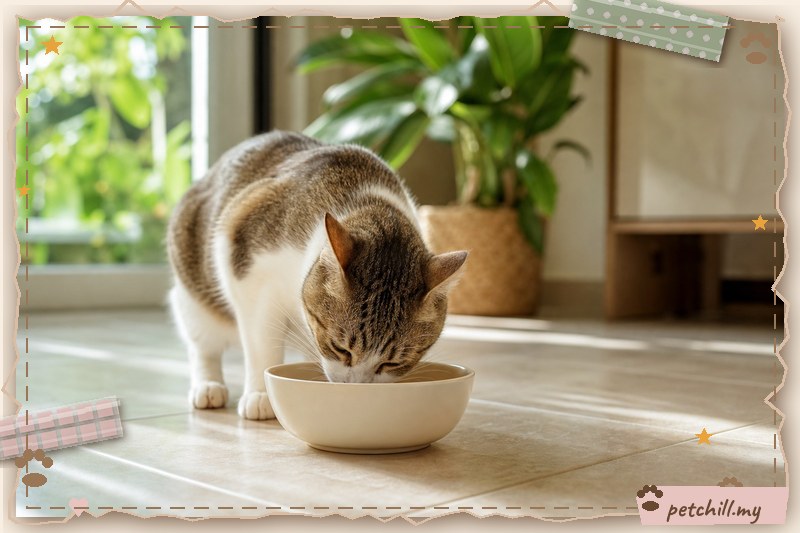
A sudden switch can cause digestive upset. Transition gradually over 7–10 days, mixing a small amount of raw food into the current diet and increasing the proportion slowly. Start with a protein your cat has eaten before, such as chicken, to reduce the chance of intolerance.
Watch for vomiting, diarrhoea, constipation or refusal to eat. If your cat has a sensitive stomach, go slower. Some cats take to raw immediately; others need weeks. Never starve a cat to force a switch, as cats can develop serious liver problems if they go without food for more than 24–48 hours.
If your cat has health issues such as kidney disease, diabetes or pancreatitis, consult your vet before changing the diet. Raw food may not be appropriate for every cat.
Nutritional balance: the make-or-break factor
A raw diet is only as good as its formulation. Cats need a precise balance of protein, fat, vitamins and minerals. Key nutrients include taurine (essential for heart and eye health), calcium and phosphorus in the right ratio, vitamin A, vitamin D, and omega-3 fatty acids. Meat alone is not enough; you need organ meats, bone or calcium supplements, and possibly additional vitamins and oils.
Many online recipes are incomplete or dangerous. For example, feeding only muscle meat can lead to calcium deficiency and bone problems. Feeding too much liver can cause vitamin A toxicity. Without a nutritionist's input, you are guessing.
If you want to make homemade raw food, ask your vet for a referral to a veterinary nutritionist who can formulate a recipe for your cat's specific needs. Alternatively, use a commercial raw food that states it is complete and balanced. Do not rely on generic recipes from the internet.
Raw food and special life stages
Kittens, pregnant and nursing queens, and senior cats have different nutritional needs. Kittens require more calories and specific nutrients for growth; a poorly balanced raw diet can cause developmental problems. Pregnant and nursing cats need extra energy and calcium. Senior cats may have dental issues or reduced kidney function that make raw food harder to manage.
For these groups, raw feeding should only be done under veterinary supervision, with a recipe tailored to their needs. In some cases, a cooked or commercial diet may be safer and easier to balance.
Common myths about raw feeding
- Myth: Raw food is always safer than processed food. Fact: Raw food carries bacterial risks that processed food does not. Both can be safe if handled correctly.
- Myth: Cats can't get sick from raw meat. Fact: Cats can and do get food poisoning from raw meat, just like humans.
- Myth: Bones are essential for dental health. Fact: Raw meaty bones can help, but they also risk choking, broken teeth and internal damage. Never feed cooked bones.
- Myth: A raw diet cures all diseases. Fact: No diet cures everything. Raw feeding may support health, but it is not a treatment for medical conditions.
When to see a vet
Seek veterinary advice before starting a raw diet, especially if your cat is young, old, pregnant, nursing or has any health condition. Contact your vet promptly if you notice vomiting, diarrhoea, lethargy, loss of appetite, blood in stool, or if your cat has eaten something unusual. If anyone in the household develops fever, stomach upset or flu-like symptoms after handling raw pet food, see a doctor.
Making it work in a Malaysian home
Raw feeding in Malaysia requires extra vigilance because of the climate. Plan your shopping and storage around your freezer capacity. If you live in a flat with a small freezer, consider a commercial frozen raw food in smaller packs, or a freeze-dried raw option that is shelf-stable until rehydrated. Always check labels and ask the retailer about storage.
Local prices for raw food and supplements vary, so ask your vet or pet shop for current pricing and compare. Do not assume online prices are current. Join local cat owner groups to learn about reliable suppliers, but always verify hygiene practices and nutritional claims.
Finally, remember that raw feeding is a commitment. It takes time, planning and money. If you cannot maintain the hygiene and balance, a well-formulated cooked or commercial diet may be a better choice for your cat and your household.
Disclaimer: This article is for general information only and is not a substitute for veterinary advice. Always consult a licensed veterinarian for guidance on your cat's diet and health.
Related reading
- Cat Food Guide Malaysia 2026: How to Choose Dry, Wet & Prescription Food
- Best Raw Cat Food for Cats in Malaysia: A Practical Buying Guide
- Homemade Cat Food for Cats in Malaysia: A Practical, Vet-Informed Guide
- How to Choose Raw Cat Food for Cats: A Practical Malaysian Guide
- Best Dry Cat Food for Cats in Malaysia: A Practical Buying Guide
- Best Food Transition for Cats in Malaysia: A Step-by-Step Guide
- Best Homemade Cat Food for Cats in Malaysia: A Practical Vet-Informed Guide
- Best Hypoallergenic Cat Food in Malaysia: A Practical Guide for Itchy, Scratching Cats
- Best Weight Control Cat Food in Malaysia: A Practical Buying Guide
- Best Wet Cat Food in Malaysia: A Practical Buying Guide
- Dry Cat Food for Cats in Malaysia: A Practical Feeding Guide

