
Quick answer
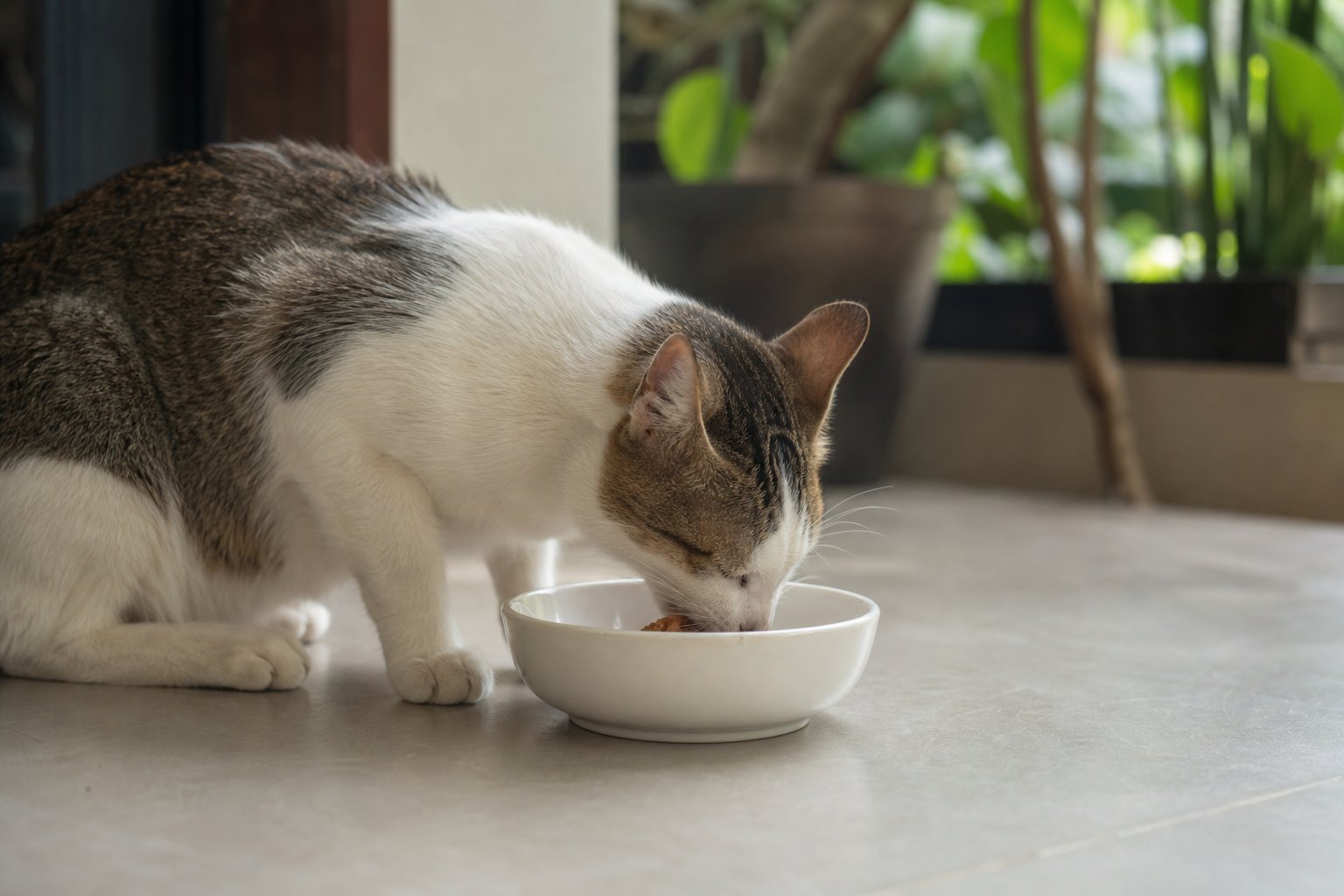
To choose dry cat food for your cat, start by confirming the product is complete and balanced for your cat's life stage, check that a named animal protein is the first ingredient, review the guaranteed analysis for suitable protein and fat levels, and avoid foods with vague ingredient terms or excessive carbohydrates. Always consult your vet if your cat has health issues.
Why dry food choice matters
Dry cat food, also called kibble, is a staple in many Malaysian homes because it is convenient, shelf-stable, and often more affordable than wet food. But not all dry foods are created equal. The right choice supports your cat's energy, coat, digestion, and long-term health. The wrong choice can contribute to obesity, urinary problems, and nutritional deficiencies.
Cats are obligate carnivores, meaning they thrive on nutrients from animal sources. They have specific needs for protein, certain amino acids like taurine, and fats. Dry food must be formulated to meet these needs. In Malaysia, the hot and humid climate also means proper storage is crucial to prevent spoilage.
This guide walks you through the key factors to consider when selecting dry cat food, from reading labels to matching food to your cat's individual needs. We'll also cover practical tips for Malaysian cat owners, including how to store food in humid conditions and when to seek veterinary advice.
Understanding cat food labels
Pet food labels can be confusing. Here's what to focus on:
Nutritional adequacy statement
Look for a statement that says the food is "complete and balanced" for a specific life stage (e.g., growth, maintenance, all life stages). This statement is usually based on AAFCO (Association of American Feed Control Officials) or FEDIAF (European Pet Food Industry Federation) guidelines. In Malaysia, these international standards are commonly referenced. A food without this statement may not meet your cat's nutritional needs.
Ingredient list
Ingredients are listed by weight before cooking. Look for a named animal protein (e.g., chicken, fish, beef) as the first ingredient. Avoid vague terms like "meat meal" or "animal by-products" without specifying the source. However, remember that ingredients alone don't tell the whole story; the guaranteed analysis and nutritional adequacy are more important.
Guaranteed analysis
This section provides minimum or maximum percentages of key nutrients:
- Protein: Typically 26-30% minimum for adult cats, higher for kittens and pregnant/nursing cats.
- Fat: Usually 15-20% minimum for adults.
- Fibre: Around 3-5% for digestive health.
- Moisture: Usually 10% or less for dry food.
These are minimums, not exact values. For a more detailed nutrient profile, you may need to contact the manufacturer.
Calorie content
Look for the metabolizable energy (ME) in kcal per kilogram or per cup. This helps you calculate how much to feed. Feeding guidelines on the package are a starting point, but adjust based on your cat's body condition.
Key nutrients to evaluate
Protein
Protein is crucial for cats. It provides amino acids for muscle maintenance, skin, coat, and overall health. Animal-based proteins are more digestible and provide essential amino acids like taurine. Look for a minimum of 26% protein for adult cats (on a dry matter basis). Kittens need more, around 30%.
Fat
Fat provides energy and essential fatty acids. Omega-3 and omega-6 fatty acids support skin and coat health. A minimum of 9% fat is required for adult cats, but most foods have 15-20%. Higher fat may be suitable for active or underweight cats, but can contribute to obesity in sedentary cats.
Carbohydrates
Cats have no dietary requirement for carbohydrates, but dry food needs some to form kibble. Carbohydrates can be a source of energy and fibre. However, excessive carbohydrates (often over 50% of the food) can dilute protein and contribute to obesity. Choose foods with moderate carbohydrate levels, ideally less than 30-40% on a dry matter basis.
Taurine
Taurine is an essential amino acid for cats. Deficiency can lead to heart disease and blindness. All complete cat foods should have added taurine. Check the guaranteed analysis or contact the manufacturer to confirm.
Other nutrients
- Calcium and phosphorus: Important for bone health. The ratio should be around 1:1 to 2:1.
- Omega fatty acids: For skin and coat.
- Fibre: For digestive health.
- Vitamins and minerals: Complete foods include added vitamins and minerals.
Matching food to your cat's life stage
Kittens
Kittens need more protein, fat, and calories for growth. Choose food labelled for kittens or all life stages. These foods typically have higher protein (30%+) and fat (20%+) levels. Feed small meals more frequently.
Adult cats
Adult cats need a balanced maintenance diet. Look for food labelled for adult maintenance. Protein should be at least 26%, fat around 15-20%. Adjust portions to maintain ideal body weight.
Senior cats
Senior cats (7+ years) may have different needs. They may benefit from higher protein to maintain muscle mass, and easily digestible ingredients. Some senior foods include joint support supplements like glucosamine. Consult your vet for specific recommendations.
Special needs
Cats with health conditions like kidney disease, diabetes, or allergies may need prescription diets. These should only be used under veterinary supervision. Never self-diagnose and switch to a prescription diet without consulting your vet.
Dry food vs wet food
Dry food offers convenience and cost savings, but wet food provides more water, which is beneficial for urinary and kidney health. Many cat owners feed a mix of both. If you feed only dry food, ensure your cat drinks enough water. Consider adding water to dry food or providing a water fountain.
| Factor | Dry food | Wet food |
|---|---|---|
| Moisture | 10% or less | 70-80% |
| Cost | Generally lower | Generally higher |
| Convenience | High; can be left out | Requires refrigeration after opening |
| Dental health | Some dental benefits from crunching | Minimal |
| Palatability | Varies | Often higher |
| Storage | Shelf-stable; store in cool, dry place | Refrigerate after opening |
Practical tips for Malaysian cat owners
Storage in humid climate
Malaysia's humidity can cause dry food to spoil quickly. Store dry food in an airtight container in a cool, dry place, away from direct sunlight. Keep the original packaging for the best-before date and batch number. Avoid storing food in the fridge, as condensation can introduce moisture. Buy smaller bags if your cat doesn't eat much, to ensure freshness.
Feeding in apartments
In Kuala Lumpur apartments, space may be limited. Dry food is convenient because it doesn't require refrigeration and can be portioned easily. Use a feeding mat to contain crumbs and keep the feeding area clean. Ensure your cat has access to fresh water, especially in warm apartments.
Managing portions
Use a kitchen scale to weigh your cat's food for accuracy. Feeding guidelines are a starting point; adjust based on your cat's body condition. You should be able to feel your cat's ribs without pressing hard, and see a waistline from above. If not, adjust portions.
Transitioning foods
When switching to a new dry food, do it gradually over 7-10 days. Mix increasing amounts of the new food with the old. This helps prevent digestive upset. Start with 25% new, then 50%, 75%, and finally 100%.
Water intake
Cats fed only dry food may not drink enough water. Encourage drinking by providing fresh water daily, using a water fountain, or adding water to dry food. In Johor terrace houses, place multiple water bowls around the house.
Common myths about dry cat food
- Myth: Grain-free is always better. Fact: Grains are not inherently bad for cats. Unless your cat has a diagnosed grain allergy (rare), grain-free is not necessary. Focus on overall nutrient balance.
- Myth: Cats can be vegetarian. Fact: Cats are obligate carnivores and require animal-based nutrients like taurine. Vegetarian diets can be dangerous unless carefully formulated with synthetic supplements, which is not recommended without veterinary supervision.
- Myth: Dry food cleans teeth. Fact: Some dental kibble may help reduce tartar, but it's not a substitute for brushing. Regular dental care is important.
- Myth: Higher protein is always better. Fact: While protein is important, excessively high protein may not be suitable for cats with kidney disease. Balance is key.

When to see a vet
Consult your veterinarian if your cat shows any of these signs:
- Sudden weight loss or gain
- Changes in appetite or drinking
- Vomiting or diarrhoea
- Difficulty urinating or blood in urine
- Skin or coat problems
- Lethargy or weakness
Also, before switching to a prescription diet or if your cat has a known health condition, seek veterinary advice. Your vet can help you choose a food that meets your cat's specific needs.
Vet disclaimer
The information provided in this article is for general educational purposes only and is not a substitute for professional veterinary advice. Always consult your veterinarian for specific dietary recommendations for your cat. Individual cats have unique nutritional needs, and a vet can provide personalised guidance based on your cat's health status, age, and lifestyle.
Related reading
- Best Dry Cat Food for Cats in Malaysia: A Practical Buying Guide
- Best Food Transition for Cats in Malaysia: A Step-by-Step Guide
- Best Raw Cat Food for Cats in Malaysia: A Practical Buying Guide
- Best Wet Cat Food in Malaysia: A Practical Buying Guide
- Food Transition for Cats in Malaysia: A Safe, Step-by-Step Guide
- High-Protein Cat Food Feeding Guide for Cats: How Much, Which Type, and What to Watch
- High-Protein Cat Food in Malaysia: A Practical Guide for Cat Owners
- How to Choose High-Protein Cat Food for Cats: A Malaysian Owner's Guide
- How to Choose Raw Cat Food for Cats: A Practical Malaysian Guide
- Senior Cat Food Feeding Guide for Cats: What Malaysian Owners Need to Know
- Best Hairball Control Food for Cats in Malaysia: A Practical Buying Guide

