
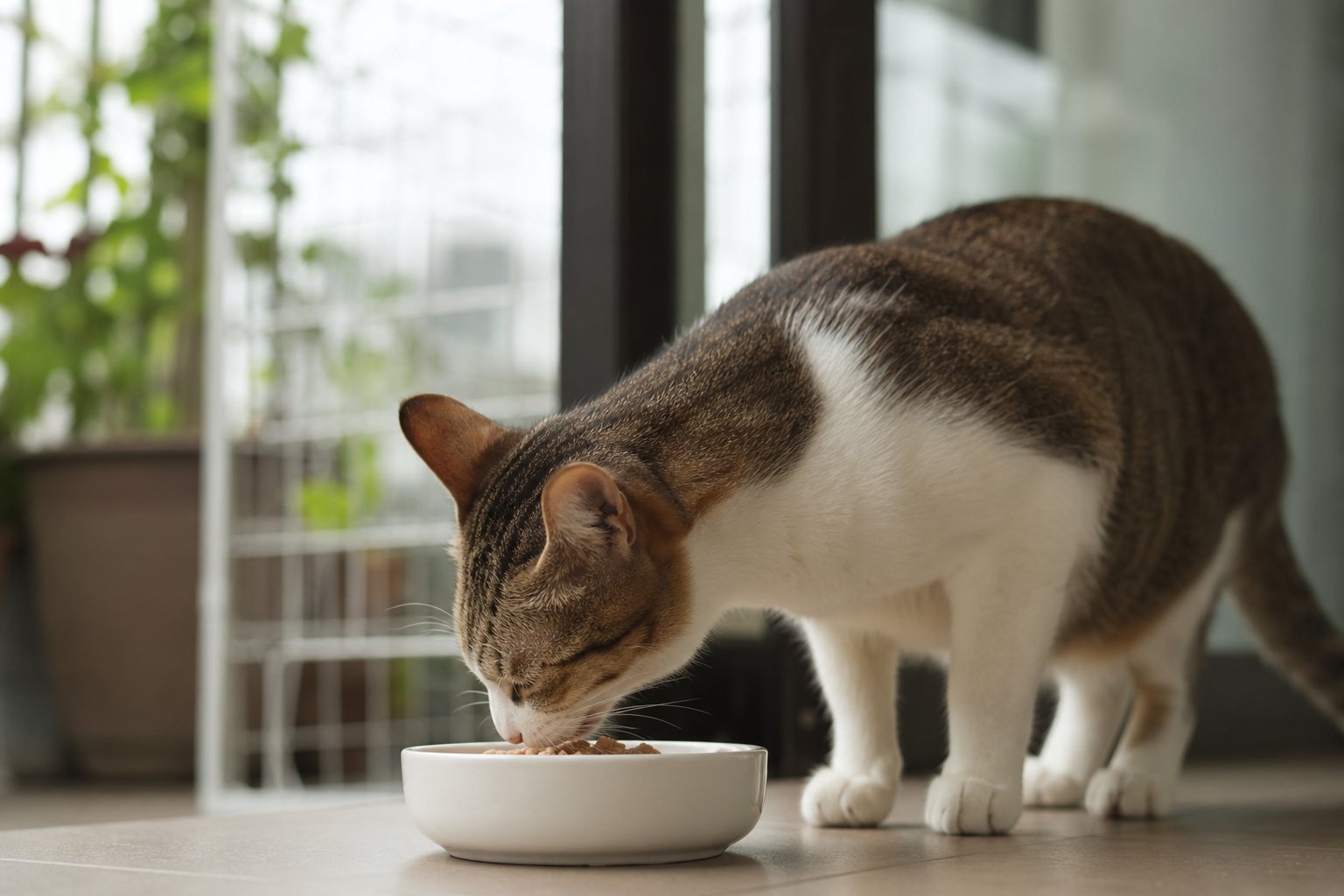
Why picky eating happens
Cats are not being difficult on purpose. Feline food preferences are shaped by early experiences, texture, smell, temperature, and routine. Unlike dogs, cats are obligate carnivores with a strong drive for meat-based proteins and a natural wariness of unfamiliar foods. In Malaysia's warm climate, food can also spoil quickly or attract ants, which may put a cat off its meal. Understanding the root cause is the first step to choosing the right food.
Medical causes come first
Before assuming your cat is simply fussy, rule out health issues. Dental disease, oral pain, gastrointestinal problems, kidney disease, and even stress can reduce appetite. A cat that suddenly refuses food or shows other signs like vomiting, diarrhoea, or lethargy should see a vet. Once medical causes are excluded, you can focus on behavioural and nutritional strategies.
Texture and aroma preferences
Cats often have strong preferences for certain textures: pâté, shreds, chunks in gravy, or dry kibble. They also rely on smell; food that is too cold or has been sitting out may be less appealing. Some cats prefer food warmed to body temperature, which enhances aroma. Experiment with different textures and temperatures to find what your cat likes.
The role of routine and environment
Cats are creatures of habit. Feeding at consistent times in a quiet, safe location can reduce anxiety. Multi-cat households may need separate feeding stations to prevent competition. In Malaysian apartments, space can be limited, so choose a quiet corner away from litter boxes and noisy appliances.
Evaluating cat food: what to look for
When choosing food for a picky cat, prioritise nutritional adequacy over marketing claims. Look for a statement that the food is "complete and balanced" according to AAFCO or a similar standard. This ensures it meets the minimum nutritional requirements for your cat's life stage.
Understanding ingredients
Ingredients are listed by weight. A named meat source (e.g., chicken, fish) should ideally be first. However, ingredient lists can be misleading; a food with "meat by-products" can still be nutritious. Focus on the nutritional profile rather than individual ingredients. Avoid foods with excessive fillers or artificial colours, though these are not inherently harmful.
Wet vs dry food
Both wet and dry foods can be complete diets. Wet food provides hydration, which is beneficial for cats with urinary or kidney issues. Dry food is convenient and can help with dental health through mechanical abrasion, though evidence is limited. Many picky cats prefer wet food due to its strong aroma and texture. You can offer both, but monitor total calorie intake.
Life stage and special needs
Kittens, adults, and seniors have different nutritional needs. Choose a diet appropriate for your cat's life stage. If your cat has health conditions like diabetes or kidney disease, your vet may recommend a therapeutic diet. Never self-prescribe; always consult a veterinarian.
Table: Comparison of food types for picky cats
| Factor | Wet food | Dry food |
|---|---|---|
| Aroma | Strong, appealing | Mild |
| Texture | Soft, varied | Crunchy |
| Hydration | High (70-80% water) | Low (10% water) |
| Convenience | Requires refrigeration after opening | Shelf-stable |
| Cost | Generally higher per calorie | Generally lower per calorie |
| Dental effect | Minimal | Some mechanical cleaning |
| Picky cat appeal | Often high | Variable |
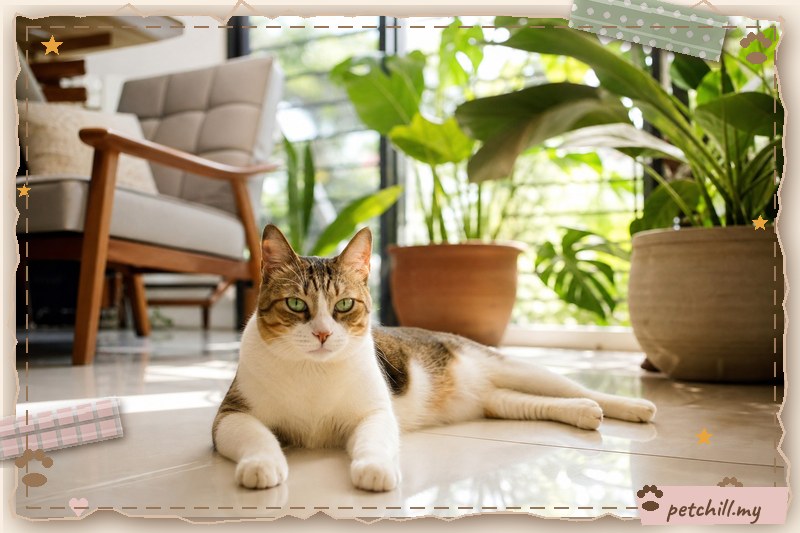
Strategies to tempt a picky cat
If your cat turns up its nose at food, try these approaches. Always ensure fresh water is available.
Establish a feeding schedule
Free-feeding can lead to obesity and make it harder to monitor intake. Instead, offer meals at set times (e.g., twice daily) and remove uneaten food after 30 minutes. This creates a routine and encourages appetite. In multi-cat homes, feed separately to reduce stress.
Warm the food slightly
Cats prefer food at body temperature. Gently warm wet food in a water bath or microwave for a few seconds (stir well to avoid hot spots). This releases aromas that stimulate appetite. Do not leave warm food out for more than 30 minutes.
Try different textures and shapes
Offer a variety of textures: pâté, shreds, flaked, or kibble. Some cats prefer larger chunks, while others like finely ground food. You can also try different protein sources (chicken, fish, turkey) to find favourites.
Use toppers wisely
A small amount of a favourite wet food, a sprinkle of freeze-dried treats, or a teaspoon of tuna water (unsalted) can entice a picky cat. Use toppers sparingly to avoid unbalanced nutrition. Gradually reduce the topper as your cat accepts the main food.
Avoid sudden changes
Cats are neophobic (fearful of new things). Transition to a new food gradually over 7-10 days, mixing increasing proportions of the new food with the old. If your cat refuses, slow down. Never starve a cat to force acceptance; this can be dangerous.
Reduce stress at mealtime
Provide a quiet, safe eating area away from loud noises, other pets, and foot traffic. In Malaysian homes, this might mean a corner of the kitchen or a dedicated room. Use non-slip bowls and avoid plastic if your cat has chin acne.
Common mistakes to avoid
- Leaving food out all day: This can lead to spoilage and obesity. In Malaysia's heat, wet food spoils quickly.
- Offering too many treats: Treats should make up less than 10% of daily calories.
- Switching foods too quickly: Gradual transitions prevent digestive upset.
- Assuming pickiness is behavioural: Always rule out medical issues first.
- Using starvation as a tactic: Never withhold food to force a cat to eat; this can cause hepatic lipidosis.
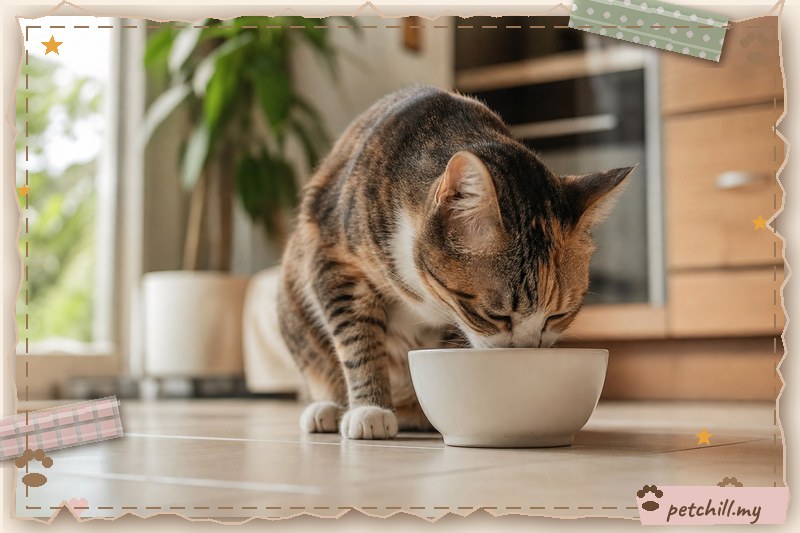
When to see a vet
If your cat shows any of the following, consult a veterinarian promptly:
- Refusal to eat for more than 24 hours
- Weight loss
- Vomiting or diarrhoea
- Lethargy or hiding
- Difficulty chewing or dropping food
- Increased thirst or urination
- Changes in behaviour
These signs may indicate underlying health problems that require medical attention. Your vet can also provide personalised dietary recommendations.
Local considerations for Malaysian cat owners
Malaysia's tropical climate poses unique challenges. High humidity and heat can cause dry food to go stale or grow mould, and wet food spoils rapidly if left out. Store dry food in an airtight container in a cool, dry place, and refrigerate wet food after opening. Use sealed containers to deter ants and other pests.
In urban areas like Kuala Lumpur, many cats live in apartments with limited space. Ensure feeding areas are away from litter boxes and noisy areas. In landed houses, like a Johor terrace house, cats may have access to outdoors, so secure bins and avoid leaving food unattended to prevent attracting strays or wildlife.
During the rainy season (e.g., in Penang), some cats may be less active and eat less. Monitor their intake and adjust portions accordingly. Always provide fresh water, especially if feeding dry food.
Related reading
- Cat Food Guide Malaysia 2026: How to Choose Dry, Wet & Prescription Food
- Best Food for Picky Cats in Malaysia: A Practical Feeding Guide
- Best Hypoallergenic Cat Food in Malaysia: A Practical Guide for Itchy, Scratching Cats
- Best Weight Control Cat Food in Malaysia: A Practical Buying Guide
- Food for Picky Cats: A Feeding Guide for Malaysian Cat Owners
- Food for Picky Cats in Malaysia: A Practical Feeding Guide
- Hypoallergenic Cat Food in Malaysia: A Practical Guide for Itchy, Scratchy Cats
- Urinary Care Cat Food for Cats in Malaysia: A Practical Guide
- Weight Control Cat Food in Malaysia: How to Choose, Portion and Track Progress
- Best Dry Cat Food for Cats in Malaysia: A Practical Buying Guide
- Best Food Transition for Cats in Malaysia: A Step-by-Step Guide
- Best Raw Cat Food for Cats in Malaysia: A Practical Buying Guide