
Quick answer
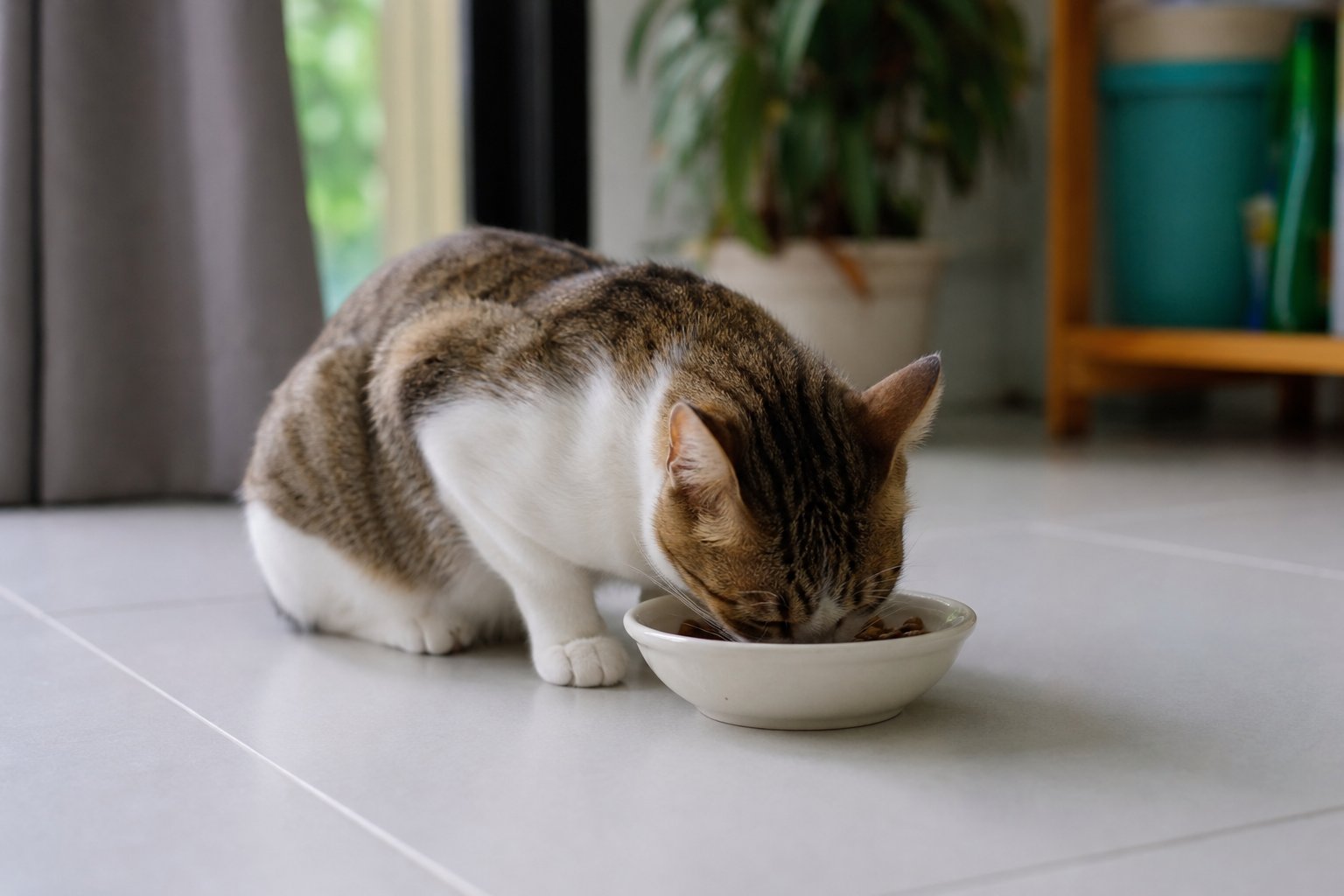
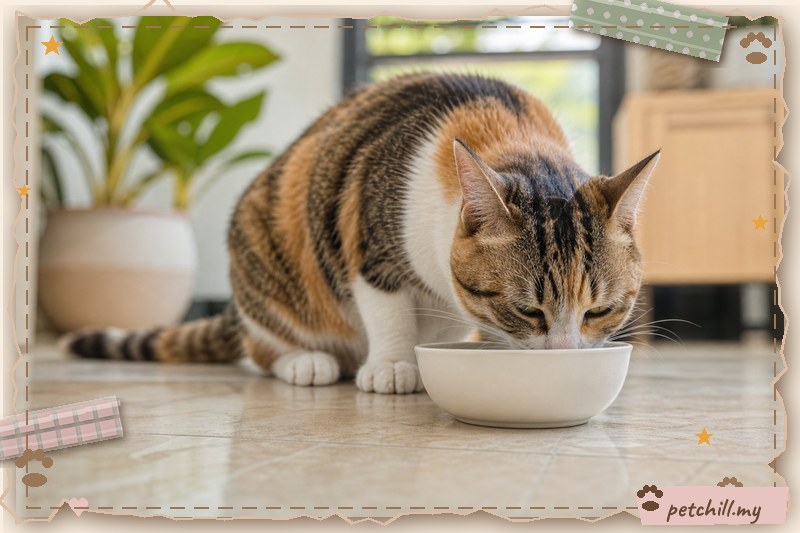
Feed your kitten a complete growth diet with roughly 30–40% protein and 15–20% fat. From 8 weeks to 4 months, offer 4 meals a day; from 4 to 6 months, 3 meals; from 6 to 12 months, 2 meals. Use the packet's weight-based guide as a starting point, check body condition weekly, and always provide clean water.
Why kitten food is different from adult cat food
Kittens grow fast. In their first year they can multiply their birth weight many times over, and their bones, muscles, brain and immune system are all developing at once. That growth demands more energy per kilogram of body weight than an adult cat needs, plus more protein, calcium, phosphorus and certain fatty acids.
Adult maintenance food is not designed for this. It may have enough calories, but the balance of nutrients is set for a fully grown animal. Feeding adult food to a kitten can lead to slow growth, poor coat condition, or digestive upset. Always look for a label that says "complete" and either "for kittens", "for growth", or "all life stages".
A simple rule: if the label does not mention growth or all life stages, it is not a kitten food.
Key nutrients to look for
You do not need to memorise a nutrition textbook, but these numbers help when comparing labels.
| Nutrient | What to look for in a kitten food | Why it matters |
|---|---|---|
| Protein | 30–40% on a dry matter basis | Builds muscle, organs and immune cells |
| Fat | 15–20% on a dry matter basis | Concentrated energy for growth; skin and coat |
| Calcium | Around 1.0–1.5% | Bone development; must be balanced with phosphorus |
| Phosphorus | Around 0.8–1.2% | Works with calcium; imbalance affects bones and kidneys |
| Taurine | Listed on the label | Essential amino acid for cats; supports heart and eyes |
| DHA | Often added from fish oil | Supports brain and vision development |
| Fibre | Moderate, not excessive | Too much fibre can reduce calorie intake in a growing kitten |
Percentages on the packet are usually "as fed", which includes moisture. Wet food looks lower in protein than dry food because it is mostly water. To compare fairly, convert to dry matter: divide the nutrient percentage by the dry matter percentage (100 minus moisture). For example, a wet food with 10% protein and 80% moisture has 50% protein on a dry matter basis.
Avoid foods with vague ingredient names, excessive fillers, or added sugars. Preservatives and by-products are not automatically bad; what matters is the complete nutrient profile and whether the manufacturer follows a recognised nutritional standard.
How much to feed: a practical starting point
There is no single correct amount for every kitten. Use the feeding guide on the packet as a starting point, then adjust based on body condition and appetite.
A typical schedule looks like this:
| Age | Meals per day | Approximate daily amount (dry food) | Notes |
|---|---|---|---|
| 8–12 weeks | 4 | 30–50 g | Small, frequent meals; soften dry food if needed |
| 3–4 months | 4 | 40–60 g | Appetite increases during growth spurts |
| 4–6 months | 3 | 50–70 g | Reduce to 3 meals; monitor weight weekly |
| 6–9 months | 2–3 | 60–80 g | Growth slows; adjust portions |
| 9–12 months | 2 | 60–80 g | Transition to adult food near 12 months |
These amounts are a guide only. Wet food portions are different because of the water content; follow the packet for the specific product. If you feed a mix of wet and dry, calculate the total calories rather than adding two full portions.
Weigh your kitten weekly on a kitchen scale or at the vet. Steady weight gain is a good sign. If weight is flat for two weeks, or the kitten is losing weight, speak to a vet.
Body condition: the best daily check
You do not need a scale every day. Use your hands.
- Ribs: You should feel the ribs easily under a thin layer of fat, like the back of your hand.
- Waist: Looking from above, there should be a slight waist behind the ribs.
- Belly: A small tummy is normal in kittens, but a hard, distended belly is not.
- Energy: A kitten that stops playing, hides, or refuses food is not normal.
If ribs are hard to feel, cut back by about 10% and recheck in a week. If ribs are very sharp and the spine is prominent, increase by about 10% and check for parasites with your vet.
Wet food, dry food, or both?
Both wet and dry kitten foods can be complete and balanced. The choice often comes down to convenience, budget and the kitten's preference.
Wet food is high in water, which helps with hydration. It is useful for kittens that are fussy or that do not drink much. Once opened, it must be refrigerated and used within the time stated on the label, usually 1–2 days. In Malaysia's warm climate, do not leave wet food out for more than 30 minutes.
Dry food is convenient and can be left out for short periods, but it is calorie-dense and easy to overfeed. It also has a longer shelf life. Store it in an airtight container away from heat and humidity; do not store it in the fridge, as condensation can cause mould.
Mixed feeding is common. A typical approach is wet food for two meals and dry food for one or two, with the total daily amount adjusted so the kitten does not gain excess weight. Always transition between foods gradually over 7–10 days.
Building a feeding routine
Kittens thrive on routine. Feed at the same times each day, in the same place, using clean bowls. Remove uneaten wet food after 30 minutes. Wash bowls daily with hot soapy water.
A sample day for a 4-month-old kitten:
- 7:00 am — wet food meal
- 12:00 pm — small dry food portion
- 5:00 pm — wet food meal
- 10:00 pm — small dry food portion
Fresh water should be available at all times. Some kittens prefer running water; a pet fountain can encourage drinking, but change the water and clean the fountain regularly.
Avoid feeding right before vigorous play or travel, and do not let children disturb a kitten while it is eating.
Common feeding mistakes
- Free-feeding dry food all day. This works for some kittens but makes it hard to monitor appetite and can lead to obesity later. Measure portions.
- Switching foods suddenly. Abrupt changes cause diarrhoea. Mix old and new food over a week.
- Giving cow's milk. Most kittens cannot digest lactose. Use water instead.
- Adding supplements to a complete diet. This can unbalance calcium and phosphorus. Only supplement on veterinary advice.
- Feeding dog food. Dog food lacks taurine and has the wrong nutrient balance for cats.
- Ignoring label changes. Manufacturers sometimes reformulate. Check the label when you buy a new batch.
Feeding in a multi-cat or multi-pet home
In a household with adult cats, kittens may steal adult food or be pushed away from their own. Feed separately, in different rooms or at different times, and supervise. Adult cats should not eat kitten food long-term because it is too calorie-dense for them.
If you have a dog, keep kitten food out of reach. Dog food and kitten food are not interchangeable.
Transitioning to adult food
Most kittens are ready for adult food around 12 months, or when they reach adult body size. Large breeds may need kitten food for a little longer. Transition over 7–10 days:
- Days 1–3: 75% kitten food, 25% adult food
- Days 4–6: 50% kitten food, 50% adult food
- Days 7–9: 25% kitten food, 75% adult food
- Day 10: 100% adult food
Watch for loose stools or vomiting during the transition. If either occurs, slow down and consult your vet.
When to see a vet
Seek veterinary advice if your kitten:
- Refuses food for more than 12–24 hours
- Has diarrhoea or vomiting that lasts more than a day
- Shows a bloated, hard abdomen
- Is losing weight or not gaining
- Has a dull coat, pale gums, or seems weak
- Eats non-food items (fabric, plastic, litter)
- Has not been vaccinated or dewormed
Kittens can deteriorate quickly. When in doubt, call your vet.
Local considerations for Malaysian homes
Malaysia's warm, humid climate affects food storage and feeding routines. Dry food absorbs moisture quickly; keep it in a sealed container in a cool, dry cupboard, not next to the stove or in direct sunlight. Wet food spoils fast in the heat, so serve small portions and refrigerate leftovers immediately.
In apartments, space is limited, so designate a quiet feeding corner away from the litter box. In terrace houses, kittens may have access to outdoor areas; make sure they cannot scavenge from rubbish or eat food meant for other animals. During the rainy season, kittens may eat less or become stressed; monitor appetite and consult a vet if it persists.
Local pet shops and online retailers stock a wide range of kitten foods. Prices vary, so compare labels and ask your vet for a recommendation based on your kitten's needs.
A final note on treats and water
Treats should make up no more than 10% of daily calories. Use small pieces of cooked chicken or commercial cat treats, not human snacks. Avoid onions, garlic, chocolate, grapes and xylitol, which are toxic to cats.
Water is often overlooked. Kittens on dry food need more water than those on wet food. Wash water bowls daily and refill with fresh water. If your kitten is not drinking, try a wider bowl or a fountain.
Vet disclaimer
This article provides general information only and is not a substitute for veterinary advice. Every kitten is different. Always consult a licensed veterinarian for diagnosis, treatment and a feeding plan tailored to your kitten.
Related reading
- Cat Food Guide Malaysia 2026: How to Choose Dry, Wet & Prescription Food
- Dry Cat Food Feeding Guide for Cats: How Much, How Often and How to Do It Right
- How to Choose Kitten Food for Cats: A Practical Malaysian Guide
- Best Dry Cat Food for Cats in Malaysia: A Practical Buying Guide
- Best Food Transition for Cats in Malaysia: A Step-by-Step Guide
- Best Hairball Control Food for Cats in Malaysia: A Practical Buying Guide
- Best High-Protein Cat Food in Malaysia: How to Choose (2025 Guide)
- Cat Care in Malaysia: A Complete Guide for New and Experienced Owners
- Cat Food in Malaysia: How to Read the Label, Compare Protein and Budget Monthly
- Cat Food Recommendation Malaysia: 8 Scenarios, Label Checks and Daily-Cost Thinking
- Food Transition for Cats in Malaysia: A Safe, Step-by-Step Guide

